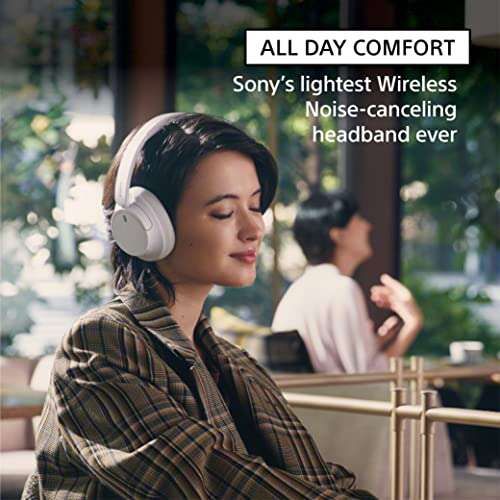
Open-back headphones sound more natural and airy, while closed-back headphones isolate noise and prevent sound leakage.
Understanding what is the difference between open and closed back headphones helps you choose the right pair for music, gaming, work, or travel. After testing both designs in quiet rooms, busy offices, and long listening sessions, I have found that neither type is always better. Each one solves a different problem. This guide explains how they work, where they perform best, and which design fits your daily life.
What are open-back headphones?
Open-back headphones have ear cups with vents or grilles that allow air and sound to pass through the back of the ear cups. The speaker driver is not sealed inside a closed chamber. This design creates a more open and natural listening experience.
With open-back headphones, some outside sound reaches your ears. Music also escapes into the room. Think of them as small speakers placed near your ears rather than sealed sound chambers.


Open-back headphones are common among:
• Home listeners
• Music producers
• Audio engineers
• Classical music fans
• Competitive gamers
• People who listen in quiet rooms
The open design often creates a wider soundstage. Instruments can feel more spread out from left to right. Vocals may seem to sit in front of you rather than inside your head.
However, open-back headphones are not ideal in noisy places. They provide little passive noise isolation. They can also disturb people nearby, especially when you listen at a high volume.

What are closed-back headphones?
Closed-back headphones use solid ear cups that seal the rear of each driver. This design keeps most sound inside the headphones and blocks some outside noise from reaching your ears.


Closed-back headphones are the style most people use for commuting, office work, recording, and general everyday listening. They act like a quiet room around your ears.
Closed-back headphones are useful for:
• Air travel
• Public transportation
• Shared offices
• Recording vocals or instruments
• Gaming near other people
• Listening to music in noisy homes
The sealed ear cups can also create stronger bass. Low-frequency sound stays inside the chamber, which can make bass feel deeper and more powerful.
The main trade-off is heat. Closed ear cups may make your ears feel warm during long sessions. Some models can also sound less spacious than open-back headphones, although modern designs vary widely.

What is the difference between open and closed back headphones?
The main difference between open and closed back headphones is the design of the ear cup. Open-back headphones let air and sound move through the rear of the cup. Closed-back headphones seal the rear and keep sound contained.
Here is a simple comparison:
| Feature | Open-back headphones | Closed-back headphones |
|---|---|---|
| Ear cup design | Vented or open | Sealed |
| Sound leakage | High | Low |
| Outside noise blocking | Very low | Moderate to high |
| Soundstage | Usually wider | Usually more focused |
| Bass response | Often lighter and more natural | Often stronger and more direct |
| Heat buildup | Usually lower | Usually higher |
| Best setting | Quiet rooms | Noisy or shared spaces |
| Privacy | Poor | Better |
| Recording use | Limited | Excellent |
| Travel use | Poor | Excellent |
This comparison explains what is the difference between open and closed back headphones in practical terms. Open-back models favor space and realism. Closed-back models favor isolation, privacy, and control.
Neither design guarantees better sound quality. The driver, tuning, amplifier, ear pad material, fit, and recording quality also matter. A well-designed closed-back headphone can sound more accurate than a poor open-back model.
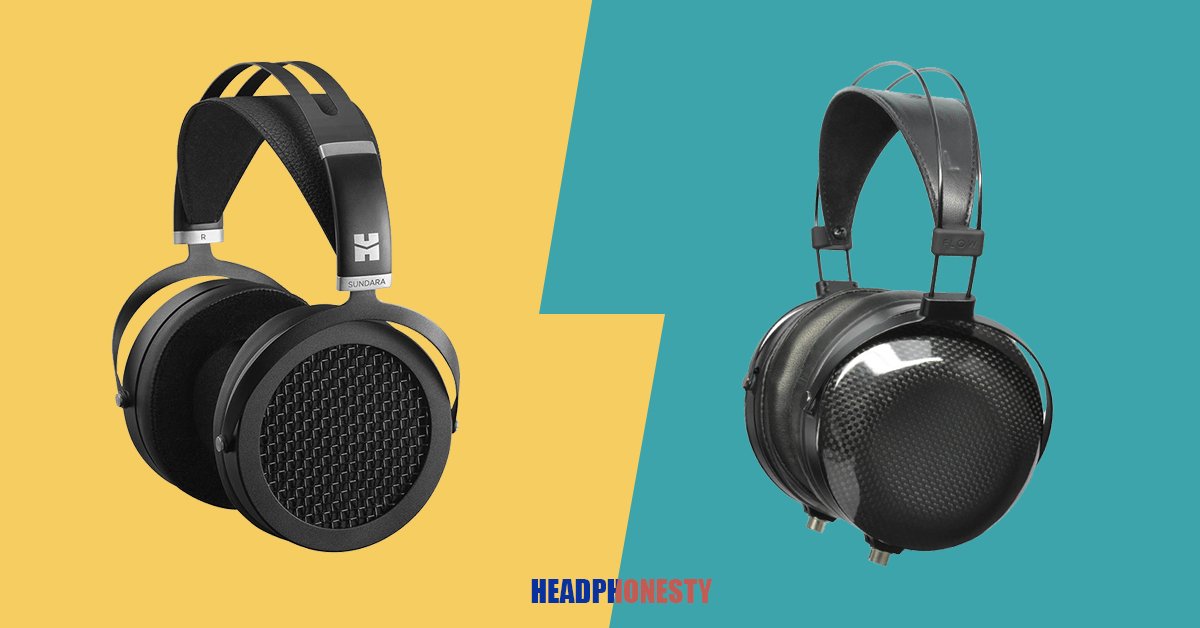
Soundstage and imaging
Soundstage describes the sense of space around the music. Imaging describes how clearly you can locate each sound within that space.
Open-back headphones usually perform well in both areas. Their vents reduce the boxed-in feeling that can occur with sealed ear cups. A well-recorded jazz track may place the piano slightly to the left, the drums behind it, and the saxophone farther to the right.
This does not mean open-back headphones create true surround sound. They still use two channels. However, their tuning and design can make the presentation feel wider and more speaker-like.
Closed-back headphones often produce a more direct sound. This can be helpful for bass-heavy music, podcasts, and games where you want clear impact. Some closed-back models also have excellent imaging, but their soundstage may feel closer to your head.


In my own listening tests, the difference is easy to notice with live recordings and classical music. Open-back headphones often make a concert hall feel larger. Closed-back headphones make the same recording feel more focused and intimate.

Noise isolation and sound leakage
Noise isolation is one of the biggest differences between open and closed back headphones. Closed-back headphones physically reduce outside noise by sealing the ear cups around your ears.
They will not remove all noise unless they also include active noise cancellation. Still, a good seal can reduce voices, keyboard sounds, air conditioners, and engine noise.
Open-back headphones offer almost no passive isolation. You may hear a doorbell, conversation, or traffic while listening. This can be useful when you need awareness, but it can also interrupt your music.
Sound leakage works in the opposite direction. Open-back headphones allow your music to escape. Someone sitting nearby may hear the song or game audio. Closed-back headphones keep much more of that sound inside.
Choose closed-back headphones when:
• You need privacy
• You work near other people
• You travel often
• You record with a microphone
• You share a room
• You listen at moderate to high volume
Choose open-back headphones when:
• You listen alone
• Your room is quiet
• You want to hear your surroundings
• Sound leakage is not a concern
• You prefer a natural, spacious presentation

Bass, detail, and overall sound quality
Open-back headphones often have a balanced and relaxed sound. Bass may feel less forceful because the rear of the driver is not sealed. This can help vocals, guitars, strings, and small details sound clear.
Closed-back headphones can create stronger bass pressure. The sealed chamber supports low frequencies and gives music more punch. This is popular with electronic music, hip-hop, pop, and action games.
Still, bass quantity is not the same as bass accuracy. A closed-back headphone can have excessive bass, while an open-back model can have tight and accurate low-end sound. The specific tuning matters more than the category alone.
The recording also affects your experience. A poorly mixed track may sound harsh on a highly detailed headphone. A warm headphone may make a bright recording easier to enjoy.


A useful approach is to think about your goal:
• Choose open-back headphones for a spacious and natural presentation.
• Choose closed-back headphones for impact, focus, and noise control.
• Check independent frequency response measurements when accuracy matters.
• Read reviews that describe comfort and fit, not only sound quality.

Comfort and long listening sessions
Comfort depends on more than the open or closed design. Weight, clamp force, ear pad shape, headband pressure, and material all play a role.
Open-back headphones often feel cooler because air can move around your ears. This is helpful during long editing or gaming sessions. Many open-back models are also lightweight, though this is not always true.
Closed-back headphones can become warm after an hour or two. Synthetic leather pads tend to trap more heat than breathable fabric or velour pads. On the other hand, a strong seal can improve comfort by keeping the headphones stable.
During long listening sessions, I learned not to judge comfort in a store after only five minutes. A pair can feel soft at first but create pressure after an hour. If possible, test the headphones for at least 30 minutes.
Look for:
• Soft ear pads that surround your ears
• Moderate clamp force
• A headband with even weight distribution
• Replaceable pads
• A cable that does not pull on one side
• A secure fit without painful pressure
If your ears hurt, stop and adjust the fit. Good sound is not worth discomfort or unsafe listening habits.

Open-back headphones for music and mixing
Open-back headphones are popular for critical listening because they can reveal small changes in a mix. Their spacious presentation helps you judge stereo placement, reverb, vocals, and instrument separation.
Many audio professionals use open-back headphones during editing and mixing. However, headphones should not replace properly treated studio monitors in every situation. Room acoustics, calibration, and personal hearing differences still affect decisions.
Open-back headphones work especially well for:
• Classical music
• Jazz
• Acoustic recordings
• Live performances
• Film scores
• Detailed album listening


They are less practical for recording vocals. Sound from the ear cups can leak into the microphone. That leakage may create a faint echo or unwanted backing track in the recording.
For tracking and recording, closed-back headphones are usually safer. They keep the click track and backing music away from the microphone.

Closed-back headphones for work, travel, and recording
Closed-back headphones are usually the more practical choice for everyday use. They work in places where open-back headphones fail, such as airplanes, cafés, libraries, and shared bedrooms.
They are also useful for remote work. If you join video calls in a busy home, closed ear cups can help you focus. A headset with a good microphone may further improve call quality.
For recording, closed-back headphones prevent music from bleeding into the microphone. This is important for singers, podcasters, voice actors, and musicians.
Closed-back headphones are also a strong choice for gaming when:
• Other people are nearby
• You need clear dialogue
• You want strong sound effects
• You play in a noisy room
• You use a microphone
Active noise cancellation can improve travel comfort, but it is not the same as a closed-back design. ANC uses microphones and electronic processing. A closed ear cup uses physical barriers. Some headphones offer both.

Open-back vs. closed-back headphones for gaming
The better gaming design depends on your environment and game type.
Open-back headphones can create a wide game world. Footsteps, distant effects, and environmental sounds may feel easier to place. This can help in competitive games where direction matters.
Closed-back headphones can deliver stronger explosions, bass effects, and isolation. They are better when you play near family members, roommates, or background noise.
For competitive gaming, imaging is more important than the label alone. A well-tuned closed-back model can outperform a poorly designed open-back model. Fit and comfort also matter because gaming sessions can last for hours.
For a quiet room, open-back headphones may feel more natural. For a shared or noisy room, closed-back headphones are often the safer choice.
Open-back vs. closed-back headphones for hearing safety
Neither headphone type is automatically safer for your hearing. Volume and listening time matter most.
Noise can encourage you to turn up the volume. This is one reason closed-back headphones may be helpful in loud places. By blocking some outside sound, they can make comfortable listening levels easier to maintain.
Open-back headphones may encourage higher volume in noisy rooms because outside sound competes with your music. They are best used in quiet spaces.
Practical safety habits include:
• Keep the volume as low as possible
• Take regular listening breaks
• Avoid trying to overpower traffic or machinery
• Use hearing protection in very loud environments
• Watch for ringing, muffled hearing, or ear pain
Hearing health guidance commonly recommends reducing both sound level and exposure time. If you notice repeated ringing or hearing changes, speak with a qualified health professional.
How to choose between open and closed back headphones
Start with your listening environment. This is often more important than your favorite music genre.
Use this simple process:
- Decide where you will listen most often. Choose open-back headphones for quiet rooms and closed-back headphones for shared or noisy spaces.
- Consider sound leakage. If another person can hear your music, closed-back headphones are the better option.
- Think about comfort. Open designs usually feel cooler, while closed designs may provide a firmer seal.
- Match the headphones to your task. Use open-back models for relaxed listening and editing, and closed-back models for travel and recording.
- Check your equipment. Some high-impedance headphones need a capable headphone amplifier.
- Read measurements and long-term reviews. Look for information about frequency response, distortion, comfort, and build quality.
- Test the fit if possible. A perfect sound profile cannot fix painful ear pads or excessive clamp.
Many listeners eventually own both types. An open pair can stay at a desk for focused music. A closed pair can handle commuting, calls, and recording.
Common mistakes to avoid
One common mistake is buying open-back headphones for travel. Their sound leakage can bother nearby passengers, and outside noise can ruin the listening experience.
Another mistake is assuming every closed-back headphone sounds narrow or muddy. Modern designs can offer wide soundstages, clear vocals, and precise imaging. The quality of the design matters.
Some people also buy expensive headphones without checking whether their phone or laptop can power them properly. Many headphones work from basic devices, but demanding models may sound too quiet or lose dynamics.
Avoid choosing only by brand reputation. Read the specifications, but do not treat them as the whole story. Personal fit, music taste, and listening location should guide the final choice.
My most useful lesson is simple: choose the headphone that matches your real routine, not an imagined one. If you mostly listen at a desk, open-back headphones may bring more joy. If you move through the world with your headphones, closed-back headphones will likely serve you better.
Frequently Asked Questions
Are open-back headphones better than closed-back headphones?
Open-back headphones are not universally better. They usually offer a wider, more natural sound, while closed-back headphones provide stronger isolation, privacy, and bass impact.
Can other people hear open-back headphones?
Yes. Open-back headphones allow sound to escape through the vents in the ear cups. They are best for quiet private spaces rather than offices, libraries, or public transport.
Are closed-back headphones good for mixing music?
Closed-back headphones are useful for recording and monitoring, but open-back headphones are often preferred for critical mixing. For the most reliable results, compare your mix on several systems and use accurate reference tracks.
Which headphones are better for gaming?
Open-back headphones can provide a wide soundstage and natural imaging in a quiet room. Closed-back headphones are better for noisy spaces, shared rooms, and stronger bass response.
Do open-back headphones block noise?
No. Open-back headphones provide very little noise isolation because their ear cups allow air and sound to pass through. Use closed-back headphones or active noise-canceling headphones when you need better noise control.
Are closed-back headphones more comfortable?
Not always. Closed-back headphones can provide a secure fit, but they may create more heat around the ears. Comfort depends on weight, ear pads, clamp force, and headband design.
Can you use open-back headphones outside?
You can, but they are usually not practical outdoors. They allow traffic and other sounds in, leak your music to nearby people, and may encourage unsafe volume levels in noisy places.
Do open-back headphones have better bass?
Open-back headphones often have a lighter and more natural bass presentation. Closed-back headphones usually create stronger bass pressure, but the actual result depends on the driver and tuning.
Conclusion
The difference between open and closed back headphones comes down to airflow, isolation, leakage, comfort, and sound presentation. Open-back headphones suit quiet rooms and listeners who want a broad, natural soundstage. Closed-back headphones work better for travel, shared spaces, recording, and focused listening.
Before you buy, consider where you listen, whether sound can leak, how much outside noise you face, and how long you wear headphones each day. Choose the design that fits your real habits, then test the fit and sound with music you know well. Explore more audio guides, compare trusted models, and share your headphone experience in the comments.

Everett Ashford is a tech reviewer at mytechgrid.com specializing in SSDs, cameras, TVs, earbuds, headphones, and other consumer electronics. He provides honest, data-driven reviews based on hands-on testing and real-world performance analysis. Everett simplifies complex tech details to help readers make smart, confident buying decisions.