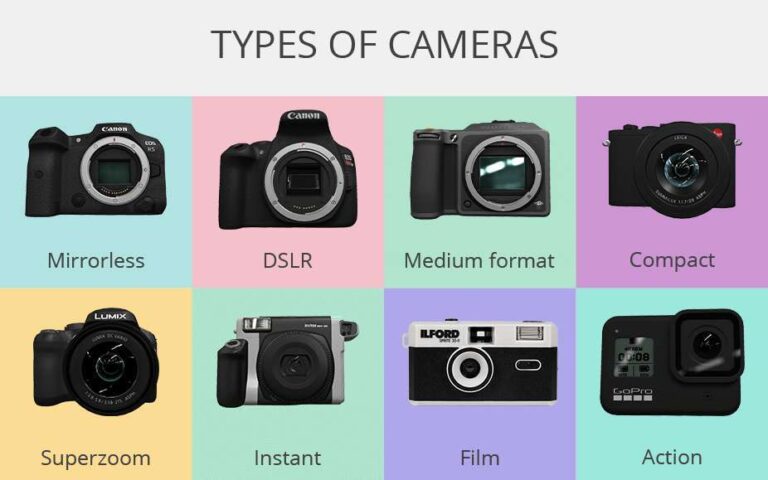
Most cameras cost between $100 and $6,000, depending on type, features, brand, and included lenses.
Knowing how much are the cameras helps you set a realistic budget before you shop. Prices range from simple point-and-shoot models to advanced full-frame systems used by professionals. This guide breaks down camera prices in the United States, explains what affects the cost, and shares practical ways to get the best value.
How Much Are the Cameras by Type?
The camera market has options for nearly every budget. A small camera for travel may cost less than a single professional lens, while a high-end cinema camera can cost as much as a used car.
Here is a simple overview of common camera prices in the US:
| Camera type | Typical new price | Best for |
|---|---|---|
| Basic digital camera | $100–$300 | Casual photos and family events |
| Instant camera | $60–$200 | Fun prints and social events |
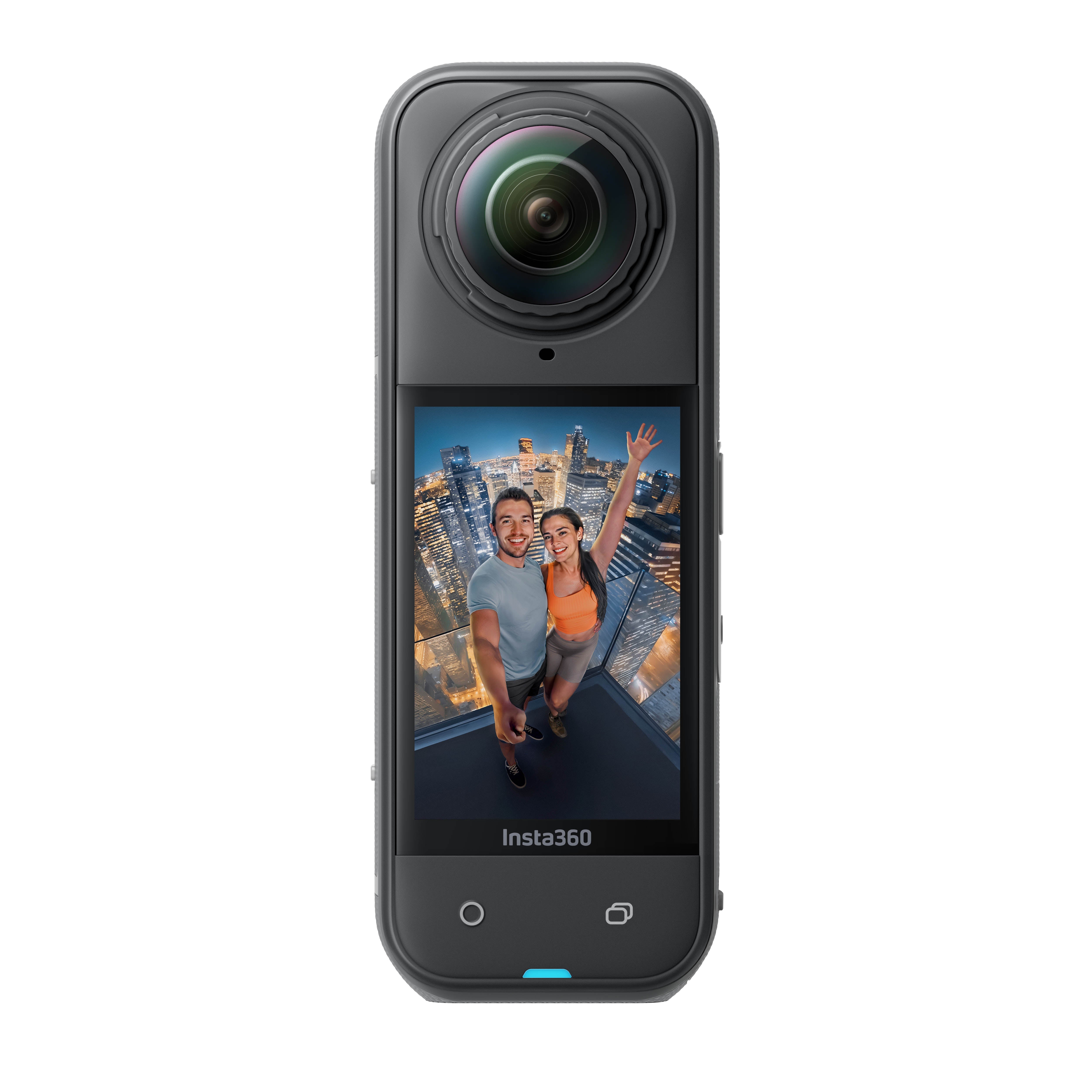
| Action camera | $200–$500 | Travel, sports, and outdoor use |
| Bridge camera | $250–$800 | Long zoom and easy controls |
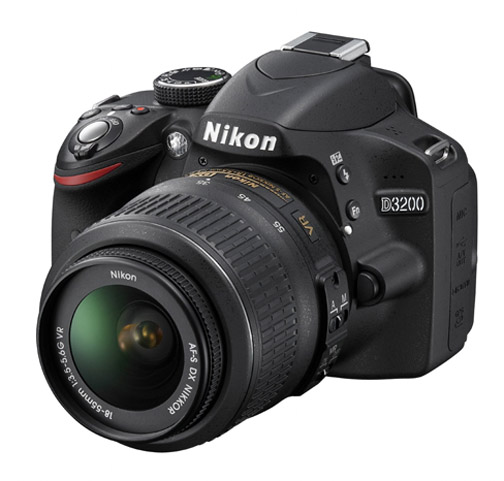
| Entry-level DSLR | $400–$900 | Beginners and photography students |
| Entry-level mirrorless | $500–$1,200 | New photographers and creators |
| Advanced mirrorless | $1,200–$4,000 | Enthusiasts and professionals |
| Professional DSLR | $1,500–$4,500 | Sports, news, and studio work |
| Medium-format camera | $3,000–$10,000 or more | Commercial and fine-art photography |
| Cinema camera | $1,500–$20,000 or more | Film and video production |
These figures usually describe the camera body alone. A camera kit with one lens may cost $100 to $1,000 more, depending on the lens and brand.
How much are the cameras in real stores? Prices often change during holiday sales, product launches, and manufacturer promotions. Used, refurbished, and older models can also cost much less than the newest version.
How Much Are the Cameras for Beginners?
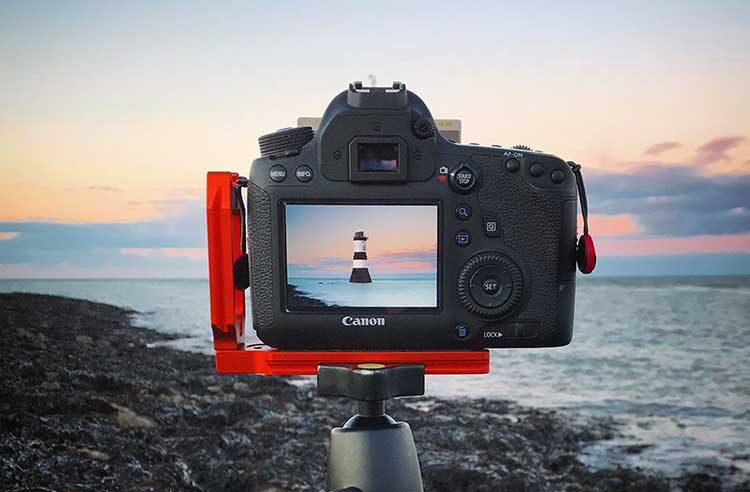
Beginner cameras usually cost between $400 and $1,000. This range includes entry-level DSLR and mirrorless models with a basic zoom lens.
A beginner camera should be easy to use, but it should also leave room to grow. Look for features such as:
• Interchangeable lenses
• Automatic and manual shooting modes
• A reliable autofocus system
• Wi-Fi or Bluetooth sharing
• 4K video, if video matters to you
• A comfortable grip and clear menu system
Entry-level mirrorless cameras often cost more than older DSLR cameras. They are smaller, use newer autofocus systems, and usually offer better video tools. However, a good DSLR can still produce excellent images, especially in bright light.
How much are the cameras for beginners when bought as a kit? A common price is $600 to $900 for a camera body and standard 18–55mm or similar lens. The lens is important because it affects image quality, zoom range, and low-light performance.
A practical shopping lesson is to avoid spending your full budget on the body. A $700 camera with a poor lens may deliver less value than a $500 camera paired with a sharp, useful lens.
How Much Are the Cameras for Professional Photography?
Professional cameras often cost from $1,500 to more than $6,000. Some medium-format models and cinema systems cost far more.
Professional photographers may pay more for:
• Full-frame or medium-format sensors
• Faster and more accurate autofocus
• High burst speeds
• Strong weather sealing
• Dual memory card slots
• Long battery life
• High-resolution sensors
• Better controls and viewfinders
• Reliable video recording
• A durable shutter and body
For example, a professional wedding photographer may choose a full-frame mirrorless camera priced around $2,000 to $4,000. A sports photographer may spend more on a fast camera and a large telephoto lens.
How much are the cameras for professional work? The body is only one part of the system. A working professional may spend $5,000 to $15,000 on a complete kit with two camera bodies, several lenses, batteries, memory cards, flashes, and bags.
Professional equipment can also lower business risk. Dual card slots, weather protection, and strong battery life may prevent costly problems during a wedding or paid event.

How Much Are the Cameras for Video and Vlogging?
Vlogging cameras generally cost between $500 and $2,000. The best choice depends on whether you record yourself, travel, stream, or create short social videos.
Important video features include:
• A fully articulating screen
• A microphone input
• Headphone monitoring
• Reliable autofocus
• Image stabilization
• 4K recording
• Good battery life
• A compact body
A simple vlogging setup may include a $600 camera, a $300 lens, a $100 microphone, and a $50 tripod. That places the total near $1,050 before lighting and storage.
How much are the cameras for YouTube? Many creators can start with a camera between $600 and $1,200. A more expensive camera does not automatically create better videos. Light, sound, framing, and clear storytelling often matter more.
For indoor video, a fast lens and a small light may improve results more than upgrading the camera body. This is one of the most common lessons new creators learn after buying expensive equipment too early.

How Much Are the Cameras for Travel and Everyday Use?
Travel cameras range from $200 to $2,000. Compact cameras, small mirrorless cameras, and action cameras are common choices.
A travel camera should balance image quality with size. A large professional camera may take beautiful photos, but it can become tiring to carry all day. A smaller camera that you use often is usually more valuable than a powerful camera left at home.
Consider these travel needs:
• Weight and size
• Battery life
• Weather resistance
• Built-in zoom
• USB charging
• Image stabilization
• Wireless photo transfer
• Protection against dust and moisture
Compact cameras with long zoom lenses often cost $300 to $800. Small mirrorless kits may cost $700 to $1,500. Action cameras usually sit between $200 and $500.
How much are the cameras for travel? A realistic budget for the camera, one lens, spare battery, memory card, and small bag is $700 to $1,500. You may spend less if you already own compatible accessories.
What Affects Camera Prices?
Camera prices are shaped by more than brand name. The sensor, autofocus system, construction, lens mount, and video features all influence the final cost.
Sensor size
Sensor size affects image quality, low-light performance, depth of field, and camera size.
Common sensor formats include:
• 1-inch sensor
• Micro Four Thirds
• APS-C
• Full frame
• Medium format
Larger sensors often perform better in low light and make it easier to create a soft background. They also tend to cost more and require larger lenses.
Lens quality
A camera body may look affordable until you price the lenses. Basic lenses can cost $100 to $400, while professional lenses may cost $1,000 to $3,000 or more.
Prime lenses often provide strong image quality and wide apertures. Zoom lenses offer more flexibility but can be heavier and more expensive.
Autofocus
Modern autofocus systems use face, eye, animal, and subject tracking. These tools are helpful for portraits, sports, wildlife, and video.
A camera with advanced subject detection may cost more, but it can save time and improve the number of sharp images you keep.
Build quality
Professional bodies often use metal frames, stronger seals, and larger controls. These features add cost but can matter for photographers who work outdoors or shoot in difficult conditions.
Video features
High frame rates, 10-bit color, RAW video, cooling systems, and multiple recording formats raise camera prices. A photographer who only takes still images may not need these features.

Camera Body Cost vs. Total Camera System Cost
One of the biggest shopping mistakes is looking only at the camera body price. The body is like the engine of a car, but you still need wheels, fuel, and insurance.
A basic camera system may include:
• Camera body: $500
• Standard lens: $250
• Memory card: $30
• Spare battery: $50
• Camera bag: $60
• Small tripod: $70
The total is about $960, not $500.
A professional system may include:
• Camera body: $2,500
• Wide-angle lens: $1,200
• Telephoto lens: $1,800
• Spare battery: $90
• Memory cards: $200
• Flash: $400
• Bag and support gear: $300
The total can exceed $6,000 very quickly.
How much are the cameras after adding essential accessories? For many buyers, the final cost is 25% to 100% higher than the advertised body price. Planning for the whole system helps prevent an unpleasant surprise at checkout.

New, Used, and Refurbished Camera Prices
Buying used can reduce camera costs by 20% to 50%. Older models often provide excellent image quality because sensor technology does not become useless when a new model appears.
A used camera can be a smart choice when:
• The model has good reviews
• The sensor is clean
• The shutter count is reasonable
• The battery still holds a charge
• The lens mount works properly
• The seller offers a return period
• The camera has no water damage
Refurbished cameras can offer another good balance. They are often inspected, tested, and sold with some form of warranty.
Before buying used, check the camera for:
- Scratches or cracks near the lens mount
- Dust or marks inside the lens
- Dead pixels on the screen or sensor
- Damaged ports and loose card doors
- Corrosion around the battery area
- Unusual shutter or autofocus sounds
- Missing chargers or proprietary accessories
How much are the cameras when bought used? A two-year-old entry-level mirrorless camera may sell for $350 to $700, while a professional model may drop from $3,000 new to $1,800 or less.
The lowest price is not always the best deal. A trusted seller, return policy, and working battery can be worth more than saving another $50.
Hidden Costs to Include in Your Camera Budget
Camera ownership includes several costs that new buyers may overlook.
Lenses
Lenses often become the largest long-term expense. A basic kit lens may be enough at first, but photographers often add a wide lens, portrait lens, or telephoto lens later.
Memory cards
High-resolution photos and 4K video require fast, large memory cards. Expect to pay $20 to $150, depending on capacity and speed.
Batteries and chargers
A spare battery is useful for travel and events. Some cameras also require a separate charger, while others charge through USB.
Lighting
A small flash may cost $100 to $500. Continuous lights for video can cost $50 to $600 or more.
Insurance and protection
Professional users may need equipment insurance. Even casual users should consider a protective bag, screen protector, and weather cover.
Editing software and storage
Photo and video files need storage. External drives, cloud plans, and editing software may add $50 to $300 per year.
How much are the cameras over several years? A $1,000 camera system may cost another $300 to $1,000 in accessories, storage, maintenance, and upgrades. A complete budget gives you a more honest answer.
How to Choose the Right Camera for Your Budget
Start with your main use, not the most impressive specification sheet. A camera for family photos has different needs from one for wildlife or cinema work.
Use this simple process:
- Decide what you photograph or record most.
- Set a total budget for the body, lens, and accessories.
- Compare sensor size and lens availability.
- Check autofocus performance for your subjects.
- Read long-term user reviews.
- Handle the camera if possible.
- Compare the price of replacement batteries and lenses.
- Buy only the features you will use.
If you mainly take travel photos, prioritize size, battery life, and a flexible lens. If you photograph sports, prioritize autofocus and burst speed. If you create videos, focus on screen movement, sound inputs, stabilization, and heat control.
A useful rule is to spend more on the lens when you expect to keep the camera for many years. Lenses can remain useful across multiple camera upgrades.
Ways to Save Money on a Camera
You do not need the newest model to take excellent pictures. Camera brands often release new versions with small improvements, which can reduce the price of older models.
Try these savings strategies:
• Buy last-generation models
• Compare kit and body-only prices
• Shop during holiday sales
• Consider manufacturer-refurbished gear
• Buy used from sellers with return policies
• Rent expensive lenses before buying
• Purchase a camera with a kit lens first
• Avoid accessories you will not use
• Check student or workplace discounts
• Sell unused equipment to fund upgrades
Renting can be especially useful for weddings, vacations, and wildlife trips. A $150 rental may be far cheaper than buying a $2,000 lens that you use once.
Another practical lesson is to avoid buying a large bundle filled with low-quality accessories. A trusted memory card, spare battery, and useful bag are better than ten cheap items that fail when you need them.
Is an Expensive Camera Worth It?
An expensive camera is worth the money when it solves a real problem. It may be a good investment if you need faster autofocus, better low-light images, stronger weather sealing, or professional video features.
A costly camera may not be worthwhile if you mainly share small photos online. A midrange camera can produce excellent results for family photos, travel, portraits, and social media.
Skill also matters. Learning light, composition, focus, and timing can improve your images more than moving from a $700 camera to a $3,000 model.
How much are the cameras is only one part of the decision. Ask what the camera helps you do, how often you will use it, and whether its features match your work.
Frequently Asked Questions About How Much Are the Cameras
How much does a good camera cost?
A good camera for most beginners costs about $500 to $1,200, often with a basic lens. Advanced enthusiasts may spend $1,200 to $3,000 for a stronger body and better features.
How much are the cameras for photography beginners?
Beginner cameras usually cost $400 to $900 for a body and starter lens. Used models can cost less, especially if you choose an older DSLR or mirrorless camera.
Is a $200 camera worth buying?
A $200 camera can be worth buying for casual travel, children, or simple family photos. However, many modern smartphones may offer similar results unless the camera has a useful optical zoom or special feature.
How much does a professional camera cost?
Professional camera bodies commonly cost $1,500 to $6,000. A complete professional kit with lenses, batteries, cards, lighting, and support gear may cost $5,000 to $15,000 or more.
Are used cameras safe to buy?
Used cameras can be safe when purchased from a reliable seller with a return policy. Check the sensor, lens mount, battery area, ports, shutter count, and autofocus before keeping the camera.
Do camera prices drop after a new model is released?
Prices often drop when a newer model replaces an older one. The reduction varies by brand, demand, condition, and retailer, but older models can provide strong value after a product launch.
Conclusion
So, how much are the cameras? Most buyers can expect to spend $400 to $1,200 for a capable beginner system, while advanced and professional setups may cost $2,000 to $15,000 or more.
The best camera is not always the most expensive one. Choose based on your subject, comfort, lens needs, video goals, and total ownership cost. Compare new and used options, keep money aside for accessories, and invest in skills that help you get more from your equipment.
Start with a camera you will actually carry and use. Then explore trusted reviews, compare current prices, and share your camera experience in the comments.

Everett Ashford is a tech reviewer at mytechgrid.com specializing in SSDs, cameras, TVs, earbuds, headphones, and other consumer electronics. He provides honest, data-driven reviews based on hands-on testing and real-world performance analysis. Everett simplifies complex tech details to help readers make smart, confident buying decisions.