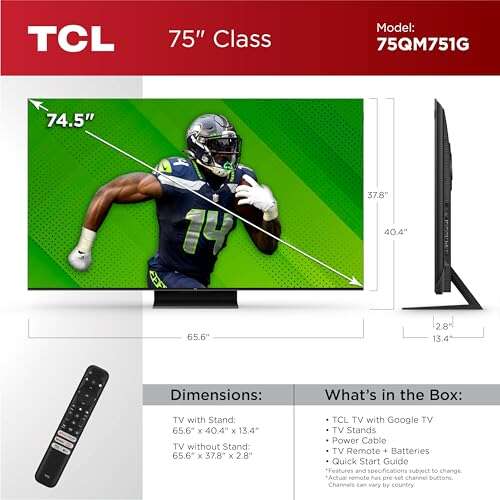
Shipping a TV usually costs $75 to $300 domestically, though size, distance, packing, and service change the price.
The real answer depends on more than screen size. Weight, box dimensions, shipping distance, delivery speed, insurance, and the type of TV all affect the final bill. This guide explains how much it is to ship a TV, how to pack it safely, and when a freight service may be the smarter choice.
How Much Is It to Ship a TV?
For most shipments within the United States, how much it is to ship a TV falls into these general ranges:
| TV size | Typical shipping cost | Common shipping method |
|---|---|---|
| 24 to 32 inches | $40 to $100 | Ground parcel service |
| 40 to 55 inches | $75 to $200 | Large-package delivery |
| 60 to 75 inches | $150 to $400 | Freight or specialty service |
| 80 inches or larger | $250 to $800 or more | Freight delivery |
These prices are estimates, not fixed quotes. A small TV going across the country may cost more than a larger TV traveling within the same state.
When people ask how much it is to ship a TV, they often focus only on the television’s weight. Carriers also charge for the box size, or dimensional weight. A large, light box can cost more than a small, heavy package because it takes up more room in a delivery truck.
The TV’s value matters, too. A basic 32-inch model may be inexpensive to replace, while a large OLED or QLED TV can cost several thousand dollars. Paying for better packaging and insurance is often wise when the screen is valuable.
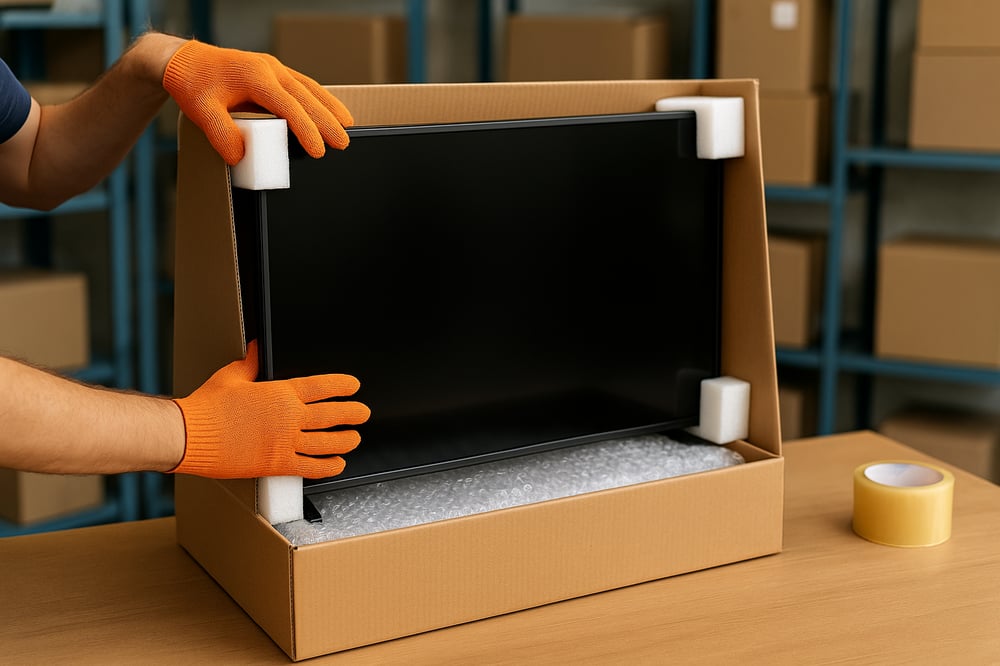
What Affects the Cost of Shipping a TV?
Several details determine how much it is to ship a TV. Before requesting a quote, collect accurate information about each one.
Screen size and package dimensions
Screen size is only part of the equation. The carrier needs the packed box’s length, width, and height.
Measure the outside of the final box, including extra padding. A box measuring 65 by 40 by 10 inches takes up a lot of space, even if the TV itself weighs only 55 pounds.
Shipping weight
Carriers use the greater of actual weight or dimensional weight. Dimensional weight is based on the space a package occupies.
A common formula is:
Length × width × height ÷ dimensional divisor
The divisor differs by carrier and service. For large boxes, this calculation can raise the bill quickly.
Shipping distance
Distance has a direct effect on cost. A TV shipped from Chicago to Milwaukee may cost far less than one shipped from Chicago to Los Angeles.
Rural delivery areas can also add fees. Residential delivery, remote locations, and limited-access addresses may increase the quote.
Delivery speed
Ground service is usually the least expensive option. Two-day and overnight services cost much more and may have size limits.
If the TV is part of a move, plan ahead. Choosing standard delivery instead of rush service can save a large amount of money.
oversize fees
A television box can trigger an oversize charge even when its weight is modest. Some carriers also apply a handling fee for long or bulky packages.
Ask the carrier whether the quote includes:
• Oversize charges
• Residential delivery fees
• Fuel surcharges
• Address correction fees
• Liftgate service
• Signature delivery
• Insurance or declared-value coverage
A low starting quote can become much higher after these charges are added.
Average TV Shipping Costs by Method
The best shipping method depends on the TV’s size, value, and destination. Here are the most common choices.
Parcel carriers
Parcel carriers work well for small and medium TVs, especially those under about 50 inches. A properly packed 32-inch or 43-inch TV may ship for $50 to $150.
Large parcel shipments have more risk. The box may pass through several sorting centers, where it can be moved by conveyor belts and loaded with other packages.
Freight shipping
Freight is often the better option for large TVs. It usually involves a pallet, stronger handling rules, and fewer transfers.
Freight shipping may cost $150 to $500 for many domestic routes. A very large TV, a long-distance route, or special delivery service can push the cost higher.
Freight is also useful when the TV is fragile or expensive. You can request services such as liftgate delivery, inside delivery, and appointment scheduling.
Moving companies
A moving company may transport the TV with your furniture. This can be cost-effective if you are already hiring movers for a full household move.
The drawback is timing. The TV may not arrive on the same day as your other belongings, and the company may have different limits for liability or damage claims.
Specialty electronics shippers
Specialty shippers focus on fragile electronics. They may use custom crates, foam supports, and dedicated handling.
This service costs more, but it can make sense for an expensive OLED TV, a commercial display, or a vintage television that is difficult to replace.
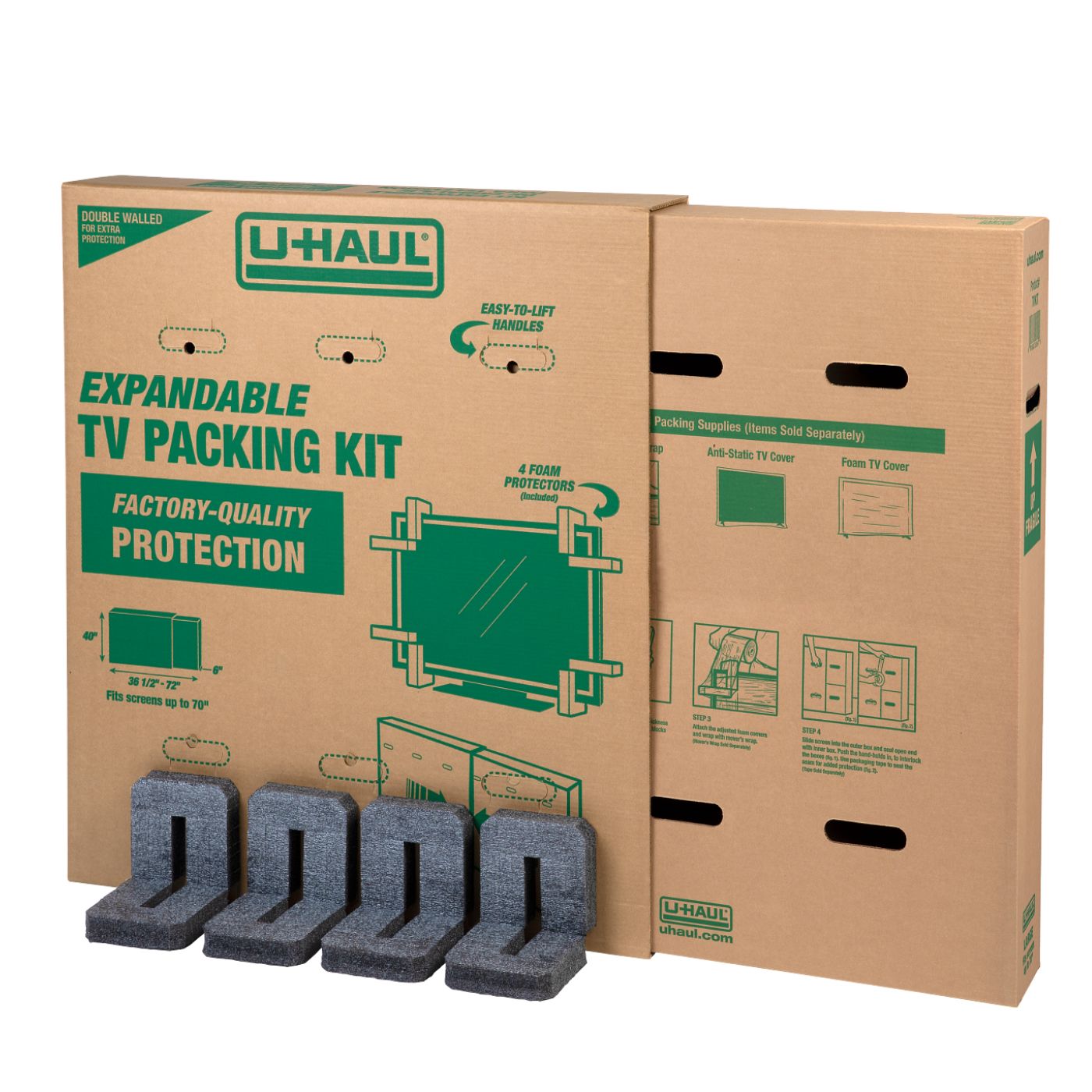
How to Pack a TV for Shipping
Good packing is one of the best ways to control how much it is to ship a TV. It also reduces the chance of screen damage.
Step 1: Prepare the TV
Turn off the TV and unplug every cable. Remove the stand, wall mount parts, batteries, and other loose items.
Wrap the remote and accessories in a small box. Do not place them against the screen, where they can create pressure marks.
Step 2: Protect the screen
Cover the screen with a clean, soft cloth or a manufacturer-approved screen cover. Add a layer of foam or corrugated cardboard over the front.
Never let tape touch the screen. Tape should only touch the protective wrap or the outside of the box.
Step 3: Add corner protection
Use thick foam around every corner. Corners absorb impact and help keep the screen from touching the box.
Avoid relying on thin bubble wrap alone. Bubble wrap can protect against scratches, but it may not stop a sharp impact.
Step 4: Use the original box when possible
The original box is usually the safest option because its inserts match the TV’s shape. If you still have the original foam supports, use them.
If the original box is gone, buy a strong TV shipping box. Select one that leaves room for at least two inches of cushioning on all sides.
Step 5: Keep the TV upright
Ship the TV in its normal vertical position. Laying a large flat-screen TV down can place stress on the panel, especially if another item presses on the box.
Mark the box with “Fragile,” “This Side Up,” and “Do Not Lay Flat.” These labels do not guarantee special handling, but they communicate the correct position.
Step 6: Seal and inspect the box
Use strong packing tape on every seam. Shake the box gently. Nothing inside should move.
Take photos of the TV, the protective materials, and the sealed box. These images can support a damage claim if a problem occurs.

Is It Cheaper to Ship a TV or Buy a New One?
Sometimes buying a replacement TV costs less than shipping the old one. This is more likely when the TV is small, several years old, or available at a low sale price.
For example, shipping a 32-inch TV across the country may cost $80 to $140. If a similar new TV costs $150, shipping may not offer good value.
However, replacement cost is not the only factor. A high-end 65-inch OLED TV may cost $1,500 or more to replace, while careful freight shipping may cost $250 to $400.
Compare these three numbers:
• The complete shipping quote
• The TV’s current replacement cost
• The TV’s personal or sentimental value
Also check whether the TV is still under warranty. Some warranties do not cover damage caused by improper packing or transportation.

How to Ship a TV Safely and Affordably
You can lower the price without cutting corners. These steps often make a meaningful difference.
-
Compare at least three shipping quotes. Use the same packed dimensions and weight for each quote.
-
Choose ground shipping. Standard service is usually enough for a household move or sale.
-
Ship from a commercial address if possible. Residential delivery may include an extra fee.
-
Use the original box. Proper inserts can reduce the need for costly custom packaging.