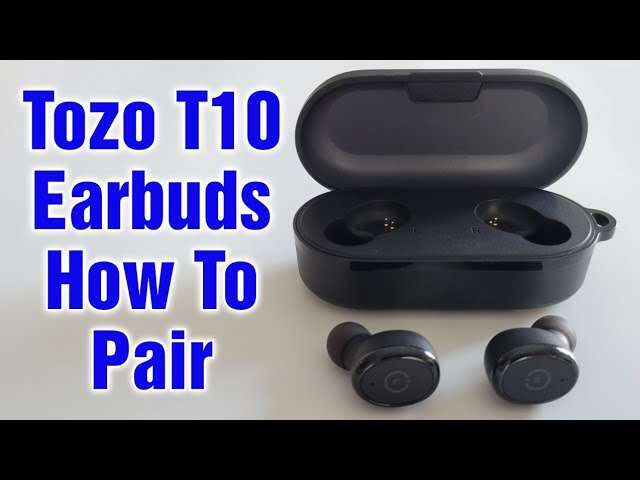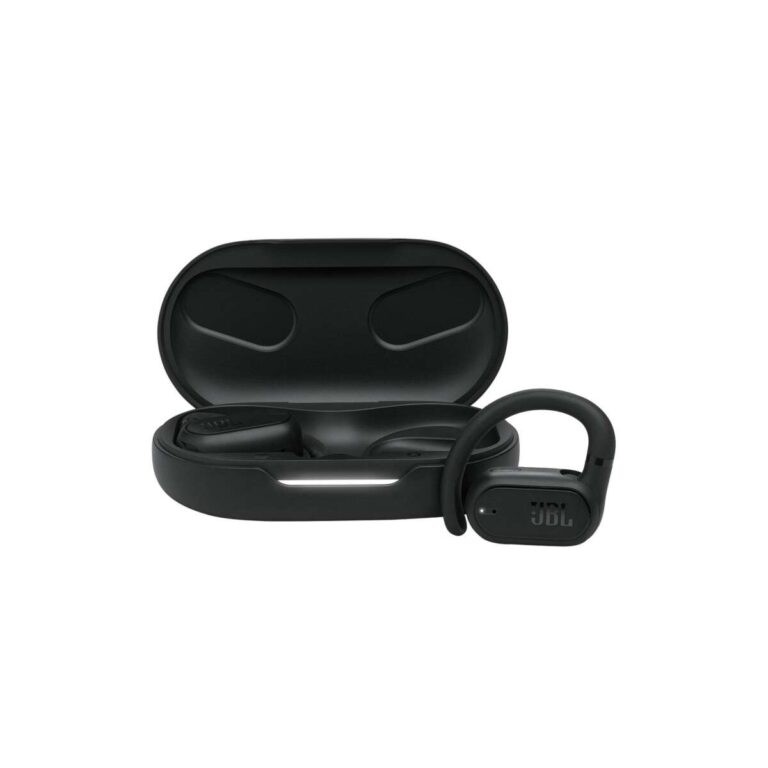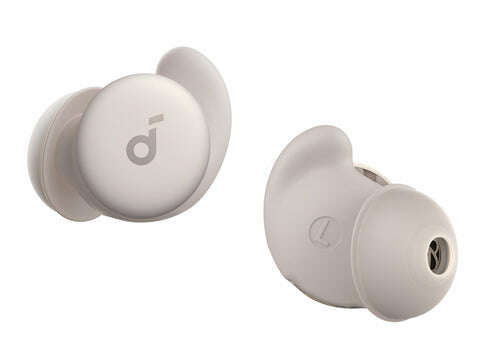
Good earbuds for small ears have compact tips, shallow bodies, secure fit, and low pressure during long use.
Finding what are good earbuds for small ears can feel harder than choosing earbuds for sound alone. A model may have great reviews yet slip out, hurt your concha, or create a weak seal in a smaller ear. This guide explains fit, comfort, sound, and useful features so you can choose earbuds that stay put without constant adjustment.
What makes earbuds good for small ears?
The best earbuds for small ears are not always the smallest earbuds on the market. Fit depends on the shape of your outer ear, the size of your ear canal, and how far the earbud sits inside it.
Small ears often need a short nozzle and a compact housing. A large earbud may press against the antihelix, the curved ridge around the ear opening. That pressure can cause soreness even when the ear tip itself feels soft.
Look for these traits:
• Small ear tips, ideally including an extra-small size
• A short or narrow nozzle
• A lightweight body
• A smooth shape without sharp edges
• Adjustable ear wings or fins for added stability
• Several charging case tip sizes
• A secure seal without forcing the earbud deep into the canal
A good seal matters for more than bass. It can improve passive noise isolation and help active noise cancellation work as intended. However, a tight seal should never feel painful or make your ears throb after a short listening session.
In my experience testing and comparing compact earbuds, the biggest mistake is choosing by sound quality first. A comfortable midrange earbud usually gives better real-world results than a premium model that users remove after 20 minutes.

Best earbuds for small ears
The following models are strong choices for different needs. Ear shape varies, so treat these as practical starting points rather than guaranteed fits for everyone.
Apple AirPods Pro 2
AirPods Pro 2 are among the best earbuds for small ears because they include an extra-small silicone ear tip. Their short stem also makes them easy to insert and remove.
They offer strong noise cancellation, clear calls, and a warm, detailed sound. The fit test in the iPhone settings can help you check whether the tip seals well.
They are especially useful for people who use Apple devices. Features such as automatic switching and Find My work best inside the Apple ecosystem. Android users can still use them, but some smart features are limited.
Best for:
• iPhone users
• Commuters and frequent travelers
• People who need extra-small ear tips
• Users who want strong ANC in a compact design
Samsung Galaxy Buds FE
The Galaxy Buds FE are a good choice for Samsung phone owners with small ears. Their wing tips help lock the earbuds in place without requiring a large outer housing.
The included tip and wing sizes make it easier to fine-tune the fit. The earbuds also offer useful noise cancellation and a balanced sound for podcasts, music, and video.
Their main limitation is ecosystem support. Some controls and advanced features work best with Samsung Galaxy phones, while users on iPhone may not get the full experience.
Best for:
• Samsung Galaxy users
• People who want extra stability
• Small ears that struggle with smooth earbuds
• Listeners who prefer a secure, low-profile fit
Beats Studio Buds Plus
Beats Studio Buds Plus are compact, light, and easy to wear. They include multiple ear tip sizes, including a very small option, which helps users create a better seal.
Their sound has strong bass but remains clear for voices and instruments. Noise cancellation is useful for offices, buses, and gyms, although some larger premium earbuds block more outside sound.
The case and earbuds are small enough for daily carry. They also work well across both iOS and Android, making them a flexible option for households that use different phones.
Best for:
• iOS and Android users
• Small ears that need a light earbud
• Bass-friendly sound
• Everyday travel and exercise
Sony WF-1000XM5
The Sony WF-1000XM5 earbuds offer excellent sound, powerful noise cancellation, and a smaller body than earlier Sony flagship models. They include small foam-style tips that can help create a stable seal.
Their foam tips compress during insertion and expand inside the ear canal. This design can work well for some small ears, but it may feel too snug for people who dislike pressure.
Sony provides extensive sound controls through its app. You can change equalizer settings, adjust ambient sound, and create a listening profile. They cost more than many compact models, but the audio performance is impressive.
Best for:
• Music listeners who value detailed sound
• Users who want advanced app controls
• Travelers who need strong ANC
• People comfortable with foam-style ear tips
Soundcore Liberty 4 NC
Soundcore Liberty 4 NC earbuds often appeal to shoppers who want many features at a lower price. They offer small tip options, adjustable noise cancellation, multipoint pairing, and a helpful companion app.
Their body may feel a little larger than the smallest earbuds, so they are not a perfect match for every small ear. Still, the broad range of tip sizes and fit controls gives them a good chance of working.
Sound quality is energetic and easy to customize. The app also includes an equalizer, which is useful if you prefer less bass or more vocal detail.
Best for:
• Budget-conscious shoppers
• People who want long battery life
• Users who need multipoint pairing
• Listeners who enjoy sound customization
AirPods 4
AirPods 4 use an open-style design rather than a sealed silicone tip. This can be comfortable for people whose ears do not tolerate in-ear pressure.
The fit is less dependent on ear canal size, but the earbuds may move more during running or intense exercise. The standard version has no active noise cancellation, while the ANC version adds that feature.
Open-style earbuds also let in more outside sound. That can be useful for awareness near traffic, but they usually offer less bass and less isolation than sealed earbuds.
Best for:
• People who dislike silicone ear tips
• Users who want a light, open fit
• Apple device owners
• Casual listening and phone calls

How to choose earbuds for small ears
Knowing what are good earbuds for small ears starts with understanding fit measurements and daily use. Marketing terms such as “ergonomic” or “all-day comfort” are not enough by themselves.
Check the ear tip sizes
Extra-small tips are often the most important feature. Some brands include only small, medium, and large tips, while others provide an extra-small option.
A proper tip should seal the canal without creating sharp pressure. If the earbud feels loose, try a larger tip. If it feels sore or difficult to insert, try a smaller one.
Do not assume both ears are the same size. Many people need a small tip in one ear and an extra-small or medium tip in the other.
Consider the earbud housing
The outer shell should sit inside the bowl of your ear without pressing hard against the surrounding cartilage. A short, rounded body usually works better than a tall, wide design.
Earbuds with wings or fins can add stability. They are helpful for exercise, but a fin that presses on the upper ear may become irritating over time.
Look at the nozzle length
A long nozzle may reach deeper into the ear canal. Some people prefer this seal, but it can create pressure in small ear canals.
A shorter nozzle often feels gentler. It may provide less isolation, yet comfort is usually more important for long listening sessions.
Match the design to your routine
Think about how you use earbuds:
• For commuting, prioritize noise cancellation and a stable seal.
• For calls, look for clear microphones and wind reduction.
• For workouts, choose water resistance and wings or fins.
• For office use, multipoint pairing can save time.
• For sleeping, choose a very small, low-profile model.

In-ear, open-fit, or ear-hook earbuds?
There are three common styles, and each solves a different fit problem.
In-ear earbuds use silicone or foam tips to seal the ear canal. They usually provide the strongest bass and noise isolation, but they may feel uncomfortable if your ear canals are very narrow.
Open-fit earbuds rest near the ear opening. They feel airy and allow outside sound in, but they can move more easily and usually produce less bass.
Ear-hook earbuds wrap around the outer ear. They are stable for running and workouts, though the hook can conflict with glasses or feel bulky on small ears.
For most people asking what are good earbuds for small ears, compact in-ear models with extra-small tips are the best first choice. Open-fit models are worth considering if silicone tips cause pain.

How to get a secure and comfortable fit
Even good earbuds can feel poor if they are inserted the wrong way. Use this simple process:
- Choose the smallest tip that still feels sealed.
- Place the earbud at the ear opening.
- Twist it gently backward until the body rests in the ear.
- Do not push it deeper just to increase bass.
- Walk, talk, and move your jaw to test stability.
- Wear it for 20 to 30 minutes before judging comfort.
Try the seal test with music playing quietly. If the bass becomes thin or outside noise sounds unusually loud, the tip may be too small or poorly positioned.
A common mistake I have seen is using a large tip because it seems more secure at first. It may hold well for five minutes, then cause soreness. A gentle seal that lasts all day is better than a tight seal that becomes painful.
Clean the tips often. Earwax can reduce sound quality and affect the seal. Remove silicone tips from the earbuds, wash them with mild soap and water, dry them fully, and never put wet tips back on the charging case.

Important features beyond fit
Fit should come first, but other features affect the overall experience.
Active noise cancellation
Active noise cancellation, or ANC, uses microphones to reduce steady sounds such as airplane engines and air conditioners. It works best when the ear tip already creates a good seal.
ANC does not remove every sound. Voices, sudden noises, and wind may still come through. Small ears can sometimes benefit more from a good passive seal than from paying extra for the strongest ANC.
Battery life
Most true wireless earbuds provide several hours of listening per charge, with extra power in the case. Check whether the stated battery time includes ANC, because ANC usually reduces playback time.
For daily use, a case that provides several full recharges is often more useful than a slightly longer single charge.
Water resistance
Look for an IP rating if you exercise or spend time outdoors. For example, IPX4 generally indicates resistance to splashing water, while higher ratings offer more protection.
Water resistance does not mean the earbuds are safe for swimming. Sweat, rain, and pool water are different conditions, so follow the manufacturer’s limits.
Call quality
Small earbuds have limited room for microphones. Models with wind reduction and voice pickup can perform better outside.
Try a call in a normal room and outdoors before relying on the earbuds for work. A model with excellent music may still deliver average voice quality.
Controls and app support
Touch controls can be difficult if the earbuds are small. Physical buttons may be easier for some users because they cause less accidental movement.
An app may provide equalizer settings, fit tests, firmware updates, and control customization. Check whether the app works with your phone before buying.

Comfort, hearing safety, and common mistakes
Earbuds should never cause pain, numbness, ringing, or a blocked feeling that lasts after removal. These signs mean you should lower the volume, change the tips, reduce listening time, or stop using the earbuds.
A widely used safe-listening guideline advises keeping average sound near 80 decibels for up to 40 hours per week, with less time at higher levels. Phone volume percentages are not equal across brands, so use the lowest level that lets you hear clearly.
Avoid these common mistakes:
• Buying based only on online reviews
• Choosing the largest tip for extra bass
• Wearing earbuds through pain
• Ignoring different sizes in each ear
• Using ANC to cover dangerously loud music
• Cleaning the earbuds with sharp objects
• Sleeping in bulky earbuds that press into the ear
If you have repeated ear pain, drainage, hearing changes, or ringing, speak with a health professional. Earbuds are not a substitute for medical advice.

Frequently Asked Questions
What are good earbuds for small ears?
Good earbuds for small ears usually have extra-small tips, a short nozzle, and a compact outer shell. Apple AirPods Pro 2, Samsung Galaxy Buds FE, Beats Studio Buds Plus, and AirPods 4 are useful options for different fit preferences.
Are smaller earbuds better for small ears?
Smaller earbuds often help, but the ear tip and body shape matter just as much. A tiny earbud with a poor nozzle angle can feel less comfortable than a slightly larger model with a better shape.
How do I stop earbuds from falling out of small ears?
Try a different tip size and twist the earbud gently into place. If it still moves, choose a model with ear wings, fins, or an ear hook, and test the fit while walking and speaking.
Are AirPods good for small ears?
AirPods Pro 2 can work well because they include an extra-small silicone tip and a compact design. Standard AirPods 4 may feel comfortable for people who dislike sealed tips, but they can be less secure during exercise.
Can earbuds hurt small ears?
Yes, earbuds can hurt when the housing presses against cartilage, the tip is too large, or the earbud sits too deeply. Pain is a sign to change the fit or stop using that model.
Do foam tips work better for small ears?
Foam tips can create a stable seal because they expand gently inside the ear canal. They are not ideal for everyone, though, and some users prefer the softer, simpler feel of silicone tips.
Conclusion
The best answer to what are good earbuds for small ears depends on your ear shape, listening habits, and comfort needs. Start with a compact model that includes extra-small tips, then check the housing, nozzle, seal, and stability.
AirPods Pro 2 suit many iPhone users, Galaxy Buds FE offer strong stability for Samsung owners, and Beats Studio Buds Plus provide a light cross-platform option. AirPods 4 are worth considering if in-ear pressure bothers you.
Take time to test the fit in both ears, keep the volume safe, and return any model that causes pain. Explore the options above, compare current prices and fit policies, and share your own small-earbud experience in the comments.

Everett Ashford is a tech reviewer at mytechgrid.com specializing in SSDs, cameras, TVs, earbuds, headphones, and other consumer electronics. He provides honest, data-driven reviews based on hands-on testing and real-world performance analysis. Everett simplifies complex tech details to help readers make smart, confident buying decisions.