A mirrorless camera is a digital camera that drops the DSLR mirror and uses the image sensor and electronic viewfinder.
I’ve spent years shooting weddings, travel, and gear tests, so I’ll explain what does mirrorless camera mean with clarity and real-world insight. This guide breaks down the technical meaning, real benefits, limits, and how to choose one that fits your needs. Read on for practical tips, simple comparisons, and things I learned the hard way while switching from DSLR gear.
What does mirrorless camera mean? A clear definition
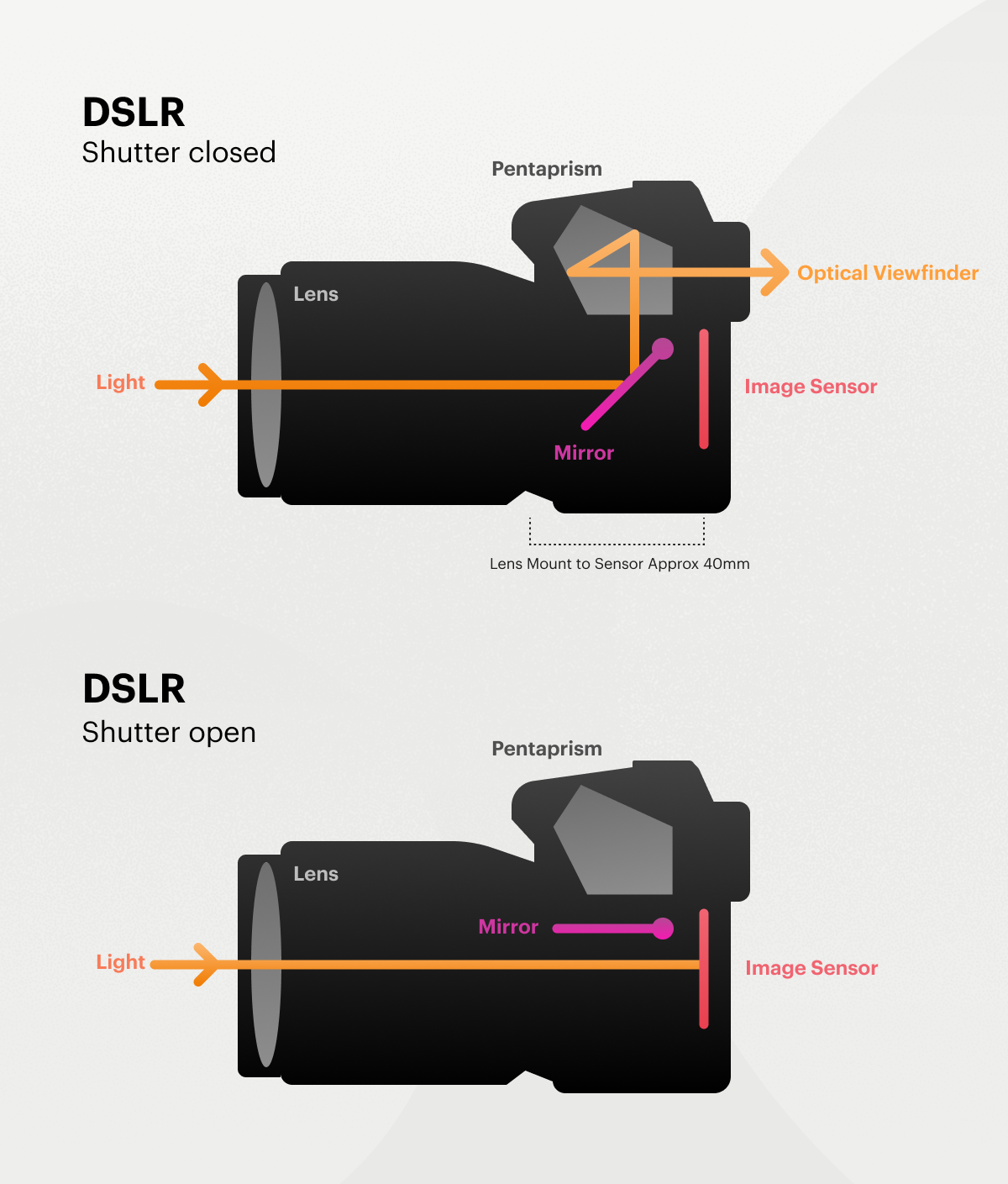
When someone asks what does mirrorless camera mean, they want to know how it works and why it matters. A mirrorless camera means the system does not use a reflex mirror to route light to an optical viewfinder. Instead, light hits the image sensor directly and the camera shows a live image on an electronic viewfinder or the rear screen.
This design change affects size, autofocus, and how you see exposure. It also affects battery life and lens compatibility. Knowing what does mirrorless camera mean helps you pick gear that matches your style.
How mirrorless cameras work
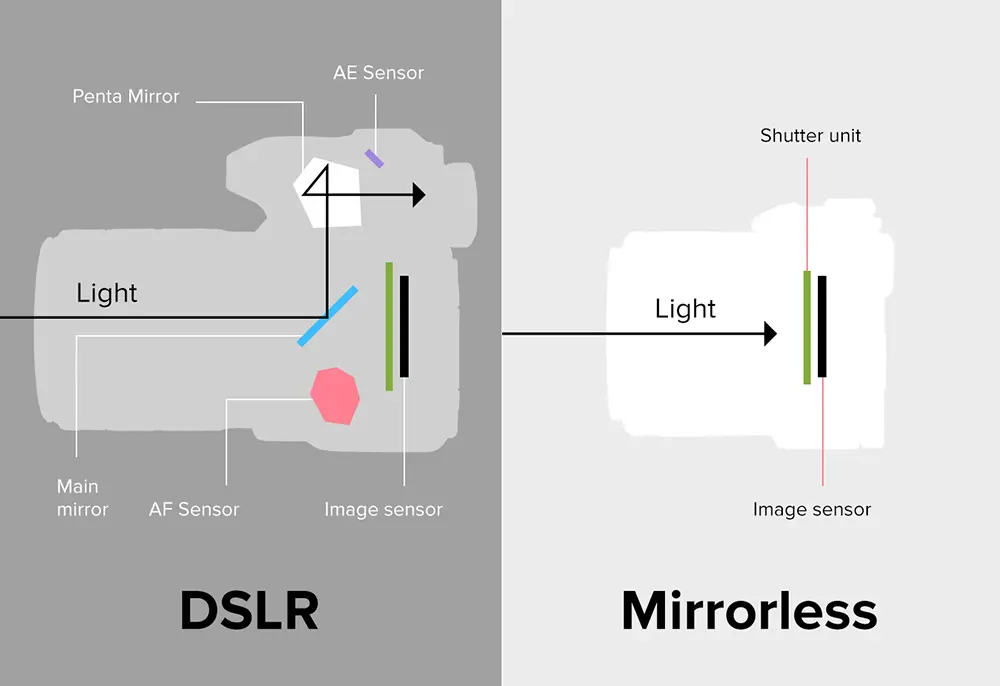
A mirrorless camera removes the mirror box found in DSLRs. Light passes through the lens and reaches the sensor every time you frame a shot. The sensor sends a live feed to an electronic viewfinder or rear LCD.
Autofocus uses on-sensor detection. That can be contrast detect, phase detect on sensor, or hybrid systems. The camera can show exposure, focus peaking, and preview effects in real time. If you still ask what does mirrorless camera mean in practical terms, it means seeing a near-final image before you press the shutter.
Mirrorless vs DSLR: key differences
Understanding what does mirrorless camera mean is easier when you compare it to a DSLR.
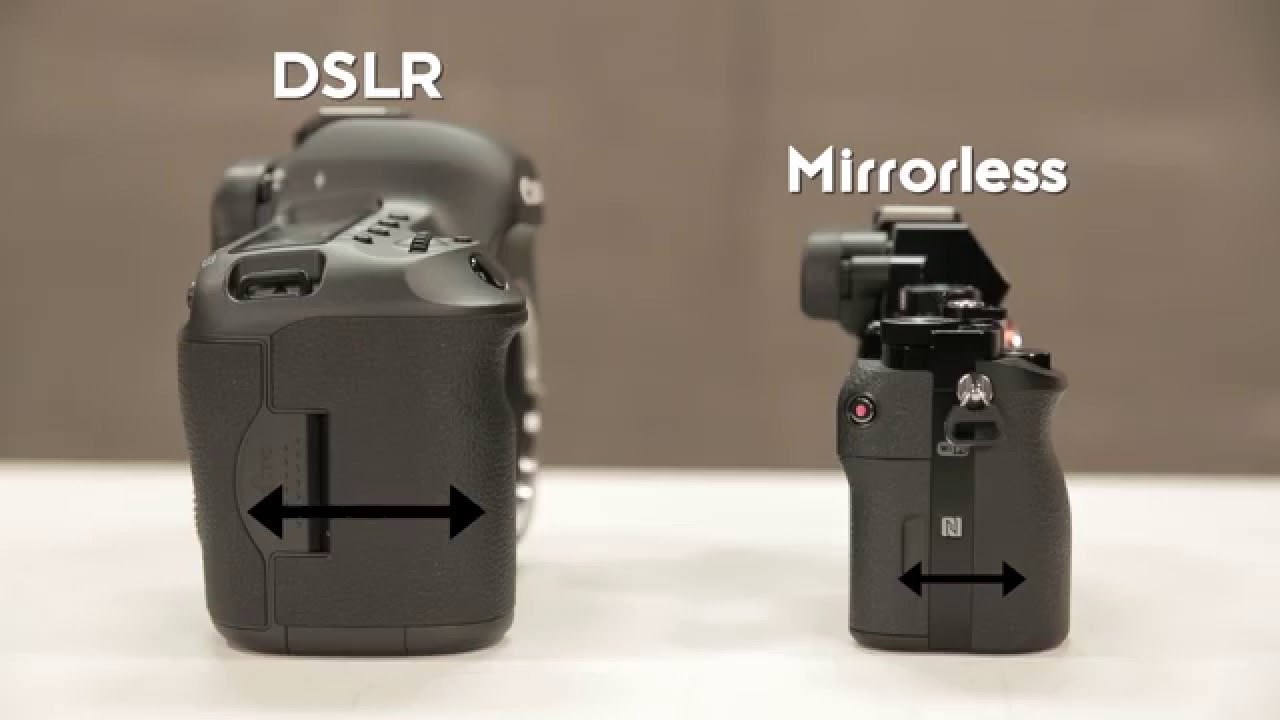
- Size and weight. Mirrorless bodies tend to be smaller and lighter than DSLRs with the same sensor size.
- Viewfinder. Mirrorless uses an electronic viewfinder or screen. DSLR uses an optical viewfinder via a mirror.
- Autofocus. Mirrorless often has faster, more accurate on-sensor autofocus, especially for video and continuous tracking.
- Live preview. Mirrorless shows exposure and color preview. DSLRs show these only after the shot.
- Lens ecosystem. DSLRs have mature lens lineups. Mirrorless systems are catching up quickly and offer adapters.
- Battery life. Mirrorless cameras typically use more battery because of the EVF and display.
These differences show what does mirrorless camera mean for photographers who value size, preview, and video. It also shows trade-offs to consider.

Benefits of mirrorless cameras
If you want a short list of what does mirrorless camera mean in benefits, here it is.
- Real-time exposure preview. See how the final image will look before you shoot.
- Smaller systems. Bodies and some lenses are lighter and more compact.
- Advanced autofocus. Eye and face detection work well for portraits and action.
- Better video features. Faster readout, focus modes, and video-first design.
- Silent shooting. Electronic shutter modes allow near-silent capture.
- Focus aids. Features like focus peaking and magnification simplify manual focus.
From my experience, switching to mirrorless improved my run-and-gun travel shots. The AF eye-detect saved dozens of missed portraits. That’s what does mirrorless camera mean for practical shooting.
Limitations and trade-offs
Knowing what does mirrorless camera mean also means knowing the limits.
- Battery life can be shorter due to constant EVF and screen use.
- Early lens lineups were limited, though this is changing fast.
- Electronic viewfinders show noise at very high ISO or with slow readout.
- Some cameras can overheat in long video sessions.
- Ergonomics. Small bodies can be harder to hold with big lenses.
I learned to carry an extra battery and a small hand grip early on. That one change fixed most battery and comfort issues I had after switching. Keep these trade-offs in mind when you ask what does mirrorless camera mean for your workflow.

Choosing a mirrorless camera: practical tips
To decide what does mirrorless camera mean for you, answer these simple questions first.
- What do you shoot? Portraits, landscapes, sports, or video dictate features.
- What sensor size suits your needs? Full-frame, APS-C, and Micro Four Thirds each offer trade-offs.
- How important is lens choice? Check native lenses and available adapters.
- Do you need in-body image stabilization (IBIS)? IBIS helps low-light and video.
- What about battery life and weather sealing? Consider these for travel and event work.
Steps to choose
- List your top three shooting needs.
- Compare models for autofocus, IBIS, and lens availability.
- Hold the cameras in hand to test ergonomics.
- Read hands-on reviews and look at sample images.
- Rent a model for a weekend to test it in real shoots.
When you clearly define what does mirrorless camera mean for your goals, choice becomes much easier.
My experience switching to mirrorless
I switched systems mid-career to save weight and improve autofocus for weddings. The first month was a learning curve. I missed optical viewfinders at first. The live exposure preview and faster AF soon became wins.
Mistakes I made
- I sold too many DSLR lenses before testing adapters.
- I underestimated battery drain for long days.
- I chose a small body with poor grip for heavy glass.
Things that helped
- Carrying two spare batteries fixed most power problems.
- Using lens adapters gave me time to rebuild my lens kit.
- Learning custom settings improved speed in fast shoots.
This real experience shows what does mirrorless camera mean in daily work. It’s not magic, but it is a meaningful shift in how cameras behave.
Quick PAA-style questions
Q: what does mirrorless camera mean for beginners?
A: It means an easier live preview of exposure and often simpler autofocus. Beginners get instant feedback while learning.
Q: what does mirrorless camera mean for videographers?
A: It means better video features, autofocus in video, and often cleaner autofocus tracking. Many mirrorless models are video-focused.
Q: what does mirrorless camera mean for travel photographers?
A: It usually means lighter gear and better autofocus for handheld low-light shots. Lighter setups are easier to carry.
Frequently Asked Questions of what does mirrorless camera mean
What does mirrorless camera mean compared to DSLR?
A mirrorless camera means there is no mirror box and it uses an electronic viewfinder. DSLR uses a mirror and an optical viewfinder to show the scene.
Does mirrorless mean better image quality?
Not automatically. Image quality depends on sensor size, processor, and lens. Mirrorless designs often match or exceed DSLR image quality with comparable sensors.
Are mirrorless cameras good for video?
Yes. Mirrorless cameras typically excel at video thanks to on-sensor AF, live preview, and more video features. Many models are optimized for hybrid photo and video work.
Will my old DSLR lenses work on a mirrorless camera?
Often yes, with an adapter. Adapters let you use many DSLR lenses, though autofocus speed or features may vary by lens and adapter quality.
Is battery life a big issue with mirrorless?
Battery life can be shorter because EVFs and screens run constantly. Carrying spare batteries or using power-saving settings helps for long shoots.
How do I learn to use a mirrorless camera quickly?
Start with auto and priority modes, use the live preview to see exposure changes, and practice autofocus modes. Rent or test gear to get hands-on experience.
Conclusion
A mirrorless camera means a modern imaging system that removes the mirror and uses on-sensor capture and electronic viewing. This change delivers real-time preview, advanced autofocus, and compact designs that suit many photographers and videographers. Think about your shooting needs, test gear in hand, and plan for battery and lens choices when you switch. Try renting a mirrorless model for a weekend to see how what does mirrorless camera mean in your work. If you found this helpful, share your questions below, subscribe for gear guides, or leave a comment about your mirrorless experiences.

Jamie Lee is a seasoned tech analyst and writer at MyTechGrid.com, known for making the rapidly evolving world of technology accessible to all. Jamie’s work focuses on emerging technologies, product deep-dives, and industry trends—translating complex concepts into engaging, easy-to-understand content. When not researching the latest breakthroughs, Jamie enjoys exploring new tools, testing gadgets, and helping readers navigate the digital world with confidence.