Noise-cancelling headphones were invented in the 1950s, then refined for aviation and consumers decades later.
The full story behind when were noise cancelling headphones invented is more detailed than one date. Early patents laid the groundwork, aviation made the technology practical, and Bose helped bring active noise cancellation to everyday travelers. Understanding this timeline also explains why modern headphones work so well, yet still have limits.
When were noise cancelling headphones invented?
The earliest active noise-cancellation ideas appeared in the 1950s. American engineer Lawrence J. Fogel developed systems that used microphones and electronic circuits to reduce unwanted sound, especially in aircraft and helicopter environments.
A key patent connected to Fogel was filed in the late 1950s and granted in the 1960s. It described a system that detected outside noise and created an opposing sound wave. This is the central idea behind active noise cancellation today.
So, when were noise cancelling headphones invented? The best short answer is:
• The core invention began in the 1950s.
• Important noise-control patents appeared in the 1960s.
• Aviation use grew in the 1980s.
• Consumer noise-cancelling headphones became widely known around 2000.
This timeline matters because the first invention was not a modern wireless headset. It was an early electronic noise-control system designed for specialized use.
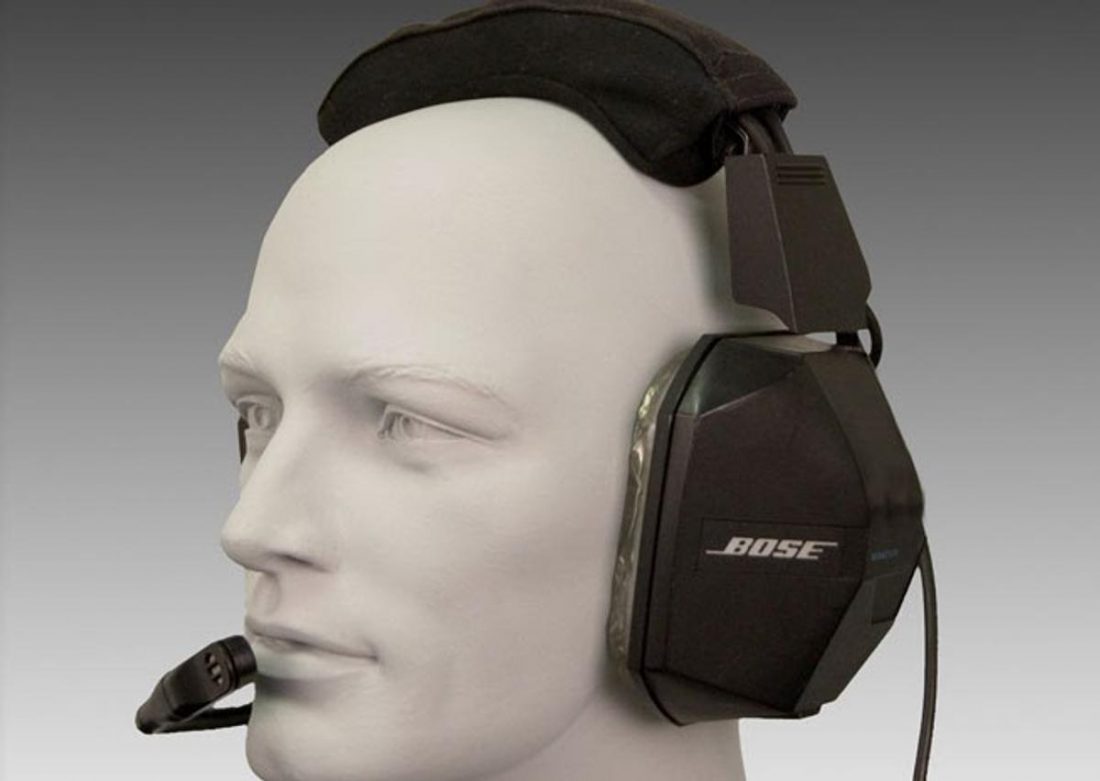
Who invented noise cancelling headphones?
Lawrence J. Fogel is widely associated with the early invention of active noise reduction. His work focused on improving communication for pilots and reducing the tiring effect of engine noise.
Fogel’s approach used a microphone to hear unwanted sound. An electronic circuit then produced an opposite signal. When the two sound waves met, they reduced each other.
This process is called destructive interference. It is similar to two water waves meeting and becoming smaller, although sound behaves through air pressure rather than water.
The answer to when were noise cancelling headphones invented can therefore include two parts:
-
Lawrence Fogel helped create the early active noise-reduction technology.
-
Later engineers and companies adapted that technology into practical headsets and headphones.
It would be inaccurate to credit one person with every stage of the invention. The technology developed through patents, aviation research, signal processing, battery improvements, and better speaker design.

How did active noise cancellation work?
Active noise cancellation, often called ANC, uses electronics to reduce unwanted sound. It does not simply block noise with thick padding.
A typical ANC headset includes:
• External microphones that listen to sounds around you.
• Internal microphones that check what reaches your ears.
• A digital signal processor that studies the noise.
• Speakers that create an opposite sound wave.
• A battery that powers the electronic system.
Imagine standing near a loud air conditioner. The outside microphone detects its steady hum. The headset creates a matching sound with the opposite wave pattern. The two signals then partly cancel each other before the noise reaches your ear.
This method works best with constant, low sounds. Aircraft engines, bus engines, train tracks, and air conditioners are good examples.
ANC is less effective against sudden sounds. A baby crying, a door slamming, or a nearby person speaking can change too quickly for the system to cancel completely.
This basic principle helps explain when were noise cancelling headphones invented. The invention required more than headphones. It required microphones, amplifiers, signal control, and enough battery power to run the system.
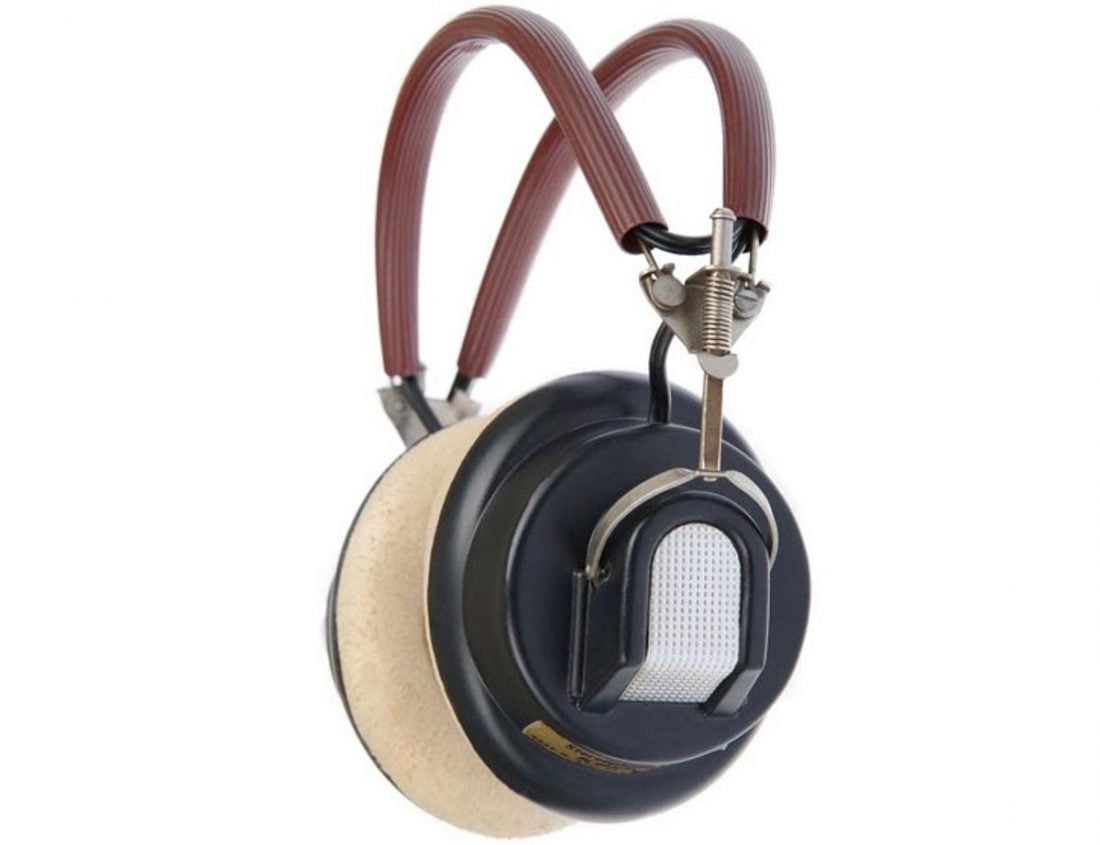
The role of aviation in noise-cancelling headphone history
Aviation helped turn an interesting laboratory idea into useful equipment. Pilots and flight crews face long periods of engine noise, vibration, and radio communication. Reducing that noise can improve comfort and make spoken communication easier.
Early aviation headsets often combined two methods:
• Passive noise reduction from ear cups and sealing materials.
• Active noise reduction from microphones and electronic circuits.
This combination remains important today. ANC handles steady low-frequency noise, while the ear cups block higher sounds. Neither method is perfect alone.
By the 1980s, active noise-reduction headsets were being developed for pilots and other professional users. These products were expensive and specialized. They were not yet common in homes, offices, or public transport.
When were noise cancelling headphones invented for aviation? The answer is best placed between the 1950s research period and the 1980s commercial aviation period. The technology existed earlier, but practical aviation products took years to mature.
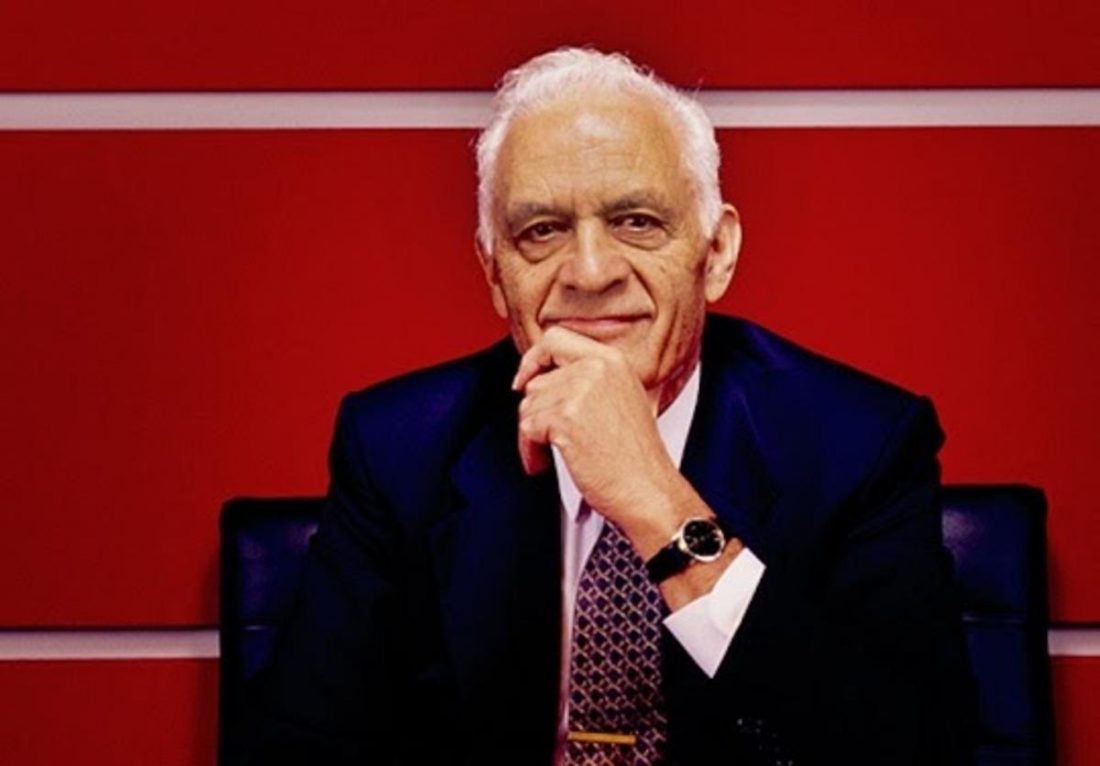
How Bose changed the consumer market
Bose played a major role in making noise cancellation familiar to the public. Company founder Amar Bose reportedly experienced severe engine noise during a 1978 flight and began exploring ways to improve the listening experience.
Bose worked on active noise reduction for aviation. The company later supplied noise-reduction headsets for pilots and airline crews.
In 2000, Bose introduced the QuietComfort Acoustic Noise Cancelling headphones. This launch is often treated as the point when consumer noise-cancelling headphones entered the mainstream.
That does not mean Bose invented the original idea. Earlier researchers and patents came first. Bose helped refine the system, reduce its size, improve comfort, and package it for travelers.
When were noise cancelling headphones invented for ordinary consumers? Around 2000 is the most useful answer, although earlier professional products existed.
This distinction avoids a common mistake. “Invented” can mean the first technical concept, the first patent, the first working headset, or the first popular consumer product. Each date tells a different part of the story.
Noise cancellation versus passive noise isolation
People often use “noise cancellation” to describe any quiet headphone. Technically, there is a difference between passive isolation and active noise cancellation.
Passive noise isolation comes from physical materials. The ear cups create a seal, while foam and padding reduce sound entering the ear.
Active noise cancellation uses microphones and speakers. It listens to outside noise and creates an opposing signal.
Here is a simple comparison:
| Feature | Passive noise isolation | Active noise cancellation |
|---|---|---|
| Main method | Physical blocking | Electronic sound reduction |
| Best for | Voices and sharp sounds | Low, steady sounds |
| Needs a battery | No | Usually yes |
| Works when powered off | Usually yes | Often with reduced performance |
| Common examples | Ear tips and sealed ear cups | Travel and premium ANC headphones |
The best headphones use both methods. A strong seal gives ANC less work to do, much like closing a window before turning down the radio.
This also adds context to when were noise cancelling headphones invented. Active cancellation was the new invention, but passive sound blocking had existed in hearing protectors and headphones long before it.

Why did it take so long to make ANC popular?
The idea of cancelling sound is simple to describe but difficult to make work well. Several engineering problems slowed progress.
Microphone quality
The microphones must capture outside noise clearly. Poor microphones can miss important sound or add hiss.
Signal-processing speed
The system must react very quickly. If the opposite signal arrives too late, it may fail to reduce the noise or may even make the sound worse.
Battery life
Early electronic systems needed more power. Modern chips use less energy, which allows many headphones to run for 20 to 50 hours, depending on the model and features.
Comfort and size
A headset needs room for microphones, circuits, speakers, and a battery. Early designs were often bulky. Smaller chips and better batteries made lighter products possible.
Sound quality
Noise cancellation should reduce outside noise without making music sound dull or artificial. Engineers have improved this balance through better digital processing.
These challenges explain why when were noise cancelling headphones invented cannot be answered with a single commercial launch date. The concept came early, but useful products required decades of improvement.

How noise-cancelling headphones changed over time
Noise-cancelling headphone technology has passed through several major stages.
-
In the 1950s, engineers explored electronic methods for reducing unwanted sound.
-
In the 1960s, patents described practical active noise-control systems.
-
In the 1980s, aviation headsets used the technology for pilots and flight crews.
-
Around 2000, consumer headphones made ANC popular with travelers.
-
In the 2010s, wireless Bluetooth headphones added ANC to everyday products.
-
In the 2020s, adaptive ANC, transparency modes, voice control, and spatial audio became common.
Modern headphones can change their noise-control level based on the environment. Some models detect whether you are on a train, walking outside, or sitting in a quiet room.
Many also include a transparency mode. This uses microphones to bring outside sound into the headphones, allowing you to hear announcements or talk without removing the headset.
The answer to when were noise cancelling headphones invented has therefore expanded over time. The original invention was a fixed noise-reduction system. Today’s products are smart, wireless, and responsive.

Benefits of noise-cancelling headphones
Noise-cancelling headphones can make daily listening more comfortable. Their benefits are especially clear during travel and work.
Common advantages include:
• Less aircraft engine noise during a flight.
• Lower background sound on buses and trains.
• Easier listening at moderate volume levels.
• Better focus in busy offices or shared spaces.
• More comfort during long trips.
• Reduced distraction from steady environmental noise.
A quieter background may also make spoken content easier to follow. For example, a podcast can sound clearer on a train when the low rumble is reduced.
Still, ANC is not hearing protection in every situation. Most consumer headphones are not certified to protect against very loud industrial sound. People working around dangerous noise should use approved hearing protection and follow workplace safety rules.
Limitations and common mistakes
Noise-cancelling headphones are useful, but they are not magic. They cannot remove every sound.
ANC usually struggles with:
• Sudden hand claps.
• Nearby conversations.
• High-pitched alarms.
• Sharp construction sounds.
• Poor ear-cup seals.
Fit is one of the biggest factors. If air leaks around the ear, outside noise can enter even when the ANC system works correctly.
Another mistake is expecting more cancellation to always mean better sound. Strong ANC may create a pressure-like sensation for some listeners. This feeling is not usually dangerous, but it can be uncomfortable.
People should also stay aware in public spaces. Transparency mode is safer near roads, train platforms, and busy sidewalks. Never assume ANC will block warning sounds in a reliable way.
When were noise cancelling headphones invented? Early systems were designed for specific noise, such as engine hum. Modern users sometimes expect them to erase every sound, which is beyond what the technology can do.
How to choose noise-cancelling headphones today
The invention’s history is interesting, but shoppers usually want practical advice. Start by thinking about where you will use the headphones.
For air travel
Choose strong low-frequency ANC, comfortable ear cups, and long battery life. A wired option can also help if the airplane entertainment system does not support Bluetooth.
For office work
Look for clear microphone quality, comfortable padding, and a transparency mode. Good voice pickup matters if you join video calls.
For public transport
Choose a secure fit and effective low-frequency cancellation. Folding hinges and a travel case can make daily use easier.
For walking
Safety should come first. Use transparency mode or keep one ear open when you need to hear traffic and people nearby.
Before buying, check:
• Battery life with ANC turned on.
• Comfort after one or two hours.
• Replacement ear-pad availability.
• Bluetooth connection quality.
• Call performance.
• Controls that are easy to use.
• Whether ANC works while the battery is low.
A useful lesson from the history of when were noise cancelling headphones invented is that performance depends on the whole system. The best result comes from good microphones, smart software, quality speakers, and a proper fit.
Important milestones in noise-cancelling headphone history
The following timeline summarizes the main developments:
• 1950s: Early active noise-control research begins.
• Late 1950s and 1960s: Patents describe systems that create opposing sound signals.
• 1970s: Aviation and communication uses receive more attention.
• 1980s: Professional aviation noise-reduction headsets become more practical.
• 1978: Amar Bose begins exploring noise reduction after a difficult flight experience.
• 2000: Bose releases a major consumer noise-cancelling headphone product.
• 2010s: Wireless ANC headphones become widely available.
• 2020s: Adaptive ANC, transparency modes, and advanced digital processing become standard features.
This timeline shows why the phrase when were noise cancelling headphones invented often produces different answers. The technology had an invention date, a development period, and a consumer breakthrough.
Frequently Asked Questions
When were noise cancelling headphones invented?
The core technology was developed in the 1950s, with important patents appearing in the 1960s. Consumer noise-cancelling headphones became widely popular around 2000.
Who invented active noise cancellation?
Engineer Lawrence J. Fogel is strongly associated with early active noise-reduction systems. Other engineers and companies later improved the technology for aviation and consumer headphones.
Did Bose invent noise-cancelling headphones?
Bose did not create the original active noise-cancellation concept. The company helped refine it and played a major role in bringing practical consumer ANC headphones to the market.
How do noise-cancelling headphones work?
Microphones detect outside noise, and electronic circuits create an opposite sound wave. The two waves partly cancel each other, especially when the noise is steady and low.
Are noise-cancelling headphones safe?
For most people, normal use is safe. They are not a replacement for certified hearing protection, and users should keep enough awareness of traffic, alarms, and other nearby hazards.
Do noise-cancelling headphones block all sound?
No. They work best against steady sounds such as engines, fans, and train rumble. Voices, sudden noises, and high-pitched sounds may still be audible.
Conclusion
The answer to when were noise cancelling headphones invented begins in the 1950s, when engineers developed the first active noise-control ideas. Patents and aviation research shaped the technology, while Bose helped bring it to everyday travelers around 2000.
Modern ANC headphones combine active cancellation with passive sound isolation, wireless audio, adaptive software, and transparency modes. They work best when matched to the right environment and worn with a good seal.
Use this history to make a smarter purchase. Compare comfort, battery life, microphone quality, safety features, and real-world noise performance before choosing your next pair.

Everett Ashford is a tech reviewer at mytechgrid.com specializing in SSDs, cameras, TVs, earbuds, headphones, and other consumer electronics. He provides honest, data-driven reviews based on hands-on testing and real-world performance analysis. Everett simplifies complex tech details to help readers make smart, confident buying decisions.