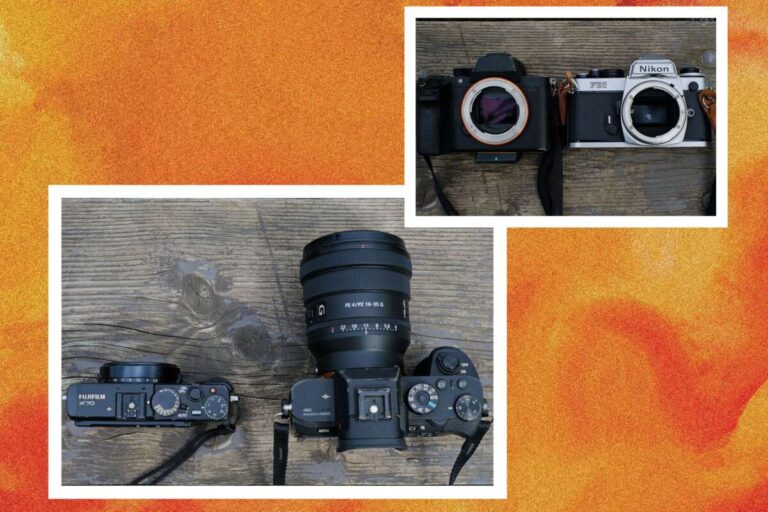
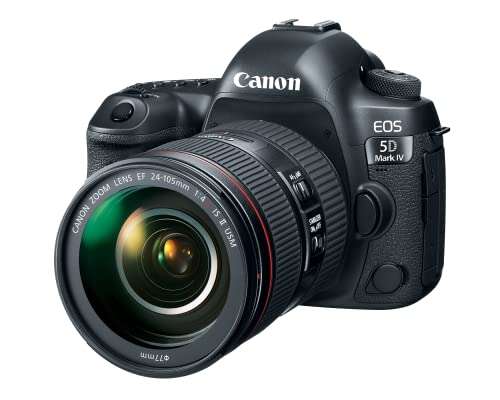
A digital camera captures photos as data, giving you instant previews, easy edits, and flexible creative control.
As a photography tool, a digital camera is special because it combines a light-sensitive sensor, smart processing, removable storage, and instant feedback in one compact system. Understanding what is special about a digital camera helps you choose the right model, use its features well, and take better photos in real life.

What Is Special About a Digital Camera?
What is special about a digital camera is its ability to record an image as digital data instead of exposing chemical film. A digital camera uses an electronic image sensor, usually a CMOS sensor, to turn light into electrical signals. The camera then processes those signals and saves the photo as a file.
This process makes photography faster and more flexible. You can take a picture, view it within seconds, and decide whether to keep it. With film, you must wait for development before you know if the exposure and focus were correct.
A digital camera also gives you direct control over several key settings:
• ISO controls the sensor’s sensitivity to light.
• Shutter speed controls how long the sensor gathers light.
• Aperture controls the lens opening and depth of field.
• White balance helps colors look natural under different light sources.
• Autofocus helps the camera find and track your subject.
Together, these features make a digital camera more than a simple picture-taking device. It is a small computer, light meter, recorder, and creative tool.

How Does a Digital Camera Work?
A digital camera begins with light. Light enters through the lens and reaches the image sensor. Millions of tiny sensor sites measure the amount of light, while color filters help the camera record red, green, and blue information.
The camera’s processor then combines this information into an image. It may apply sharpening, noise reduction, color correction, and other adjustments before saving the file. In many cameras, you can choose between JPEG and RAW formats.
JPEG files
JPEG files are processed inside the camera. They are smaller, easy to share, and ready to post or print. They work well for family photos, travel pictures, and everyday use.
RAW files
RAW files keep much more original image data. They are larger and require editing software, but they provide greater control over highlights, shadows, white balance, and color.
A useful way to think about this process is to compare the sensor to a blank canvas. The lens brings the light, the sensor records it, and the processor helps turn the raw information into a finished picture.
The Main Features That Make Digital Cameras Special
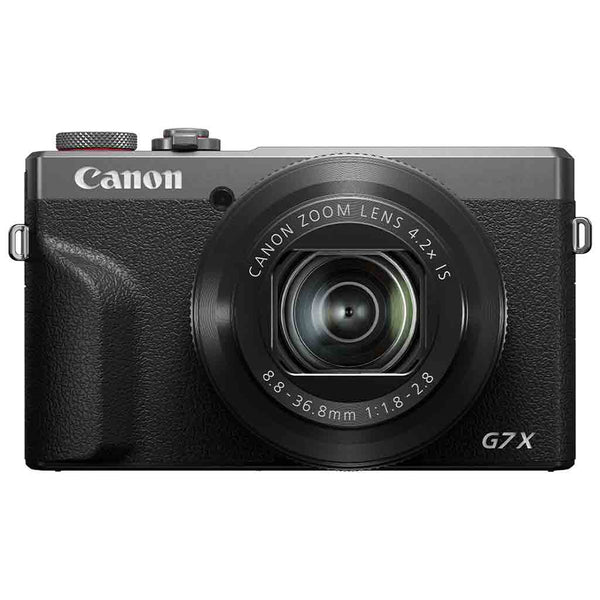
What is special about a digital camera becomes clearer when you examine its main features. These features improve speed, image quality, control, and convenience.
Instant image review
The rear screen or electronic viewfinder lets you check a photo at once. You can look for closed eyes, motion blur, poor focus, or unwanted objects in the frame.
This instant feedback is one of the biggest advantages of digital photography. It helps you learn from mistakes while you are still in the moment.
High image quality
Modern digital cameras can produce sharp images with rich color and wide dynamic range. Larger sensors often perform better in low light and create stronger background blur.
Image quality also depends on the lens, lighting, focus, camera technique, and editing. More megapixels alone do not guarantee a better image.
Manual control
A digital camera can work in full automatic mode, but it can also give you detailed manual control. You can brighten a dark scene, freeze fast action, or create smooth motion blur.
Manual control is valuable because it lets you make creative choices instead of accepting the camera’s guess.
Interchangeable lenses
Many mirrorless and DSLR cameras accept different lenses. A wide-angle lens can capture landscapes or interiors, while a telephoto lens can bring distant subjects closer.
Prime lenses often provide a wide aperture and strong image quality. Zoom lenses offer convenience and flexibility, especially during travel or events.
Fast shooting
Digital cameras can capture several frames per second. This helps when photographing sports, pets, children, birds, or other moving subjects.
A fast burst mode does not replace good timing, but it gives you more chances to capture the right expression or movement.
Video recording
Most current digital cameras can record high-definition or 4K video. Some models also offer microphone inputs, headphone monitoring, image stabilization, and advanced color settings.
This makes one camera useful for still photography, video, interviews, online content, and family memories.
Wireless sharing
Wi-Fi and Bluetooth allow many cameras to connect with a smartphone. You can transfer images, add location data, control the camera remotely, or share photos more quickly.
Wireless features are convenient, but they may use extra battery power. I usually turn them off after transferring files.
Digital Camera Benefits for Everyday Photography
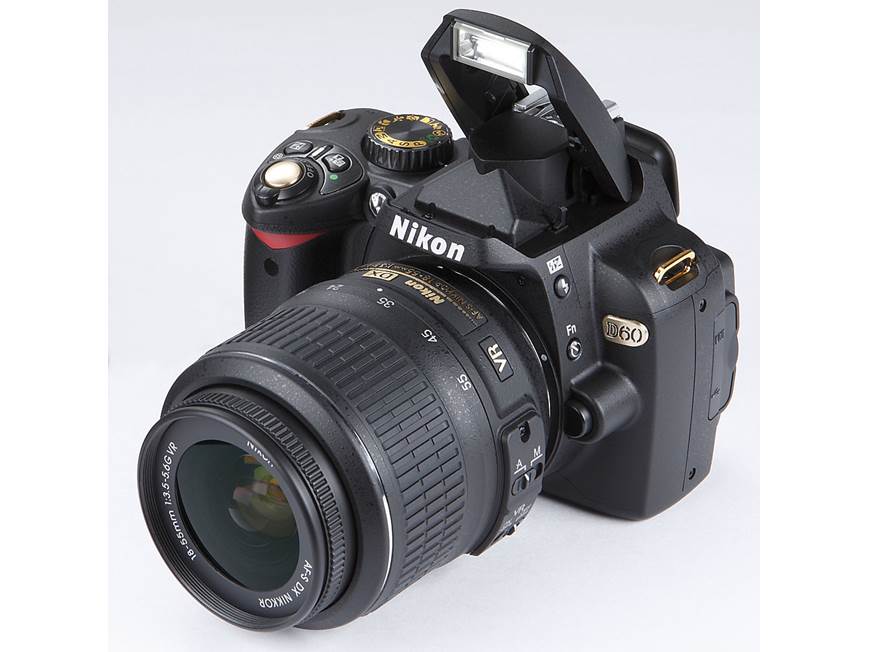
What is special about a digital camera is not limited to professional photography. Its benefits also matter in daily life.
• You can take hundreds or thousands of photos without buying film.
• You can delete poor images before printing or sharing them.
• You can copy files to a computer, phone, or cloud service.
• You can edit color, brightness, crop, and contrast without changing the original file.
• You can print images in many sizes.
• You can reuse memory cards after transferring your files.
• You can adjust the camera for portraits, landscapes, sports, night scenes, and close-ups.
Digital photography also makes learning easier. A beginner can change one setting, take a photo, and immediately see the result. This creates a quick learning cycle that film photography cannot match.
There is also a practical benefit for families and small businesses. A digital camera can document events, products, property, travel, and personal projects with consistent results.
Digital Camera vs. Smartphone Camera
Smartphones are powerful, but a dedicated digital camera still has several advantages. The largest difference is usually sensor size. A larger sensor can gather more light and produce cleaner images, especially in dark conditions.
A dedicated camera also tends to offer:
• Better physical controls.
• Stronger optical zoom.
• More reliable continuous autofocus.
• Greater lens choice.
• Better handling with large lenses.
• Longer battery life during extended shooting.
• More control over RAW files and exposure.
Smartphones remain excellent for convenience. They are always available, use computational photography, and make sharing simple. For casual photos, a phone may be all you need.
The right choice depends on your goal. If you value speed and convenience, use a smartphone. If you want stronger control, better lenses, and improved performance in demanding conditions, a digital camera is often the better tool.

Digital Camera vs. Film Camera
Film cameras create images by exposing light-sensitive film. The film must then be developed and scanned or printed. Digital cameras record images electronically and store them on a memory card.
Digital cameras are usually more convenient because they offer:
• Instant previews.
• Lower cost per photo after purchase.
• Easy file storage and backup.
• Fast editing and sharing.
• Flexible ISO settings from one shot to the next.
• Simple video recording.
Film still has a unique look and a slower creative process. Some photographers enjoy its grain, color response, and physical nature. Film can also encourage careful composition because each exposure has a direct cost.
Neither format is automatically better. The best choice depends on your style, budget, workflow, and interest in the process.

Why Sensor Size Matters
The image sensor is one of the most important parts of a digital camera. Common sensor sizes include full frame, APS-C, Micro Four Thirds, and smaller sensors used in compact cameras.
A larger sensor can offer:
• Better low-light performance.
• Less digital noise at higher ISO settings.
• More control over background blur.
• Greater dynamic range in many situations.
A smaller sensor can offer important benefits too. Cameras with smaller sensors are often lighter, less expensive, and easier to carry. Their greater depth of field can also help in travel, street, and documentary photography.
Megapixels describe image resolution, not total image quality. A 24-megapixel camera can produce excellent photos, while a camera with more pixels may struggle if it has a weak lens, poor autofocus, or excessive noise.
The Role of Computational Photography
Modern digital cameras increasingly use software to improve images. The camera may analyze the scene, recognize a face or animal, reduce noise, and combine multiple exposures.
Computational tools can help with:
• Face and eye detection.
• Subject tracking.
• HDR images.
• Focus stacking.
• Noise reduction.
• In-camera lens correction.
• Automatic panorama creation.
Smartphones rely heavily on computational photography, but mirrorless and compact cameras also use advanced processing. These tools are useful, yet they have limits. Strong processing may create unnatural detail, smooth skin too much, or remove texture from fine subjects.
I have learned to treat automatic processing as a helpful assistant, not a replacement for good light and careful composition.
Limitations of Digital Cameras
What is special about a digital camera should be considered alongside its limitations. Digital cameras offer major advantages, but they are not perfect.
Cost
A camera body is only one part of the system. You may also need lenses, batteries, memory cards, a bag, a tripod, and editing software.
Learning curve
Automatic modes are simple, but manual exposure, autofocus settings, and RAW editing take practice. Beginners may feel overwhelmed by menus and controls.
Battery use
Electronic screens, autofocus motors, image stabilization, and wireless connections consume power. Carrying a spare battery is wise during travel or long events.
File management
Digital images can quickly fill a memory card or hard drive. Without a backup plan, a damaged card or lost device could erase important memories.
Maintenance
Lenses and sensors can collect dust. Cameras should be stored in a dry, protected place and handled carefully in rain, sand, or extreme temperatures.
Technology changes
New models appear often. This can create pressure to upgrade even when an existing camera still meets your needs. A newer camera may offer improvements, but better technique often creates a larger difference than a new body.
Practical Tips for Using a Digital Camera
If you want to understand what is special about a digital camera, spend time using its controls instead of leaving everything on automatic mode.
Try this simple process:
-
Set the camera to aperture priority mode.
-
Choose a moderate ISO, such as ISO 100 or 200 in bright light.
-
Take the same photo at several apertures.
-
Review the background blur and sharpness.
-
Try a faster shutter speed for movement.
-
Increase ISO in a darker setting.
-
Compare the results on a larger screen.
Keep an eye on highlights. Bright clouds, white clothing, and reflective surfaces can lose detail when they become overexposed. The histogram can help you judge brightness more accurately than the screen alone.
Use autofocus thoughtfully. Single-point autofocus works well for still subjects, while continuous autofocus is useful for movement. Eye detection can help with portraits, but it should not stop you from checking focus yourself.
One mistake I often see is spending too much time choosing equipment and too little time making photos. A basic camera used regularly will teach you more than an expensive camera that stays in a bag.
How to Protect and Back Up Digital Photos
A digital camera creates files, so file care is part of photography. Do not keep your only copy on the memory card.
A simple backup plan includes:
• Copying photos to a computer after each important shoot.
• Keeping a second copy on an external drive.
• Storing another copy in secure cloud storage.
• Formatting the memory card in the camera after files are safely backed up.
• Using separate cards for important events when possible.
Avoid deleting images while the camera is writing files. Also, replace damaged or unreliable memory cards instead of trusting them with valuable photos.
For travel, carry a card reader or spare cable. If you take photos at a wedding, vacation, or once-in-a-lifetime event, backup planning is just as important as camera settings.
Choosing the Right Digital Camera
The best digital camera depends on how and where you plan to use it. Start with your needs instead of choosing based only on brand or megapixel count.
Consider these questions:
• Will you mainly photograph people, landscapes, sports, wildlife, or products?
• Do you need interchangeable lenses?
• Is a small body important for travel?
• Will you record video?
• Do you need strong low-light performance?
• What is your complete budget, including lenses?
• Are used cameras acceptable?
A beginner may prefer an entry-level mirrorless camera with a kit lens. A traveler may value a compact camera with a built-in zoom. A sports photographer may need fast autofocus and a high burst rate.
Read independent reviews, compare sample images, and handle the camera before buying when possible. Comfort matters. A camera that feels natural in your hands is more likely to be used often.
Frequently Asked Questions About What Is Special About a Digital Camera
What is the most special feature of a digital camera?
The most special feature is instant digital capture and review. You can take a photo, inspect it, edit it, and share it without developing film.
Are digital cameras better than phone cameras?
Digital cameras are often better for lens choice, manual control, low-light work, and fast moving subjects. Phone cameras are usually better for convenience, automatic processing, and instant sharing.
What makes a digital camera different from a film camera?
A digital camera records light with an electronic sensor and saves the image as a file. A film camera records light on chemical film, which must be developed before the image can be viewed.
Do more megapixels mean better photos?
Not always. Megapixels affect resolution, but lens quality, sensor performance, lighting, focus, and technique also determine image quality.
Can a digital camera take video?
Yes. Most modern mirrorless, DSLR, and many compact digital cameras can record video. Features vary by model and may include 4K recording, stabilization, microphone inputs, and subject tracking.
Is a digital camera good for beginners?
Yes. Many digital cameras offer automatic modes for easy use and manual controls for future learning. A beginner can start simply and gradually explore exposure, lenses, and composition.
How long does a digital camera last?
A digital camera can last for many years when stored and maintained properly. Its useful life depends on build quality, shutter use, battery health, firmware support, and physical care.
Conclusion
What is special about a digital camera is the freedom it gives you. It captures light as flexible data, provides instant feedback, supports creative control, and works with many lenses and accessories.
A smartphone may be ideal for quick snapshots, while a dedicated digital camera can offer better handling, stronger optical performance, and more control when the scene becomes difficult. Start with the camera you can afford and carry, learn one setting at a time, and back up every important photo.
Explore different camera types, practice in real situations, and share your photography goals or questions in the comments.

Everett Ashford is a tech reviewer at mytechgrid.com specializing in SSDs, cameras, TVs, earbuds, headphones, and other consumer electronics. He provides honest, data-driven reviews based on hands-on testing and real-world performance analysis. Everett simplifies complex tech details to help readers make smart, confident buying decisions.