Most people use a smartphone camera, with Apple iPhone and Samsung Galaxy leading everyday digital photography.
So, what is the digital camera everyone uses? The simplest answer is a smartphone. Modern phones combine a small digital camera, fast image processing, and easy sharing in one device that most people already carry. This guide explains why smartphone cameras dominate, which models are most common, and when a dedicated camera still makes sense.
What is the digital camera everyone uses?
The digital camera everyone uses is usually the camera inside a smartphone. It may be an iPhone, Samsung Galaxy, Google Pixel, or another Android phone. These cameras are popular because they are always nearby and need almost no setup.
A smartphone camera records light with an electronic image sensor. It then uses software to improve color, sharpness, exposure, and detail. This process can make a small lens produce a strong photo in many settings.
When people ask what is the digital camera everyone uses, they may expect one exact model. However, there is no single camera owned by everyone. The answer depends on the country, age group, budget, and mobile platform.
In the United States, iPhones are highly common, while Samsung Galaxy phones are also major choices. Google Pixel phones have a smaller share but are well known for excellent computational photography.

Why smartphone cameras became so popular
Smartphone cameras replaced many compact point-and-shoot cameras because they solve several problems at once. You do not need to carry a second device, buy extra storage, or learn complex controls before taking a picture.
A phone also connects the camera to the rest of your digital life. You can take a photo, edit it, send it, and post it within seconds.
The main reasons people choose smartphone cameras include:
• Convenience: The phone is usually already in your hand or pocket.
• Simple controls: Most users can point, tap, and take a clear photo.
• Instant sharing: Photos can go straight to text messages, social media, or email.
• Automatic editing: Software can fix exposure, color, and shadows.
• Video features: Most current phones record high-quality video.
• Lower extra cost: The camera comes with a device many people already own.
The answer to what is the digital camera everyone uses is therefore linked to habit. People tend to use the tool that is close, quick, and familiar. A professional camera may create better files, but a phone often captures more real moments because it is easier to access.
The most common smartphone camera brands
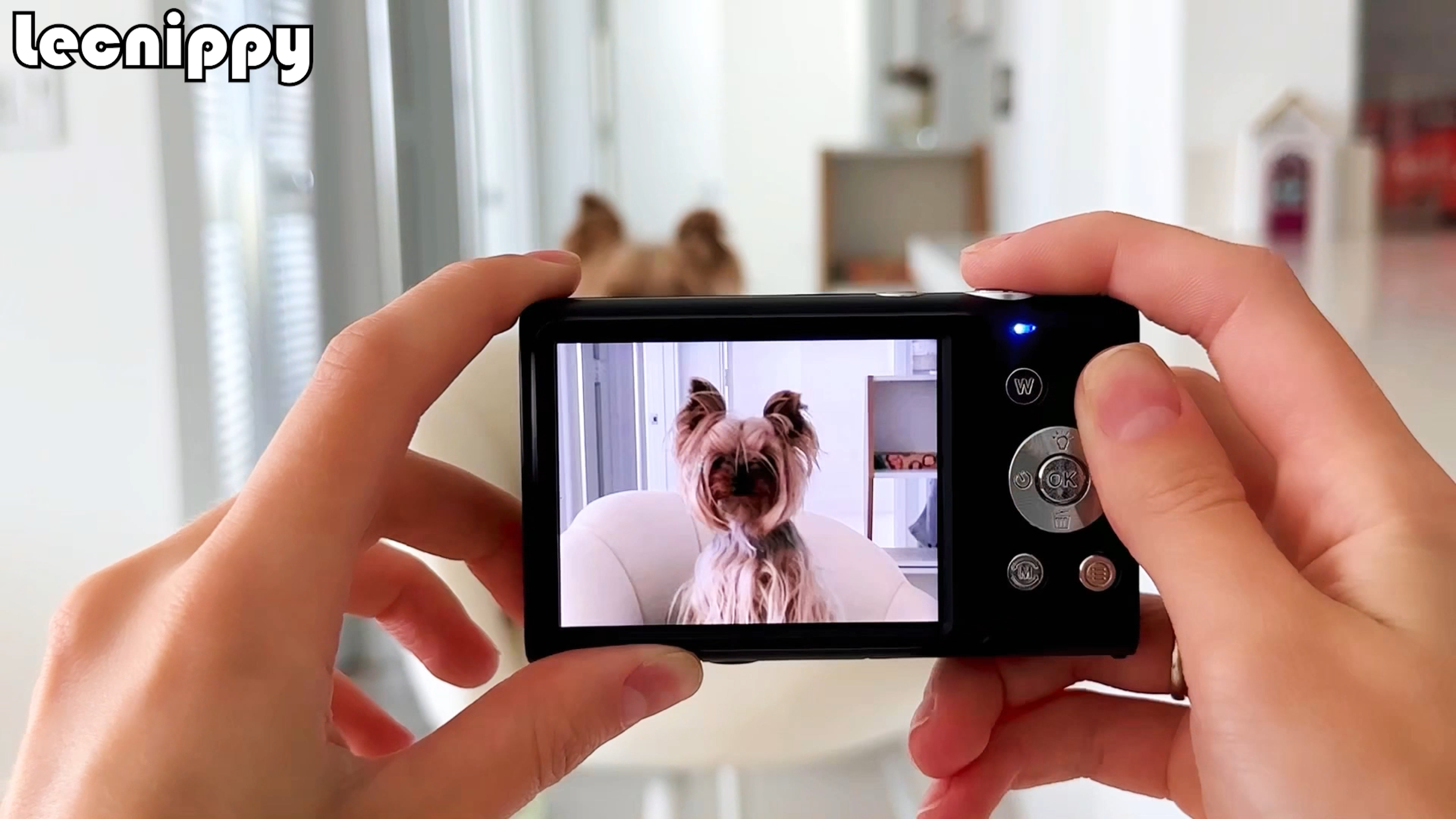
The digital camera everyone uses is not one universal product. It is a group of smartphone camera systems led by several major brands.
Apple iPhone
The iPhone is one of the most recognized smartphone cameras in the United States. Recent models offer strong color, reliable exposure, portrait effects, night photography, and high-quality video.
Apple also makes photo sharing simple through its built-in apps and ecosystem. Many users like the consistent look between photos taken in different lighting conditions.
The standard iPhone is enough for most people. Pro models add features such as longer telephoto reach, ProRAW files, and more advanced video controls.
Samsung Galaxy
Samsung Galaxy phones are popular for their bright displays, flexible cameras, and strong zoom options. Many models include wide, ultrawide, and telephoto cameras.
Samsung often gives photos a vivid look. That style can make skies, food, and travel scenes appear bright and dramatic. Some users love this look, while others prefer more natural colors.
Google Pixel
Google Pixel phones are known for image processing. They often produce clear photos with strong detail and balanced exposure, even when the lighting is difficult.
Pixel models also offer useful tools for removing distractions, improving faces, and handling night scenes. Their camera hardware may differ from larger flagship phones, but software helps close the gap.
Other Android brands
Brands such as OnePlus, Xiaomi, Motorola, Sony, and Oppo also make capable camera phones. Their availability varies by region, and their strengths differ.
Some focus on value. Others focus on zoom, fast charging, manual controls, or large sensors. This variety means the answer to what is the digital camera everyone uses can change from one market to another.

How smartphone cameras compare with DSLR and mirrorless cameras
A smartphone camera is small, smart, and easy to use. A DSLR or mirrorless camera is larger but offers more control and stronger image quality in many demanding situations.
The biggest difference is the image sensor. A dedicated camera usually has a larger sensor, which can capture more light. More light can mean less noise, better detail, and a softer background.
Dedicated cameras also accept interchangeable lenses. You can use a wide lens for landscapes, a macro lens for close subjects, or a long telephoto lens for sports and wildlife.
Here is a simple comparison:
| Feature | Smartphone camera | DSLR or mirrorless camera |
|---|---|---|
| Portability | Excellent | Moderate to low |
| Ease of use | Very easy | Requires more learning |
| Lens choice | Limited built-in lenses | Wide range of lenses |
| Low-light quality | Good to very good | Often excellent |
| Zoom quality | Good on premium phones | Excellent with the right lens |
| File control | Limited to advanced options | Strong RAW and manual control |
| Sharing speed | Immediate | Usually requires transfer |
| Cost | Included with phone | Camera and lenses cost more |
The digital camera everyone uses is usually the best choice for daily life. A dedicated camera becomes more useful when you need precise control, strong zoom, fast action performance, or professional print quality.

Why phone photos look better than expected
A smartphone camera uses computational photography. This means the phone captures and combines information with software instead of relying only on the lens and sensor.
For example, a phone may take several exposures in a fraction of a second. It can then combine bright and dark areas into one balanced image. This is often called high dynamic range, or HDR.
Modern phones may also use:
• Noise reduction to smooth dark areas.
• Sharpening to make edges look clearer.
• Face detection to improve skin tones and focus.
• Night processing to brighten low-light scenes.
• Portrait blur to separate a person from the background.
• Image stabilization to reduce camera shake.
This technology explains why the digital camera everyone uses can produce impressive results despite its tiny lens. The phone is not just taking a picture. It is making many fast decisions before you see the final image.
Still, processing has limits. Heavy editing may create fake-looking skin, halos around subjects, or lost detail in shadows. A photo can look bright and clean on a phone screen but show flaws when printed large.

What to look for when choosing a camera phone
If you want the digital camera everyone uses for your own needs, focus on practical features rather than megapixels alone. A high megapixel number does not guarantee a better photo.
Sensor and lens quality
A larger main sensor often helps in low light. A wide aperture can also let in more light and create a softer background.
Image stabilization
Optical image stabilization helps reduce blur from hand movement. It matters when you shoot at night, indoors, or while recording video.
Telephoto performance
A real telephoto lens usually performs better than digital zoom. Look for optical zoom if you often photograph concerts, sports, pets, or distant subjects.
Video quality
Check whether the phone offers stable 4K video, good microphones, and reliable autofocus. Video quality can vary even between phones with similar photo ratings.
Color and skin tones
Read reviews that include people, indoor scenes, and mixed lighting. A camera may look excellent in bright daylight but struggle with faces under artificial lights.
Storage and battery
High-resolution photos and 4K video use a lot of storage. A phone with limited space may become frustrating if you take many pictures.
Before buying, compare real sample images. Camera specifications tell part of the story, but actual photos show the full result.

How to take better photos with the camera you already have
You do not need the latest phone to improve your photography. Good light, clean lenses, and careful framing often matter more than a new model.
Try these simple steps:
-
Clean the lens with a soft cloth. Fingerprints can make every photo look hazy.
-
Tap your subject on the screen. This helps the camera set focus and exposure where you want them.
-
Move closer when possible. Digital zoom often reduces detail.
-
Use window light indoors. Soft daylight usually looks better than a bright ceiling lamp.
-
Keep the phone steady. Hold it with both hands or rest it on a firm surface.
-
Avoid extreme backlight unless you want a silhouette.
-
Turn on grid lines. They can help you keep horizons straight.
-
Use portrait mode with care. It works best when the subject is separated from the background.
-
Leave some space around moving subjects. This makes action photos feel less cramped.
-
Back up your photos. A lost phone should not mean lost memories.
One mistake I often see in hands-on camera testing is overusing zoom. People pinch the screen because it feels easy, but moving closer or using a true telephoto lens usually creates a cleaner image.
Another common mistake is trusting the screen too much. Review important photos at full size and check faces, eyes, and bright areas before deleting the originals.

When a dedicated digital camera is a better choice
Although the digital camera everyone uses is usually a smartphone, a dedicated camera still offers important benefits.
You may prefer a mirrorless or DSLR camera if you:
• Photograph weddings, sports, wildlife, or events.
• Need strong background blur.
• Make large prints.
• Work in very low light.
• Want full manual control.
• Use several different lenses.
• Need reliable tracking autofocus.
• Plan to edit RAW files in detail.
Mirrorless cameras are now the main choice for many serious photographers. They are often smaller than DSLRs and provide electronic viewfinders, fast autofocus, and advanced video tools.
A dedicated camera also changes how you work. It slows you down in a useful way. You think about the lens, shutter speed, aperture, and composition before pressing the button.
That extra effort is not always needed. For a family trip, a smartphone may be more practical. For a paid photo session, a dedicated camera may give you the control and file quality your client expects.
The limits of the digital camera everyone uses
The digital camera everyone uses is convenient, but it is not perfect. Small phone sensors and tiny lenses still face physical limits.
Common weaknesses include:
• Detail loss at high digital zoom.
• Motion blur in dark rooms.
• Artificial-looking portrait effects.
• Overprocessed faces and skies.
• Limited control over depth of field.
• Reduced quality after social media compression.
• Battery drain during long video sessions.
Phone cameras also encourage people to take many photos without organizing them. A full camera roll can become difficult to search and protect.
Privacy is another concern. Photos may contain location data, faces, documents, or private details in the background. Review your sharing and backup settings, especially when using cloud storage.
The best approach is to understand the tool. A smartphone can create excellent images, but it cannot replace every type of camera. Knowing its limits helps you choose the right device and avoid disappointment.
What camera do most professional photographers use?
Many professional photographers use mirrorless cameras because they offer strong image quality, fast autofocus, interchangeable lenses, and high-quality video. Some still use DSLRs, film cameras, or smartphones for specific jobs.
The right choice depends on the work. A photojournalist may carry a mirrorless camera, while a content creator may use a smartphone for fast social posts.
Is an iPhone the digital camera everyone uses?
No. The iPhone is one of the most common smartphone cameras, but many people use Samsung Galaxy, Google Pixel, and other Android phones.
The exact market leader changes by country and year. Smartphone shipment reports and operating system data can show broad trends, but they do not prove that one camera is used by every person.
Are smartphone cameras better than digital cameras?
Smartphone cameras are better for convenience, automatic processing, and quick sharing. Dedicated cameras are often better for lens choice, low-light work, sports, wildlife, and large prints.
Neither type wins in every situation. The best camera is the one that fits your subject, skill level, and daily habits.
Frequently Asked Questions About What Is the Digital Camera Everyone Uses
What is the most commonly used digital camera?
The smartphone camera is the most commonly used digital camera type. Apple iPhone and Samsung Galaxy models are among the most widely recognized examples, although usage varies by region.
Why do people use phone cameras instead of regular cameras?
People use phone cameras because they are small, fast, and always available. They also make it simple to edit, store, and share photos without extra equipment.
What is the best smartphone camera for everyday photos?
The best choice depends on your budget and phone preference. Current iPhone, Samsung Galaxy, and Google Pixel models all produce strong everyday photos, so compare color, zoom, battery life, and video features.
Do megapixels matter on a smartphone camera?
Megapixels matter, but they are only one part of image quality. Lens quality, sensor size, image processing, stabilization, and lighting often have a greater effect on the final photo.
Is a digital camera better than an iPhone?
A dedicated digital camera is usually better for manual control, interchangeable lenses, action, and large prints. An iPhone is often better for convenience, quick sharing, and casual photography.
Can a smartphone replace a DSLR?
A smartphone can replace a DSLR for many casual photos, travel shots, family moments, and social media videos. It may not replace a DSLR or mirrorless camera for professional sports, wildlife, studio work, or demanding low-light scenes.
Conclusion
The answer to what is the digital camera everyone uses is simple: for most people, it is the smartphone camera. iPhones, Samsung Galaxy phones, Google Pixel devices, and other Android models make photography quick, portable, and easy to share.
A phone is not automatically better than a DSLR or mirrorless camera. It is simply the tool most people have with them. Choose a phone for convenience, or choose a dedicated camera when you need greater control, stronger lenses, and higher image quality.
Start by learning the camera you already own. Clean the lens, use better light, avoid unnecessary zoom, and practice your framing. Then compare current phone and camera models before spending money, and share your favorite photography tips or questions in the comments.
Everett Ashford is a tech reviewer at mytechgrid.com specializing in SSDs, cameras, TVs, earbuds, headphones, and other consumer electronics. He provides honest, data-driven reviews based on hands-on testing and real-world performance analysis. Everett simplifies complex tech details to help readers make smart, confident buying decisions.