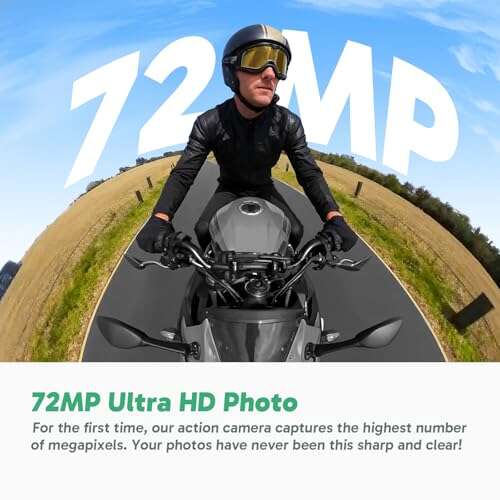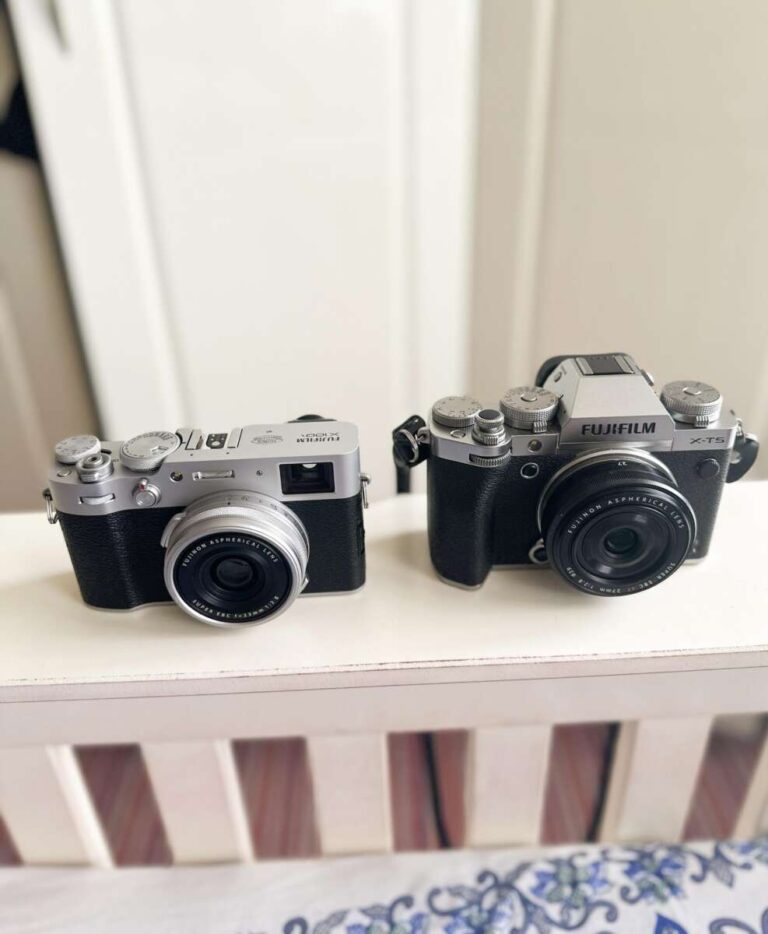
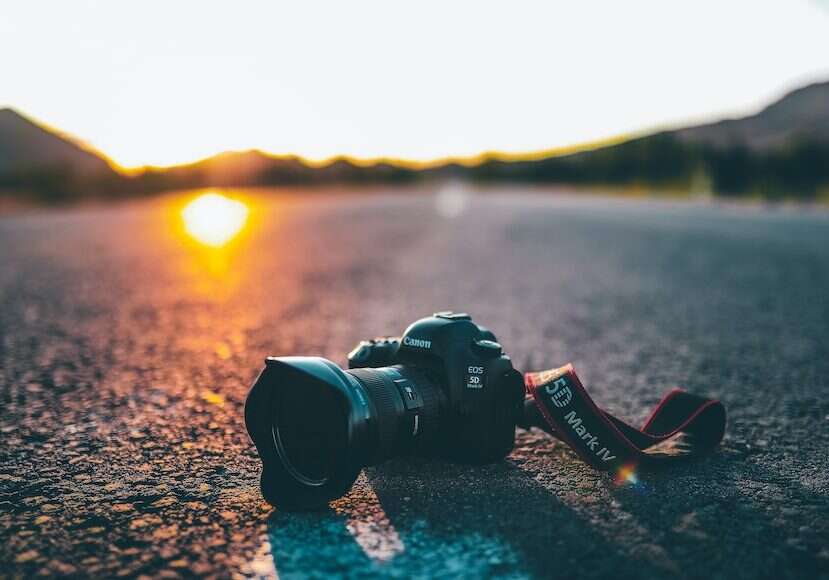
Most DSLR cameras have 12 to 36 megapixels, while modern models can reach 60 megapixels or more.
Understanding what is the megapixel of DSLR camera helps you compare image resolution, print size, crop ability, and storage needs. Megapixels matter, but they are only one part of image quality. Sensor size, lens quality, autofocus, lighting, and your shooting skill can matter just as much.
What Is the Megapixel of a DSLR Camera?
A megapixel equals one million pixels. A pixel is a tiny point of color and light that forms part of a digital image.
The megapixel count of a DSLR camera shows the total number of pixels captured by its image sensor. For example, a 24-megapixel DSLR creates an image with about 24 million pixels.
The answer to what is the megapixel of DSLR camera is not one fixed number. DSLR cameras come with different resolutions based on their design, age, sensor size, and intended use.
Common DSLR resolutions include:
• 10 to 16 megapixels in older entry-level DSLR cameras
• 18 to 24 megapixels in many beginner and mid-range models
• 26 to 36 megapixels in advanced full-frame cameras
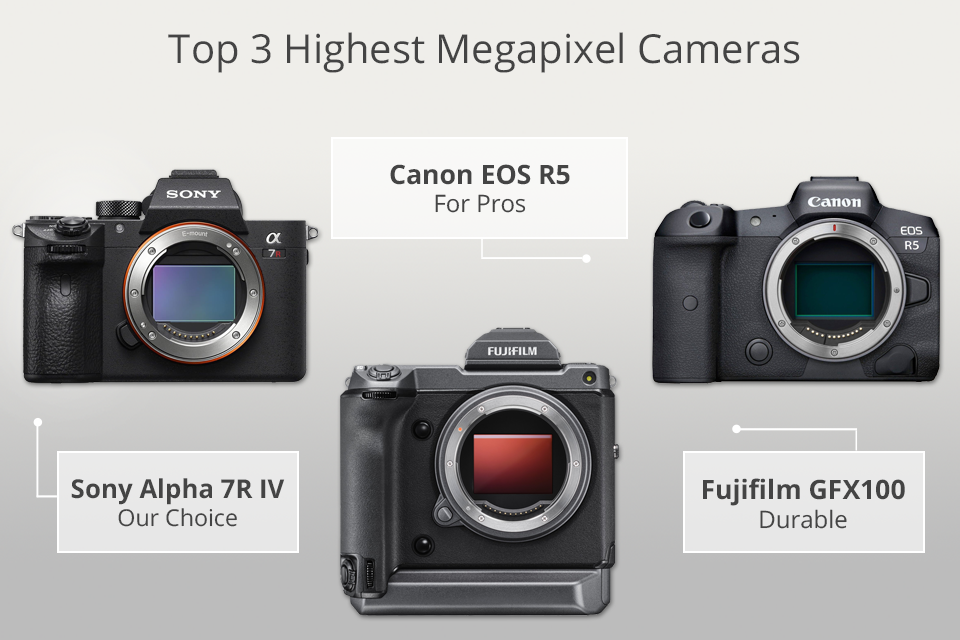
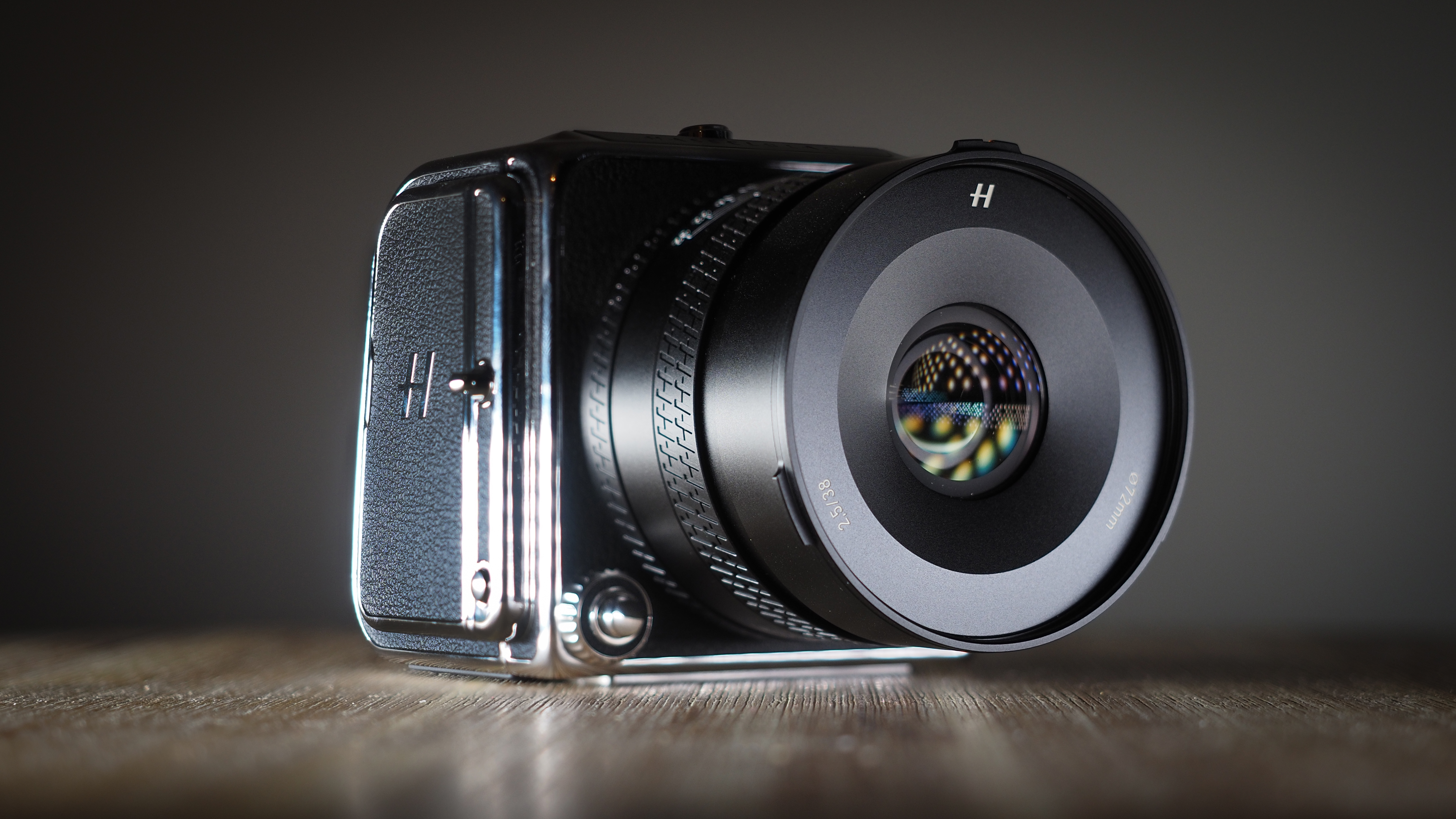
• 40 to 60 megapixels in some high-resolution professional cameras
A 24-megapixel camera may produce a photo around 6,000 pixels wide by 4,000 pixels tall. The exact dimensions depend on the camera’s aspect ratio and image settings.
How DSLR Megapixels Work
A DSLR uses an image sensor to record light. This sensor contains millions of small light-sensitive areas, often called photosites. Each photosite helps build one pixel in the final image.
When you press the shutter button, the mirror inside a traditional DSLR moves up. Light then reaches the sensor. The camera records this light and turns it into a digital image.
A higher megapixel count means the camera records more small details. It is similar to drawing a picture with more tiny dots. More dots can create a sharper and larger image, but they do not automatically make the picture better.
For example, compare these common image sizes:
| Camera resolution | Approximate image size |
|---|---|
| 12 megapixels | 4,288 × 2,848 pixels |
| 18 megapixels | 5,184 × 3,456 pixels |
| 24 megapixels | 6,000 × 4,000 pixels |
| 36 megapixels | 7,360 × 4,912 pixels |
| 45 megapixels | 8,256 × 5,504 pixels |
These figures can vary by camera model. Cropping, image format, and camera settings also affect the final file size and dimensions.
Learning what is the megapixel of DSLR camera becomes easier when you think of megapixels as the size of the digital canvas. They describe resolution, not the full artistic or technical quality of the photo.
What Is a Good Megapixel Count for a DSLR?
For most people, 20 to 24 megapixels is a very good range. It gives enough detail for social media, albums, large prints, portraits, travel photos, and many professional jobs.
A 24-megapixel DSLR can create a high-quality print at 300 pixels per inch at roughly 20 by 13 inches. You can often print larger when viewing distance increases.
Your ideal megapixel count depends on how you use the camera:
• beginners usually do well with 18 to 24 megapixels.
• Travel photographers often prefer 20 to 30 megapixels for detail and flexible cropping.
• Portrait photographers may choose 24 to 45 megapixels.
• Wildlife photographers can benefit from higher resolution because they often crop distant subjects.
• Product and studio photographers may prefer 36 megapixels or more.
• Wedding photographers often value balanced file sizes and reliable performance over extreme resolution.
• Landscape photographers may appreciate high resolution for large prints and fine textures.
The best answer to what is the megapixel of DSLR camera for you depends on your work. A 24-megapixel camera is not “less professional” than a 45-megapixel camera. It may simply offer a better balance for your needs.

Does More Megapixels Mean Better Photo Quality?
More megapixels can improve detail, but they do not guarantee better photo quality. A camera with a smaller sensor and poor lens may produce a weaker image than a lower-megapixel camera with a better sensor and lens.
Image quality also depends on:
• Sensor size
• Lens sharpness
• Lighting
• Dynamic range
• Autofocus accuracy
• Shutter speed
• ISO performance
• Image processing
• Photographer technique
A useful analogy is a bucket. Megapixels describe how many drops the bucket can hold, but the sensor quality determines how clean those drops are. A camera may have many pixels but still create noisy images in poor light.
High megapixel cameras also reveal mistakes more clearly. Slight camera shake, missed focus, dust, and soft lenses become easier to see when you view the image at full size.
When explaining what is the megapixel of DSLR camera, it is important to avoid the common sales mistake of treating pixel count as the only measure of quality. Resolution is useful, but it is not the whole story.
DSLR Megapixels and Sensor Size
Sensor size has a major effect on image quality. Most DSLR cameras use either an APS-C sensor or a full-frame sensor.
APS-C sensors are smaller. Full-frame sensors are larger and usually offer better control over noise, depth of field, and wide-angle photography. However, technology and camera design also play important roles.
Two cameras may have the same 24-megapixel count but different pixel sizes. A full-frame 24-megapixel sensor spreads those pixels over a larger area than an APS-C 24-megapixel sensor. This can help the full-frame camera collect more light per pixel under some conditions.
This does not mean every full-frame photo will look better. A skilled photographer with an APS-C DSLR and a sharp lens can produce excellent results.
Here is a simple comparison:
| Feature | APS-C DSLR | Full-frame DSLR |
|---|---|---|
| Sensor size | Smaller | Larger |
| Typical use | Travel, sports, beginners | Portraits, landscapes, professional work |
| Camera body cost | Often lower | Often higher |
| Lens reach | Helpful for distant subjects | Better for wide views |
| Low-light potential | Good | Often stronger |
The question what is the megapixel of DSLR camera should always be considered alongside sensor size. Pixel count alone cannot describe the complete imaging system.
DSLR Megapixels and Cropping
High resolution gives you more room to crop. This is useful when you cannot move closer to your subject.
Suppose you photograph a bird from far away with a 36-megapixel camera. You may crop the image and still have enough pixels for a clear online image or medium-sized print. A 12-megapixel image may lose more detail after the same crop.
Cropping helps in many situations:
• Wildlife photography
• Sports photography
• Street photography
• Concert photography
• Real estate photography
• Macro photography
• Family events
However, cropping cannot create detail that the lens never captured. A blurry or heavily compressed photo will not become sharp just because the original file had many megapixels.
A tripod, fast shutter speed, good focus, and a quality lens can improve the result more than upgrading from 24 to 36 megapixels. This is one of the most useful lessons for anyone researching what is the megapixel of DSLR camera.

How Many Megapixels Do You Need for Printing?
Print size is one of the clearest ways to understand megapixels. Printers use pixels per inch, or PPI, to determine how much detail appears in a physical image.
At about 300 PPI, common print sizes include:
• 12 megapixels: approximately 13 × 9 inches
• 18 megapixels: approximately 17 × 11 inches
• 24 megapixels: approximately 20 × 13 inches
• 36 megapixels: approximately 24 × 16 inches
These are approximate figures. You can print larger images successfully because people view large posters from farther away. A billboard does not need the same pixel density as a small photo book.
For online use, even a modest DSLR resolution is usually enough. Websites and social platforms often resize and compress images. A 12-megapixel photo can look excellent on a phone or laptop screen.
If your main goal is large gallery prints, detailed landscapes, or commercial work, a higher megapixel DSLR may be helpful. If you mostly share photos online, buying the highest resolution camera may not provide a visible benefit.
Advantages of a High-Megapixel DSLR Camera
High-resolution DSLR cameras offer several practical benefits. They are especially useful for photographers who need detail, cropping space, or large prints.
More detail
A higher pixel count can record fine textures in feathers, fabric, buildings, leaves, and artwork. This detail is valuable when the image is viewed at a large size.
Better cropping flexibility
More pixels allow you to remove unwanted areas while keeping a usable image. This is useful when your subject is distant or moves quickly.
Larger prints
High-resolution files support bigger prints with strong detail. They are helpful for exhibitions, wall art, advertising, and photo books.
More editing freedom
A larger file gives you more room to straighten, crop, and adjust composition. You can sometimes fix framing mistakes without ruining the image.
Improved downsampling
Reducing a high-resolution image to a smaller size can create a clean and detailed final file. This is useful for web galleries and social media.
Still, the benefits only appear when the photograph is sharp, properly exposed, and supported by a good lens. The answer to what is the megapixel of DSLR camera should include these practical limits.
Limitations of High Megapixel DSLR Cameras
High resolution also brings trade-offs. More pixels are not free. They affect storage, processing, and camera technique.
Common limitations include:
• Larger memory card requirements
• Bigger computer storage needs
• Longer backup times
• More demanding image editing
• Greater visibility of camera shake
• Higher demands on lens sharpness
• Slower workflows with very large RAW files
A 45-megapixel RAW file may take much more space than a 20-megapixel RAW file. If you photograph thousands of images at events, this difference can become significant.
High-resolution sensors can also expose diffraction at narrow apertures. Diffraction is a natural loss of sharpness that can appear when you use very small apertures, such as f/16 or f/22. The effect depends on sensor design, viewing size, and lens conditions.
A careful photographer can manage these limits by using fast shutter speeds, stable support, quality lenses, and an organized backup system.
Megapixels, RAW Files, and JPEG Files
Your DSLR usually lets you save images as JPEG, RAW, or both. The megapixel count applies to the image resolution, but the file type changes how much information the file keeps.
JPEG files are processed inside the camera. They are smaller and ready to share, but they contain less editing information.
RAW files keep more original sensor data. They are larger, but they give you greater control over exposure, white balance, shadows, highlights, and color.
A high-megapixel RAW file can be excellent for professional editing. It can also fill a memory card quickly. For everyday photos, JPEG may be enough. For important work, RAW provides more protection if exposure or color needs correction.
If you are comparing what is the megapixel of DSLR camera, check whether the listed resolution refers to effective pixels. “Effective megapixels” usually describes the pixels used to create the image, while total sensor pixels may include areas used for technical functions.
How to Choose the Right DSLR Megapixel Count
Choosing a camera is easier when you start with your real use rather than a specification sheet.
Follow these steps:
-
Decide how you will share your photos. Online images need far less resolution than large prints.
-
Consider how often you crop. Wildlife and sports photographers may benefit from more megapixels.
-
Check your computer and storage. Make sure your system can handle large RAW files.
-
Compare sensor size. Do not judge a camera by megapixels alone.
-
Review lens choices. A strong lens helps the sensor record its available detail.
-
Test high ISO performance. More pixels do not guarantee cleaner low-light images.
-
Think about your shooting style. A fast, responsive 20-megapixel DSLR may suit action better than a slower high-resolution model.
-
Read independent reviews and sample galleries. Real images can reveal more than a specification list.
A practical buying tip is to spend part of your budget on a good lens, spare battery, memory card, and reliable backup drive. Many new photographers buy the largest megapixel number they can afford, then discover that technique and lighting matter more.
Common Mistakes When Comparing DSLR Megapixels
Many buyers make the same few mistakes when researching what is the megapixel of DSLR camera.
Mistaking resolution for sharpness
A high-resolution image can still be soft because of motion blur or missed focus. Pixel count cannot repair poor technique.
Ignoring the lens
The lens controls how much detail reaches the sensor. A high-megapixel camera with a weak lens may not show its full potential.
Forgetting file size
Large files need more storage and processing power. Plan for memory cards, backups, and editing software.
Comparing different sensor sizes without context
The same megapixel count can behave differently on APS-C and full-frame sensors. Always compare the full camera system.
Buying more resolution than needed
If you only post small images online, an extreme resolution upgrade may not change your results. Better light, composition, and practice may deliver a larger improvement.
A useful real-world lesson is to review your current photos. If you rarely crop, rarely print large images, and have enough detail now, more megapixels may not solve your main problem.
DSLR Megapixels Compared With Mirrorless Cameras
DSLR and mirrorless cameras can have similar megapixel counts. The difference between them is not mainly resolution.
A DSLR uses a mirror and optical viewfinder. A mirrorless camera uses an electronic viewfinder or screen and does not need the same mirror system. Both types can produce high-quality images.
For example, a 24-megapixel DSLR and a 24-megapixel mirrorless camera may create images with similar pixel dimensions. Their results can still differ because of sensor generation, processor, autofocus, lens, and image stabilization.
The megapixel count does not tell you whether a camera is a DSLR or mirrorless model. It only describes image resolution.
This is why the answer to what is the megapixel of DSLR camera should focus on the camera’s model, not just its category. There is no single megapixel standard for every DSLR.
Frequently Asked Questions About What Is the Megapixel of DSLR Camera
What is the average megapixel of a DSLR camera?
Many DSLR cameras offer between 18 and 24 megapixels. Professional and high-resolution models may provide 30 to 60 megapixels or more.
Is a 24-megapixel DSLR good enough?
Yes, 24 megapixels is enough for most users. It supports detailed online images, quality photo books, moderate cropping, and large prints.
Is higher megapixel better for photography?
Higher megapixels can provide more detail, cropping room, and print size. They do not automatically improve low-light performance, focus accuracy, color, or composition.
How many megapixels do I need for professional photography?
Many professional photographers work successfully with 20 to 30 megapixels. Commercial studio, landscape, and fine-art photographers may choose higher resolutions for large prints and heavy cropping.
Can I print a large photo from a 12-megapixel DSLR?
Yes, a 12-megapixel photo can produce a good large print when it is sharp and viewed from a suitable distance. Careful editing and proper print settings also affect the final result.
Do megapixels affect low-light performance?
Megapixels can influence pixel size and image noise, but sensor design, technology, lens aperture, and image processing also matter. A lower-resolution camera is not always better in low light.
Does a high-megapixel camera require a better lens?
A high-resolution sensor can show the strengths and weaknesses of a lens more clearly. A sharp, well-designed lens helps you use the camera’s full resolution.
Conclusion
The answer to what is the megapixel of DSLR camera varies by model, with common DSLR cameras ranging from about 12 to 36 megapixels and some advanced models going higher. Megapixels describe image resolution, but they do not measure every part of image quality.
For most photographers, 20 to 24 megapixels offers an excellent balance of detail, file size, cropping ability, and cost. Choose a higher count when you need very large prints or frequent cropping, and consider sensor size, lens quality, autofocus, and low-light performance at the same time.
Review how you shoot before buying your next camera. Compare real sample images, check your storage needs, and invest in strong technique and good lenses. Explore more photography guides, and share your camera choice or questions in the comments.

Everett Ashford is a tech reviewer at mytechgrid.com specializing in SSDs, cameras, TVs, earbuds, headphones, and other consumer electronics. He provides honest, data-driven reviews based on hands-on testing and real-world performance analysis. Everett simplifies complex tech details to help readers make smart, confident buying decisions.