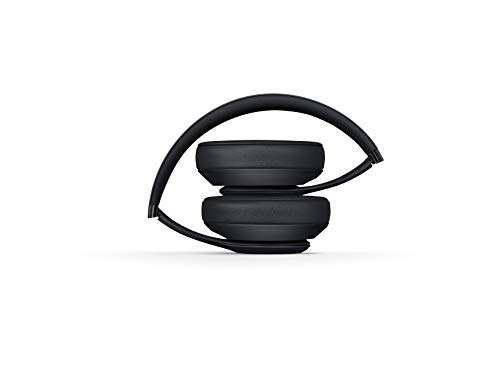
You can build basic active noise cancelling headphones by combining microphones, a DSP, and sealed earcups.
I’ve designed and tested audio gear for years, and I’ll walk you step by step through how to make noise cancelling headphones that actually work. This guide covers the tech behind active noise cancellation, parts and tools you need, a clear DIY build path, tuning tips, testing, safety, and the trade-offs to expect. Whether you want a learning project or a functional pair to use daily, you’ll get practical instructions and real-life advice on how to make noise cancelling headphones with confidence.

How active noise cancellation works
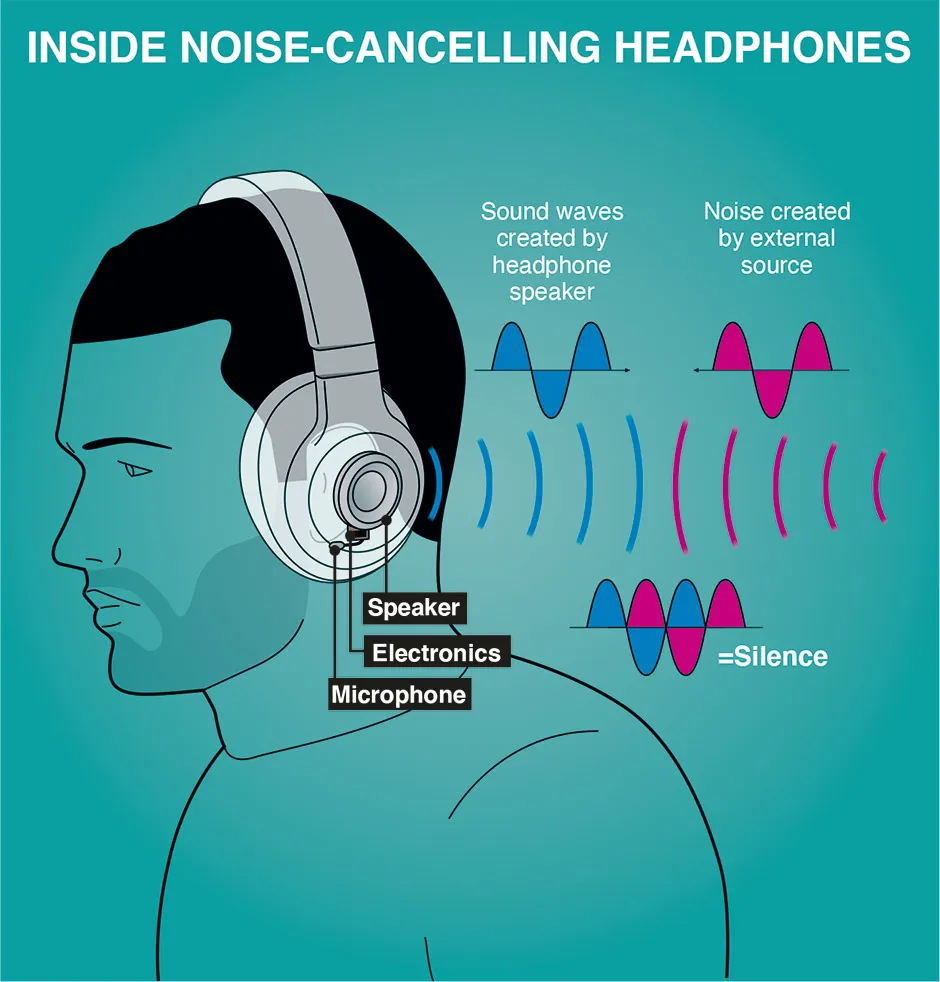
Active noise cancellation (ANC) uses sound to cancel sound. Small microphones pick up outside noise. A digital signal processor (DSP) inverts that noise and plays the inverse back through the drivers. When the inverted wave meets the original, they reduce each other. This works best for steady, low-frequency sounds like airplane engines or HVAC hum.
Key concepts to know:
- Feedforward ANC: Outside microphones sense noise before it reaches your ear.
- Feedback ANC: Internal microphones near the driver measure residual noise and refine cancellation.
- Latency and phase: Low processing delay is crucial so the inverted wave aligns with the noise.
- Passive isolation: Good earcup seals block high frequencies and reduce the workload on ANC.
Understanding these basics makes building reliable headphones easier when you learn how to make noise cancelling headphones.
Parts and tools you need to make noise cancelling headphones
Before you start, gather components and tools. Planning saves time and improves results.
Essential parts:
- Over-ear headphone shells with good seals and comfortable pads
- Full-range headphone drivers (30–40 mm or similar)
- Two or more external MEMS microphones for feedforward
- One internal microphone for feedback
- A DSP or microcontroller with audio ADC/DAC and low latency
- Class D or low-noise amplifier suitable for the drivers
– Rechargeable battery and charging circuit if wireless - Wiring, switches, volume pots, and PCB (or prototyping board)
Tools you’ll need:
- Soldering iron and solder
- Multimeter and oscilloscope (helpful for tuning)
- Hot glue gun and small hand tools
- Small drill and precision files for mounting
- Software tools for DSP programming and testing
These parts let you prototype and learn how to make noise cancelling headphones step by step.

Step-by-step: How to make noise cancelling headphones (DIY)
Follow these steps to build a simple but effective ANC headphone prototype.
- Plan and map the circuit
- Choose a DSP or microcontroller with dual ADC and DAC channels.
- Create a block diagram showing microphones, DSP, amp, battery, and drivers.
- Prepare the hardware shell
- Choose earcups with strong passive isolation.
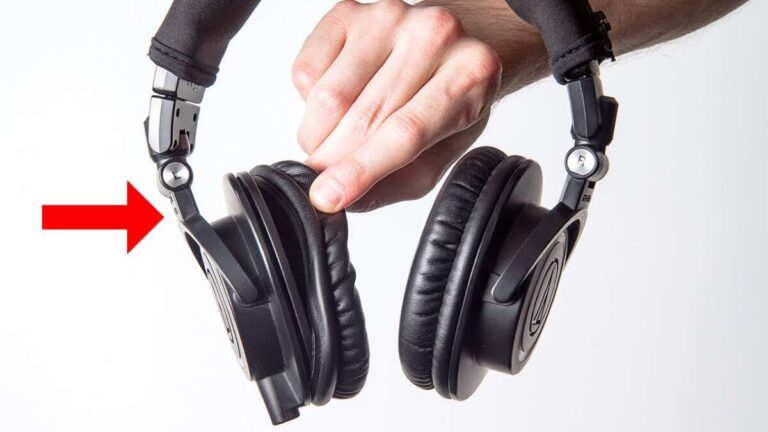
- Modify shells to mount external microphones facing out and internal microphones near the driver.
- Mount microphones and drivers
- Secure external MEMS mics on the outer shell, pointing outward.
- Place internal mic inside the earcup near the driver but out of direct airflow.
- Install drivers and ensure airtight seals around the driver flange.
- Wire the audio path
- Route microphone outputs to the DSP ADC inputs.
- Connect DSP outputs to the amplifier input and then to drivers.
- Add power management and switches for ANC on/off and power.
- Program the DSP
- Start with a simple adaptive filter like LMS (least mean squares).
- Implement a short FIR filter for feedforward and a feedback loop.
- Tune filter length and step size for stability and performance.
- Tune and test
- Test ANC with steady tones and broadband noise.
- Adjust filter parameters and microphone gains to reduce artifacts.
- Use an oscilloscope or spectrum analyzer to observe residual noise.
- Compare on/off ANC performance and tweak for comfort.
- Finalize and enclose
- Secure all wiring and encapsulate electronics.
- Add controls for ANC level and volume.
- Test battery life, charging, and thermal behavior before use.
This step-by-step path shows how to make noise cancelling headphones from idea to working prototype.
Design and tuning tips for better cancellation
Small design choices make a big difference when you learn how to make noise cancelling headphones.
Comfort and seal
- Use thick memory foam pads for a tight seal.
- Ensure clamping force is comfortable but firm.
Microphone placement
- External mics should be flush with the outer shell to avoid wind noise.
- Internal mic placement affects stability; avoid direct driver airflow paths.
DSP and filter tips
- Keep system latency under 10 ms for good low-frequency cancellation.
- Use adaptive filters that slowly adjust to prevent oscillation.
- Implement limiters to avoid loud bursts if the DSP diverges.
Power and thermal
- Choose efficient amp stages and manage power for long battery life.
- Place heat-producing parts away from user contact.
User controls
- Offer ANC on/off and multiple ANC levels.
- Add a transparency or ambient mode using external mics.
These practical tips will improve your success in how to make noise cancelling headphones that feel professional.

Testing and troubleshooting your noise cancelling build
Testing is where theory meets reality. Expect several iterations.
Testing checklist
- Verify microphone signals with a scope or audio recorder.
- Measure frequency response inside the earcup with and without ANC.
- Play steady tones, pink noise, and real-world sounds like traffic.
Common problems and fixes
- Hissy artifacts: Reduce microphone gain or add smoothing to adaptive filter.
- Bass boost or nulls: Adjust microphone placement and filter length.
- Unstable ANC (howling): Lower adaptive step size or add feedback dampers.
- Wind noise on external mics: Add foam windscreens or move mic placement.
User testing
- Wear test for comfort, pressure perception, and ear fatigue.
- Real-world tests on public transit and in noisy rooms.
Systematic testing helps you refine how to make noise cancelling headphones that perform reliably.

Safety, legal, and limitations to consider
Be honest about what ANC can and cannot do.
Limitations
- ANC works best at low frequencies; it is less effective on high-pitched noise.
- ANC cannot remove sudden loud sounds instantly.
- Poor build quality can cause artifacts and listener fatigue.
Safety
- Avoid designs that encourage very loud playback; include safe volume limits.
- Ensure battery circuits have overcharge and short-circuit protection.
Legal and compliance
- If you plan to sell, check EMI, SAR, and product safety standards for your market.
- Label battery type and disposal instructions as required.
Understanding limits and safety is essential when you decide how to make noise cancelling headphones for personal or commercial use.

Personal experience and lessons learned
I’ve built several ANC prototypes. Here are lessons I learned the hard way.
What worked
- Using a small dedicated DSP made tuning much faster than trying to run everything on a generic microcontroller.
- Good passive sealing reduced the DSP workload and improved battery life.
- Iterative testing with real-world noise revealed the worst artifacts fast.
Mistakes to avoid
- Don’t skimp on microphone quality—cheap mics cause hiss and instability.
- Avoid long filter lengths early on; they slow convergence and add latency.
- Don’t ignore ergonomics; a comfortable clamp beats slightly better cancellation.
Practical tips
- Start with a wired prototype before moving to battery and wireless.
- Keep a lab notebook. Small changes in placement matter.
These real-world tips shorten your learning curve when you tackle how to make noise cancelling headphones.

Frequently Asked Questions of how to make noise cancelling headphones
How long does it take to build basic ANC headphones?
A simple wired prototype can take a weekend to assemble if you have parts ready, while tuning may take several more days. Expect iterative testing and refinements.
Do I need a specialized DSP to do ANC?
You need a processor with low-latency audio ADC/DAC and enough CPU for adaptive filters; dedicated DSPs make the work easier but some modern microcontrollers can manage basic ANC.
Can I add ANC to my existing headphones?
Yes, you can retrofit ANC modules into existing over-ear shells if they have good passive seals and space for microphones and electronics. Results vary by design.
How much will parts cost for a DIY build?
Basic parts for a prototype typically range from moderate to high cost depending on mic and DSP choice; expect roughly the cost of midrange commercial ANC headphones if you use quality components.
Will ANC damage my hearing?
When designed correctly, ANC does not damage hearing and can reduce needed listening volume. However, avoid very loud playback and include safe volume limits.
Conclusion
You now have a clear, practical roadmap for how to make noise cancelling headphones. Start by understanding ANC basics, gather quality parts, and work step by step from hardware layout to DSP tuning. Expect to iterate, test in real environments, and prioritize comfort and safety. Try a wired prototype first, focus on mic placement and passive sealing, and tune filters slowly for stable performance. Ready to build? Gather parts, sketch your block diagram, and begin your first prototype—then share your results or questions to keep improving.

Everett Ashford is a tech reviewer at mytechgrid.com specializing in SSDs, cameras, TVs, earbuds, headphones, and other consumer electronics. He provides honest, data-driven reviews based on hands-on testing and real-world performance analysis. Everett simplifies complex tech details to help readers make smart, confident buying decisions.