The best headphones for audio engineering balance clear detail, honest bass, comfort, and reliable studio performance.
You may know the moment: a mix sounds perfect on your headphones, then falls apart on speakers. The bass feels too loud, vocals sit too far back, or a small hiss hides in the noise. Good studio headphones help you catch these problems before your song reaches a client or streaming service. I look for a balanced sound, strong isolation when needed, low distortion, and comfort for long sessions. The right pair becomes a trusted second set of ears, not just another piece of gear on your desk.
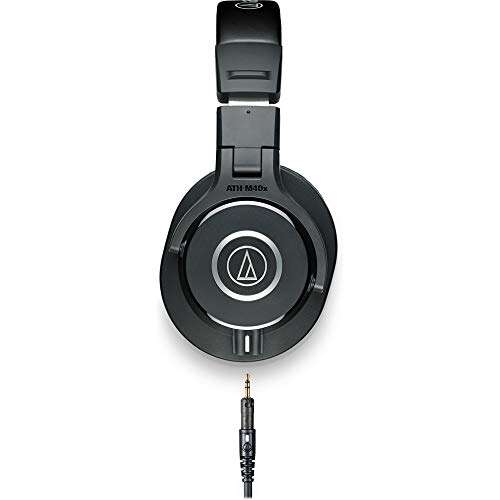
Audio-Technica ATH-M40x

The Audio-Technica ATH-M40x is one of the safest choices for home studios, school labs, and project rooms. It uses a closed-back design that limits sound leakage into a nearby microphone. Its sound feels controlled rather than flashy, which helps me judge bass, mids, and treble with less guesswork. The 90-degree swiveling earcups also make one-ear monitoring easy during recording or DJ work.
Audio-Technica includes detachable cables, which is a major benefit for daily studio use. The earcups fold inward, so the headphones fit well in a small bag. The fit is snug, but the padded headband and ear cushions support long editing sessions. For many users searching for the best headphones for audio engineering, the ATH-M40x offers a strong mix of accuracy, build quality, and price.
Pros:
- Balanced sound helps reveal mix problems
- Closed-back cups reduce microphone bleed
- Detachable cables are easy to replace
- Swiveling earcups support one-ear monitoring
- Folding design works well for travel
- Solid build suits regular studio use
Cons:
- The clamp may feel firm at first
- The closed design can feel warm over time
- The sound may seem less exciting for casual listening
My Recommendation
I recommend the ATH-M40x to new engineers who want a dependable first studio pair. It suits tracking, podcast editing, vocal work, and general mixing. The closed cups make it especially useful when a singer wears headphones near a live microphone. It may not offer the widest soundstage, but its focused sound makes it a practical tool.
| Best for | Why |
|---|---|
| Home recording | Closed cups help control bleed during vocal takes. |
| Mix beginners | Balanced tuning makes basic EQ work easier to hear. |
| Mobile engineers | Folding cups and detachable cables travel well. |
Its value remains strong because replacement cables and pads are easy to find. If you need one pair that can handle many studio tasks, this is a smart place to start.
OneOdio A71D Wired Studio Headphones
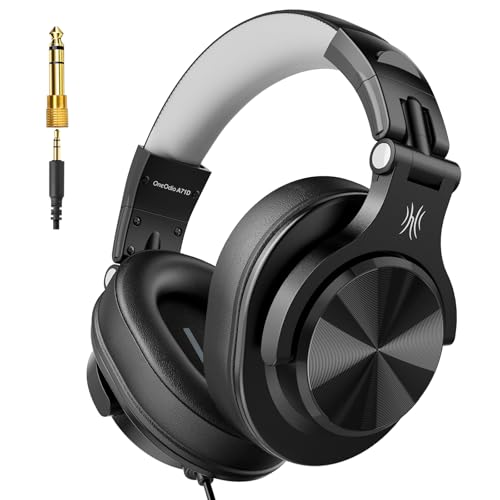
The OneOdio A71D is a wired over-ear model aimed at users who want a large, comfortable fit without paying studio flagship prices. Its Hi-Res branding points to extended frequency response, but I focus more on how the tuning works in real sessions. The sound gives music a clear, lively character that helps with basic editing and tracking. It can serve as an affordable entry point for bedroom producers and content creators.
The large earcups help surround the ears, and the wired connection avoids Bluetooth delay. That matters when you record vocals, play software instruments, or line up sound effects with video. Its DJ-style form makes it useful for cue mixes and beat work. Still, I would check your interface output and use reference tracks before trusting any budget headphone as your only mixing monitor.
Pros:
- Affordable option for new engineers
- Wired connection avoids wireless monitoring delay
- Over-ear shape offers a roomy fit
- Clear sound works well for editing and tracking
- Useful for DJ cueing and beat production
- Simple design needs little setup
Cons:
- Tuning may sound more lively than neutral
- Build feel may not match premium studio models
- Limited isolation can vary by ear shape
My Recommendation
The A71D suits students, streamers, podcasters, and home producers who need useful wired headphones at a low cost. I would use it for editing, rough mixes, arrangement work, and tracking. I would also compare important mixes on speakers or a second reference pair. Among affordable picks for the best headphones for audio engineering, this model gives beginners a friendly starting point.
| Best for | Why |
|---|---|
| Budget studios | It provides a large over-ear design at a modest cost. |
| DJ practice | The wired build and earcup style support cue work. |
| Podcast editing | Clear playback helps find cuts, clicks, and room noise. |
Its main strength is value. If you need a first pair for learning and daily media work, the A71D is easy to consider.
OneOdio A70 Bluetooth Studio Headphones

The OneOdio A70 stands out because it combines Bluetooth convenience with a wired mode. That flexibility works well for engineers who switch between critical work and everyday listening. I would use the cable for recording and mixing, then use Bluetooth for reference listening, travel, or checking how a song feels away from the desk. The over-ear design also helps make long listening sessions more comfortable.
Wireless headphones are not my first choice for live tracking because Bluetooth can add delay. The A70 becomes much more useful when connected directly to an interface, laptop, or mixer. Its energetic sound can make music enjoyable, while the wired mode gives you a more practical studio path. Treat it as a versatile hybrid rather than a dedicated mastering reference.
Pros:
- Bluetooth and wired modes add flexibility
- Useful for work and casual listening
- Over-ear pads support longer sessions
- Wired mode avoids wireless delay
- Good choice for travel and mobile work
- Simple controls help with daily use
Cons:
- Bluetooth is not ideal for live recording
- Energetic tuning may need careful mix checking
- Battery charging adds another task
My Recommendation
I recommend the A70 for creators who need one headset for a studio desk, commute, and home use. It suits beat makers, video editors, and podcasters who value convenience. For serious mixing, I would use its wired mode and compare the result on neutral monitors. It is a practical option for users who want the best headphones for audio engineering without giving up wireless freedom.
| Best for | Why |
|---|---|
| Hybrid work | Bluetooth handles daily use while cable mode supports studio tasks. |
| Traveling creators | Wireless playback makes mobile editing more convenient. |
| Beat makers | The lively presentation makes rhythm work engaging. |
The A70 offers strong everyday value when flexibility matters more than strict reference neutrality.
beyerdynamic DT 770 Pro 80 Ohm

The beyerdynamic DT 770 Pro remains a respected closed-back studio headphone for a reason. Its 80-ohm version offers a useful balance between sound quality and drive needs for many audio interfaces. The earcups create a spacious feel for a closed design, which helps me place sounds during editing. Its strong isolation also protects microphones from headphone bleed.
The DT 770 Pro uses soft velour pads that feel comfortable in warm rooms and long sessions. Its coiled cable can be helpful at a fixed desk, though it adds weight and takes more space than a straight cable. The sound has clear detail and firm bass, but engineers should still check low-end choices on speakers. If you want a proven studio workhorse, this model deserves serious attention.
Pros:
- Strong isolation helps during tracking
- Detailed sound supports editing and sound design
- Velour pads feel comfortable for long sessions
- Spacious presentation for a closed-back headphone
- Durable studio-focused construction
- Replaceable parts improve long-term value
Cons:
- 80 ohms may need a capable headphone output
- Coiled cable can feel bulky
- Bass character may need speaker cross-checking
My Recommendation
The DT 770 Pro 80 Ohm is best for recording engineers, sound designers, and producers who need isolation and detail. I especially like it for vocal tracking, foley, drum editing, and sessions in shared rooms. It is less convenient for a phone than a low-impedance model, so pair it with an interface or headphone amp when needed. In my view, it is one of the best headphones for audio engineering when closed-back performance matters most.
| Best for | Why |
|---|---|
| Vocal tracking | Excellent isolation reduces click and guide-track bleed. |
| Sound design | Detail and space help locate small effects and textures. |
| Long sessions | Velour pads reduce pressure and heat for many users. |
The DT 770 Pro earns its place through comfort, repairable design, and dependable studio use. It remains a strong long-term purchase.
Philips Open-Back Studio Headphones

Open-back headphones can make a mix feel less trapped inside your head, and this Philips model follows that approach. The open earcups allow air and sound to move more freely, creating a broad stereo image. That can help with panning, reverb, and vocal placement. The design also feels cooler than many closed-back headphones during long work.
This model works best in a quiet room because it leaks sound in both directions. I would not place it beside a live microphone or use it on a noisy train. Its adjustable headband and cushioned cups support relaxed listening, while the wired connection keeps timing direct. It is a sensible choice for editing, mixing practice, and general hi-fi work.
Pros:
- Open design creates a wide stereo image
- Comfortable for extended editing sessions
- Cooler fit than many closed-back models
- Useful for panning and reverb decisions
- Wired connection avoids latency
- Works well for music and podcast editing
Cons:
- Sound leakage makes tracking difficult
- Outside noise can enter the earcups
- Open design gives less bass isolation
My Recommendation
I recommend these Philips headphones to home engineers with a quiet workspace. They suit mixing practice, stereo editing, music listening, and long arrangement sessions. They are not the best tool for recording vocals in the same room. For users who want the best headphones for audio engineering with an open, roomy presentation, this is a useful low-cost reference option.
| Best for | Why |
|---|---|
| Quiet home studios | The open design gives a natural, spacious listening feel. |
| Mix practice | A broad image helps with pan and ambience decisions. |
| Comfort-focused users | The light, cushioned fit works well for long sessions. |
Its value is highest when you already have a quiet room and do not need isolation.
JVC HARX900 Full-Size Headphones

The JVC HARX900 is a full-size wired headphone designed for users who want a roomy fit and a broad listening presentation. Its large earcups can feel less cramped than compact studio models. I find that useful when checking stereo width, guitar layers, and background effects. The wired design also keeps playback simple for a computer, stereo, or interface.
This is more of a hi-fi and general monitoring choice than a strict professional reference tool. Its sound may add a pleasant sense of weight, so I would not make final bass decisions without another reference. The adjustable fit helps different users find a stable position. For a low-cost editing or listening headphone, it offers a comfortable route into serious audio work.
Pros:
- Large earcups provide a roomy fit
- Broad presentation helps with stereo checks
- Wired design works with many audio sources
- Comfortable option for general listening
- Useful for editing and arrangement work
- Affordable for beginners
Cons:
- Sound may not be fully neutral
- Large design is less portable
- Isolation may not suit live recording
My Recommendation
The JVC HARX900 is best for beginners who need an affordable, full-size headphone for learning and editing. It works well for podcasts, music playback, and checking stereo details. I would pair it with a flatter studio model before approving a final master. It can still be a useful part of a budget setup for the best headphones for audio engineering.
| Best for | Why |
|---|---|
| First-time buyers | The full-size design offers an easy entry into studio listening. |
| Podcast work | Its broad sound helps with speech edits and music beds. |
| Home music fans | It works for both audio tasks and relaxed listening. |
It offers good comfort and space for the money, but serious mix work calls for a more neutral reference.
beyerdynamic DT 770 Pro X 48 Ohm

The DT 770 Pro X brings the familiar closed-back beyerdynamic studio shape to a lower-impedance design. At 48 ohms, it is easier to drive from many laptops, interfaces, and portable devices than higher-impedance versions. It still offers the isolation that makes the DT 770 family useful for tracking. The result is a flexible model for modern home studios.
I like this version for engineers who move between a desktop interface and a laptop. The closed cups keep nearby sound from distracting you and help prevent guide-track spill. Its detailed top end can reveal edits, clicks, and room noise, although bright recordings may sound intense. As with any headphone, I would use familiar reference tracks and take short breaks during long sessions.
Pros:
- 48-ohm design suits many devices
- Closed cups support recording sessions
- Detailed playback exposes small errors
- Comfortable ear pads support long work
- Useful for both desktop and mobile setups
- Professional studio design feels durable
Cons:
- Treble detail may feel bright to some users
- Closed cups can become warm
- It remains less spacious than an open-back model
My Recommendation
The DT 770 Pro X is best for creators who want studio isolation without needing a powerful headphone amplifier. It suits vocal tracking, field editing, home production, and mobile engineering. I would choose it over the 80-ohm model when device compatibility matters. For many modern setups, it may be among the best headphones for audio engineering because it combines familiar studio traits with easier drive requirements.
| Best for | Why |
|---|---|
| Laptop studios | The lower impedance works with more everyday audio outputs. |
| Recording rooms | Closed cups help limit guide-track spill. |
| Mobile engineers | It travels well between interfaces, computers, and sessions. |
It costs more than basic models, but its comfort, isolation, and device flexibility can justify the step up.
KZ ZAR 7BA+1DD IEM

The KZ ZAR takes a different path from full-size studio headphones. It uses an in-ear monitor design with multiple balanced armature drivers and a dynamic driver. This compact format can provide strong detail and useful isolation when the ear tips seal well. I find IEMs helpful for checking vocal presence, bass texture, and unwanted background noise.
Fit matters more with an IEM than with an over-ear model. The right tips can improve bass response and reduce outside noise, while a poor seal can make the sound thin. These earphones are easy to carry and work well for location editing or quick reference checks. I would not use them as my only mix reference because their presentation and physical fit differ greatly from studio headphones.
Pros:
- Small size makes travel easy
- Strong seal can block outside noise
- Detailed sound helps locate fine problems
- Useful for vocal and bass checks
- Multiple drivers offer a complex presentation
- Wired connection avoids Bluetooth delay
Cons:
- Fit can vary from person to person
- In-ear use may feel tiring for some listeners
- Not a replacement for full-range speakers
My Recommendation
The KZ ZAR is best for mobile engineers, performers, and producers who need a small reference tool. It suits travel, live cueing, field recording, and quick mix checks. I would spend time testing the included ear tips because the seal controls much of the low-end result. It is a useful companion for anyone building a complete set of the best headphones for audio engineering.
| Best for | Why |
|---|---|
| Mobile editing | The small IEM shape fits easily in a travel kit. |
| Live monitoring | A good seal can reduce stage and room noise. |
| Detail checks | Its multi-driver design helps expose fine sound changes. |
The KZ ZAR offers strong portability and detail, but careful fit and cross-checking remain essential.
Philips SHP9500 Open-Back Headphones

The Philips SHP9500 is a popular open-back choice for listeners who want a wide and relaxed stereo image. Its open construction helps sound feel more natural, which can make panning and ambience easier to judge. The large earcups sit around the ears rather than pressing on them. For editing and mix practice, that comfort can be worth as much as a small change in frequency response.
The SHP9500 needs a quiet environment because it does not isolate outside noise. It also leaks sound, so I would keep it away from microphones during recording. The wired cable gives direct timing for editing and software instruments. It is a strong reference-style option for a home engineer, but I would compare bass decisions on speakers or a second closed-back pair.
Pros:
- Wide stereo image supports mix work
- Open-back design feels natural
- Comfortable fit for long sessions
- Useful for panning and ambience checks
- Wired operation avoids latency
- Works well for music and spoken audio
Cons:
- Provides almost no sound isolation
- Leakage makes it poor for live mic recording
- Open bass response may need a second reference
My Recommendation
I recommend the SHP9500 to engineers who work in a quiet room and value comfort. It is especially useful for stereo editing, arrangement, game audio, and long learning sessions. It is not the right pick for a noisy office or vocal booth. Still, its open sound makes it one of the best headphones for audio engineering when you want a broad, relaxed reference.
| Best for | Why |
|---|---|
| Mix education | The open image helps learners understand stereo placement. |
| Long editing | Large earcups help reduce tight pressure around the ears. |
| Quiet workspaces | Open cups sound natural when outside noise is low. |
The SHP9500 remains a compelling value for open-back listening, especially for comfort-focused users.
BASN Bsinger Pro Dual-Driver IEM

The BASN Bsinger Pro is built for musicians and users who want an in-ear monitor for focused listening. Its dual-driver design aims to separate low and high frequency duties. In practice, I find this type of IEM useful for checking vocal detail, monitor mixes, and instrument balance. The compact shape also works well when a full-size headphone feels too warm or heavy.
As with all in-ear monitors, the ear tip seal is central to performance. A proper seal can improve isolation and bass control, while the wrong size may change the sound. The wired connection suits live monitoring and recording because it avoids Bluetooth delay. I would use the Bsinger Pro as a portable second reference rather than the only tool for final mastering.
Pros:
- Compact design suits mobile work
- Dual drivers provide clear detail
- Useful for musicians and monitor mixes
- Wired connection supports low-latency use
- Good isolation with the right ear tips
- Easy to store in a small gear bag
Cons:
- Fit and seal affect the sound greatly
- In-ear comfort varies by user
- Limited stage width compared with open-back models
My Recommendation
The Bsinger Pro is best for singers, instrumentalists, and mobile audio workers. It can help performers hear a focused monitor feed without carrying large headphones. I would select it when portability and isolation matter more than a wide stereo image. It adds useful contrast to a full-size pair in a collection of the best headphones for audio engineering.
| Best for | Why |
|---|---|
| Musicians | The IEM shape works well for focused monitor listening. |
| Live practice | A proper seal can reduce room and stage distractions. |
| Travel kits | The small design takes very little storage space. |
Its value depends on fit, but the Bsinger Pro is a practical portable monitor for the right listener.
How I Choose Headphones for Audio Engineering
Headphones for audio engineering should help you hear problems, not hide them. I start with tonal balance. A strong bass boost may feel exciting, but it can tempt you to remove too much low end from a mix. A bright top end may reveal detail, yet it can make you lower treble too far. I prefer a sound that lets me compare a mix with trusted reference tracks.
I also check the headphone type. Closed-back headphones block more outside noise and reduce leakage, so they work well for recording. Open-back headphones often create a more open stereo image, but they need a quiet room. In-ear monitors offer small size and strong isolation, though fit changes the sound. No design wins every task.
Impedance matters, too. Low-impedance headphones usually play louder from phones and laptops. Higher-impedance models may work best with an audio interface or headphone amplifier. Loudness alone does not prove quality, so I avoid turning up the volume to chase detail. A comfortable, moderate level protects your hearing and gives better judgment.
Comfort is not a luxury in a studio. Engineers often spend hours editing breaths, removing clicks, and moving tiny clips. A heavy clamp or hot ear pad becomes a distraction. I look for soft pads, a stable headband, replaceable parts, and a cable that fits the desk. Durable headphones cost less over time when you can repair rather than replace them.
Closed-Back Versus Open-Back Headphones
Closed-back headphones place a solid shell around the driver. This shell reduces sound entering and leaving the earcup. That makes closed headphones the better choice for recording vocals, acoustic instruments, and voice-over work. They also help engineers work in noisy rooms.
Open-back headphones use vents in the earcup. These vents create a more natural sense of air and space. Many engineers enjoy open-back models for mixing, editing, and critical listening. The trade-off is clear: they leak sound and offer little protection from outside noise.
I often suggest owning one of each type when the budget allows. Use closed headphones during tracking and open headphones for quiet mix review. Then check the work on speakers, earbuds, and a car system. This process gives your ears more than one view of the same mix.
How to Use Studio Headphones Correctly
Start with a comfortable volume. If your ears ring after a session, turn down and take a break. Loud playback can make bass and treble seem more impressive than they are. It can also cause hearing damage, which no headphone upgrade can repair.
Use reference tracks that you know well. Choose songs in the same style and compare level-matched sections. Listen for kick weight, vocal position, sibilance, stereo width, and reverb decay. I never judge a mix from one short listen.
Give your ears time to reset. After an hour of detailed work, even excellent headphones can sound wrong because your hearing adapts. A short break can reveal a harsh vocal or muddy low end right away. Fresh ears are one of the best studio tools available.
Remember that headphones do not reproduce room sound the same way speakers do. Stereo separation often feels stronger on headphones. Low frequencies also behave differently because each ear receives a more isolated signal. Use headphones to find problems, then confirm major decisions on speakers when possible.
FAQs Of best headphones for audio engineering
What are the best headphones for audio engineering?
The best choice depends on your task. The Audio-Technica ATH-M40x is a strong all-round option, while the beyerdynamic DT 770 Pro models are excellent for isolation and tracking. Open-back Philips models suit quiet-room mixing and editing.
Are open-back headphones good for mixing?
Yes, open-back headphones can provide a wide and natural stereo image. They work best in a quiet room. Do not use them beside a live microphone because sound leakage can enter the recording.
Are closed-back headphones better for recording?
Usually, yes. Closed-back cups reduce leakage from the headphone drivers into the microphone. They also block some outside noise, which helps performers focus during a take.
Do I need a headphone amplifier?
It depends on the headphone impedance and your audio source. Many low-impedance models work from laptops and interfaces. Higher-impedance headphones may need a stronger headphone output for good volume and control.
Can headphones replace studio monitors?
Headphones can support mixing, but they should not be your only reference if you can use speakers. They change stereo width, bass feel, and room interaction. Check important mixes on several systems before release.
Final Verdict: Which Should You Buy?
The Audio-Technica ATH-M40x is my top all-round pick for the best headphones for audio engineering. Choose the beyerdynamic DT 770 Pro for isolation, or the Philips SHP9500 for quiet-room open-back mixing.
Match the headphone type to your work, protect your hearing, and check every mix on more than one system. The right pair will make your studio decisions clearer and more confident.

Everett Ashford is a tech reviewer at mytechgrid.com specializing in SSDs, cameras, TVs, earbuds, headphones, and other consumer electronics. He provides honest, data-driven reviews based on hands-on testing and real-world performance analysis. Everett simplifies complex tech details to help readers make smart, confident buying decisions.