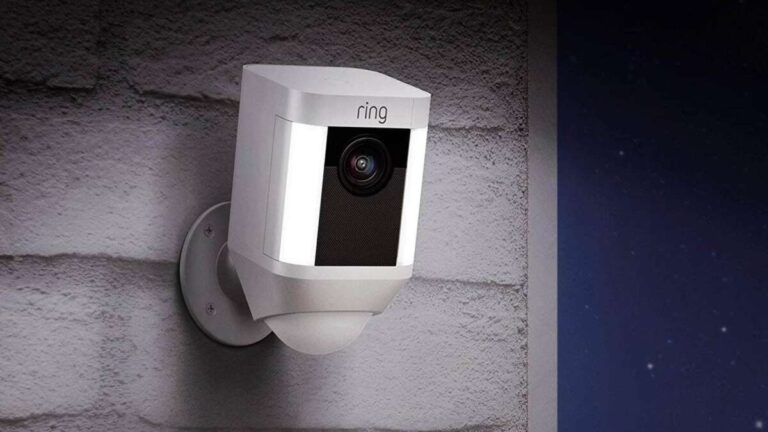
Yes, many school buses have cameras, but the type, purpose, and rules vary by school district and state.
Do school buses have cameras? In many communities, the answer is yes. Schools use onboard cameras, stop arm cameras, and exterior security systems to protect students, review incidents, and catch drivers who illegally pass a stopped bus. However, cameras are not installed on every bus, and local laws often control how recordings are used.
Do school buses have cameras?
Many modern school buses have one or more cameras inside or outside the vehicle. Some cameras record continuously, while others begin recording when the bus starts, the doors open, or a safety event occurs.
School districts may install cameras to:
- Monitor student safety
- Review fights, bullying, or other incidents
- Check what happened during a crash
- Watch the driver’s view of the road
- Record vehicles that pass a stopped school bus
- Support police investigations
- Improve driver training
The most common systems include interior cameras, exterior cameras, dash cameras, and stop arm enforcement cameras. A single bus may use several camera angles at once.
What types of cameras are on school buses?
School bus camera systems are not all the same. Each type serves a different purpose, much like security cameras in a store, parking lot, or public building.
Interior school bus cameras
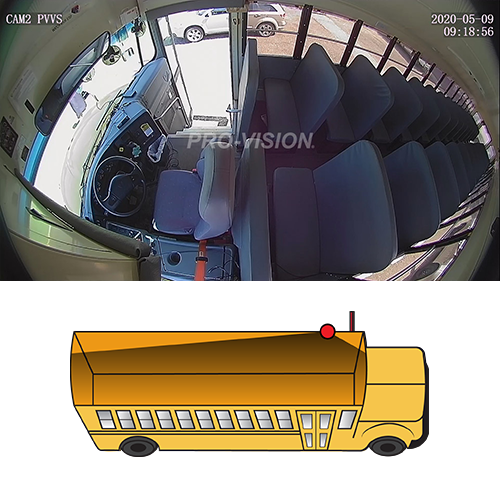
Interior cameras record the passenger area. They may show the aisle, seats, emergency exits, and the area near the driver.
These cameras can help schools investigate:
- Student fights
- Bullying complaints
- Property damage
- Unsafe behavior
- False or unclear reports
- Medical emergencies
Most interior cameras do not record sound. Audio recording can create extra privacy and legal issues, so districts may disable microphones or follow strict consent rules.
Exterior cameras
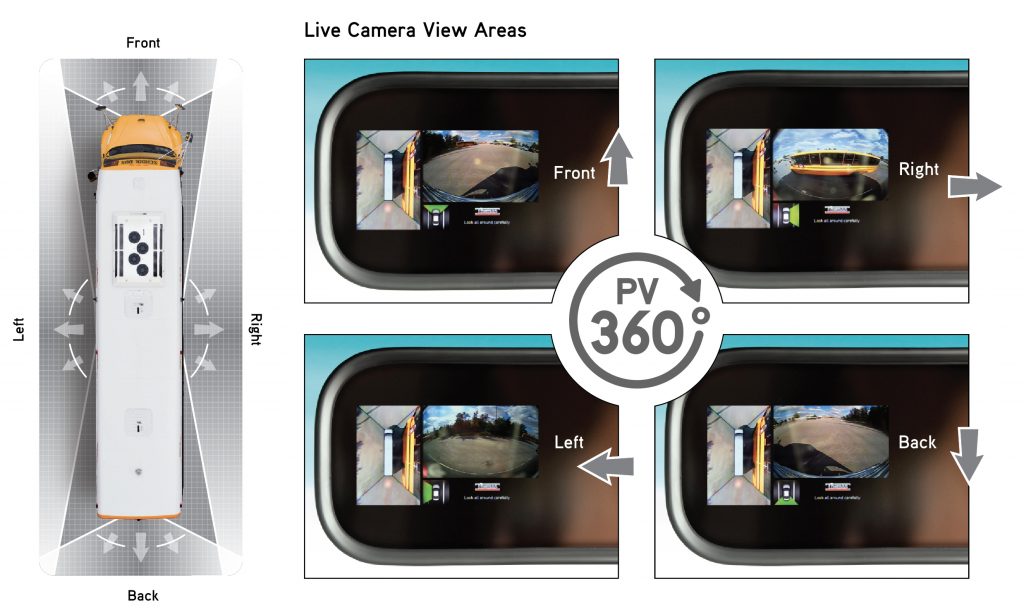
Exterior cameras may face forward, backward, or toward the sides of the bus. They can show traffic, nearby vehicles, bus stops, and the area around the doors.
Some systems record a wide view. Others use several small cameras to reduce blind spots. This footage can be helpful after a collision or when a driver reports unsafe traffic behavior.
Stop arm cameras
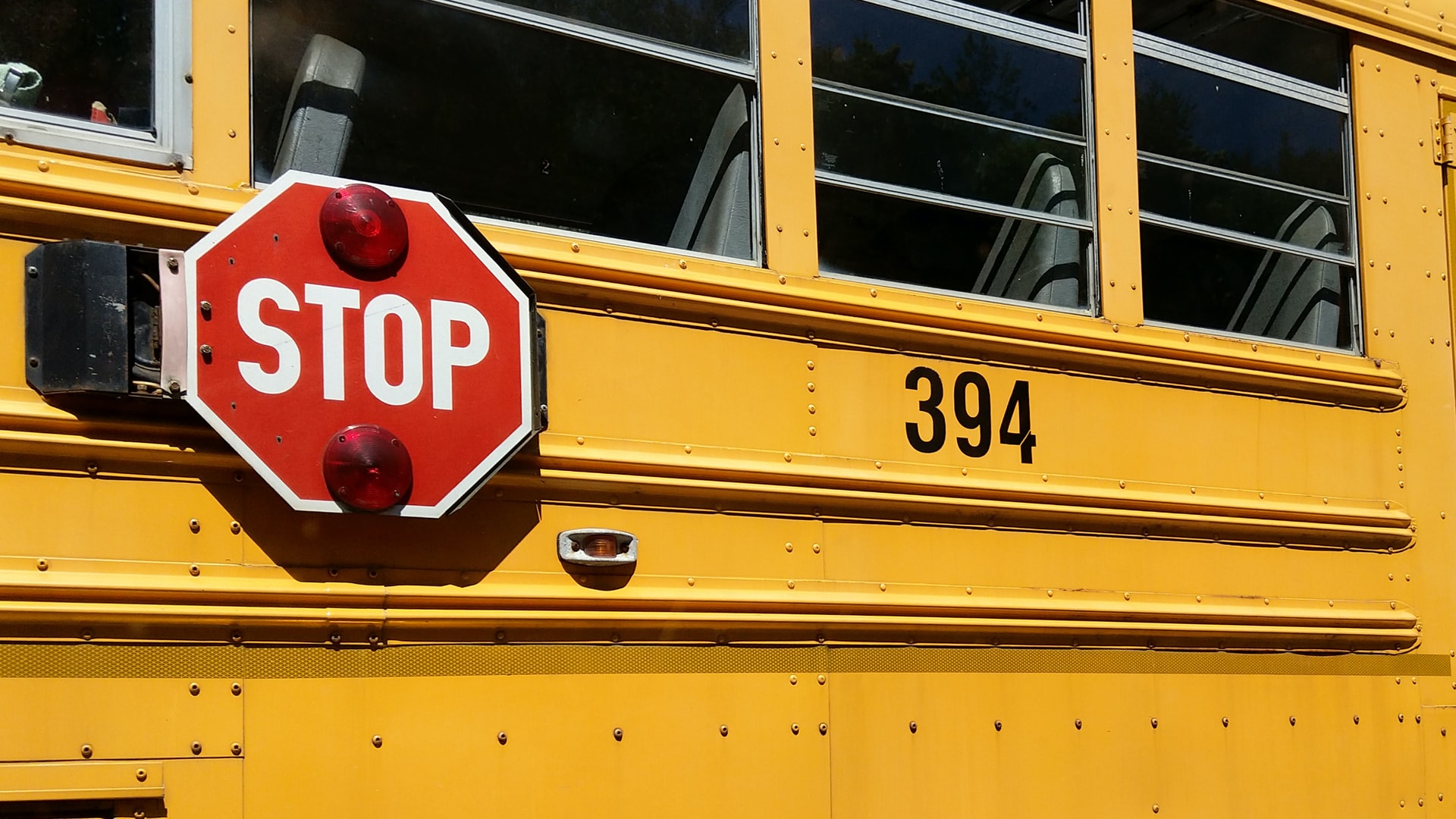
A stop arm camera is designed to capture vehicles that pass a stopped school bus while its red lights flash and stop arm extends.
These systems often capture:
- The vehicle’s license plate
- The vehicle’s make, model, and color
- The date and time
- The bus location
- The extended stop arm
- The flashing warning lights
- The lane and direction of travel
Not every bus has a stop arm camera. In many areas, a school district must work with law enforcement before it can issue a civil or criminal penalty.
Driver-facing and dash cameras
Some buses use a camera that faces the road. Others use a camera that records the driver’s area or controls.
A driver-facing camera may help with training and accident review. It can also raise employee privacy concerns, so the district should explain when it records and who can view the footage.
Why do school buses have cameras?
The main reason do school buses have cameras is safety. A camera gives schools a record of events that may otherwise depend on different memories or conflicting stories.
For example, imagine a student reports that another student damaged a backpack. The bus driver did not see the event because traffic required full attention. Interior video may help the school understand what occurred.
Cameras also help with traffic safety. The National Association of State Directors of Pupil Transportation Services has reported widespread concern about illegal passing around school buses. These events can put children at risk within seconds.
Other benefits include:
- Better evidence after crashes
- Faster review of student complaints
- More accurate driver coaching
- Deterrence against unsafe conduct
- Support for emergency response
- Protection against false accusations
A camera is not a perfect solution. It is more like a witness with a limited view. It may miss an event, show only one angle, or fail because of glare, damage, poor lighting, or storage problems.

How do school bus cameras work?
Most school bus cameras connect to a digital video recorder or cloud-based system. The recorder stores footage on a hard drive, memory card, or secure online platform.
Many systems use loop recording. In simple terms, the camera records over older video when storage becomes full. This means a recording may disappear unless someone saves it soon after an incident.
Some buses also use event-based recording. The camera may mark footage when:
- The driver presses an emergency button
- The bus experiences a sudden impact
- The stop arm extends
- The doors open
- A passenger pulls an emergency release
- The driver reports a safety issue
School staff may review footage through a secure computer system. Access should be limited to approved employees, transportation officials, school administrators, or law enforcement.
A key practical lesson is to report an incident quickly. If footage is stored for only a few weeks, waiting too long may allow it to be overwritten.
Do school bus cameras record all the time?
Some cameras record whenever the bus is operating. Others record only during certain routes, events, or time periods.
A district may set the system to record:
- When the ignition turns on
- During the full bus route
- Only when students are present
- When the bus is moving
- When a safety event triggers the system
The exact practice depends on the equipment, district policy, and local law. Parents should not assume that every moment is recorded or saved.
A camera may also stop recording because of:
- A power problem
- Full or damaged storage
- A software error
- Extreme heat or cold
- A broken lens
- Poor maintenance
- A system that was not activated
This is why video should support an investigation, not replace interviews, physical evidence, and professional judgment.

Can parents watch school bus camera footage?
Usually, parents cannot freely watch all footage from a school bus. Recordings may include other children, so privacy rules often limit access.
A parent may be able to request footage when it relates directly to their child or a specific incident. The school may need to blur other students, obtain permission, or allow supervised viewing instead of providing a copy.
Access rules can depend on:
- State student record laws
- Federal education privacy rules
- District policy
- Police involvement
- The type of incident
- Whether the footage is part of an investigation
Parents should make a written request as soon as possible. Include the child’s name, bus number, route, date, approximate time, and a short description of the incident.
Do not assume that a school must release an unedited video. Privacy laws can protect students who appear in the same recording.

Are school bus cameras legal?
In general, school bus cameras can be legal, but the rules differ by state and district. Public schools may need policies that explain recording, access, storage, and disclosure.
Stop arm enforcement is especially dependent on local law. Some states allow automated systems to issue civil penalties. Other states require an officer to review the image, identify the violation, or approve the citation.
Legal questions may involve:
- Whether audio is recorded
- Whether signs notify people about cameras
- How long video is retained
- Who may view the footage
- Whether a citation is civil or criminal
- How a vehicle owner can challenge a ticket
A camera image does not always prove a violation by itself. The image must usually show enough detail to establish the bus was stopped, the warning signals were active, and the vehicle passed in a prohibited way.
For a real dispute, check the transportation department, court notice, or state law. Rules can change, and a general online answer cannot replace local legal advice.
How long do school buses keep camera footage?
There is no single nationwide retention period. Some districts keep ordinary footage for a short time, while they preserve footage connected to an accident, complaint, or legal case for much longer.
Retention may depend on:
- Available storage space
- District policy
- State record rules
- The seriousness of the incident
- A pending investigation
- A public records request
- Insurance or legal requirements
Routine footage may be automatically deleted. Important footage should be placed on hold so it is not overwritten.
If you need a recording, contact the school or transportation office promptly. State the exact date and time. Ask the district to preserve the video while it reviews your request.
This simple step can prevent a common mistake: asking for footage after the system has already erased it.
What should you do if an incident happens on a school bus?
If your child reports an event, listen calmly and write down the details. Children may remember the main event but not the exact bus number or time, so ask gentle, specific questions.
Use this process:
- Record the date, route, bus number, and approximate time.
- Write down what your child saw, heard, or experienced.
- Notify the school and transportation office quickly.
- Ask them to preserve any related camera footage.
- Request the district’s complaint or video review process.
- Contact police or emergency services if there is immediate danger.
- Keep copies of emails, forms, and responses.
Avoid posting accusations or video clips on social media. Public posts can expose children’s identities and make a fair investigation harder.
A calm, written report usually works better than an angry phone call. It gives school staff clear facts and creates a record of your concern.
What are the limits of school bus cameras?
Cameras improve accountability, but they do not see everything. A camera may face the wrong direction or fail to capture a child’s exact action.
Common limits include:
- Blind spots near seats or doors
- Glare from sunlight
- Dark images during evening routes
- Blocked views
- Low video quality
- No audio
- Missing timestamps
- Equipment failure
- Short storage periods
- Privacy restrictions
Cameras also cannot show feelings, intent, or what happened before a scene entered the frame. A short clip may need context from the driver, students, and witnesses.
Districts should train staff, inspect equipment, and use clear review rules. Families should also understand that a video review may confirm only part of a complaint.
Do school bus cameras reduce illegal passing?
They can help reduce illegal passing, but results depend on enforcement, public awareness, and local traffic behavior. A visible camera may discourage some drivers from passing a stopped bus.
The strongest safety plan combines:
- Red warning lights
- A working stop arm
- Trained drivers
- Student safety lessons
- Police enforcement
- Public education
- Camera review
- Clear penalties
Drivers must stop when required by law. They should never pass a school bus simply because they do not see children crossing the road.
Rules differ on divided highways and multi-lane roads. When uncertain, stop and wait until the bus retracts its stop arm and turns off its red warning lights.
What should school districts consider before installing cameras?
A camera program should focus on safety while respecting privacy. Buying equipment is only the first step.
District leaders should create rules for:
- The purpose of each camera
- Recording and audio settings
- Authorized viewers
- Data security
- Retention periods
- Incident review
- Parent requests
- Police access
- Staff training
- Equipment testing
The district should also tell families how the system works. Clear communication builds trust and reduces confusion after an incident.
Good policy treats video as sensitive information. Passwords, user permissions, secure storage, and audit logs can help prevent improper access or leaks.
Frequently Asked Questions About Do School Buses Have Cameras
Do all school buses have cameras?
No, not all school buses have cameras. Many newer buses have interior, exterior, or stop arm systems, but installation depends on the district, budget, bus age, and state rules.
Can school bus cameras record students?
Yes, interior cameras can record students inside the bus. The district should control access to that footage and follow applicable privacy rules.
Do school bus cameras record sound?
Some systems can record sound, but many districts disable audio. Audio recording can create added privacy and consent requirements, so local policy matters.
Can a school bus camera ticket a driver?
A camera may capture evidence of a driver passing a stopped bus, but the camera itself does not issue a legal penalty. Authorized officials review the evidence and follow the citation process required by local law.
How can I request school bus camera footage?
Contact the school or transportation department in writing as soon as possible. Include the bus number, route, date, time, student’s name, and a clear description of the event.
How long is school bus camera footage saved?
The storage period varies by district and camera system. Routine footage may be overwritten quickly, while footage tied to an incident may be preserved for a longer period.
Can school officials use bus camera footage for discipline?
Yes, schools may use relevant footage to investigate behavior and apply discipline under district rules. They still need to consider context, student privacy, and the reliability of the recording.
Conclusion
Do school buses have cameras? Many do, and these systems can protect students, support drivers, document crashes, and identify vehicles that illegally pass a stopped bus. Still, camera coverage, storage, access, and enforcement rules vary widely.
The best step is to learn your local district’s camera policy before an incident occurs. If something happens, report it fast and request that related footage be preserved. Check your school district’s transportation page for current rules, and share this guide with other parents and drivers who help keep children safe.

Everett Ashford is a tech reviewer at mytechgrid.com specializing in SSDs, cameras, TVs, earbuds, headphones, and other consumer electronics. He provides honest, data-driven reviews based on hands-on testing and real-world performance analysis. Everett simplifies complex tech details to help readers make smart, confident buying decisions.