You probably do not need a digital camera if your phone already meets your image quality, zoom, and creative needs.
The question “do I need a digital camera?” depends on how you take photos, what you photograph, and how much control you want. Modern phones are excellent for everyday images, while dedicated cameras still offer stronger zoom, better low-light results, faster focus, and more creative control. This guide will help you decide without wasting money on gear you may not use.
Do I Need a Digital Camera for Everyday Photos?
For most people, the answer is no. A modern smartphone can capture sharp photos, record high-quality video, edit images, and share them within seconds. If you mainly take pictures of family, pets, meals, vacations, and social events, your phone may be all you need.
Smartphones use advanced image processing to improve exposure, color, sharpness, and dynamic range. Many phones also combine several cameras with software features such as portrait mode, night mode, panorama, and optical zoom.
You may not need a digital camera if you:
• Share photos on social media
• Print only small or medium-sized images
• Want a light device that fits in your pocket
• Take photos in good daylight
• Prefer quick editing and sharing
• Do not want to learn complex camera settings
A phone is also easier to carry. The best camera is often the one you have with you, and a phone is usually available when a special moment appears.
Still, phone cameras have limits. Small image sensors cannot collect as much light as larger camera sensors. Digital zoom can reduce detail, and phone lenses may not offer the reach needed for wildlife, sports, or distant subjects.
When a Digital Camera Is Worth Buying
A dedicated digital camera becomes useful when your phone stops meeting your needs. It gives you more control over light, focus, depth of field, lens choice, and image quality.
You may benefit from a digital camera if you:
• Photograph wildlife, sports, birds, or distant subjects
• Shoot weddings, portraits, events, or products
• Work in dim indoor spaces or at night
• Want soft, natural background blur
• Need large prints or detailed commercial images
• Enjoy learning photography as a serious hobby
• Want to use different lenses
• Need fast burst shooting and reliable autofocus
A camera can also make photography more engaging. Instead of tapping the screen and letting software make most choices, you can adjust shutter speed, aperture, ISO, white balance, and focus.
That control is similar to cooking with fresh ingredients instead of using a ready-made meal. Both can work well, but one gives you more choices.
A digital camera may also be a smart purchase if photography is part of your job. A real estate agent, small business owner, content creator, or artist may need images that look consistent and professional across websites, brochures, catalogs, and advertisements.
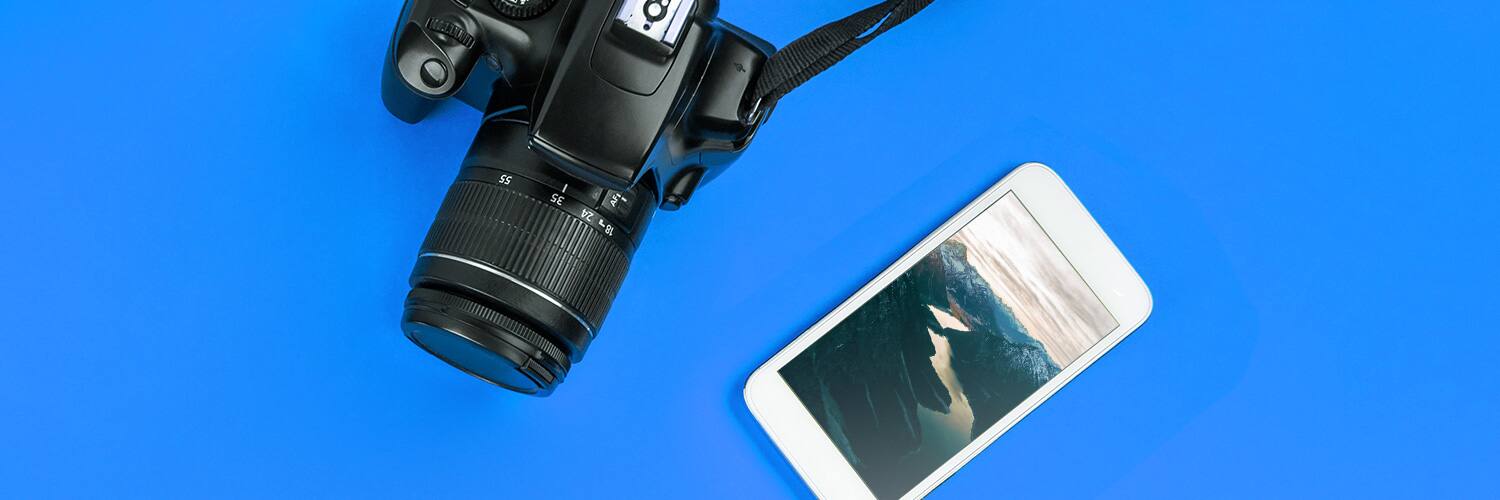
Smartphone Camera vs. Digital Camera
The best choice depends on the type of image you want. Smartphones and dedicated cameras are not direct replacements in every situation.
Image quality
A mirrorless or DSLR camera usually has a larger sensor than a phone. A larger sensor can capture more light and preserve more detail, especially in dark scenes.
This does not mean every camera photo will look better. Good light, strong composition, and proper focus matter more than price. A skilled phone photographer can create a better image than a beginner using an expensive camera.
Zoom and lenses
Phones often use wide, standard, and telephoto lenses. These are helpful, but their zoom range can be limited. Some phones rely on digital cropping at long distances, which may lower detail.
A dedicated camera can use lenses made for specific tasks, such as:
• Wide-angle lenses for landscapes and buildings
• Standard lenses for travel and everyday scenes
• Telephoto lenses for sports and wildlife
• Macro lenses for flowers, insects, and small objects
• Fast prime lenses for portraits and low light
This flexibility is one of the strongest reasons to buy a digital camera.
Low-light performance
Phone night modes can produce impressive results. They combine several exposures and use software to brighten dark areas.
A larger camera sensor still has an advantage in many low-light settings. It can create cleaner files, more natural motion, and better detail without relying as heavily on computational processing.
However, cameras often require skill in dark conditions. You may need a tripod, a fast lens, or careful exposure settings. A phone can sometimes deliver a usable night photo with less effort.
Background blur
Phones can imitate background blur with software. This works well when the subject has a clear outline, but errors may appear around hair, glasses, leaves, or hands.
A digital camera can create natural background blur through lens design and aperture settings. This effect is especially useful for portraits, food photography, and product images.
Speed and focus
High-end phones focus quickly, but dedicated cameras are often better for fast action. Sports cameras can track moving subjects, shoot many frames per second, and use advanced autofocus systems.
If you photograph a child running across a field or a dog jumping into water, a camera may give you more keepers.
Convenience
The phone wins for convenience. It is small, connected, and ready to share. A camera may require extra batteries, memory cards, lenses, and a separate editing or transfer process.
When asking “do I need a digital camera?” remember that convenience has real value. A camera that stays at home cannot capture the moments you care about.