The Panasonic LUMIX ZS99 is the best point and shoot digital camera for travel in 2026.
You arrive at a busy market, spot a colorful street scene, and reach for your phone. The moment passes before the camera opens. A small point-and-shoot camera solves that problem. It starts fast, fits in a jacket pocket, and gives you real optical zoom for distant views. I compared zoom range, image tools, video quality, size, power, and ease of use to find the best point and shoot digital camera for travel. These picks suit city breaks, cruises, family trips, concerts, and simple vacation photos.
Panasonic LUMIX ZS99 Travel Camera

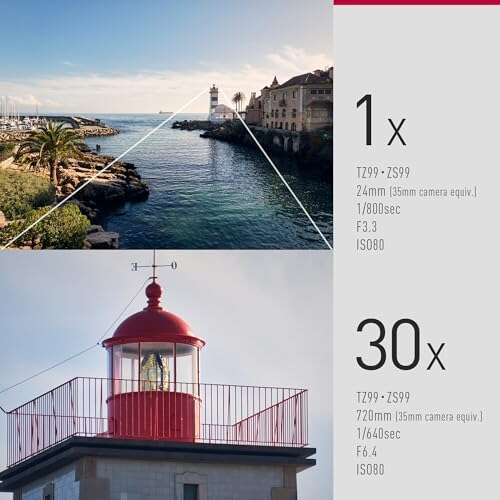
The Panasonic LUMIX ZS99 is the most complete travel camera in this group. Its 30x optical zoom covers a useful 24-720mm range, so you can capture wide streets, portraits, wildlife, and distant landmarks without changing lenses. The compact body slips into a small bag with ease. I like this range because it reduces the need to carry extra gear while traveling.
The camera also supports 4K photo and 4K video modes. Those modes help you save sharp moments when a child jumps, a bird takes off, or a performer moves across a stage. The built-in stabilization can make handheld shots easier at long zoom levels, though good light still matters. For travelers who want one small camera that can handle many scenes, this is a strong all-round choice.
Pros:
- 30x optical zoom reaches far-away subjects
- 24mm wide view works well for streets and landscapes
- 4K photo and video modes add creative options
- Compact body travels well in a pocket or day bag
- Useful choice for concerts, sports, and sightseeing
- One lens covers most common travel scenes
Cons:
- Small sensor quality drops in very low light
- Long zoom shots need steady hands and patience
- Advanced controls may take time for new users
My Recommendation
The Panasonic LUMIX ZS99 is best for travelers who want maximum range in a small body. It suits cruises, safaris, city tours, and concerts where you cannot move close to the subject. I consider it the best point and shoot digital camera for travel for most buyers because it balances reach, portability, video, and ease of use. Check the latest Amazon stock and price before buying, as compact cameras can sell quickly during holiday seasons.
KODAK PIXPRO FZ45 Compact Camera

The KODAK PIXPRO FZ45 keeps travel photography simple. It uses a 16MP sensor and a 4x optical zoom, which gives you a wider view for normal vacation scenes and a modest reach for portraits. The camera runs on AA batteries. That feature may sound basic, but it helps when you travel far from an outlet and can buy spare batteries in many towns.
The FZ45 makes sense for casual users, families, and travelers who do not want to learn a complex menu. Its small size makes it easy to carry on walks or hand to another person for a group photo. It will not match the zoom or low-light skill of a larger premium camera. Still, it offers a straightforward way to get clear daylight photos without draining a phone battery.
Pros:
- Simple controls suit first-time camera owners
- AA batteries are easy to replace on the road
- 16MP resolution works well for social posts and prints
- 4x optical zoom improves framing over a fixed phone view
- Light body is easy for children and older users to hold
- Usually costs less than advanced travel cameras
Cons:
- 4x zoom cannot match a long-range travel camera
- AA batteries add weight and need regular replacement
- Low-light images may show noise and soft detail
My Recommendation
I recommend the KODAK PIXPRO FZ45 for budget travelers, families, and anyone who values simple operation. It is also a smart backup camera for road trips because spare AA batteries are widely available. Buyers who need a long zoom should choose the Panasonic ZS99 instead. For easy daylight photos at a low entry cost, the FZ45 remains a practical point and shoot digital camera for travel.
KODAK PIXPRO FZ55 Compact Camera
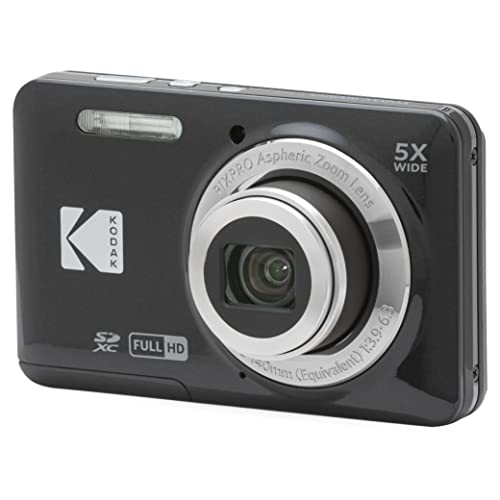
The KODAK PIXPRO FZ55 adds a little more reach than the FZ45 while keeping a friendly, compact design. Its 16MP sensor and 5x optical zoom work well for travel snapshots, food photos, portraits, and street scenes. The optical zoom helps preserve detail better than simply cropping a picture. Its black finish looks discreet and professional in a busy city.
I see the FZ55 as a middle ground for travelers who want a basic camera but do not want the shortest zoom available. It is easy to pack and simple to share with a family member. The camera performs best in daylight, where its modest lens and sensor can produce pleasant results. If you want strong night shots, fast action, or 4K video, you should move up to a Panasonic model.
Pros:
- 5x optical zoom gives useful framing flexibility
- 16MP photos suit online sharing and small prints
- Compact shape fits easily in a travel pouch
- Simple design reduces setup time
- Black finish looks clean and understated
- Good starter option for casual vacation photos
Cons:
- Limited zoom for wildlife and distant landmarks
- Small sensor is not ideal for dark interiors
- Basic controls offer less creative control
My Recommendation
The FZ55 is best for travelers who want an affordable step above a very basic camera. I would choose it for beach trips, family holidays, and city walks in good light. It is a good point and shoot digital camera for travel when your main goal is easy operation and better reach than a fixed lens. The Panasonic ZS99 remains the better long-term choice for frequent travelers who need more range.
Panasonic LUMIX TZ99 Travel Camera

The Panasonic LUMIX TZ99 shares the travel-friendly idea that makes the ZS99 so appealing. Its 30x zoom covers a 24-720mm equivalent range. That gives you a wide setting for architecture and a long setting for far-away details. The camera remains small enough for a coat pocket, purse, or compact shoulder bag.
Its 4K photo and video features give travelers more ways to record a trip. You can pull a still frame from a short 4K sequence when a subject moves too fast for a single press. Stabilization helps reduce small hand movements, especially at moderate zoom. I would pack this model for a busy trip where I expect to switch between landscapes, portraits, and distant subjects many times each day.
Pros:
- 30x optical zoom covers an impressive travel range
- 24mm wide angle suits buildings and group photos
- 4K recording supports detailed travel video
- 4K Photo helps capture quick moments
- Small design saves space in a carry-on bag
- Strong fit for sightseeing and live events
Cons:
- Small sensor has limits after sunset
- Long zoom benefits from a steady grip
- Menu options may feel deep for beginners
My Recommendation
The TZ99 is best for travelers who want a compact camera with a serious zoom range. It works especially well for cruises, tours, concerts, and scenic overlooks. I would compare its current price with the ZS99 before ordering because the two models target nearly the same type of buyer. Either can serve as the best point and shoot digital camera for travel for someone who values zoom over low-light performance.
KODAK PIXPRO FZ55 Blue Camera

The blue KODAK PIXPRO FZ55 offers the same basic travel concept as the black version, but its bright color is easier to spot in a crowded bag. It has a 16MP sensor and 5x optical zoom. That combination handles everyday travel subjects such as meals, signs, family members, and nearby landmarks. The camera gives you a simple alternative when you do not want to use your phone.
Color can matter more than people expect when several items share a bag. I can find a blue camera faster than a black one among chargers, sunglasses, and small accessories. The FZ55 is best in daylight and in well-lit rooms. It is not a specialist camera, but it can make a fun and useful trip companion for casual photographers and families.
Pros:
- Bright blue body is easy to find in a travel bag
- 5x optical zoom adds flexibility for daily scenes
- 16MP resolution supports simple prints and sharing
- Small size keeps travel weight low
- Easy controls suit casual photographers
- Useful choice for family trips and school travel
Cons:
- Zoom range is short for wildlife or sports
- Low-light results are limited by the small sensor
- Basic camera tools may feel restrictive over time
My Recommendation
Choose the blue FZ55 if you want an easy camera with a fun look and modest cost. It is best for daylight trips, family use, and travelers who want a dedicated device for quick snapshots. The color also helps younger users keep track of their camera. For buyers searching for the best point and shoot digital camera for travel on a budget, this model is worth considering when its price is lower than advanced zoom cameras.
8K Wi-Fi Digital Vlogging Camera

This 8K digital camera targets beginners, vloggers, and travelers who want a camera for both photos and short videos. The listing highlights 96MP still output, Wi-Fi, autofocus, a 3.5-inch screen, and a 180-degree flip display. A 20x zoom claim adds reach for casual shooting. It also includes an SD card, which can help new users start without buying storage at once.
The flip screen makes it easier to frame a self-shot, travel diary, or group clip. Wi-Fi can make sharing more convenient, but phone compatibility and transfer speed may vary, so I suggest testing the connection before a major trip. Buyers should also treat very high megapixel and 8K claims with care because output quality depends on the sensor, light, lens, and processing. This camera is more appealing as a creator starter kit than as a serious low-light camera.
Pros:
- 180-degree screen helps with selfies and vlogs
- Wi-Fi supports convenient file sharing
- Autofocus keeps operation simple for beginners
- Large 3.5-inch display is easy to view
- 20x zoom offers more framing options than a fixed lens
- Included SD card may reduce setup cost
Cons:
- Marketing resolution claims may not equal sensor detail
- Small camera sensors can struggle in dim light
- Wireless transfer may need setup and a compatible phone
- Less established than Panasonic and KODAK models
My Recommendation
This camera is best for a beginner creator, teen traveler, or casual vlogger who values a flip screen and Wi-Fi. It can make a fun travel diary camera and offers more creator-focused tools than the basic KODAK models. I would not pick it as my main camera for demanding landscapes or night scenes. Still, it may be the best point and shoot digital camera for travel for a buyer who cares more about selfies and video sharing than refined image quality.
Panasonic LUMIX ZS300 4K Travel Camera
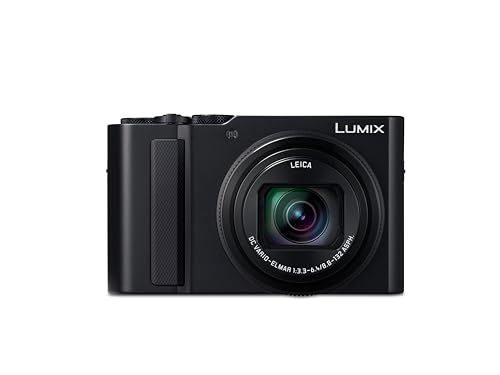
The Panasonic LUMIX ZS300 takes a different approach from the ZS99. It uses a 15x zoom with a 24-360mm equivalent range, so it gives up some reach but remains very useful for most travel scenes. The shorter range can also make the camera easier to manage when you move through a city or museum. It records 4K video and offers a strong fit for concerts, sports, and everyday trips.
I like this model for travelers who want a quality-focused compact camera without the bulk of an interchangeable-lens kit. A 360mm maximum view can frame distant buildings, performers, and animals at a park. You will not get the same reach as a 30x or 52x model, but you may use the shorter zoom more often. As with other small cameras, good light and a steady grip bring out the best results.
Pros:
- 15x zoom covers common travel subjects well
- 24mm wide angle works for groups and buildings
- 4K video adds strong detail for vacation clips
- Compact design is easier to carry all day
- Useful for concerts, sports, and street scenes
- Panasonic controls offer room to grow
Cons:
- Less reach than the ZS99 and TZ99
- Small sensor performance drops in dark places
- Advanced features may require some practice
My Recommendation
The ZS300 is best for travelers who want a balanced zoom and a compact 4K camera. It suits city trips, events, family tours, and users who prefer a shorter lens that is easier to frame. I would choose it over a basic camera when video matters. It is a strong alternative for anyone seeking the best point and shoot digital camera for travel without needing an extreme telephoto range.
KODAK PIXPRO AZ528 52x Zoom Camera

The KODAK PIXPRO AZ528 is the long-range specialist in this lineup. Its 52x optical zoom can reach subjects that seem very small with a normal travel lens. That makes it appealing for wildlife, distant architecture, outdoor sports, and scenic overlooks. It also includes Wi-Fi, which can make photo sharing easier after you connect the camera to a compatible device.
This camera is larger than a true pocket compact, so I would carry it in a small camera bag rather than a pants pocket. Long zoom can feel like binocular vision, but it also magnifies every hand movement. A tripod, monopod, or firm support helps at the far end of the lens. For travelers who accept the extra size in exchange for reach, the AZ528 offers a useful bridge-camera design at a reasonable level of complexity.
Pros:
- 52x optical zoom reaches very distant subjects
- Useful for wildlife, sports, and scenic views
- Wi-Fi can simplify sharing after setup
- 16MP output works for common travel use
- Bridge-camera grip can feel secure in the hand
- Dedicated zoom control gives fast framing changes
Cons:
- Much larger than pocket-size travel cameras
- Maximum zoom needs strong support for sharp photos
- Small sensor is not ideal for night photography
- Long lens can increase packing space and weight
My Recommendation
The AZ528 is best for travelers who rank zoom above compact size. Choose it for safaris, bird watching, outdoor events, and mountain views. It is not my first pick for a light city break, where a Panasonic compact model is easier to carry. But if distance is the main challenge, this camera may be the best point and shoot digital camera for travel in this list.
FHD 1080p Kids and Teens Camera
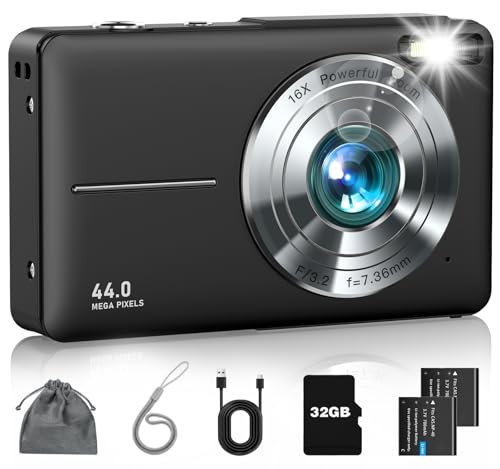
This FHD 1080p camera is designed for kids and teens who want their own device. It includes a 32GB card, which gives a child room to save photos and short videos during a trip. The simple point-and-shoot layout can feel less stressful than handing over an expensive phone. It also lets young travelers notice details that adults often miss, such as signs, snacks, pets, and small street scenes.
I would treat this model as a learning tool rather than a full travel camera. Its 1080p video target and basic design fit casual use, but it will not compete with a Panasonic for zoom, stabilization, or advanced image control. Parents should confirm the card, battery, charging cable, and included accessories before departure. For a first camera, though, the low-risk design can turn a trip into a small photo project.
Pros:
- Simple controls suit children and young teens
- Included 32GB card helps start a trip quickly
- FHD video works for basic travel clips
- Gives kids a camera they can call their own
- Lower cost reduces worry about handing it to a child
- Light body is easy for small hands to carry
Cons:
- Image quality is below the Panasonic models
- Limited zoom reduces framing choices
- Basic battery and controls may frustrate older users
- Not the right choice for serious night or wildlife photos
My Recommendation
This camera is best for children, teens, school trips, and families who want a low-cost learning device. It helps young travelers practice framing and storytelling without using a parent’s phone. I would not call it the best point and shoot digital camera for travel for an adult photographer. For a child’s first camera, however, it offers useful value and a gentle way to build good photo habits.
How to Choose the Best Point and Shoot Digital Camera for Travel
The right camera depends on how you travel. A person who spends a week in museums has different needs from a traveler on safari. Before you buy, think about distance, light, weight, battery access, and the type of memories you want to save. A camera should remove friction, not add another chore to your trip.
Check the Optical Zoom
Optical zoom is one of the main reasons to buy a camera instead of using a phone. It changes the lens view and keeps more detail than digital cropping. A 4x or 5x zoom works for nearby subjects and casual portraits. A 15x, 30x, or 52x zoom helps with distant landmarks, wildlife, performers, and mountain views.
More zoom is not always better. Long lenses can be harder to hold steady and may need bright light. If you mostly visit cities, a 15x zoom may offer a better balance. If you expect to photograph animals or far-away action, the AZ528 or a Panasonic 30x model makes more sense.
Think About Camera Size
The best travel camera is often the one you carry. A large camera can stay in your hotel room if it feels heavy or unsafe. Pocket-size models make quick photos easy during walks, train rides, and meals. A bridge camera gives more grip and zoom, but it needs more space in your luggage.
I suggest checking the camera dimensions and planning where it will live. A small case protects the lens and screen. Keep the camera near the top of your day bag, not under clothing and chargers. Fast access can turn a missed shot into a saved memory.
Understand Sensor and Light Limits
Most compact point-and-shoot cameras use small sensors. They can create bright, clear photos in sunlight, but dark rooms and night streets are harder. Noise may appear in shadow areas. A flash can help with a nearby person, but it cannot light a distant building or landscape.
For better low-light results, hold the camera with both hands and lean against a wall or rail. Use a night mode when the subject stays still. Do not judge a camera only by its megapixel number. Lens quality, sensor size, shutter speed, focus, and light all matter.
Look at Video Features
4K video gives more detail than 1080p when the camera, memory card, and editing device support it. It also lets you crop a clip later with less loss. Panasonic models in this guide offer 4K photo or video tools that help with moving subjects. The kids camera focuses on simple FHD recording instead.
High resolution also uses more storage. Carry a spare card and charge the battery each night. Short clips often tell a better story than one long recording. I like to record the sound of a market, train, waterfall, or street musician for a few seconds.
Battery and Charging Needs
Battery planning matters on long travel days. A camera may lose power faster when you use flash, zoom, video, or a bright screen. Carry one spare battery or a power bank that matches the camera’s charging needs. The KODAK FZ45’s AA design offers a different advantage because you can buy common batteries in many places.
Rechargeable batteries save money over time and create less waste. Still, a traveler in a remote area may prefer replaceable cells. Read the package details carefully because included accessories can differ by seller and bundle. Test every battery and card before leaving home.
Storage and File Transfer
Use a compatible memory card with enough capacity for your trip. 4K video fills a card much faster than still photos. Download files to a laptop, tablet, or secure cloud service when possible. Do not erase a card until you confirm that the backup works.
Wi-Fi can make sharing convenient, but it does not replace a backup. Wireless transfer may drain the battery and can take time with large videos. A small card reader can be a useful backup tool. I also keep a second card in a separate bag in case the first card fails or gets lost.
Ease of Use
A travel camera should let you take a photo without reading a long manual every time. Look for clear buttons, a useful zoom switch, a bright screen, and a mode that handles exposure automatically. Beginners can start with Auto and explore other settings later. Too many controls can slow you down when a scene changes fast.
Before your trip, practice focus, flash, video, playback, and card removal. Learn how to turn off the camera and protect the lens. Five minutes of practice can prevent stress at the airport or on a busy street. The simple KODAK models are easy to share with family members, while Panasonic models offer more room to learn.
Travel Safety and Care
Keep the camera dry and protect it from sand. A sealed plastic pouch can help during light rain, but it does not make a camera waterproof. Avoid leaving the camera in a hot car. Sudden moves from a cold plane cabin to warm air can create condensation, so let the camera adjust inside a closed bag.
Use a wrist strap or neck strap in crowded places. Turn off the flash in museums and other sites that ban it. Respect local rules about people, buildings, and cultural events. A great travel photo should also be a respectful one.
Best Features Comparison Table
| Best for | Why |
|---|---|
| Overall travel use | Panasonic LUMIX ZS99 combines a compact body, 30x optical zoom, and 4K tools. |
| Long-distance subjects | KODAK PIXPRO AZ528 offers a 52x optical zoom for wildlife, sports, and far views. |
| Kids and first-time users | The FHD 1080p kids camera keeps controls simple and includes a 32GB card. |
Which Camera Is Best for Different Trips?
Best for City Travel
City trips call for a small body, a wide lens, and quick controls. You may move from a narrow street to a large building in seconds. The Panasonic ZS99, TZ99, and ZS300 all offer a 24mm equivalent wide view. That setting helps fit buildings and groups into one frame.
The KODAK FZ55 can also work well for city walks when you want a lighter, simpler option. Pick it for daylight sightseeing and casual photos. Choose a Panasonic model if you plan to photograph distant towers, performers, or details high above the street.
Best for Cruises and Scenic Tours
A cruise or scenic tour creates a mix of wide ocean views and distant subjects on shore. This is where 30x optical zoom becomes valuable. The Panasonic ZS99 and TZ99 can frame a coastline, lighthouse, or ship without taking up much room.
At the longest setting, brace your arms on a rail when it is safe. Wind and boat movement can soften photos. The AZ528 offers even more reach, but its larger body may be less convenient on a crowded deck.
Best for Wildlife
Wildlife photography rewards reach and patience. The KODAK PIXPRO AZ528 has the strongest zoom claim in this group. It can help you fill the frame with an animal that stays far from a trail or viewing area.
Remember that zoom cannot replace light and timing. Early morning and late afternoon may create beautiful light, but they can also demand a steady grip. Use a support when possible, and avoid disturbing animals for a closer photo.
Best for Concerts and Sports
Concerts and sports often place you far from the action. The Panasonic ZS99 and TZ99 offer a useful 30x range, while the ZS300 reaches 360mm equivalent. These cameras also provide 4K tools for moving scenes.
Check venue rules before taking a camera. Some events limit lens size, flash, or removable batteries. Turn off the flash when the subject is far away because it will not help and may bother others.
Best for Family Travel
Families need a camera that is easy to pass around. The KODAK FZ45 and FZ55 make sense for adults and older children who want simple controls. The kids and teens model suits younger users who want a personal camera.
If one camera must serve the entire family, I would choose the Panasonic ZS300 or ZS99. They offer more room to grow. A child can start in Auto mode, while an experienced parent can use extra settings when needed.
Common Mistakes to Avoid When Buying a Travel Camera
Many buyers focus only on megapixels. That number does not tell the full story. A camera with a huge stated resolution may still produce weak results if its sensor and lens are basic. Look at the complete system instead.
Another mistake is buying more zoom than you can hold steady. Extreme reach sounds exciting, but blur can waste the shot. If you travel mostly in cities, a compact 15x or 30x camera may serve you better than a large bridge model.
Some travelers also forget the cost of accessories. Add a case, memory card, spare battery, and charger to your budget. These small items protect your camera and keep it ready. Read the current Amazon package details before ordering because bundles may change.