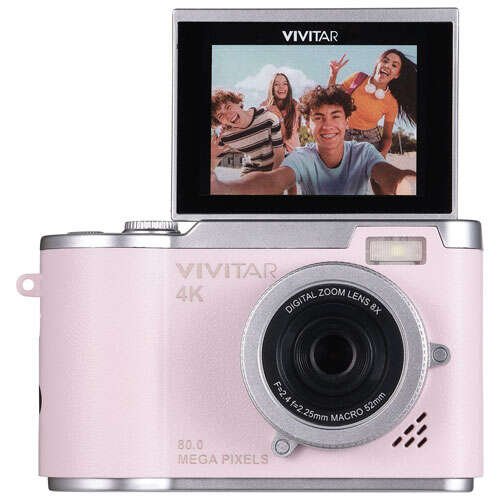
The best places to buy a digital camera are trusted camera stores, major retailers, manufacturer websites, and reputable used gear shops.
Knowing where to buy a digital camera can save you money, reduce risk, and help you choose the right model. This guide explains the strengths and limits of each option, from local camera stores to online marketplaces, so you can shop with confidence.
Where to Buy a Digital Camera
The best place to buy a digital camera depends on your budget, experience, and need for support. A beginner may benefit from testing cameras in a local store. An experienced photographer may prefer a trusted online retailer with a wider range of lenses and accessories.
The main buying options include:
• Local camera stores for hands-on help and product testing
• Manufacturer websites for direct support and official bundles
• Large online retailers for broad selection and competitive prices
• Used camera dealers for lower prices and older professional models
• Certified marketplaces for secondhand gear with buyer protection
When deciding where to buy a digital camera, look beyond the sticker price. Check the return policy, warranty, seller history, shipping cost, and condition of the camera. A low price is not a bargain if the camera arrives damaged or cannot be returned.

Buying From a Local Camera Store
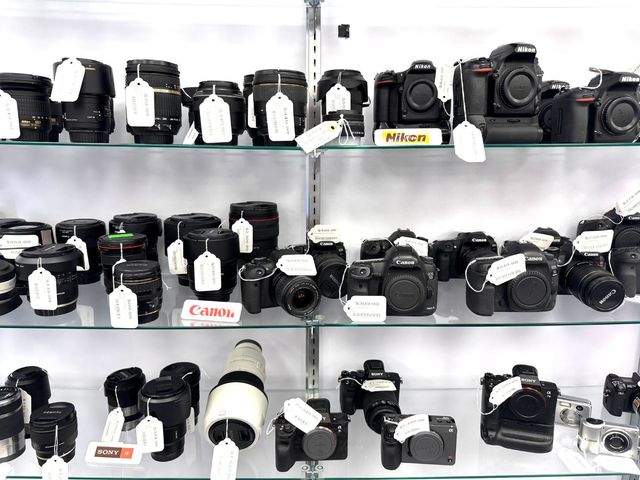
A local camera store is one of the best places to buy a digital camera if you want personal advice. You can hold different models, test the grip, look through the viewfinder, and compare menu systems. These small details matter more than many online specifications suggest.
A good store can also help you choose a lens, memory card, spare battery, and camera bag. Staff members often know which models are easy for beginners and which cameras work well for portraits, travel, sports, or video.
The main drawback is price. Local shops may not always match the lowest online offer because they have higher operating costs. Still, expert help can prevent an expensive mistake, especially if you are buying your first interchangeable-lens camera.
Before visiting, call ahead and ask whether the store has the models you want to test. Take a few sample photos if the shop allows it. Check how quickly the camera focuses, how comfortable it feels, and whether the buttons are easy to reach.
In my experience helping people compare cameras, comfort is often overlooked. A camera can have excellent specifications, but if it feels awkward in your hands, you may leave it at home. A camera that you enjoy using is usually more useful than one with impressive features you never touch.

Buying a Digital Camera Online
Online shopping is convenient and often gives you more choices. You can compare prices, read user reviews, check technical details, and find discontinued models that may not be available in local stores.
If you are deciding where to buy a digital camera online, choose a seller with a clear return policy and strong customer support. The listing should show the exact model, included accessories, warranty details, and estimated delivery date.
Before placing an order, review these points:
• Is the seller authorized by the manufacturer?
• Does the price include sales tax and shipping?
• Is the camera new, refurbished, open-box, or used?
• What is the return period?
• Who pays return shipping?
• Does the camera include a valid US warranty?
• Are the battery and charger included?
Be careful with marketplace listings that appear much cheaper than normal. Some sellers may offer imported versions with limited warranty support. Others may sell bundles filled with low-quality accessories that look valuable but add little practical benefit.
Read reviews with care. Verified reviews can reveal common issues, but individual opinions are not always reliable. One buyer may dislike a camera because it lacks a feature that another buyer never needs. Focus on repeated comments about image quality, battery life, autofocus, build quality, and customer service.

Buying Directly From a Camera Manufacturer
Manufacturer websites are a dependable option when you want an official product and direct support. Major camera brands often sell new bodies, lenses, kits, refurbished products, and accessories through their own online stores.
Buying direct can provide several benefits:
• Access to the correct regional model
• A standard manufacturer warranty
• Official firmware and product support
• Brand-backed refurbished equipment
• Financing or trade-in programs
• Special kits or seasonal promotions
However, manufacturer websites may not always have the lowest price. Retailers sometimes offer discounts, free accessories, or larger bundles. Compare the full package rather than looking only at the camera body price.
Check whether the product is sold and shipped by the manufacturer. Some brand websites also display products from partner sellers. The partner may be trustworthy, but the warranty and return terms can differ.
A manufacturer’s refurbished camera can be a strong choice for buyers on a budget. Look for a clear inspection process, a warranty, and a stated return period. Refurbished does not always mean heavily used, but the term can have different meanings from one seller to another.

Buying a Digital Camera From a Major Retailer
Large electronics and department stores are popular when shoppers want speed, convenience, and easy returns. These retailers may carry entry-level point-and-shoot cameras, mirrorless cameras, DSLRs, action cameras, and compact video cameras.
A major retailer can be a good answer to where to buy a digital camera when you already know which model you want. You may also find store pickup, price matching, extended warranty plans, and flexible payment options.
The downside is limited product advice. Staff may understand general electronics but may not know the difference between sensor sizes, lens mounts, autofocus systems, or camera codecs. If you need detailed guidance, research the model before you visit.
Always check the seller information on the product page. A large retail website may host third-party marketplace sellers. The website name alone does not guarantee that every listing has the same warranty or customer service.
Try to compare the exact stock-keeping unit, or SKU. A camera kit may look similar to another kit but include a different lens, battery, charger, or regional warranty. Small package differences can affect the real value.
Buying a Used or Refurbished Digital Camera
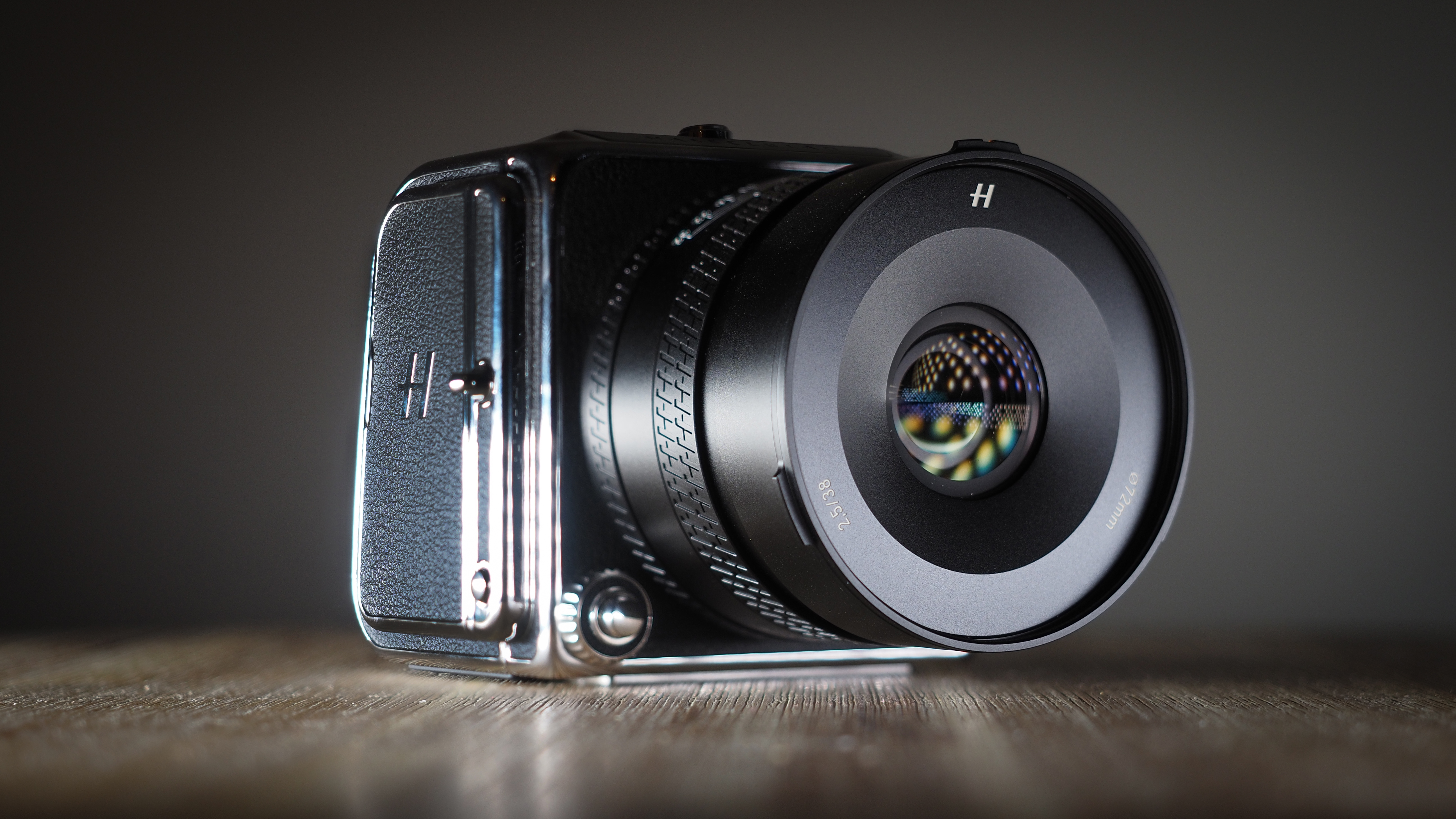
Used cameras can offer excellent value. Many photographers sell equipment that has seen light use, while others upgrade after only a year or two. Older professional cameras can also produce outstanding images when paired with a good lens and careful technique.
You can buy used gear from:
• Established used camera dealers
• Local photography stores
• Camera clubs and photography groups
• Online marketplaces with buyer protection
• Manufacturer-certified refurbished programs
Used gear does carry more risk. The camera may have hidden damage, heavy wear, sensor marks, or a weak battery. A private seller may also provide little or no return protection.
When checking a used digital camera, inspect the following:
• The sensor for dust, scratches, or damage
• The lens mount for dents or looseness
• The screen for cracks or deep scratches
• The card slot and battery compartment
• The buttons, dials, flash, and ports
• The lens for haze, fungus, and deep scratches
• The shutter count when the manufacturer provides that information
• The battery condition and charger compatibility
Ask the seller for sample images taken with the camera. If possible, inspect the original files rather than compressed social media photos. Take test images at low and high ISO settings, and photograph a plain wall or clear sky to reveal dust spots.
One lesson many buyers learn the hard way is that accessories can hide the real price. A used body may seem inexpensive, but a new battery, charger, lens, and memory card can raise the total quickly. Add every required item before comparing used and new cameras.

The Best Place to Buy a Digital Camera for Beginners
Beginners should usually buy from a seller that offers clear returns and reliable support. A local camera store is ideal when you want hands-on help. A major retailer or authorized online dealer can also work well if you have already researched the model.
Avoid choosing a camera only because it has the most megapixels. Image quality also depends on sensor size, lens quality, autofocus, image processing, lighting, and your ability to use the camera.
For many new photographers, a mirrorless camera with a kit lens offers a useful balance of size, image quality, and control. A fixed-lens compact camera may be better for travel and simplicity. A smartphone may remain the better choice if you want a camera that is always available and easy to share from.
Before deciding where to buy a digital camera, write down how you plan to use it:
• Family and everyday photos
• Travel and street photography
• Wildlife and sports
• Portraits
• Landscape photography
• YouTube or video work
• Product photography
Your use case should guide the purchase. A fast telephoto lens matters for sports, while a small body may matter more for travel. A microphone input and strong autofocus may be more important for video than a very high resolution.
How to Compare Digital Camera Prices
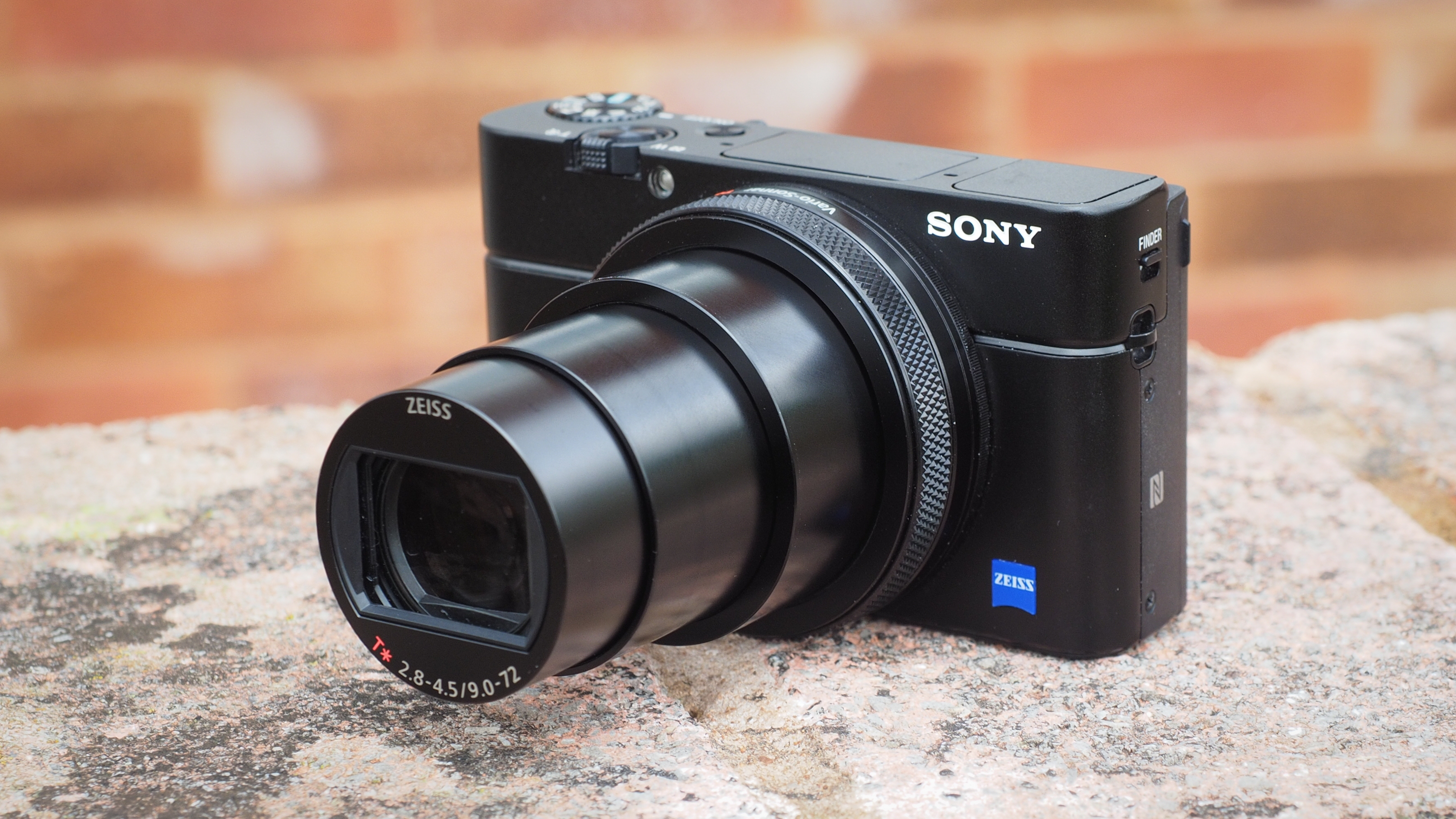
A camera’s listed price is only part of the total cost. You may also need a lens, memory card, battery, charger, bag, tripod, filter, and editing software.
Use this simple comparison method:
-
Write down the exact camera model.
-
Confirm whether the price includes a lens.
-
Add the cost of a compatible memory card.
-
Check whether a battery and charger are included.
-
Add shipping, tax, and possible warranty costs.
-
Compare the return policies.
-
Check whether the item is new, used, open-box, or refurbished.
A kit with a basic zoom lens may cost more than a body-only model, but it may be the better value for a new photographer. Buying the wrong lens later can cost more than choosing the right kit at the start.
Watch for unusually large discounts. A price that is far below the normal market range may indicate an imported model, missing accessories, counterfeit products, or a seller with poor service. Price comparison tools help, but they should not replace careful seller research.
Seasonal sales can lower camera prices. Common discount periods include holiday events, major shopping weekends, and the weeks after a new model launches. Older models may become more affordable when a brand releases an updated version.
What to Check Before You Buy
A careful check takes only a few minutes and can protect you from common problems. Whether you shop online or in person, confirm the details before paying.
Use this checklist:
• Model name and model number
• Sensor size and resolution
• Lens mount or built-in lens
• Autofocus features
• Video resolution and frame rates
• Battery life
• Screen and viewfinder type
• Wireless connection options
• Weather sealing, if needed
• Included lens and accessories
• Warranty coverage
• Return window
• Seller ratings and contact information
Do not assume every camera includes a charger. Some models charge through USB, while others require a separate adapter. Also confirm that the camera uses a memory card format you can easily buy.
For international listings, check the power adapter, language options, warranty region, and menu compatibility. A camera imported from another market may work technically but still create service problems.
If you buy in person, test the camera before leaving. Take a photo, review it on the screen, zoom in to check detail, and test the flash and card slot. If you buy online, record the unboxing and inspect the package as soon as it arrives.

How to Avoid Camera Buying Scams
Most camera sellers are legitimate, but popular products attract scams. Fraudulent listings may use copied photographs, fake reviews, or urgent language designed to pressure you into paying quickly.
Protect yourself with these habits:
• Use a payment method with buyer protection.
• Avoid direct bank transfers to unknown sellers.
• Check the seller’s history and recent reviews.
• Compare the price with several trusted retailers.
• Be cautious of stock photos for used equipment.
• Ask for current photos showing the camera and serial number.
• Never send extra money for supposed customs or shipping problems without verification.
• Keep all messages, receipts, and order details.
If a seller refuses to answer basic questions, walk away. A trustworthy seller should clearly explain the camera’s condition, included accessories, warranty, and return terms.
Be especially careful with social media ads. A polished advertisement does not prove that the store is real. Search for the company’s contact details, business history, return policy, and independent reviews before ordering.
Digital Camera Buying Mistakes to Avoid
The first common mistake is buying more camera than you need. Professional features can be useful, but they can also add weight, cost, and complexity. A simpler camera may help you learn faster and take more photos.
The second mistake is ignoring lenses. For interchangeable-lens cameras, the lens often affects your experience as much as the camera body. A modest body with a sharp, useful lens can outperform an expensive body paired with a poor lens.
The third mistake is skipping the return policy. Even a camera that looks perfect online may feel too large, have confusing controls, or fail to match your needs. A flexible return period gives you time to test it in real life.
Another mistake is trusting specifications without considering usability. A high-resolution sensor does not automatically produce better photos. Good light, stable handling, accurate focus, and thoughtful composition still matter.
Finally, do not buy a camera without planning for learning. Read the manual, practice in different lighting, and learn basic exposure controls. The best camera is not only the one you buy; it is the one you understand and use.
Where to Buy a Digital Camera Based on Your Needs
Different shoppers need different buying experiences. The right answer to where to buy a digital camera changes with your priorities.
• Best for expert advice: A local camera store
• Best for official warranty support: The manufacturer’s website
• Best for broad selection: A trusted online camera retailer
• Best for simple returns: A major retailer with a clear policy
• Best for low prices: A reputable used dealer or certified refurbished program
• Best for rare or discontinued models: A well-established used marketplace
• Best for hands-on testing: A local store or camera rental service
Renting can be a smart step before buying an expensive camera. A one-day rental lets you test the grip, autofocus, battery, controls, and lens before making a long-term commitment. This is especially useful for wildlife, weddings, travel, and professional video work.
The cheapest place is not always the best place. Think of the purchase as a complete service package that includes the product, advice, warranty, returns, and peace of mind.
Frequently Asked Questions About Where to Buy a Digital Camera
Where is the safest place to buy a digital camera?
The safest options are authorized camera retailers, manufacturer websites, and established used dealers with clear return policies. These sellers usually provide better warranty support and more dependable customer service.
Is it better to buy a digital camera online or in a store?
Online stores often offer more models and competitive prices, while local stores let you test the camera and receive personal advice. Choose online shopping when you know the model, and choose a local store when comfort and guidance matter.
Should I buy a new, used, or refurbished digital camera?
A new camera offers the simplest warranty and return experience. Used and refurbished cameras can save money, but buy from a seller that describes the condition clearly and provides buyer protection.
Can I buy a digital camera from a marketplace seller?
You can, but check the seller’s history, return policy, warranty terms, and product condition first. Avoid listings with unclear descriptions, copied images, or prices that seem unusually low.
What should I check when buying a used digital camera?
Inspect the sensor, screen, ports, battery compartment, lens mount, buttons, and included accessories. Ask about the shutter count, damage, repairs, and return rights before paying.
Is a camera kit better than buying the camera body alone?
A kit is often better for beginners because it includes a usable lens and may cost less than buying each item separately. A body-only purchase makes more sense if you already own compatible lenses.
Do camera prices drop after a new model is released?
Prices for older models often become more competitive after a replacement appears, but the discount varies by brand and demand. Compare the older camera’s features, warranty, and remaining support before buying.
Conclusion
The best answer to where to buy a digital camera depends on your budget, experience, and need for support. Local camera stores offer advice and hands-on testing, online retailers provide selection and convenience, manufacturers offer official support, and reputable used dealers can deliver strong value.
Compare the full cost, warranty, return policy, seller reputation, and included accessories before you buy. Take time to choose a camera that fits your real needs, then start practicing and learning with it. Explore trusted retailers, test your options when possible, and share your camera-buying experience in the comments.

Everett Ashford is a tech reviewer at mytechgrid.com specializing in SSDs, cameras, TVs, earbuds, headphones, and other consumer electronics. He provides honest, data-driven reviews based on hands-on testing and real-world performance analysis. Everett simplifies complex tech details to help readers make smart, confident buying decisions.