The most comfortable headphones are lightweight over-ear models with soft pads, gentle clamping force, and breathable materials.
Finding the most comfortable headphones is about more than plush ear cushions. Head shape, glasses, heat, weight, clamping force, and listening time all matter. After comparing popular designs and studying the details that affect long-term wear, this guide explains which models stand out, who they suit, and what to check before you buy.

What makes headphones comfortable?
Comfort means being able to wear headphones for a long time without pain, pressure, heat, or fatigue. The most comfortable headphones should feel secure, but they should not squeeze your head like a clamp.
A good fit depends on several small details working together:
- Weight: Lighter headphones usually create less pressure on your head and neck.
- Ear pad size: Your ears should sit inside the pads, not touch the inner speaker cover.
- Clamping force: Strong clamping can cause pain near the temples and jaw.
- Headband design: A wide, padded band spreads weight more evenly.
- Materials: Memory foam and soft fabric often feel better than thin synthetic leather.
- Heat control: Breathable pads help prevent sweaty ears.
- Adjustability: Smooth sliders make it easier to find a natural fit.
- Stability: Headphones should stay in place without needing a tight grip.
Over-ear headphones are often more comfortable than on-ear models because they surround the ears. However, large over-ear headphones can feel warm, heavy, or loose. Small heads may also struggle with models that have limited adjustment.
The most comfortable headphones for one person may not suit another. A person with glasses may prefer soft, flexible pads. Someone with a large head may need a wider headband and lower clamping force. Someone who wears headphones in a warm room may value breathable fabric more than maximum noise isolation.
The most comfortable headphones for most people
For many listeners, the Bose QuietComfort Ultra Headphones are among the most comfortable headphones available. They have a light feel, soft ear cushions, and a gentle fit that works well for long flights, office days, and home listening.
The Sony WH-1000XM5 is another strong choice. Its large ear cups and smooth headband distribute pressure well. The fit feels secure without being overly tight, although the synthetic leather pads may feel warm after several hours.
The Sennheiser Momentum 4 Wireless is comfortable for people who prefer long battery life and a slightly roomier design. Its ear cups are large, and its battery can last for many more hours than most rivals. It is somewhat larger than the Bose model, so it may feel less ideal for small heads.
Here are the leading options to consider:
Bose QuietComfort Ultra Headphones
The Bose QuietComfort Ultra is a top choice for people who want a soft, relaxed fit. Its ear cushions feel deep, and the headband spreads weight well across the top of the head.
Key comfort strengths include:
- Cushioned ear cups that surround most ears
- Moderate weight
- Good adjustment range
- Strong active noise cancellation
- Comfortable fit for travel and work
The main limitation is heat. The closed design blocks outside sound and can make ears warm during long sessions. The headphones also cost more than basic wireless models.
Sony WH-1000XM5
The Sony WH-1000XM5 combines low weight with generous ear cups. It is one of the most comfortable headphones for office workers and frequent travelers who want noise control without a heavy design.
Its touch controls are easy to use, and the noise cancellation helps reduce the need to raise the volume. That matters because lower listening levels can make long sessions easier on your ears.
Some users may find the fit too loose during exercise. The ear pads can also become warm, especially in hot weather.
Sennheiser Momentum 4 Wireless
The Sennheiser Momentum 4 is a practical choice for listeners who want long battery life and a relaxed over-ear fit. Its wide cups suit many ear shapes, while the soft padding helps reduce pressure.
It is not the smallest or lightest option. Still, it feels balanced when worn at a desk or on a long trip. Its sound is also lively and detailed, which makes it appealing for music fans.
Apple AirPods Max
The Apple AirPods Max feels solid and premium. Its fabric headband spreads pressure across the top of the head, and the breathable mesh can feel cooler than synthetic leather.
The ear cushions are deep and soft. They also attach magnetically, so they are easy to remove and replace.
The biggest drawback is weight. At about 385 grams, the AirPods Max is heavier than many competing wireless headphones. It may be comfortable for some people but tiring for others during long sessions.
Bose QuietComfort Headphones
The standard Bose QuietComfort Headphones are a smart option for people who value low weight and a familiar, gentle fit. They are usually less expensive than the Ultra model and remain easy to wear for many hours.
They may not feel as premium, and their sound features are less advanced than the Ultra version. For pure comfort, however, they remain one of the most reliable choices.

Best comfortable headphones by use
The most comfortable headphones can change depending on how you plan to use them. A model that feels perfect at a desk may slip during a walk. A pair that works on an airplane may feel too warm at home.
Best for travel
The Bose QuietComfort Ultra and Sony WH-1000XM5 are excellent travel choices. Both offer strong noise cancellation, which can make airplane engines, train noise, and busy terminals less tiring.
Good travel headphones should also fold or fit neatly into a case. Check the case size before buying if you travel with a small bag.
Best for office work
The Sony WH-1000XM5 and Bose QuietComfort Headphones suit office use well. Their noise cancellation can reduce chatter and air conditioning noise, while their low weight supports long work sessions.
Transparency or aware modes are also important. They let you hear a coworker or announcement without removing the headphones.
Best for long music sessions
The Sennheiser Momentum 4 is a strong pick for long listening. Its large ear cups, soft pads, and extended battery life make it useful for music, podcasts, and audiobooks.
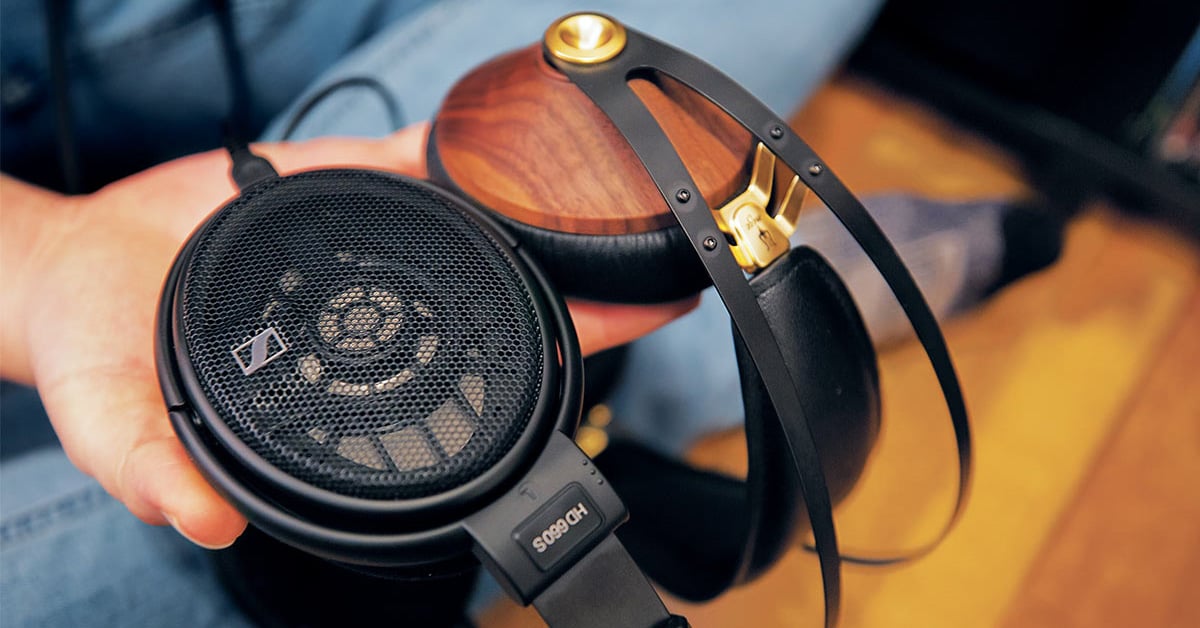
Open-back headphones can feel even more natural at home because they allow more airflow. However, they leak sound and do not block outside noise. They are not ideal for shared rooms, libraries, or travel.
Best for people who wear glasses
People who wear glasses often need soft pads with low clamping force. The Bose QuietComfort range is usually a safe starting point because the cushions can sit gently around eyeglass frames.
Thick temple arms can create gaps in the seal. That may reduce noise cancellation and cause pressure. Try headphones with flexible pads and avoid models that press hard against the sides of your glasses.
Best for small heads
Small heads often benefit from light headphones with a broad adjustment range. The Sony WH-1000XM5 and Bose models can work well, but fit varies from person to person.
A loose fit may allow the headphones to move when you walk. If the ear cups slide below your ears, choose a model with shorter headband adjustment or stronger stability.
Best for large ears
Large ears need deep, wide ear cups. The Sennheiser Momentum 4 and many large studio headphones offer more internal space than compact wireless models.
Check the inside dimensions when the manufacturer provides them. A soft pad is not enough if your ears touch the speaker grille.

Over-ear, on-ear, and in-ear comfort
Choosing the right headphone style is just as important as choosing a brand. The most comfortable headphones for you may not be over-ear models.
Over-ear headphones
Over-ear headphones surround the ears. They usually provide the best pressure distribution and passive sound isolation.
Advantages include:
- Better comfort for many long listening sessions
- More room for the ears
- Stronger noise isolation
- Larger drivers and fuller sound
Limitations include more heat, greater size, and higher weight. Some users also dislike the feeling of a sealed ear cup.
On-ear headphones
On-ear headphones rest directly on the ears. They are often smaller and lighter than over-ear models.
They can work well for short trips and casual use. However, the ear pads may create pressure on the outer ear. This can become uncomfortable faster than an over-ear design.
In-ear headphones
In-ear headphones sit inside the ear canal or at the entrance of the ear. They are small, portable, and useful for exercise.
Comfort depends on the ear tip. Silicone, foam, and different tip sizes can change the fit dramatically. If earbuds hurt, try a smaller tip, a different shape, or a design that rests outside the canal.
In-ear models can also create an earplug effect. This is the blocked, echo-like feeling some people notice while speaking or walking.

How to choose the most comfortable headphones
Use this step-by-step process before you buy. It can prevent the common mistake of choosing headphones based only on sound quality or brand name.
1. Measure your listening habits
Ask yourself how you will use the headphones:
- Do you wear them for 30 minutes or eight hours?
- Do you use them in a hot room?
- Do you wear glasses?
- Do you walk, exercise, or sit still?
- Do you need strong noise cancellation?
- Do you prefer a light or secure fit?
Long sessions place more importance on weight, ventilation, and pressure. Short sessions give you more freedom to choose based on sound and style.
2. Check the weight
Weight is not the only comfort factor, but it matters. Heavy headphones can create neck strain and a sore spot on the top of the head.
A difference of 30 or 40 grams may feel small on paper. After several hours, it can feel like carrying a small object on your head all day.
3. Look at the ear cup shape
Round ear cups do not fit every ear. Oval or tall ear cups may provide more useful space.
Your ears should not press against the inside of the cup. If they do, discomfort may appear within minutes.
4. Consider the pad material
Synthetic leather can create a strong seal and improve noise cancellation. It can also trap heat.
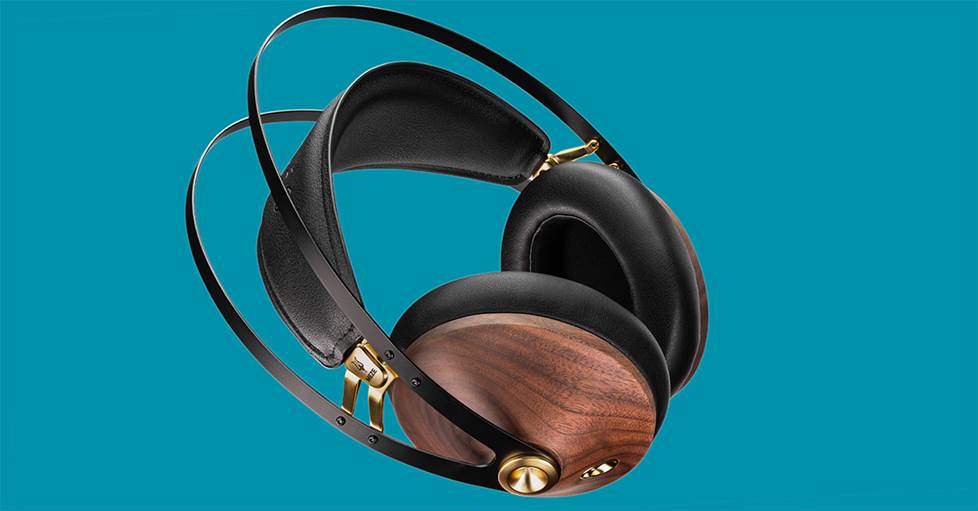
Fabric and velour often feel cooler. They may leak more sound and provide less isolation, so they are common on open-back and studio headphones.
5. Test the clamping force
Place the headphones on your head and relax your jaw. If the sides press into your temples, the headphones may become painful during a long session.
A secure fit is useful for movement. But a tight fit is not automatically a better fit.
6. Check the return policy
Comfort is personal. Even excellent reviews cannot predict how a headphone will feel on your head.
Buy from a seller with a clear return window. Test the headphones at home for at least 30 minutes before deciding. Check for pressure around your ears, jaw, temples, and crown.
Common comfort problems and how to fix them
Even the most comfortable headphones can cause problems when the fit is wrong. Small changes often make a major difference.
Headband pressure
A sore spot on the top of your head may mean the headband is too narrow or too firm. Adjust the slider so the ear cups sit at the center of your ears. A soft headband cover may help, but it can also make the fit tighter.
Ear pain
Ear pain often means the ear cups are too small or the clamping force is too strong. Try loosening the headband slightly or replacing the pads with deeper ones.
Do not ignore sharp pain. Comfort should improve, not become something you simply tolerate.
Sweaty ears
Closed-back headphones can hold in heat. Take short breaks, lower the room temperature, or choose breathable replacement pads.
Fabric pads can feel cooler, but changing pads may affect sound and noise cancellation. Check whether replacement pads are designed for your model.
Headphones that slide
Sliding can result from a loose fit, oily pads, or a smooth headband. Adjust both sides evenly and clean the pads with a safe, slightly damp cloth.
Avoid wearing headphones too far back on your head. The ear cups should center around your ears, not sit behind them.
Glasses causing pressure
Thick eyeglass frames can break the seal and create pressure near the temples. Soft pads with flexible edges usually work better.
You can also try thinner frames or headphones with lower clamping force. Never bend the headphone frame without checking the warranty, since this may cause damage.
Jaw fatigue
Strong clamping can press the area near the jaw joint. This may feel worse while chewing or talking.
Choose a lighter fit and take regular breaks. If you have ongoing jaw pain, stop using the headphones and consider professional medical advice.

Comfort, sound quality, and hearing safety
Comfort and sound quality often support each other. If headphones fit well, you may not need to increase the volume to hear detail.
Noise cancellation can help in loud places because it reduces the urge to overpower outside sound. It does not make loud listening safe, however. High volume can still harm hearing over time.
Useful habits include:
- Keep the volume as low as practical.
- Take short breaks during long listening sessions.
- Avoid sleeping with bulky headphones.
- Clean ear pads and ear tips often.
- Give your ears time to recover after loud events.
- Use noise cancellation in loud environments rather than raising volume.
Many hearing experts use the 60/60 idea as a simple reminder: listen near 60 percent volume for about 60 minutes, then take a break. This is not a perfect rule for every device, but it encourages safer habits.
A comfortable fit can make you forget that you are wearing headphones. That is helpful, but it can also make long listening sessions less noticeable. Set a timer if you often listen for several hours.

Wireless features that improve comfort
Comfort is not only physical. Convenience also affects how pleasant headphones feel each day.
Useful features include:
- Multipoint Bluetooth: Connect to two devices and switch between a phone and computer.
- Automatic pause: Stop playback when you remove the headphones.
- Transparency mode: Hear people and announcements without removing the headphones.
- Physical controls: Use simple buttons without searching for touch panels.
- Long battery life: Avoid carrying a charging cable everywhere.
- USB-C charging: Use the same cable as many modern phones and tablets.
- Wear detection: Reduce battery use when the headphones are not being worn.
Wireless headphones can add weight because of their batteries and electronics. Wired studio headphones are often lighter and cooler, especially when they use open-back ear cups.
For home use, a wired model may be more comfortable because it does not need a battery or wireless controls. For commuting, wireless convenience usually wins.

Mistakes to avoid when buying comfortable headphones
Many buyers focus on the wrong details. Avoid these common mistakes.
Choosing based only on reviews
A reviewer may praise a headphone as comfortable, but head shape and ear size vary. Use reviews as a starting point, not proof that the fit will work for you.
Ignoring heat
A soft pad can still feel hot. If you live in a warm climate or work without air conditioning, pay attention to ventilation and pad material.
Assuming lighter always means better
Very light headphones may have thin pads or weak stability. Comfort comes from balance, not weight alone.
Buying a tight fit for noise isolation
A tighter fit may improve passive isolation, but it can cause pain. Active noise cancellation can reduce the need for extreme clamping force.
Forgetting replacement pads
Pads wear out from skin oil, sweat, and daily use. Check whether replacement cushions are available and affordable before buying expensive headphones.
Testing for only five minutes
Some pressure problems appear after an hour. If possible, wear the headphones while reading, working, or watching a full episode before making a final choice.
A simple comfort ranking
The most comfortable headphones differ by user, but this general ranking can help narrow your choices:
- Bose QuietComfort Ultra: Best overall balance of light weight, soft pads, and noise cancellation.
- Bose QuietComfort: Best for a light, relaxed fit at a lower price.
- Sony WH-1000XM5: Best for travel, office work, and balanced long-term comfort.
- Sennheiser Momentum 4 Wireless: Best for large ears, long battery life, and extended listening.
- Apple AirPods Max: Best for Apple users who like a premium fit and breathable mesh headband.
- Open-back studio headphones: Best for cool, natural home listening when sound leakage is acceptable.
- Lightweight in-ear headphones: Best for exercise and portability when over-ear models feel hot.
This list is not a universal winner chart. Ear shape, glasses, climate, and personal sensitivity can change the order. Try to match the design to your daily routine.
Frequently asked questions
What are the most comfortable headphones for long flights?
The Bose QuietComfort Ultra and Sony WH-1000XM5 are strong choices for long flights because they combine soft ear pads, low weight, and effective noise cancellation. The best option is the one that fits your head without creating heat or temple pressure.
Are over-ear headphones more comfortable than earbuds?
Over-ear headphones are often more comfortable for long sessions because they do not sit inside the ear canal. Earbuds are smaller and cooler, but comfort depends heavily on the ear tip size and shape.
Which comfortable headphones are best for people with glasses?
Headphones with soft, flexible ear pads and low clamping force usually work best with glasses. Bose QuietComfort models are a useful starting point, but thick eyeglass frames can affect the fit of any headphone.
Can comfortable headphones still damage hearing?
Yes. Comfort does not prevent hearing damage if the volume is too high or listening sessions are too long. Keep the volume moderate, take breaks, and avoid using loud audio to overpower background noise.
Are heavier headphones less comfortable?
Not always, but extra weight can increase neck and head fatigue during long use. A well-balanced headphone can feel comfortable despite its weight, while a poorly balanced light model may still create pressure.
How long should comfortable headphones last?
With careful use, quality headphones can last for several years. Batteries, ear pads, hinges, and headbands usually show wear first, so replaceable pads and a strong warranty add long-term value.
Should headphones feel tight when new?
Headphones should feel secure but not painful. A tight fit may loosen slightly over time, but sharp pressure around the ears, temples, or jaw is a sign to choose another model.
Conclusion
The most comfortable headphones usually combine low weight, deep ear cups, soft pads, moderate clamping force, and easy adjustment. Bose QuietComfort models are excellent for a relaxed fit, Sony’s WH-1000XM5 suits travel and work, and Sennheiser’s Momentum 4 is a strong choice for long listening and larger ears.
Comfort is personal, so do not choose by brand or appearance alone. Check the weight, pad shape, heat, headband, and return policy, then test the fit for a full listening session. Choose the pair that lets you focus on your music instead of your head, and share your experience or explore more headphone guides before making your final decision.

Everett Ashford is a tech reviewer at mytechgrid.com specializing in SSDs, cameras, TVs, earbuds, headphones, and other consumer electronics. He provides honest, data-driven reviews based on hands-on testing and real-world performance analysis. Everett simplifies complex tech details to help readers make smart, confident buying decisions.