The best headphones for working out are secure, sweat-resistant, comfortable, and easy to control during intense movement.
Choosing the best headphones for working out depends on your training style, phone, budget, and safety needs. After comparing fit, sound, battery life, water resistance, comfort, and real gym use, this guide will help you find a pair that stays in place from warm-up to cooldown.
What to Look for in Workout Headphones
The best headphones for working out should feel almost invisible once you put them on. They must stay secure during running, jumping, lifting, and rapid movement without causing pain or pressure.
Sound quality matters, but it is not the only factor. A powerful bass response can make a workout more fun, while clear vocals help during podcasts or guided training sessions. Still, great sound is useless if the earbuds fall out every few minutes.
Focus on these key features:
• Secure fit: Ear hooks, wing tips, or a snug in-ear seal can stop movement during exercise.
• Sweat and water resistance: Look for an IPX4 rating or higher for sweat. IPX7 offers stronger protection against water, but ratings vary by model and do not always mean the product is safe for swimming.
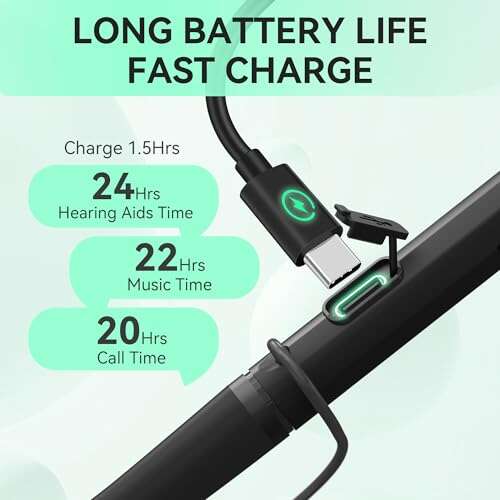
• Battery life: Aim for at least six hours from the earbuds, plus extra power from the charging case.
• Simple controls: Physical buttons or reliable touch controls are easier to use with sweaty hands.
• Comfort: A good pair should not create hot spots, ear fatigue, or pressure after long sessions.
• Awareness options: Transparency or open-ear modes let you hear traffic, gym announcements, or nearby people.
• Stable Bluetooth: Bluetooth 5.2 or newer can offer efficient connections, but the version alone does not guarantee perfect performance.
The best headphones for working out also need to match your environment. Noise cancellation can help in a loud gym, but it may be unsafe near cars, cyclists, or other hazards.

Our Top Picks for the Best Headphones for Working Out
There is no single model that suits every athlete. The best headphones for working out vary based on whether you run outdoors, lift weights, cycle, or train in a busy gym.
Here are strong options for different needs:
Best Overall: Beats Fit Pro
The Beats Fit Pro remain a well-rounded choice for many gym users. Their small wing tips help keep them secure, and their sound has enough bass to energize strength training and cardio.
They work especially well for iPhone users because of Apple-focused features such as quick pairing and hands-free access to Siri. Android users can also use them, although some Apple-only functions are limited.
Key strengths include:
• Secure wing-tip design
• Transparency mode
• Spatial audio support
• Good sweat resistance
One limitation is that the fit can feel tight for people with sensitive ears. Try different ear tips before deciding that the earbuds are uncomfortable.
Best for Runners: Shokz OpenRun Pro 2
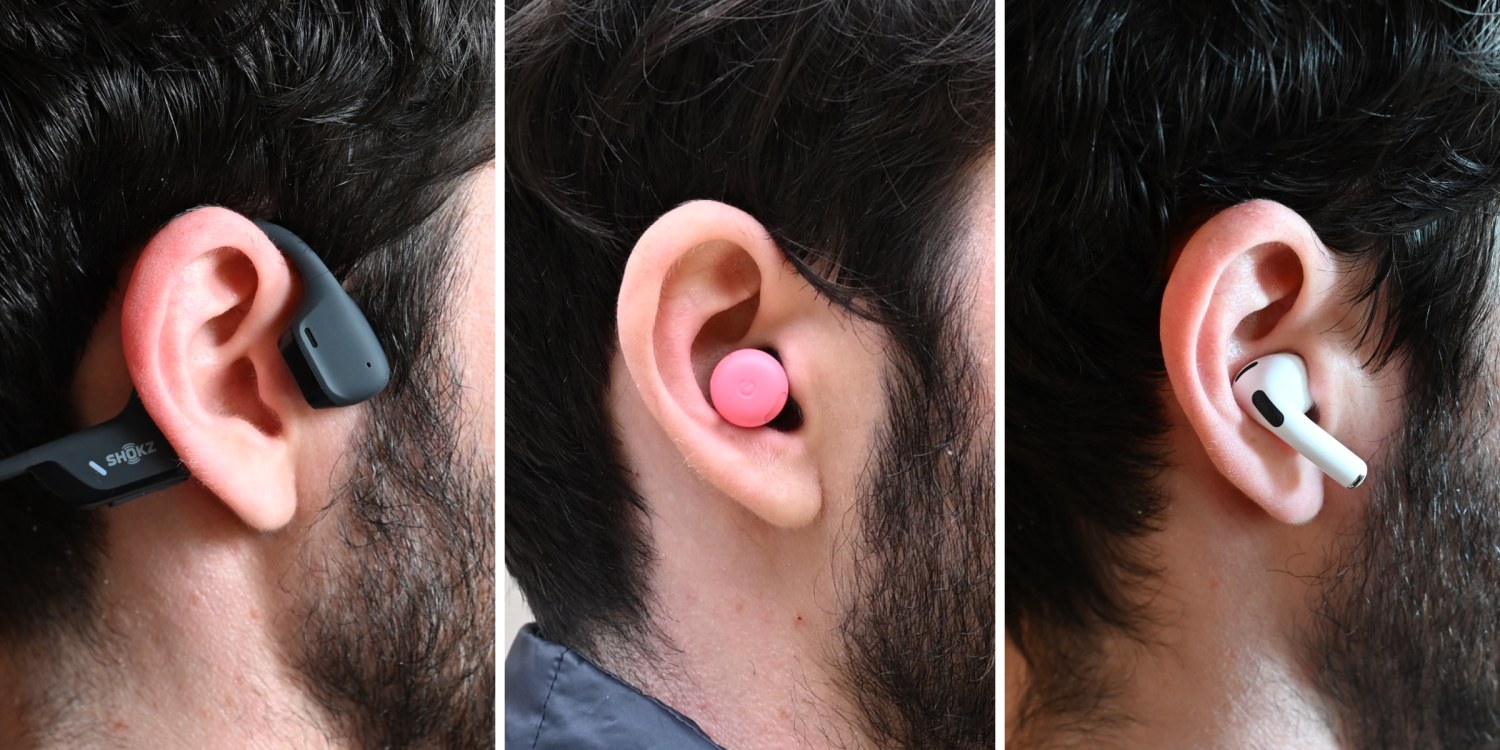
The Shokz OpenRun Pro 2 use an open-ear design. They sit outside the ear canal, so you can hear traffic and other sounds around you.
This makes them one of the best headphones for working out outdoors. They are useful for road running, walking, and cycling where environmental awareness matters.
Their sound is not as deep or private as sealed earbuds. People near you may also hear a small amount of sound at higher volume. That tradeoff is often worth it for safer outdoor training.
Best for Apple Users: AirPods Pro 2
AirPods Pro 2 offer strong sound, effective noise cancellation, and a comfortable design for many users. They are especially convenient if you use an iPhone, Apple Watch, or Mac.
The transparency mode sounds natural and helps you hear conversations without removing the earbuds. Their charging case also adds several listening sessions between charges.
They are not the most secure option for every runner. Some people may need third-party foam tips or another design with ear wings for intense movement.
Best for Heavy Training: Powerbeats Pro 2
Powerbeats Pro 2 use over-ear hooks to add stability. This design can be helpful for burpees, sprint intervals, and other workouts where ordinary earbuds may shift.
They also include features aimed at training, such as heart-rate tracking when used with supported devices and apps. Their larger design may feel less subtle than compact earbuds, but the hooks provide confidence during hard sessions.
Choose them if staying in place matters more to you than having the smallest possible earbuds.
Best Budget Option: Soundcore Sport X20
The Soundcore Sport X20 offer rotating ear hooks, strong battery life, and useful workout features at a lower price than many premium models.
They can be a smart choice for gym members who want a secure fit without spending top dollar. Their companion app also provides equalizer controls, so you can adjust the sound to your taste.
The sound and microphone quality may not match premium earbuds. Even so, they deliver the core features most people need for exercise.
Best for Water Resistance: JBL Endurance Peak 3
The JBL Endurance Peak 3 have ear hooks, long battery life, and a high water-resistance rating. They suit people who sweat heavily or train outdoors in changing weather.
Their larger shape provides a stable fit, but they may feel bulky compared with small true wireless earbuds. Always check the manufacturer’s care instructions, and dry the earbuds before placing them in the case.
Best for Hearing Your Surroundings: Bose Ultra Open Earbuds
Bose Ultra Open Earbuds rest beside the ear instead of sealing the ear canal. You can listen to music while remaining aware of voices, vehicles, and other sounds.
They are comfortable for many people and create a wide, speaker-like sound. However, they offer less privacy and less deep bass than sealed earbuds. They also cost more than many conventional workout headphones.

Best Headphones for Working Out by Exercise Type
Your workout determines which features matter most. A weight lifter, marathon runner, and indoor cyclist may all need different headphone designs.
For Running
Runners need stability, comfort, and awareness. Ear hooks, wing tips, or open-ear frames usually work better than loose earbuds.
Good choices include:
• Shokz OpenRun Pro 2 for outdoor awareness
• Powerbeats Pro 2 for a locked-in fit
• Beats Fit Pro for a smaller in-ear design
If you run near traffic, avoid using strong noise cancellation at high volume. You should be able to hear horns, bikes, runners, and emergency vehicles.
For Weightlifting
Lifting sessions involve less constant bouncing, so many standard earbuds work well. Noise cancellation can help you focus in a crowded gym.
The best headphones for working out in a weight room should have:
• Reliable controls between sets
• Strong sweat resistance
• A comfortable fit for long sessions
• A case that fits easily in a gym bag
Beats Fit Pro, AirPods Pro 2, and Soundcore Sport X20 are practical choices for most indoor lifting sessions.
For HIIT and Cross-Training
High-intensity interval training includes quick changes in direction. Earbuds that rely only on a loose seal may move or fall out.
Choose ear hooks or flexible wing tips. Powerbeats Pro 2 and Soundcore Sport X20 are especially suitable for workouts with jumping, sprinting, and floor exercises.
For Cycling
Cyclists need to hear the road. Open-ear headphones are often safer than fully sealed earbuds, especially on public roads.
Shokz OpenRun Pro 2 and Bose Ultra Open Earbuds allow more outside sound to reach you. Keep the volume moderate, and follow local laws or event rules about headphone use.
For Gym Classes
In a spin, dance, or fitness class, you may want noise cancellation and a secure fit. Small earbuds are also easier to wear under hats or headbands.
AirPods Pro 2 and Beats Fit Pro work well in indoor classes. If the instructor gives verbal cues, use transparency mode instead of full noise cancellation.

In-Ear, Over-Ear, and Open-Ear Headphones Compared
The best headphones for working out may be earbuds or headphones, depending on your priorities. Each design has clear benefits and drawbacks.
In-Ear Earbuds
In-ear earbuds fit inside the ear canal and create a seal. This design usually provides strong bass, good noise isolation, and a small profile.
Benefits include:
• Compact size
• Strong sound quality
• Effective noise cancellation
• Easy storage
Possible drawbacks include ear pressure, sweat buildup, and a less secure fit during explosive movement.
Over-Ear Headphones
Over-ear headphones cover the ears with padded cups. They can offer rich sound and strong noise cancellation, but they are often less practical for sweaty workouts.
They may become warm, shift during movement, and feel heavy during running. They work better for walking, light exercise, or stationary training than for intense cardio.
Open-Ear Headphones
Open-ear headphones sit outside the ear canal. They let you hear your surroundings and usually feel comfortable during long outdoor sessions.
Their main limits are reduced bass, more sound leakage, and less privacy. They are an excellent safety-focused option, but not always the best choice for a loud gym.
How Much Water Resistance Do Workout Headphones Need?
Water resistance is measured with an IP rating. The first number refers to protection from solid particles, while the second number refers to water.
Common ratings include:
• IPX4: Protection from water splashes and sweat
• IPX5: Protection from water jets
• IPX7: Protection from temporary immersion
An IPX4 rating is often enough for regular gym workouts. People who train outdoors or sweat heavily may prefer IPX5 or IPX7.
Do not assume a water-resistant rating makes headphones waterproof in every situation. Salt from sweat, soap, hot tubs, and ocean water can still damage electronics. Wipe your earbuds after training, let them dry fully, and never charge them while wet.

Noise Cancellation and Workout Safety
Active noise cancellation uses microphones and digital processing to reduce outside sound. It can make music clearer in a loud gym, train, or airplane.
However, noise cancellation can reduce awareness. That matters when running near roads, cycling in traffic, or exercising in a busy public space.
Use these habits:
• Turn on transparency mode outdoors
• Keep volume low enough to hear nearby sounds
• Remove one earbud when crossing streets
• Avoid noise cancellation near hazards
• Follow gym rules and local safety guidance
Research on safe listening often focuses on volume, time, and exposure. A simple rule is to keep your listening level as low as possible while still hearing clearly. If you leave a workout with ringing or muffled hearing, lower the volume next time and give your ears a break.

Comfort, Fit, and Ear Tip Selection
Fit often matters more than brand. Even the best headphones for working out will fail if they hurt or slip.
Start with the smallest ear tip that creates a stable seal. If the sound feels thin or outside noise remains loud, try a larger tip. Foam tips can improve grip, but they may absorb sweat and need regular replacement.
Use this simple fit test:
-
Insert the earbuds and gently move your head.
-
Do several jumping jacks or a short jog.
-
Check whether the earbuds shift or create pressure.
-
Try another ear tip or wing size.
-
Wear them for 20 to 30 minutes before a long workout.
A secure fit should feel firm, not painful. If your ears become sore, numb, or hot, the shape may not suit you. Do not force yourself to adjust to a poor fit.

Battery Life and Charging for Active Users
Battery life becomes important when you train often. A pair that lasts six to eight hours can cover several workouts, while a charging case can provide several extra charges.
Look for:
• At least six hours of playback per charge
• A case with quick charging
• A battery indicator in the companion app
• USB-C charging
• Reliable battery performance in cold or hot conditions
Noise cancellation often uses more power. High volume, phone calls, and advanced tracking features can also reduce battery life.
Keep the charging case in a cool, dry place. Do not leave it in a hot car or a damp gym bag. Heat can reduce battery performance over time.

How to Clean and Maintain Workout Headphones
Sweat and earwax can block speaker openings, reduce sound quality, and irritate your skin. Cleaning your headphones takes only a few minutes but can extend their useful life.
Follow these steps:
-
Remove the ear tips.
-
Wipe the earbuds with a soft, dry cloth.
-
Clean the tips with mild soap and water if the manufacturer allows it.
-
Dry every part fully before reassembly.
-
Use a dry, soft brush for dust around speaker grilles.
-
Wipe the charging case separately.
Avoid sharp tools, strong cleaners, and compressed air. Never push moisture into the speaker openings.
I have found that the charging case is often the overlooked problem. Sweat can collect on the earbuds, then transfer into the case. A quick wipe after every demanding workout helps prevent charging issues.

Common Mistakes to Avoid
Buying the most expensive model does not guarantee the best workout experience. Many problems come from choosing the wrong shape or using headphones in the wrong environment.
Avoid these mistakes:
• Choosing headphones only for sound quality
• Ignoring the fit until the first long workout
• Using maximum volume to overcome poor ear tips
• Wearing full noise cancellation near traffic
• Leaving wet earbuds inside the charging case
• Assuming IPX4 means waterproof
• Forgetting to update firmware
• Buying a model without checking phone compatibility
• Wearing over-ear headphones during intense heat without considering comfort
One mistake I see often is testing earbuds while sitting still. A pair can feel perfect at a desk and fail during a sprint. Always test movement, sweat, and comfort before relying on headphones for an important race or training session.
How to Choose the Right Pair
Use this short process to narrow your options.
-
Decide where you train. Outdoor users may need open-ear awareness, while gym users may prefer noise cancellation.
-
Match the fit to your movement. Choose hooks or wings for running, HIIT, and jumping.
-
Set a realistic budget. Good workout earbuds are available at several price points.
-
Check water resistance. Pick at least IPX4 for regular sweaty sessions.
-
Consider your phone. Apple users may value AirPods features, while Android users should check app support.
-
Test comfort. Wear the headphones for at least 20 minutes before making a final decision.
-
Review return terms. Ear shape varies, so a return window is valuable.
For most people, Beats Fit Pro offer a balanced mix of fit, sound, and features. Outdoor runners may prefer Shokz OpenRun Pro 2, while people who want the strongest hold should consider Powerbeats Pro 2.
Frequently Asked Questions
What are the best headphones for working out?
The best headphones for working out are usually Beats Fit Pro, Powerbeats Pro 2, Shokz OpenRun Pro 2, AirPods Pro 2, or Soundcore Sport X20. The right choice depends on fit, exercise type, outdoor awareness, phone compatibility, and budget.
Are earbuds or headphones better for working out?
Earbuds are usually better because they are lighter, cooler, and easier to secure. Over-ear headphones can offer richer sound, but they may feel hot and shift during intense movement.
Are noise-canceling headphones safe for exercise?
Noise-canceling headphones can be safe in controlled places such as a gym or treadmill. Use transparency mode or open-ear headphones near roads, cyclists, and other hazards so you can hear what is happening around you.
What IP rating should workout headphones have?
An IPX4 rating is generally suitable for sweat and light splashes. Choose a higher rating if you train outdoors often or sweat heavily, but follow the product’s care instructions because water resistance has limits.
How can I stop workout earbuds from falling out?
Try a different ear tip, wing, or hook size and insert the earbuds at the correct angle. If they still move during jumping or running, choose a design with ear hooks or an open-ear frame.
Can I use regular AirPods for working out?
Regular AirPods can work for light exercise if they fit securely and your model has suitable sweat protection. They may not be the best option for running or HIIT because their open fit can feel less stable.
Conclusion
The best headphones for working out should fit your ears, match your training, resist sweat, and keep you aware of your surroundings when needed. Beats Fit Pro are a strong all-purpose option, Shokz OpenRun Pro 2 suit outdoor runners, and Powerbeats Pro 2 offer extra stability for demanding sessions.
Do not choose based on sound or brand alone. Test the fit while moving, keep the volume moderate, and clean the headphones after sweaty workouts. Pick the pair that supports your routine, then explore more fitness gear guides and share your favorite workout headphones in the comments.

Everett Ashford is a tech reviewer at mytechgrid.com specializing in SSDs, cameras, TVs, earbuds, headphones, and other consumer electronics. He provides honest, data-driven reviews based on hands-on testing and real-world performance analysis. Everett simplifies complex tech details to help readers make smart, confident buying decisions.