Bone conduction headphones are worth it for safe awareness, comfort, and active use, but not for the best sound quality.
If you are asking, “are bone conduction headphones worth it,” the honest answer depends on how you listen. These headphones send sound through the bones of your skull, leaving your ear canals open. After testing them for walks, calls, and workouts, I find their value strongest for outdoor safety and comfort—not deep bass or private listening. This guide explains the technology, benefits, drawbacks, and best use cases so you can make a smart choice.
What Are Bone Conduction Headphones?
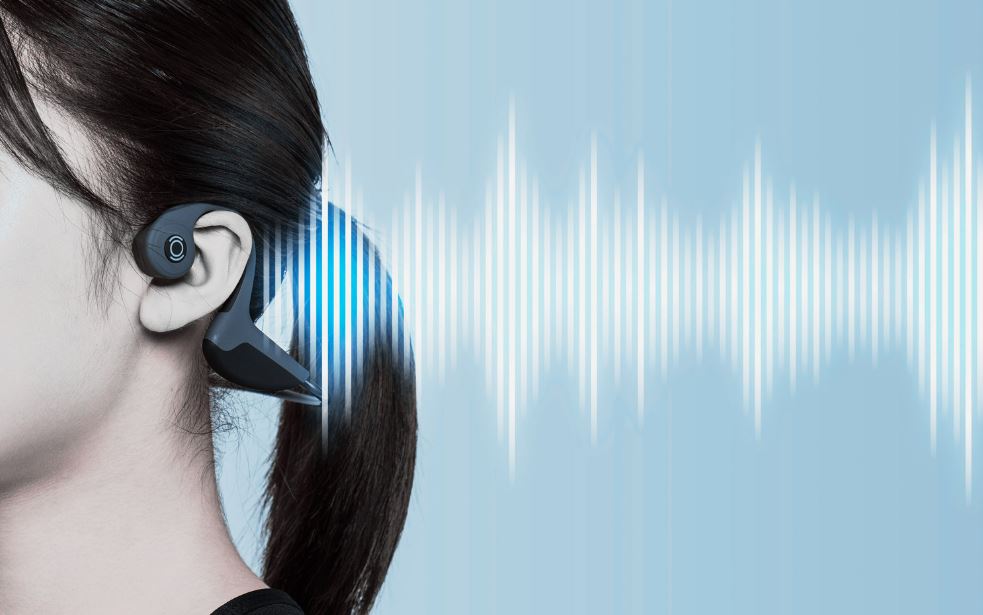
Bone conduction headphones use small transducers that rest near your cheekbones. Instead of sending sound through the ear canal, they create gentle vibrations that travel through the bones in your skull to the inner ear.
Your cochlea, which helps turn vibrations into signals your brain understands, still does the main work. The outer and middle ear are mostly bypassed. This is why your ears can remain open while you listen to music, podcasts, or calls.
Traditional headphones act like speakers placed inside or over your ears. Bone conduction headphones work more like a tiny knocking system. They create vibrations that your hearing system interprets as sound.
This design is not new. Bone conduction has long been used in hearing technology and communication equipment. Modern consumer models are smaller, lighter, and made for running, cycling, office work, and daily use.
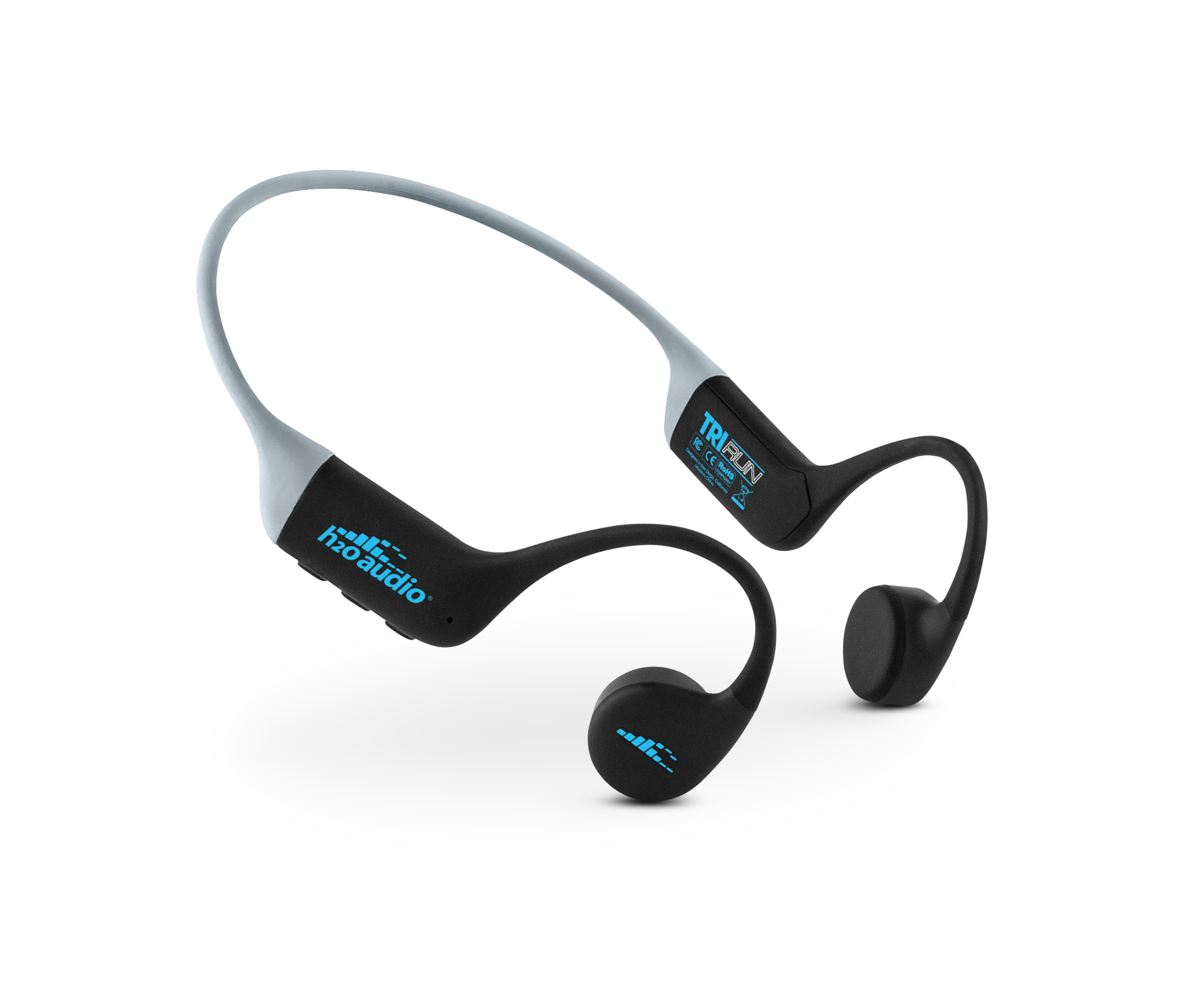
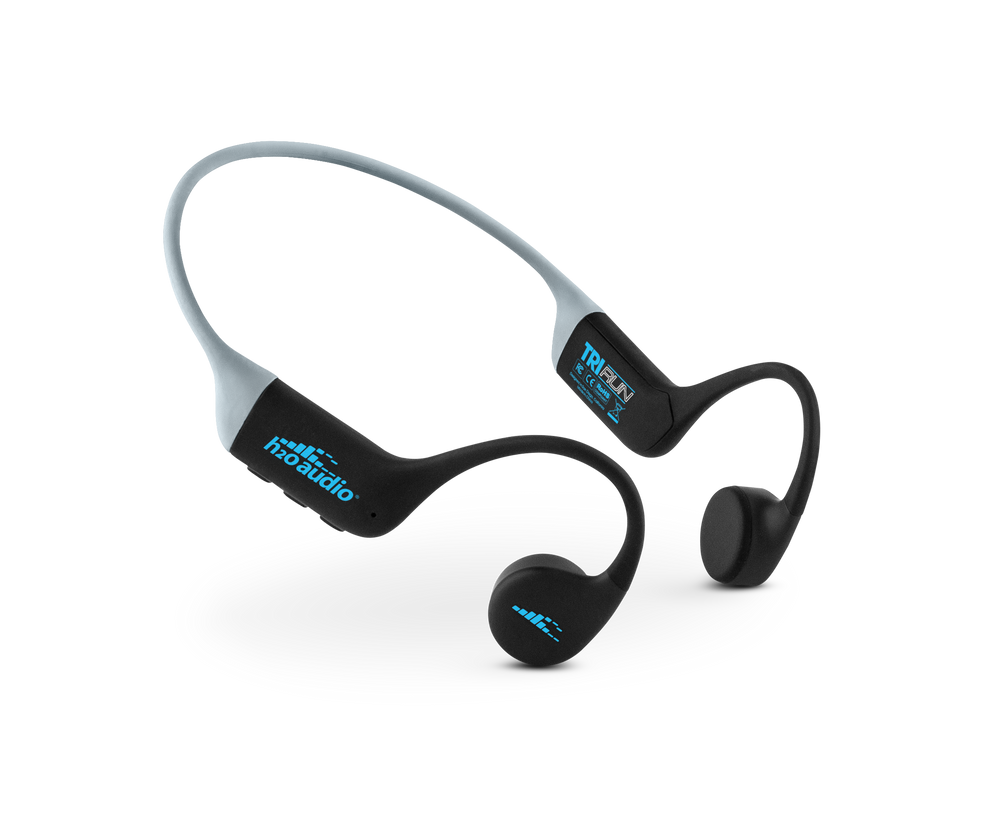
Many models use a wraparound band that sits behind the head. They often include:
• Open-ear transducers near the cheekbones
• Bluetooth for wireless audio
• A built-in microphone for calls
• Physical buttons for play, pause, and volume
• Water resistance for exercise and outdoor use
• Internal storage on some sport-focused models
The key point is simple: bone conduction headphones do not block your ear canals. That feature explains both their greatest strength and their biggest weakness.

Are Bone Conduction Headphones Worth It for Most People?
For many active listeners, yes. For people who want rich music, strong bass, or complete noise isolation, usually no.
The answer to “are bone conduction headphones worth it” depends on your main goal. If you run near traffic, work in a busy office, or dislike earbuds, the open-ear design can be highly useful. If you mostly listen at home and care about detailed sound, regular headphones will likely offer more value.
Here is a quick way to judge their worth:
• Choose them for awareness, comfort, and exercise
• Choose them for long walks, bike rides, and outdoor work
• Choose them if earbuds fall out or irritate your ears
• Avoid them if you want powerful bass and crisp musical detail
• Avoid them if you need strong noise cancellation
• Avoid them if you often listen in loud places
In my own listening tests, the biggest benefit was not sound quality. It was the freedom to hear cars, people, doorbells, and nearby conversations without removing the headphones. That small convenience can make daily use feel much easier.
Still, open ears do not make you invincible. Loud traffic, construction, wind, and crowds can cover the audio. You should remain alert and never treat headphones as a substitute for safe behavior.

How Bone Conduction Headphones Sound
Sound quality is the most important trade-off. Bone conduction headphones can produce clear speech and pleasant music, but they usually cannot match good in-ear or over-ear headphones.
Strengths of the sound
Bone conduction headphones often perform well with:
• Podcasts
• Audiobooks
• Phone calls
• Spoken instructions
• News and talk radio
• Light background music
Voices tend to sound clear because speech does not need deep bass. This makes them useful for work calls and navigation.
Some premium models also sound surprisingly balanced during casual music listening. Acoustic tracks, pop, and simple rock can be enjoyable. Their sound is often good enough for a walk or workout.
Limitations of the sound
Bass is usually the largest weakness. Since the transducers do not seal your ears, low frequencies feel less powerful. You may hear the beat, but you will not get the same deep impact as you would from sealed earbuds.
Sound leakage is another issue. People nearby may hear a faint version of your audio, especially when the volume is high. This makes bone conduction headphones less suitable for quiet offices, libraries, or shared rooms.
Audio quality also changes with fit. If the transducers sit too far forward or backward, the sound may become weak. A small adjustment can make a noticeable difference.
So, are bone conduction headphones worth it for music? They are worth it for casual listening and awareness. They are not the best choice for critical listening, strong bass, or a private music experience.
The Main Benefits of Bone Conduction Headphones
Bone conduction headphones have a clear purpose. They solve problems that standard earbuds do not always solve well.
Open-ear awareness
The open design lets you hear your surroundings. You may notice a car approaching, a coworker speaking, or an announcement at a train station.
This is especially helpful for:
• Outdoor runners
• Walkers in busy areas
• Cyclists on shared paths
• Delivery workers
• Parents who need to hear children
• People working in active environments
Awareness is helpful, but it is not a safety guarantee. Keep the volume moderate and stay alert.
Comfortable for many users
Some people dislike the pressure of earbuds. Others develop ear fatigue after wearing sealed headphones for hours. Bone conduction headphones avoid direct contact with the ear canal.
They can be a good option for people who:
• Have small or sensitive ear canals
• Experience earbud discomfort
• Wear hearing aids
• Need to keep their ears open
• Sweat heavily during exercise
Comfort still varies. The band may press against your head, and the transducers may feel strange at first. Most users adapt after a few sessions.
Secure fit during exercise
A good pair stays in place during running, walking, and gym workouts. There are no loose ear tips to fall out when you sweat.
In my experience, this was one of the most practical advantages. I spent less time adjusting the headphones and more time focusing on the activity. That matters during long runs or outdoor workouts.
Better hygiene than shared earbuds
Because the devices do not enter the ear canal, they collect less earwax. You still need to clean the contact points, especially after sweaty workouts.
This does not mean they are germ-free. Wipe the frame and transducers with a soft, slightly damp cloth. Follow the manufacturer’s cleaning instructions and avoid soaking the charging port.
Useful for phone calls
Many models include microphones that work well in quiet places. The open design also helps you hear your own voice naturally during a call.
Wind can reduce call quality. If you often call from a windy trail or busy street, look for models with microphone noise reduction.
The Drawbacks You Should Know
The question “are bone conduction headphones worth it” must include the compromises. The technology is useful, but it is not a perfect replacement for every type of headphone.
Weak bass and limited detail
The open design makes bass less intense. Even advanced models have limits compared with sealed earbuds and over-ear headphones.
Music lovers may notice:
• Less sub-bass
• A smaller sense of space
• Lower detail in complex songs
• More difficulty hearing quiet parts outdoors
• A thinner sound at low volume
Some listeners will not care. Others will feel disappointed after paying a premium price.
Audio leakage
People nearby may hear your music. The leakage is often mild at moderate volume, but it becomes clearer as you turn the volume up.
Avoid using them for private content in quiet settings. If privacy matters, in-ear or over-ear headphones are usually better.
Wind noise
Wind can be a real problem. The microphones may pick up strong wind during calls, and outdoor noise can cover the audio.
A snug fit and moderate volume can help. Some models include wind-reduction features, but no open-ear design can fully defeat a strong gust.
Pressure and fit issues
The transducers need to rest near the cheekbones. If they press too hard, you may feel discomfort near your temples or jaw.
Try different frame shapes when possible. A product that feels comfortable for one person may feel tight for another.
Limited privacy and isolation
Bone conduction headphones do not block outside sound. That is their purpose, but it also means you cannot escape a noisy environment.
They are not ideal on airplanes, trains, loud gyms, or busy city streets. In those places, noise-canceling headphones may work better.
Hearing safety still matters
Open-ear headphones can still damage hearing if played too loudly for too long. The risk depends on volume, listening time, and distance from the sound source.
Health guidance commonly recommends keeping personal audio at a moderate level and taking listening breaks. If you need to raise the volume to hear over traffic, the environment may be too loud for safe listening.

Are Bone Conduction Headphones Safe?
For most people, bone conduction headphones are safe when used at a moderate volume and fitted correctly. They do not appear to create a special hearing advantage simply because they use bone vibration. Your inner ear still receives sound energy.
The main safety issue is volume. Open ears may tempt you to increase the volume in noisy places. That can expose your hearing to more sound than intended.
Use these habits:
• Keep the volume low enough to hear nearby sounds
• Take breaks during long listening sessions
• Do not wear them while driving
• Use extra care near traffic and intersections
• Stop using them if you feel pain, ringing, or dizziness
• Speak with a hearing professional about ongoing hearing concerns
Bone conduction headphones may help some people with outer or middle ear problems, but consumer headphones are not medical devices. If you have hearing loss, tinnitus, ear pain, or balance problems, ask an audiologist for advice.
The technology also does not guarantee better hearing. If a product sounds quiet, increasing the volume may not solve the real issue. The fit, the environment, or your hearing needs may be the cause.
Who Should Buy Bone Conduction Headphones?
Bone conduction headphones make the most sense for people with a clear need for open-ear listening.
They may be a strong choice if you:
• Run or walk outdoors
• Cycle where legal and safe
• Work in an office but need to hear coworkers
• Dislike earbuds
• Wear hearing aids
• Listen to podcasts more than music
• Want headphones that stay in place during exercise
• Need to hear announcements while listening
They can also suit parents, dog walkers, travelers, and outdoor workers. The common theme is simple: you want audio without losing contact with your surroundings.
Before buying, check the fit and return policy. Head shape varies, and comfort matters more than a long feature list. Read reviews that discuss pressure, wind, microphone quality, and sound leakage.
Who Should Avoid Them?
Bone conduction headphones may not be right for listeners who want a private and powerful audio experience.
Consider another headphone type if you:
• Listen mainly to bass-heavy music
• Need strong noise cancellation
• Work in very loud areas
• Share a quiet office
• Want full privacy
• Watch movies and care about cinematic sound
• Need the smallest possible design
In these cases, sealed earbuds or over-ear headphones may serve you better. Noise-canceling models can reduce background sound, while in-ear models often provide stronger detail and bass.
You do not need to choose only one type. Many people keep bone conduction headphones for running and use regular earbuds at home. That is often the most practical setup.

Bone Conduction Headphones vs. Open-Ear Air-Conduction Headphones
Bone conduction headphones are not the only open-ear option. Some newer models use small speakers that sit near the ear without sealing the canal. These are called open-ear air-conduction headphones.
The two designs differ in how they send sound:
• Bone conduction models use vibrations through the cheekbones
• Air-conduction models send sound through the air toward the ear
• Bone conduction models usually leak less sound near the ear opening
• Air-conduction models may offer stronger bass and clearer detail
• Both designs allow you to hear your surroundings
If sound quality matters more than a secure wraparound fit, open-ear air-conduction headphones may be worth comparing. If you want a lightweight sports frame and do not want speakers near your ears, bone conduction may be preferable.
The best choice depends on your ear comfort, activity, sound needs, and budget.
How to Choose the Best Bone Conduction Headphones
Knowing what to check can prevent an expensive mistake. Focus on real-world use rather than marketing terms.
Fit and comfort
The frame should feel secure without squeezing your head. The transducers should rest near your cheekbones, not directly on your ears or jaw.
Wear them for at least 15 minutes if testing them in a store. Pressure that seems minor at first can become annoying after an hour.
Water resistance
For workouts, look for a strong water-resistance rating. Sweat resistance may be enough for light exercise, while swimmers need a model designed for swimming.
Do not assume every water-resistant model can be submerged. Check the exact rating and charging-port instructions.
Battery life
Battery life varies by volume, Bluetooth use, calls, and extra features. A model that lasts several hours may work for short workouts, while commuters may need a full-day battery.
Some sport models include storage for music. This can help when you want to exercise without carrying a phone.
Microphone quality
If you take calls, check reviews that mention wind and outdoor noise. A clear microphone matters more than a long list of Bluetooth features.
Charging method
Magnetic chargers are common. They can be convenient, but they may be harder to replace than standard USB-C cables. Check whether the charger is proprietary before buying.
Controls
Physical buttons are often easier to use during exercise than touch controls. Look for buttons that you can find without looking.
Return policy
A return policy is important because fit varies so much. Even an excellent model may not suit your head shape.
Common Mistakes to Avoid
Many complaints about bone conduction headphones come from incorrect expectations or poor setup.
Avoid these mistakes:
-
Buying them for deep bass
Open-ear designs have natural limits. Choose them for awareness, not subwoofer-style sound. -
Wearing them too tightly
More pressure does not always mean better sound. Adjust the position instead. -
Turning up the volume outdoors
If traffic covers the audio, move to a quieter area or pause playback. -
Ignoring sound leakage
Test the headphones in a quiet room before using them around others. -
Skipping the return policy
Comfort is personal. A return option reduces the risk. -
Using them as a safety shield
Hearing your surroundings does not remove the need to watch traffic and stay aware. -
Expecting medical benefits
Bone conduction headphones may help some users hear comfortably, but they are not a replacement for hearing care.
I once focused too much on battery life and overlooked frame pressure. After a long workout, the fit mattered far more than having a few extra hours of playback. That experience changed how I compare headphones: comfort and use case come before specifications.
Are Bone Conduction Headphones Worth It for Running?
Yes, they can be excellent for running. They stay in place, do not seal the ear canal, and let you hear traffic, other runners, and environmental sounds.
They work best on parks, sidewalks, and quiet roads. On busy streets, the surrounding noise may overpower the audio. Keep the volume low and avoid relying on music to judge traffic distance.
For serious runners, look for:
• A light frame
• A secure fit
• Sweat protection
• Physical controls
• Good battery life
• A microphone that handles wind
The answer to “are bone conduction headphones worth it” is especially positive when running safety and comfort matter more than rich music.
Are Bone Conduction Headphones Worth It for Cycling?
They can be useful for cycling, but safety comes first. Laws and local rules may restrict headphone use while riding, especially on public roads. Always check the rules where you live.
Even when legal, headphones can reduce your ability to judge traffic. Keep audio quiet, stay alert, and never use headphones to replace visual awareness.
Bone conduction models may be better than sealed earbuds because they leave the ear canals open. However, wind noise can still hide important sounds. For cycling, use them only in suitable areas and under safe conditions.
Frequently Asked Questions About Are Bone Conduction Headphones Worth It
Are bone conduction headphones better than earbuds?
They are better for open-ear awareness, comfort, and exercise stability. Earbuds are usually better for bass, privacy, noise isolation, and detailed music.
Do bone conduction headphones damage hearing?
They can contribute to hearing damage if used loudly for long periods, just like other headphones. Keep the volume moderate, take breaks, and seek professional advice if you notice ringing or hearing changes.
Can people hear your music with bone conduction headphones?
Yes, some sound leakage is possible, especially at high volume. Leakage varies by model, fit, and listening environment.
Are bone conduction headphones good for phone calls?
Many models work well for calls in quiet places. Wind, traffic, and crowds can reduce microphone quality, so check reviews that test outdoor calling.
Can you use bone conduction headphones while swimming?
Only models made for swimming should be used in water. Regular water-resistant headphones may handle sweat or rain but are not designed for submersion.
Do bone conduction headphones work with hearing loss?
They may be comfortable for some people, but they are not a substitute for hearing aids or medical care. Anyone with hearing loss should ask an audiologist whether this design fits their needs.
Are bone conduction headphones worth it for music?
They are worth it for casual music during walks and workouts. If you want deep bass, high detail, or private listening, traditional earbuds or over-ear headphones are usually a better choice.
Conclusion
So, are bone conduction headphones worth it? They are a smart buy when you value open-ear awareness, comfort, and a secure fit during outdoor activities. They are less suitable when you want deep bass, strong noise blocking, or complete privacy.
Think of them as a specialized tool rather than a universal replacement for headphones. Choose a comfortable model, keep the volume moderate, and match it to your main activity. Compare fit, water resistance, microphone quality, battery life, and return policies before you buy.
If you have used bone conduction headphones, share your experience and help other readers choose the right listening style.

Everett Ashford is a tech reviewer at mytechgrid.com specializing in SSDs, cameras, TVs, earbuds, headphones, and other consumer electronics. He provides honest, data-driven reviews based on hands-on testing and real-world performance analysis. Everett simplifies complex tech details to help readers make smart, confident buying decisions.