Yes, bone conduction headphones are generally safe for most people when used at a moderate volume. They do not sit inside the ear canal, so they may reduce problems linked to blocked or irritated ear canals. However, they still send sound vibrations to the cochlea, the part of the inner ear that detects sound. Excessive volume or long listening sessions can still cause hearing loss, ringing in the ears, and sound sensitivity.
For people in the United States, the main safety rule is the same as with any headphones: keep the volume low, take breaks, and protect your hearing around loud noise. Bone conduction does not make loud sound harmless.
Quick answer for U.S. listeners
Bone conduction headphones may be a useful option if you dislike earbuds, need to hear nearby sounds, or have trouble with ear-canal irritation. They can also help some people who cannot use standard headphones.
They are not risk-free, though. The sound still reaches the inner ear. The greater the volume and the longer the exposure, the greater the chance of harm.
The safest approach is to:
- Keep the volume below the level that causes discomfort.
- Use the lowest setting that lets you hear clearly.
- Take quiet breaks during long listening sessions.
- Avoid using them near power tools, concerts, firearms, or other loud sounds without proper hearing protection.
- Stop using them and seek medical advice if you notice new ringing, muffled hearing, pain, dizziness, or drainage.
This article explains what bone conduction headphones do, how their risks compare with earbuds, and how to use them more safely in the United States.
How bone conduction headphones work
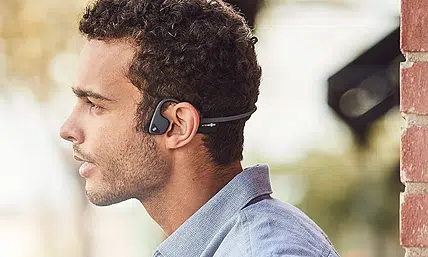
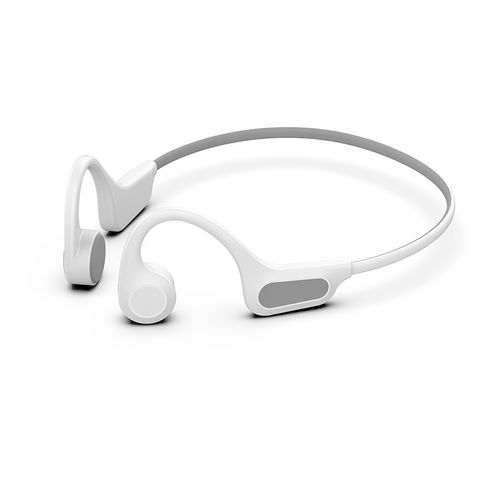
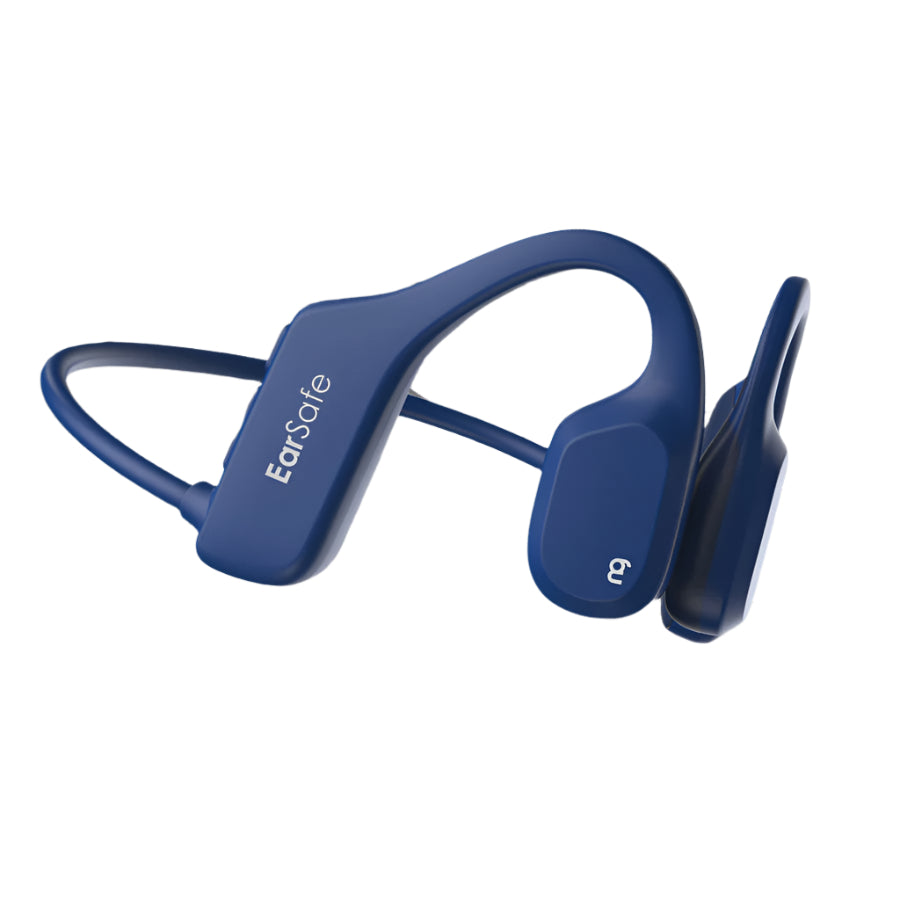
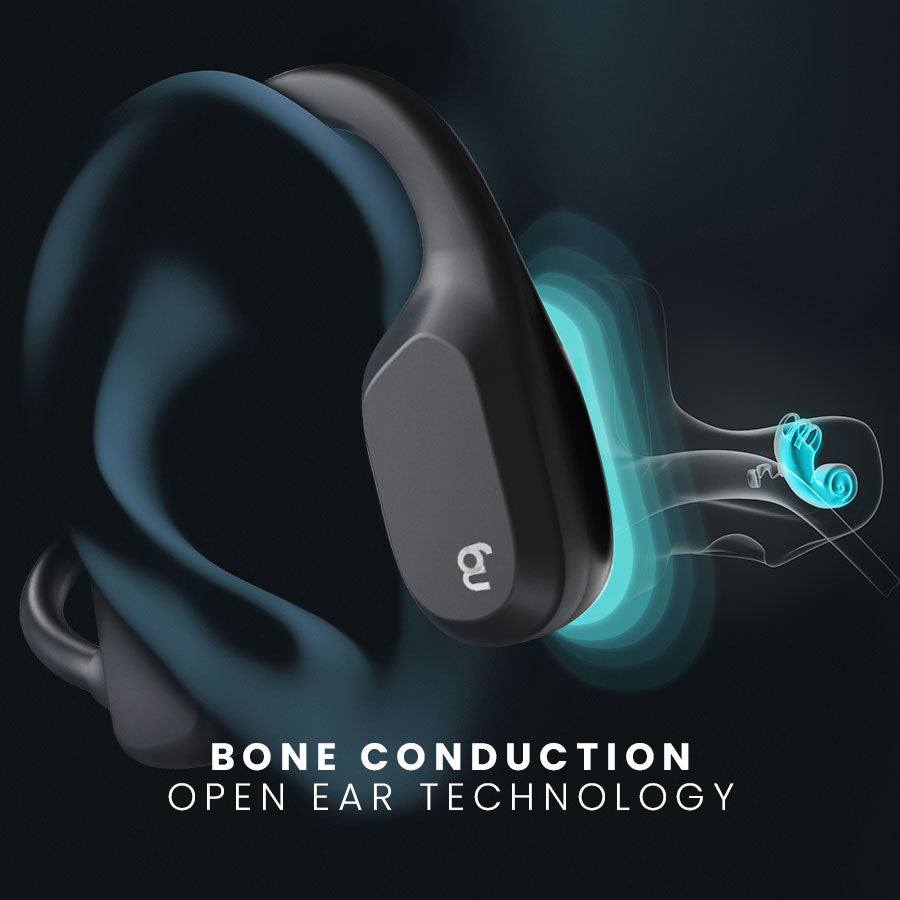
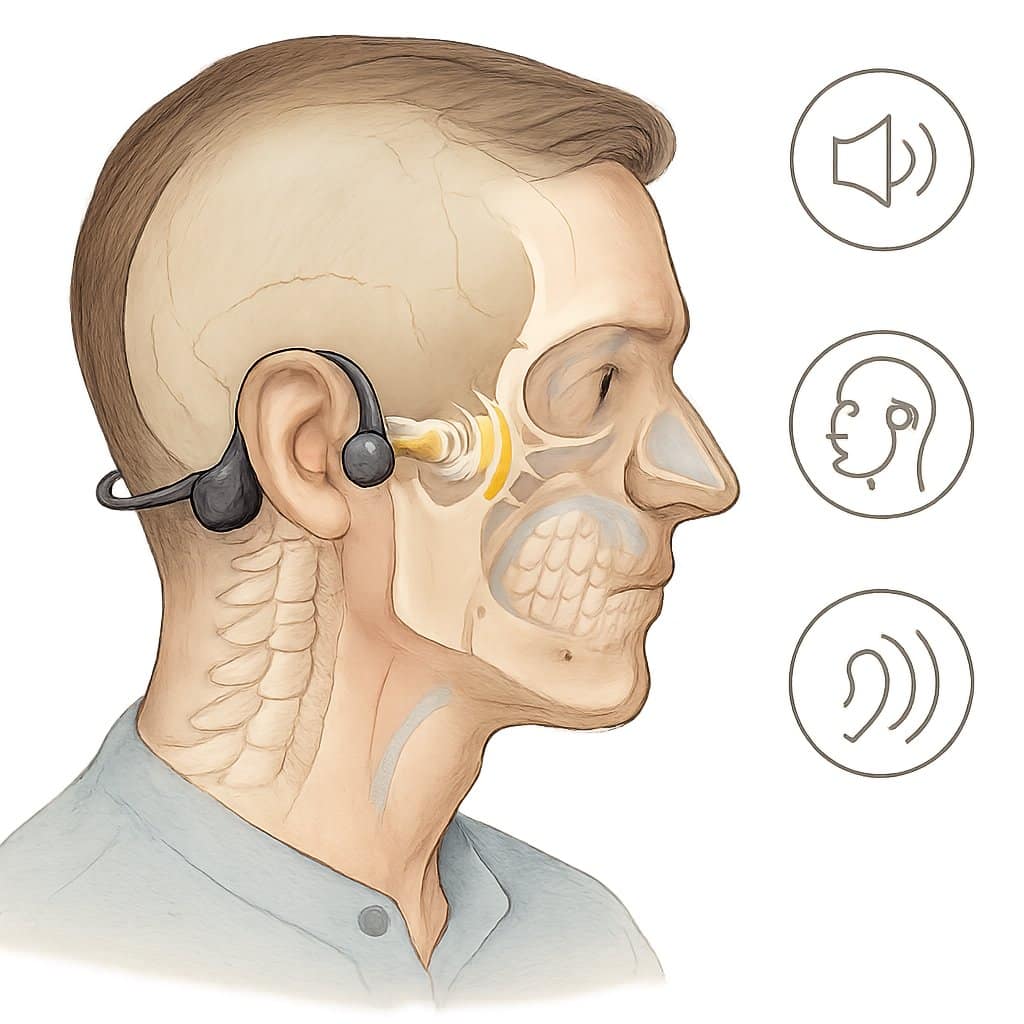
Bone conduction headphones send vibrations through the bones around your cheek and jaw to the inner ear. Traditional headphones send sound through the ear canal, eardrum, and middle ear first.
The key hearing organ is the cochlea. It contains tiny sensory cells that turn vibration into nerve signals. Both regular headphones and bone conduction headphones can stimulate the cochlea. That is why both types can cause noise-related hearing damage when used too loudly.
A simple comparison looks like this:
| Headphone type | Main sound path | Sits in the ear canal? | Can loud use harm hearing? |
|---|---|---|---|
| Earbuds | Air → ear canal → eardrum → cochlea | Usually | Yes |
| Over-ear headphones | Air → ear canal → eardrum → cochlea | No | Yes |
| Bone conduction headphones | Skull vibration → cochlea | No | Yes |
Bone conduction devices do not “skip” the inner ear. They mainly bypass the outer and middle ear. That difference may help with some ear-canal problems, but it does not remove the risk of noise-induced hearing loss.
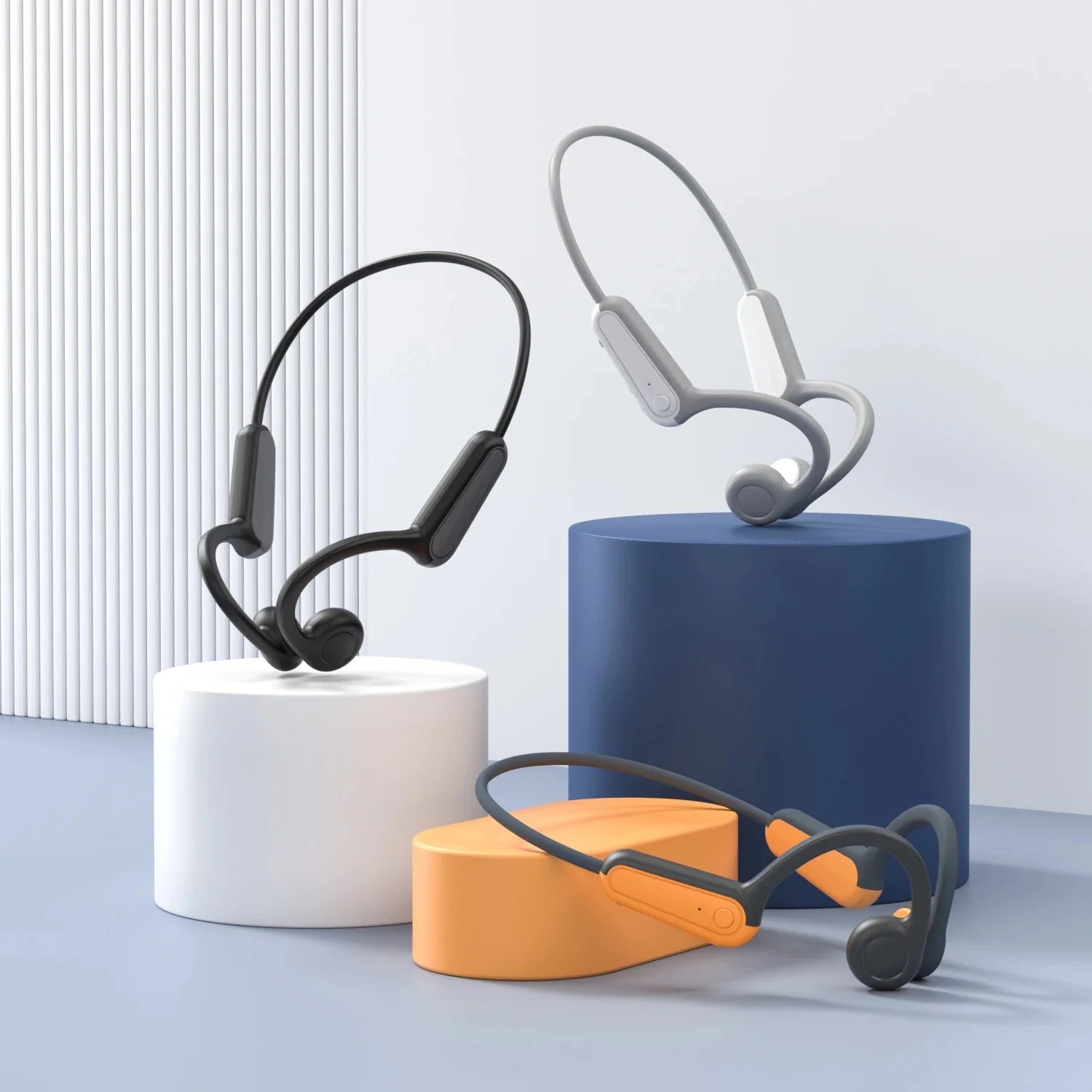
The exact design matters. Some products use a combination of bone vibration and sound from small speakers. Others may not provide the same output level, fit, or sound quality. Read the product instructions rather than assuming every model works in the same way.
Can bone conduction headphones damage your hearing?
They can, if the sound is too loud for too long. The risk comes from excess stimulation of the inner ear, not only from having a speaker inside the ear canal.
According to the National Institute on Deafness and Other Communication Disorders, repeated or long exposure to loud noise can damage the sensory cells and connections used for hearing. Human hearing cells do not reliably grow back after this type of injury.
The National Institute for Occupational Safety and Health uses 85 decibels, A-weighted, over an 8-hour workday as a recommended exposure limit. Its guidance uses a 3-decibel exchange rate: when sound rises by 3 dB, the recommended exposure time is cut in half.
That workplace limit is not a personal guarantee of safe headphone use. Music varies, headphones fit differently, and the sound level at your ear may be hard to measure. Still, the principle is useful: louder sound requires less listening time.
Possible warning signs include:
- Ringing or buzzing after listening
- Sounds seeming dull or muffled
- Trouble understanding speech in a busy room
- A need to raise the volume over time
- Ear pain or pressure
- Increased sensitivity to ordinary sounds
Temporary ringing or muffled hearing after a session is a warning, not proof that your ears are fine. Repeated temporary changes may lead to lasting problems.
Are bone conduction headphones safer than earbuds?
They may be safer for the ear canal, but they are not automatically safer for hearing. The answer depends on the risk you are trying to avoid.
Bone conduction headphones may have these advantages:
- They do not seal the ear canal.
- They may reduce moisture and pressure inside the ear.
- They can be more comfortable for some people with ear-canal sensitivity.
- They allow outside sounds to remain audible in quiet settings.
- They may work for people who cannot tolerate in-ear tips.
But they also have limits:
- They can still expose the cochlea to loud sound.
- They may sound weak in noisy places, which can tempt users to increase the volume.
- Sound quality may change with fit, hair, glasses, hats, or movement.
- They do not replace hearing protection.
- People nearby may still hear some of the audio.
The most useful comparison is not “bone conduction versus earbuds.” It is moderate sound versus excessive sound.
Ear-canal safety versus inner-ear safety
Earbuds can contribute to discomfort when they fit tightly, trap moisture, or are worn for long periods. Sharing earbuds can also spread germs. These are local ear-canal concerns.
Noise-related hearing damage is different. It affects the inner ear and can occur with any headphone type. Bone conduction headphones may reduce the first group of problems, but they do not eliminate the second.
What about ear infections?
Bone conduction headphones may be easier to tolerate when an ear canal is irritated because they do not plug the canal. However, they do not treat an infection.
Do not place earbuds into a painful or draining ear. If you have ear pain, discharge, fever, sudden hearing change, or swelling, arrange a medical evaluation. A clinician can tell you when it is safe to use headphones again.
How to use bone conduction headphones safely
Safe use depends on volume, time, background noise, and your own hearing history. Use these steps as a practical starting point.
1. Start with a low volume
Set the volume low before you begin playing audio. Raise it only until speech and music are clear.
Do not use discomfort as your only guide. Sound can be harmful before it feels painful. If the audio sounds sharp, harsh, or tiring, turn it down.
2. Use a simple conversation check
If someone standing about an arm’s length away cannot speak to you normally, or you cannot hear them without stopping your audio, the level may be too high for that setting.
This is only a rough check. It cannot measure the actual sound reaching your inner ear.
3. Take regular quiet breaks
Give your ears time away from music, podcasts, games, and other sound. A break is especially helpful during long workdays, commutes, gaming sessions, or exercise.
The World Health Organization’s safe listening guidance recommends keeping personal listening levels below 60% of maximum when possible and taking breaks. Its broader guidance also stresses that both volume and listening time matter.
4. Do not increase the volume to overcome loud surroundings
This is one of the biggest risks with open-ear and bone conduction headphones. Traffic, gym music, subway noise, and aircraft cabins can mask your audio.
Instead:
- Move to a quieter area.
- Pause the audio.
- Use certified hearing protection around dangerous noise.
- Choose a device with a safe volume limit if available.
Noise cancellation may help with some background sound, but it is not hearing protection unless the product is specifically rated and used for that purpose.
5. Keep the headphones clean
Wipe the contact areas according to the manufacturer’s instructions. Do not soak electronic parts unless the product manual says it is safe.
Clean headphones can reduce skin irritation and odor. They cannot prevent noise-related hearing loss.
6. Watch for warning signs
Stop or reduce use if you notice:
- Ringing that lasts after listening
- Muffled hearing
- Ear pain
- Dizziness
- Headaches linked to the device
- New sensitivity to normal sounds
- A sudden change in hearing
Sudden hearing loss, severe dizziness, or one-sided symptoms require prompt medical care. In the United States, sudden sensorineural hearing loss is time-sensitive, so do not wait for it to resolve on its own.
Who should be careful with bone conduction headphones?
Most healthy adults can try bone conduction headphones at a reasonable volume. Some people should ask an audiologist or physician before regular use.
Seek professional advice if you have:
- Known hearing loss
- One-sided hearing loss
- Tinnitus that is new, worsening, or severe
- Hyperacusis or unusual sound sensitivity
- Repeated ear infections
- A perforated eardrum
- Ear surgery or recent head injury
- Dizziness or balance problems
- A cochlear implant, bone-anchored hearing system, or other hearing device
- A child who will use the headphones for long periods
Bone conduction technology is also used in some medical hearing systems. Consumer headphones are not the same as prescription or implanted devices. A consumer product should not be treated as a hearing aid or as a replacement for an evaluation.
Bone conduction headphones and hearing aids
Compatibility varies by hearing aid model and by headphone design. A bone conduction headset may cause feedback, interference, pressure, or poor sound quality. Some people may hear better with a properly fitted hearing aid, a remote microphone, or an approved accessory.
Check the hearing aid manufacturer’s instructions and ask an audiologist before buying a device for this purpose.
Bone conduction headphones for children
Children’s ears are also vulnerable to excessive sound. Use parental controls or a volume-limited device when available. Monitor how long the child listens, not just the volume setting.
A device set to 60% is not a universal safety guarantee because maximum output differs by product. Children should never use headphones to block out required supervision, traffic sounds, alarms, or instructions.

When should you choose bone conduction headphones?
Bone conduction headphones may fit your needs if you:
- Dislike ear tips inside the ear canal
- Need to hear speech or environmental sounds in a quiet setting
- Experience irritation from in-ear headphones
- Want an open-ear design for walking or office use
- Need a different option after discussing hearing concerns with a clinician
They may not be the best choice if you:
- Listen mainly in very noisy places
- Need strong noise isolation
- Expect deep bass and high volume
- Plan to use them as hearing protection
- Have unexplained hearing symptoms
- Need a medical hearing device
The setting matters. For a quiet neighborhood walk, hearing the environment may be useful. Near a construction site, shooting range, lawn equipment, or loud concert, awareness alone is not enough. Use hearing protection designed for that noise.
A practical decision table
| Your main concern | Are bone conduction headphones likely to help? | Important limit |
|---|---|---|
| Ear-canal pressure | Often | They can still irritate skin where they touch |
| Ear-canal moisture | Often | They do not treat infection |
| Hearing nearby speech | Often in quiet settings | Loud surroundings may mask the audio |
| Preventing hearing loss | Not by themselves | Loud playback can still damage hearing |
| Blocking workplace noise | No | Use approved hearing protection |
| Using a hearing aid | Sometimes, but needs checking | Compatibility varies |
| Listening at high volume | No | The inner ear remains at risk |
Common myths about bone conduction safety
Myth: Bone conduction headphones cannot cause hearing loss
False. They can still produce sound levels that may harm the inner ear. The route is different, but the cochlea remains involved.
Myth: If they do not hurt, the volume is safe
False. Noise damage may happen without pain. Ringing or muffled hearing after use is a warning sign.
Myth: They protect your ears from loud noise
False. Hearing outside sounds does not mean the sound is safe. Bone conduction headphones are not a substitute for earmuffs or earplugs rated for the noise.
Myth: The volume percentage tells you the exact risk
False. A phone’s volume slider does not show the actual decibel level at your ear. The result changes with the device, content, fit, and software limits.
Myth: Bone conduction headphones are safe for everyone with hearing loss
False. Some people may benefit from bone conduction technology, but consumer headphones cannot diagnose or correct every type of hearing loss. A hearing professional can identify the cause and recommend the right device.
Frequently asked questions
Are bone conduction headphones safe for daily use?
They can be, if you keep the volume moderate and take breaks. Daily use becomes more concerning when sessions are long, the environment is loud, or you keep increasing the volume.
Can bone conduction headphones cause tinnitus?
They may worsen or trigger tinnitus if they are used loudly or if you already have sound-related ear sensitivity. Stop or reduce use if ringing begins or becomes stronger. Persistent or one-sided tinnitus should be assessed by a health professional.
Are bone conduction headphones safe for people with ear infections?
They may avoid direct pressure inside the ear canal, but they do not treat infection. Avoid using any device that worsens pain, and seek medical advice for drainage, fever, swelling, or ongoing symptoms.
Can I use bone conduction headphones while driving?
Do not use them in a way that distracts you or prevents you from hearing warnings. State traffic laws and employer rules may also apply. Hearing outside sounds does not make headphone use safe while driving.
Are bone conduction headphones safe around loud machinery?
No. They are not hearing protection. Around loud machinery, use properly fitted earplugs, earmuffs, or another protection method selected for the hazard. You may need a hearing conservation program at work.
Do bone conduction headphones work for hearing loss?
They may help some forms of conductive hearing loss because they bypass the outer and middle ear. They may not help every type of hearing loss. Get a hearing test before relying on them to improve communication.

The bottom line
Bone conduction headphones are generally safe when used at a moderate volume for reasonable periods. Their open-ear design may reduce ear-canal irritation and help you remain aware of nearby sounds.
They do not remove the main risk from loud audio. The inner ear still receives vibration, and excessive exposure can damage hearing. Use the lowest clear volume, take breaks, avoid turning the sound up in noisy places, and stop if you notice ringing or muffled hearing.
If you already have hearing loss, tinnitus, ear disease, dizziness, or a hearing device, ask an audiologist or physician before making bone conduction headphones part of your routine.

Everett Ashford is a tech reviewer at mytechgrid.com specializing in SSDs, cameras, TVs, earbuds, headphones, and other consumer electronics. He provides honest, data-driven reviews based on hands-on testing and real-world performance analysis. Everett simplifies complex tech details to help readers make smart, confident buying decisions.