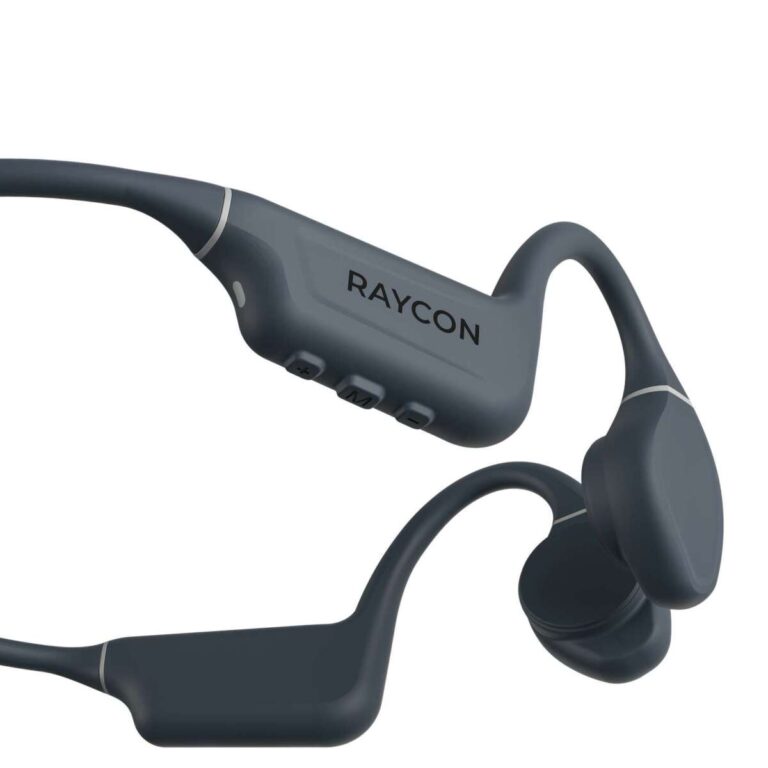
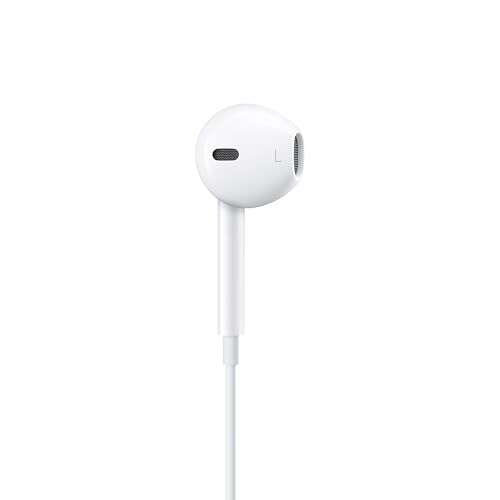
Use gentle heat and steady pressure to relax kinks, then reshape and protect the cable.
I’ve fixed countless earbuds and over-ear cables, so I know exactly how to straighten headphone wires without damaging them. This guide walks you step-by-step through safe methods, simple tools, and storage habits that keep cables smooth and tangle-free. Read on to learn practical, tested tactics for how to straighten headphone wires and prevent the same problem from coming back.

Why headphone wires get bent, kinked, and tangled
Cables bend and kink because of repeated folding, tight storage, and sudden pulls. Many headphone wires have thin insulation and flexible inner conductors that take a "memory" of the way you store them. When a cable sits folded for a while, tiny folds become permanent kinks. Heat, pressure, and twisting accelerate this process.
Common causes:
- Storing cables in pockets or bags without protection.
- Wrapping them too tightly around devices or fingers.
- Pulling on the cable instead of the plug when disconnecting.
- Cheap insulation that loses elasticity over time.
Understanding why the problem happens helps when you learn how to straighten headphone wires and prevent future damage. I’ve seen daily commuters create kinks in cheaper earbuds within weeks simply by stuffing them in a jeans pocket.
Basic, safe methods to straighten headphone wires
These methods work for most soft cables and are safe for earbuds and standard headphone cords.
Step-by-step guide:
- Unplug and inspect the cable for exposed wires or damage.
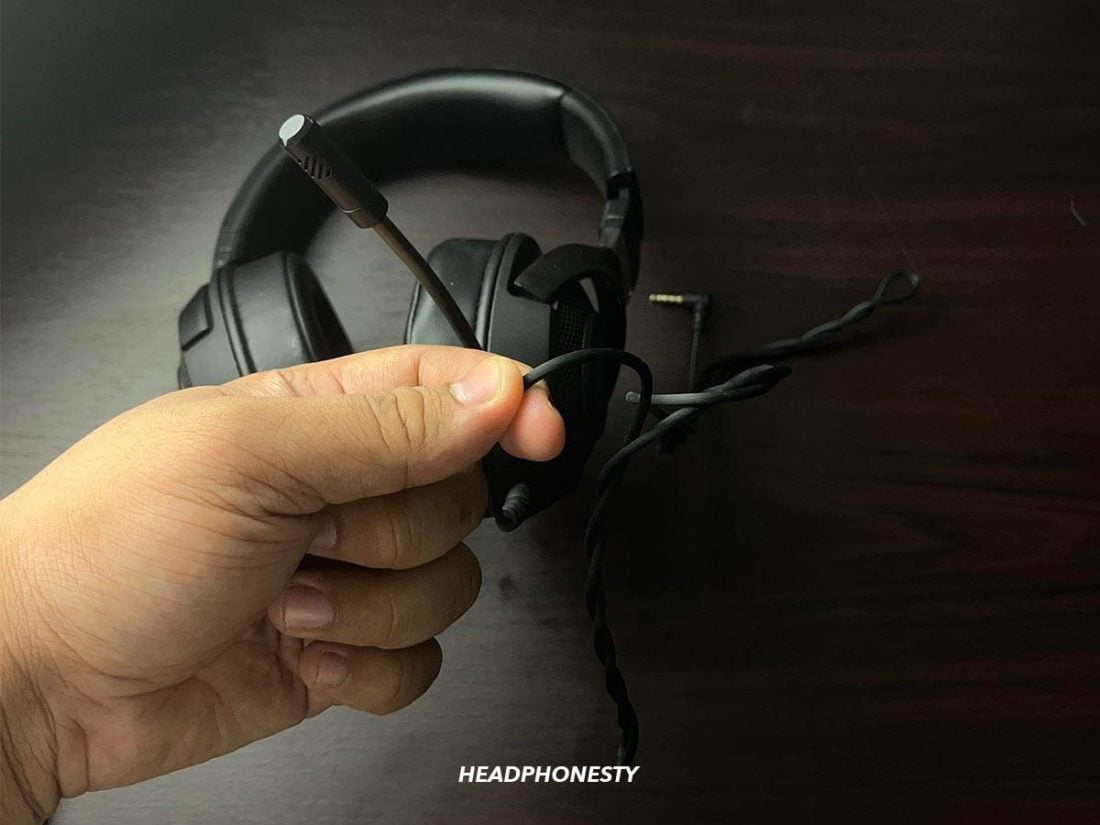
- Lay the cable flat on a smooth surface. Remove any knots gently with your fingers.
- Use warm hands: hold a section between palms and rub back and forth to warm the insulation. This relaxes the plastic.
- Gently stretch the cable lengthwise—don’t yank. Apply steady, light tension to remove minor kinks.
- If a kink remains, place the cable under a heavy, flat object (book) for several hours while straightened.
Tips:
- Work slowly and check the cable frequently.
- Never yank a cable to straighten it; that stresses internal conductors.
- If the cable has a memory of sharp bends, repeat warming and gentle stretching in short sessions.
These simple steps form the core approach for how to straighten headphone wires without tools. I use the warm-hands method for earbuds when I’m on the go—it’s quick and effective.

Using controlled heat: hot water and hair dryer techniques
Controlled heat softens insulation and helps reshape wires. Always use low to moderate heat and follow safety steps.
Hot water method:
- Fill a bowl with hot (not boiling) water—around 120–140°F (49–60°C).
- Submerge only the cable (avoid plugs, connectors, and any inline controls).
- Let it sit for 1–2 minutes to soften the outer jacket.
- Remove, dry, and gently straighten while warm.
- Leave laid flat to cool in a straightened position.
Hair dryer method:
- Set hair dryer to warm, not hot.
- Hold the dryer 6–8 inches from the cable and move it along the kinked area for 30–60 seconds.
- While warm, gently stretch and smooth the wire.
- Cool the section in a straight position.
Safety notes:
- Do not use boiling water or direct high heat near connectors.
- Avoid heat on braided or woven cables that may have adhesives or fragile coatings.
- If you detect unusual stiffness or exposed copper, stop and inspect.
Using heat is one of the most effective techniques for how to straighten headphone wires, but it must be done carefully to avoid damage.

Tools and products that help straighten or protect wires
A few simple tools can speed up the process and protect cables long term.
Useful tools:
- Cable sleeves and heat-shrink tubing: add a protective layer and hide minor kinks.
- Spiral wraps or spring guards: slide over ends to prevent bending at stress points.
- Cable organizers: small pouches, cases, and reels prevent new kinks.
- Soft cloth and flat weight: for flattening sections after warming.
How to use heat-shrink safely:
- Slide shrink tubing over the straightened section.
- Apply low heat evenly with a hair dryer or heat gun on low.
- Allow to cool, trimming excess.
I keep a cheap cable organizer and a few spring guards in my bag. They’ve saved headphones from permanent kinks more than once. These preventative items make the process of how to straighten headphone wires less frequent and much easier.

Preventive habits to avoid kinks and tangles
Prevention is the best cure. Adopt a few daily habits to keep cables smooth.
Storage and handling tips:
- Use a cable organizer or small case instead of stuffing wires in pockets.
- Coil cables loosely in a figure-eight or over-under loop rather than tight circles.
- Use a Velcro strap to keep length managed without pinching the cable.
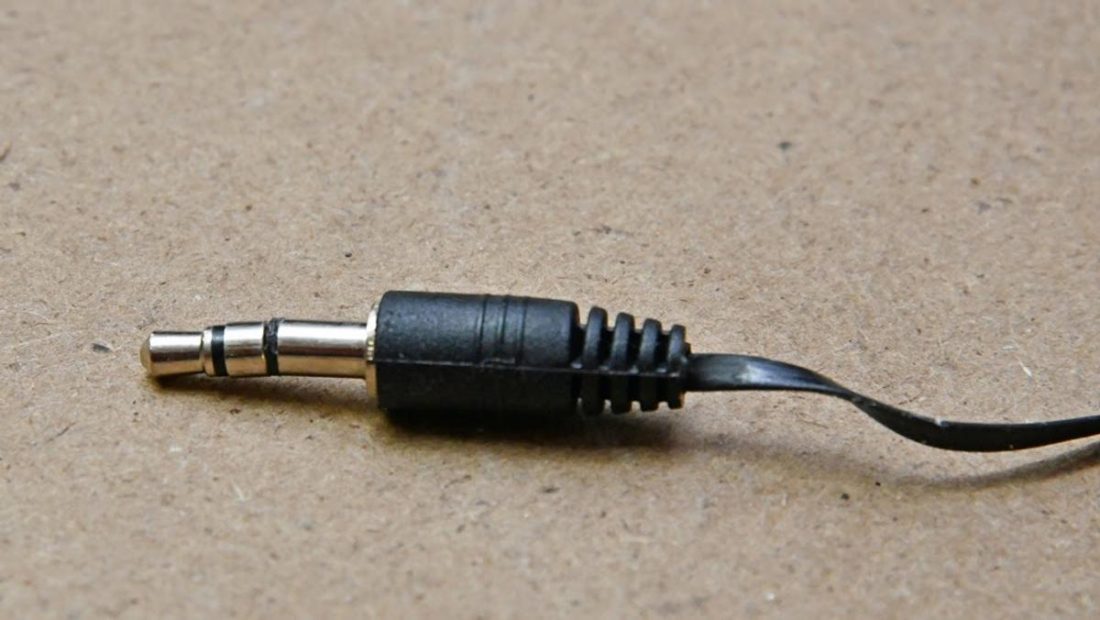
- Disconnect by grabbing the plug, not the cable.
- Add a short spring guard near connectors for extra strain relief.
Routine checks:
- Inspect cables weekly for weak spots or exposed copper.
- Replace cables or connectors at the first sign of internal damage.
I learned these habits after ruining a favorite pair of headphones by constantly wrapping them tight around my phone. Simple prevention removes the need to relearn how to straighten headphone wires.
Troubleshooting common problems and when to replace the cable
Not all issues are solvable. Know when a cable is repairable and when it needs replacement.
Minor issues you can fix:
- Surface kinks and bends from storage.
- Slight microphonics (cable rubbing noise) that don't affect sound.
Problems that need replacement or repair:
- Exposed wires or frayed insulation.
- Intermittent audio or loss of a channel (sign of broken internal conductor).
- Stiff sections that remain after repeated warming—may indicate internal breakage.
Quick checks to diagnose:
- Wiggle the cable near connectors while playing audio. Changes indicate internal damage.
- Visually inspect for kinks that reveal inner wire. If visible copper shows, replace the cable.
When you try how to straighten headphone wires and find audio problems persist, prioritize safety—replace the cable rather than risk a short.

Quick PAA-style questions
Q: Can I use boiling water to straighten headphone wires?
A: No. Boiling water can melt insulation and damage internal wires. Use hot, not boiling, water and avoid soaking connectors.
Q: Will heat-shrink tubing fix a broken wire?
A: Heat-shrink can protect and tidy the outer jacket but cannot repair a broken conductor. If audio cuts out, the conductor is likely damaged and needs professional repair or replacement.
Q: Are braided cables easier to straighten than rubber ones?
A: Braided cables resist kinking better, but they can still hold bends. Braided cables often respond differently to heat and should be handled gently.

Frequently Asked Questions of how to straighten headphone wires
How quickly can I straighten headphone wires without tools?
You can smooth minor kinks in a few minutes using warm hands and gentle stretching, but deep kinks may take repeated sessions or heat.
Is it safe to use a hair dryer to straighten cables?
Yes, if you use warm (not hot) air at a safe distance and avoid heating connectors. Keep sessions short and test frequently.
Will straightening damage audio quality?
Properly done, straightening will not affect audio. Pulling or forcing a cable can break conductors and cause audio loss.
Can I fix a permanently bent cable at home?
You can often improve shape with heat and pressure, but permanent internal damage or broken conductors requires replacement or professional repair.
How often should I check my headphone wires for damage?
Inspect cables monthly if you use them daily. Check more frequently if you commute, exercise with them, or store them tightly.
Are there quick on-the-go fixes for kinks?
Yes. Use warm hands, loosely coil the cable, or apply a short burst of warm air from a hair dryer while being careful with distance.
Conclusion
You now have a clear, safe roadmap for how to straighten headphone wires: warm, relax, gently reshape, and protect. Use simple tools and better habits to keep cables smooth and extend their life. Try the methods here on an old pair first, and adopt one or two preventive habits to avoid repeating the process.
Take action today: pick a favorite pair, inspect the cable, and try one gentle method. If this article helped, leave a comment or share your own tips—I'd love to hear what worked for you.

Everett Ashford is a tech reviewer at mytechgrid.com specializing in SSDs, cameras, TVs, earbuds, headphones, and other consumer electronics. He provides honest, data-driven reviews based on hands-on testing and real-world performance analysis. Everett simplifies complex tech details to help readers make smart, confident buying decisions.