If you are shopping for headphones in the United States, “open-ear” and “bone conduction” do not mean the same thing. Bone-conduction headphones are one type of open-ear headphone, but many open-ear headphones use ordinary air conduction instead.
Open-ear headphones sit outside the ear canal. Some send sound through the air from small speakers near your ears. Others use vibrating pads that rest against your cheekbones. The design affects sound quality, comfort, hearing awareness, and how well you hear people and traffic around you.

What does “open-ear” mean?
Open-ear means the headphone does not seal the ear canal with an earbud tip or cover the ear with a closed ear cup. Your ears remain partly or fully exposed to outside sounds.
This is a design category, not one specific audio technology. Open-ear headphones may use:
- Air conduction: Small speakers send sound through the air into your ears.
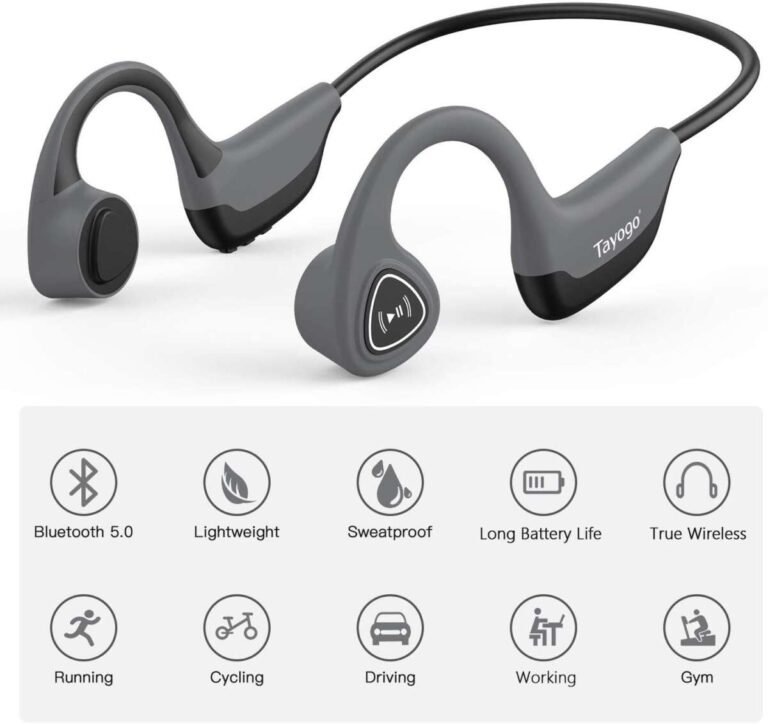
- Bone conduction: Transducers vibrate the bones near your ears and send sound toward the inner ear.
- Directional or near-ear speakers: Speakers aim sound toward the ear without entering the ear canal.
The main goal is the same: let you listen while keeping your ear canals open. This can help you hear a doorbell, a coworker, a dog, or nearby road noise.
The term can be confusing because brands may use “open ear,” “open-ear,” “ear-free,” and “outside-the-ear” in different ways. Always check the product specifications. Look for terms such as bone-conduction transducer, vibration, or temporal bone if you want true bone conduction.
A simple way to identify the type
Ask where the sound comes from:
- If a speaker sits near your ear and sends sound through the air, it is open-ear air conduction.
- If a pad touches your cheekbone and vibrates, it is bone conduction.
- If a speaker sits near, but not inside, your ear, it may be marketed as an open-ear speaker.
A product can be open-ear without being bone conduction. That is the key distinction.
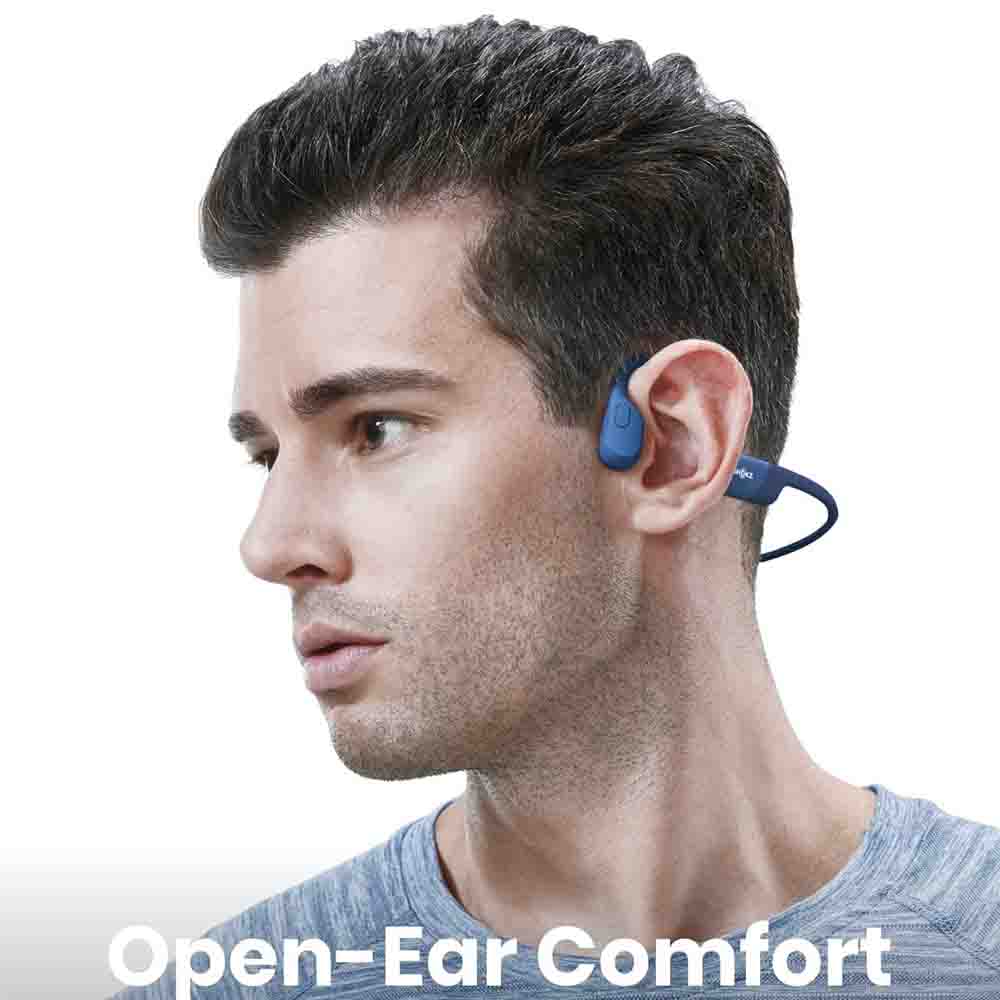
How bone-conduction headphones work
Bone-conduction headphones use small transducers to create vibrations. These transducers usually rest on the skin in front of or slightly above the ear, near the cheekbone.
The vibration travels through the skull toward the cochlea. The cochlea is the inner-ear organ that changes vibration into nerve signals for the brain. This route does not depend on the same outer-ear and middle-ear path used by ordinary headphones.
Traditional headphones work in a simpler way:
- A speaker creates changes in air pressure.
- Those changes enter the ear canal.
- The eardrum vibrates.
- The middle-ear bones move.
- The cochlea receives the vibration.
Bone conduction can reduce the role of the ear canal and eardrum. It does not, however, bypass the cochlea or the auditory nerve. This means bone conduction is not a way to avoid all hearing risk. Loud sound or strong vibration may still affect hearing.
The National Institute on Deafness and Other Communication Disorders explains that loud noise can damage the delicate sensory cells involved in hearing. The risk depends on loudness, time, and repeated exposure.
Why bone-conduction headphones can feel different
Bone-conduction headphones often have:
- Less deep bass than sealed earbuds
– More vibration on the skin at higher volume - More sound leakage to people nearby
- A lighter, less blocked feeling in the ear
- Lower sound quality in loud places
Fit also matters. If the transducers do not sit in the right spot, the sound may become weak or uneven. Hair, glasses, hats, and helmet straps can affect comfort and placement.

How open-ear air-conduction headphones work
Open-ear air-conduction headphones use small speakers placed near the ear. The speakers send sound through the air, just like a normal speaker in a room.
The sound still enters the ear canal and reaches the eardrum. The difference is that the headphone does not block the canal with a sealed tip.
This design often gives a fuller sound than bone conduction. It may also provide better bass and clearer music at moderate volume. Yet it can reduce awareness of your surroundings if the speaker is loud enough.
Open-ear air-conduction models are common in several forms:
- Ear-hook headphones with a speaker beside the ear
- Neckband headphones with pads near each ear
- Clip-on headphones that attach to the outer ear
- Small directional speakers aimed toward the ear
Because the speaker is close to your ear, you should not assume that an open design is automatically safer. A nearby speaker can still produce high sound levels.
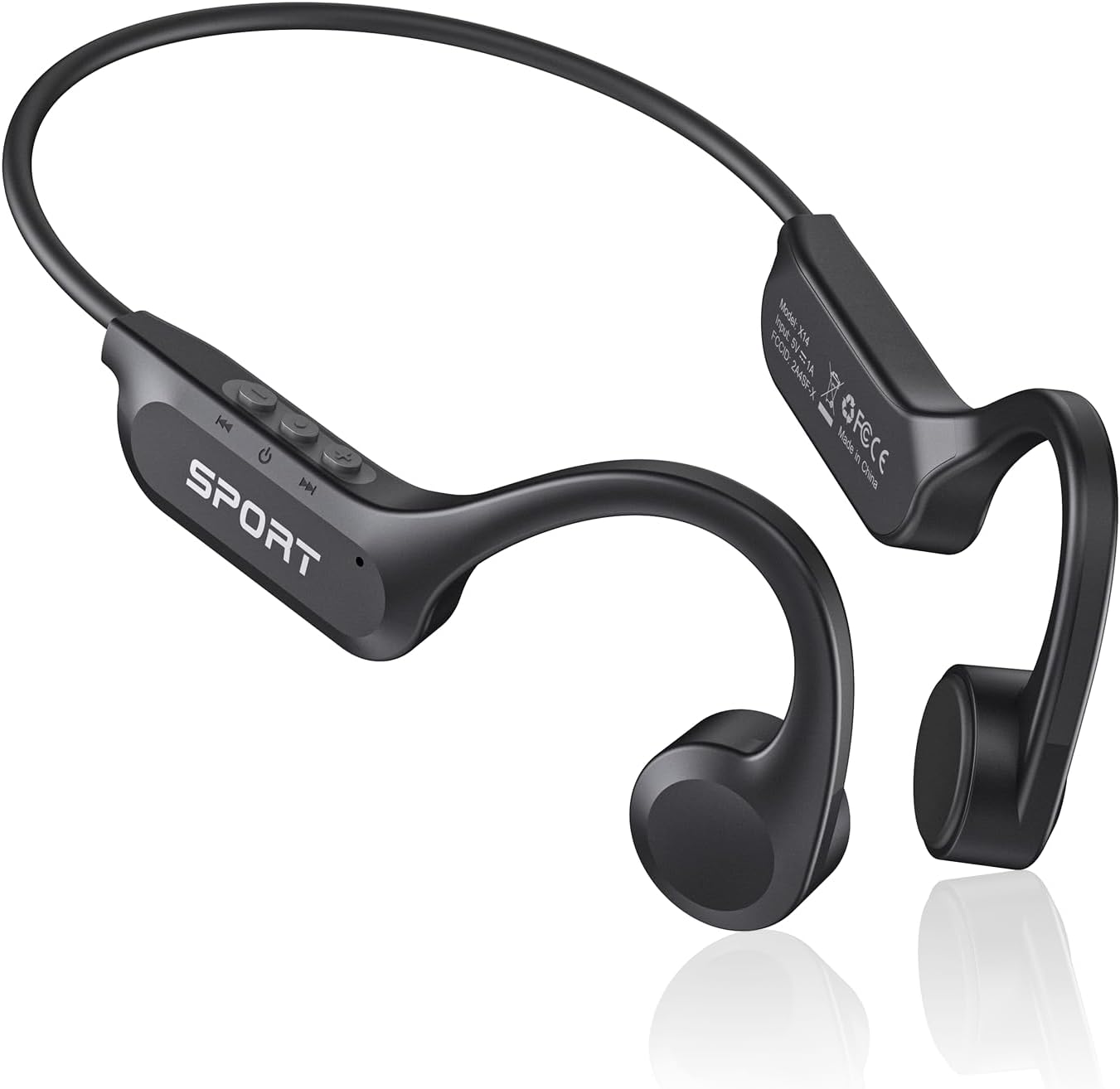
Open-ear vs. bone conduction: what is the difference?
The best choice depends on whether you care most about sound quality, ear comfort, awareness, or hearing needs.
| Feature | Open-ear air conduction | Bone conduction |
|---|---|---|
| Main sound path | Through the air and ear canal | Through vibration toward the cochlea |
| Ear canal | Usually open | Open |
| Eardrum use | Yes | Reduced role, but hearing still depends on the inner ear |
| Bass and music detail | Often stronger | Often lighter |
| Sound leakage | Possible | Common |
| Awareness of nearby sound | Usually good at moderate volume | Usually good at moderate volume |
| Fit sensitivity | Speaker angle matters | Cheekbone contact and position matter |
| Best-known trade-off | More sound can reach the ear | More vibration and less rich sound |
Neither type is best for every person.
Choose open-ear air conduction when you want a more natural music sound and still want your ears uncovered. Choose bone conduction when you strongly prefer no speaker aimed into the ear or need a design that rests on the bones near the ear.
Neither design should be treated as hearing protection. Neither should replace a hearing aid prescribed or fitted for hearing loss.

Are bone-conduction headphones safer for your hearing?
They may reduce the blocked-ear feeling, but they are not automatically safer. Hearing safety depends mainly on sound exposure.
The U.S. Centers for Disease Control and Prevention says repeated exposure to loud noise can cause noise-induced hearing loss. The CDC hearing-loss guidance recommends reducing noise exposure and using hearing protection in loud settings.
Bone-conduction headphones can still create high exposure in two ways:
- The device may send strong vibration toward the cochlea.
- You may raise the volume to overcome traffic, gym noise, or wind.
The second problem is common with all open-ear headphones. In a loud place, users may increase the volume without noticing how much sound they are receiving.
Safer listening habits
Use these habits with either type:
- Start at a low volume and raise it only as needed.
- Take breaks during long listening sessions.
- Do not use headphones to mask very loud machinery.
- Use certified hearing protection at concerts, construction sites, and shooting ranges.
- Stop listening if you notice ringing, muffled hearing, pain, or unusual sensitivity.
- Avoid wearing headphones when you need to hear an emergency warning clearly.
The National Institute for Occupational Safety and Health provides information about occupational noise exposure. Headphones are not a substitute for workplace hearing protection.
If ringing or muffled hearing lasts after you stop listening, contact a qualified hearing professional or physician. Sudden hearing loss requires prompt medical care.

Can people with hearing loss use bone-conduction headphones?
The answer depends on the type and cause of hearing loss.
Bone-conduction devices can send vibration past parts of the outer and middle ear. That does not mean they work for every hearing condition. They still rely on a functioning cochlea and auditory nerve.
A person with conductive hearing loss may respond differently from someone with sensorineural hearing loss. The cause, severity, and one-sided or two-sided pattern all matter.
Consumer bone-conduction headphones are also different from medical bone-conduction hearing systems. A consumer headset is made for general listening. It is not automatically a medical device, hearing aid, or treatment.
If you have hearing loss, ask an audiologist before choosing a device. An audiologist can explain whether the product fits your hearing profile and whether a hearing aid or other approved device would serve you better.
Do not use a consumer headphone as a replacement for a prescribed hearing device. If you have a cochlear implant, bone-anchored hearing system, or other implanted device, follow the instructions from your medical team and the device maker.

Are open-ear headphones good for running, cycling, and driving?
Open-ear headphones can be useful for walking, running, and some outdoor activities because they leave the ear canal open. They do not make an activity risk-free.
For running or walking in the United States:
- Keep the volume low enough to hear people and vehicles.
- Use extra care near intersections and driveways.
- Avoid noise cancellation when awareness is essential.
- Check local park, trail, and event rules.
For cycling, laws differ by state and sometimes by location. Some states restrict headphone use in both ears, while others allow certain types or permit one ear. Check your state’s current traffic code before riding with headphones.
For driving, the safest choice is to avoid headphones. You need to hear sirens, horns, and other warnings, and headphones can distract you. Open-ear does not mean legally permitted or safe in every driving situation.
Bone conduction may help you remain more aware than sealed earbuds, but it does not guarantee that you will hear every hazard. Wind, traffic, poor fit, and high volume can still block important sounds.

How to choose between bone conduction and other open-ear headphones
Use your main need as the deciding factor rather than the marketing name.
Choose bone conduction if:
- You want no speaker inside your ear canal.
- You dislike the plugged-up feeling of earbuds.
- You need to hear outside sound while listening at a moderate level.
- You accept lighter bass and more vibration.
- You are willing to check the fit carefully.
Choose open-ear air conduction if:
- You want stronger music detail and bass.
- You prefer a speaker that does not press against your cheekbone.
- You want an open design but do not need bone conduction.
- You can keep the volume low in quiet or moderate environments.
Choose neither as hearing protection if:
- You work around loud tools or machinery.
- You attend a loud concert or motorsport event.
- You are at a shooting range.
- You need reliable protection from noise.
For those settings, use hearing protection rated and suited to the task. Some products combine hearing protection with communication features, but ordinary headphones do not provide that protection.
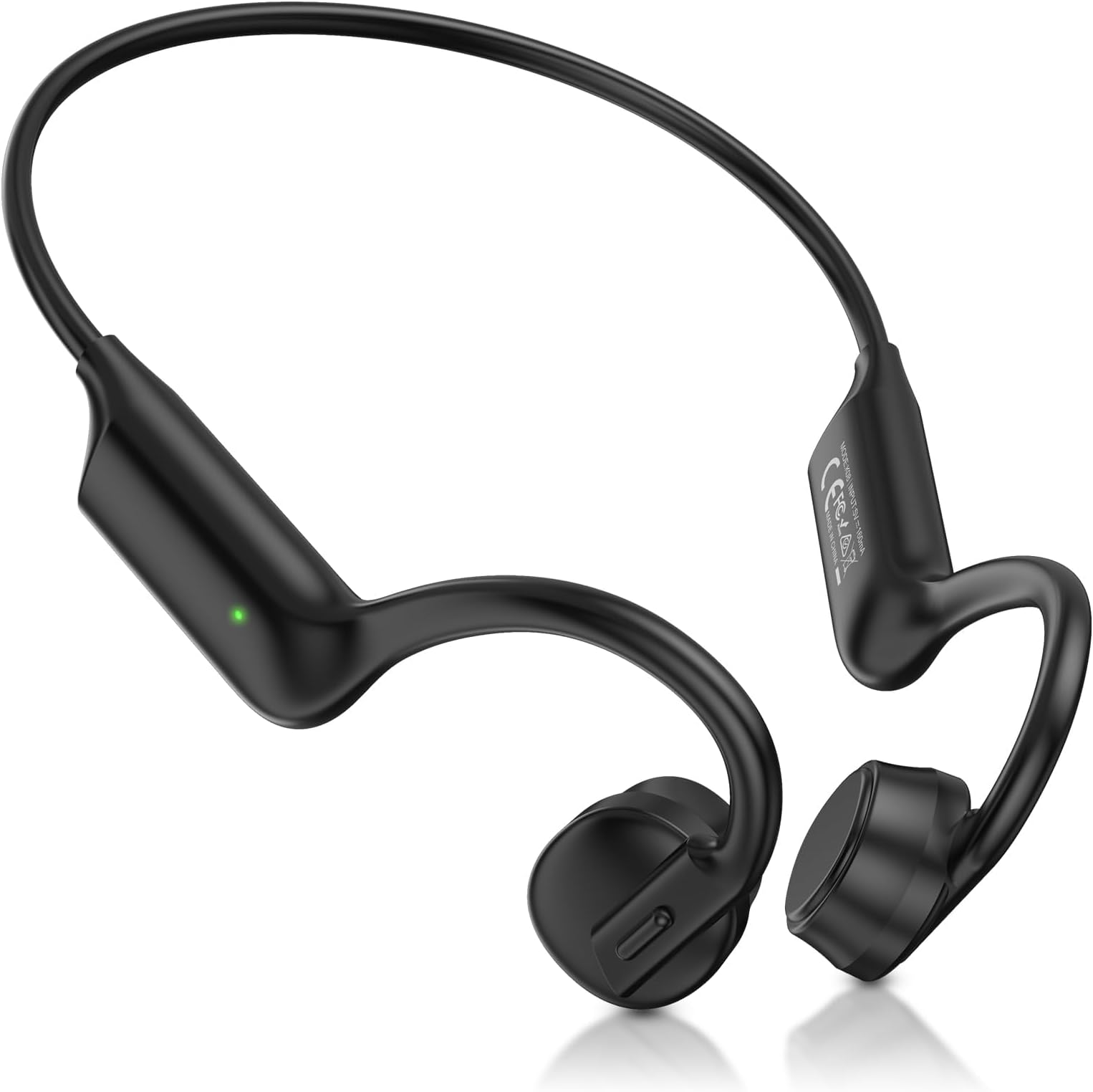
Common mistakes when buying open-ear headphones
Mistake 1: Assuming “open-ear” means bone conduction
It does not. Check the technical description and product photos. A speaker near the ear usually indicates air conduction.
Mistake 2: Assuming open-ear means safe at any volume
Sound exposure still matters. An open ear can receive damaging levels from a nearby speaker or vibrating transducer.
Mistake 3: Ignoring sound leakage
Open designs often let people nearby hear some of your audio. This can be distracting in an office, library, airplane, or shared home.
Mistake 4: Expecting sealed-earbud bass
Bone conduction usually has a different sound profile. Open-air designs also lose some bass because they do not create the same seal.
Mistake 5: Wearing them in every traffic setting
Hearing some outside sound is not the same as fully understanding your surroundings. Do not rely on headphones while driving or crossing busy roads.
Mistake 6: Treating consumer bone conduction as a hearing aid
A headset may help you listen to music or calls. It does not diagnose, correct, or treat hearing loss by itself.
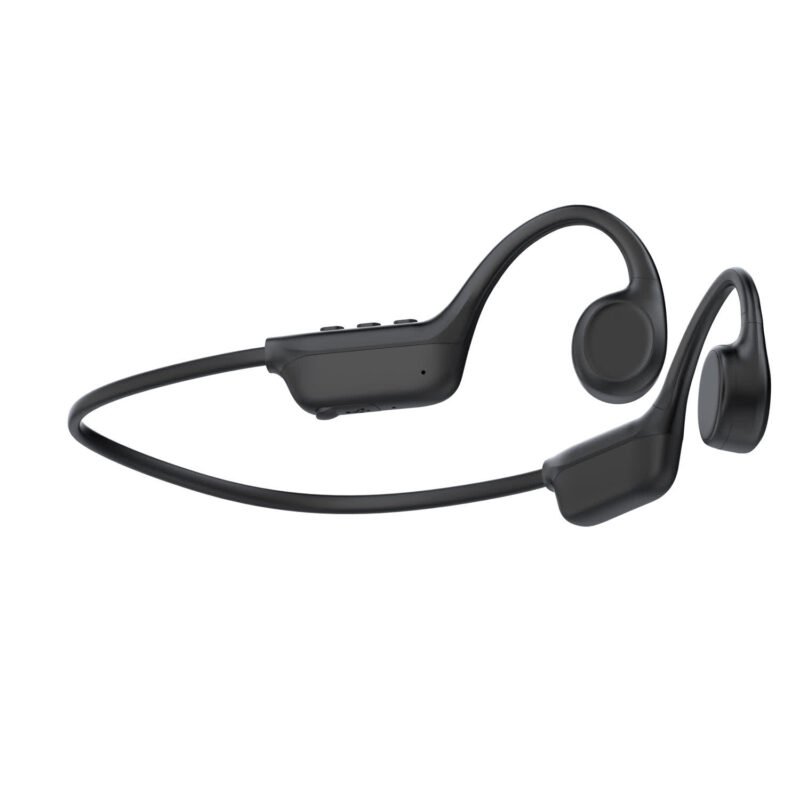
Frequently asked questions
Are all open-ear headphones bone conduction?
No. Open-ear is a broad design term. Some models use bone conduction, while others use small air-conduction speakers near the ear.
Do bone-conduction headphones damage your ears?
They can contribute to hearing risk if used too loudly or for too long. Bone conduction does not remove the cochlea from the hearing process, so safe volume and breaks still matter.
Can bone-conduction headphones cause hearing loss?
Any device that delivers intense sound or vibration may contribute to hearing damage under excessive exposure. The risk depends on level, duration, and frequency of use. Persistent ringing or muffled hearing needs medical attention.
Do bone-conduction headphones work with earplugs?
They may, because the headset does not depend on an open ear canal in the same way as air-conduction headphones. However, earplugs also reduce outside sound, and fit or comfort can vary. Use hearing protection designed for the noise level and task.
Can I use open-ear headphones while driving in the U.S.?
Rules vary by state, but legal permission does not make headphone use safe. Headphones can reduce awareness of sirens, horns, and traffic warnings. Avoid using them while driving unless you have confirmed the law and can maintain full attention.
Conclusion
Bone-conduction headphones are open-ear headphones, but open-ear headphones are not always bone conduction. Bone conduction sends vibrations toward the cochlea through the bones near the ear. Other open-ear models use small speakers that send sound through the air while leaving the ear canal open.
For richer music, open-ear air conduction may be the better fit. For a no-earbud design and a strong sense of openness, bone conduction may suit you. In both cases, keep the volume moderate, take breaks, and never treat an open design as hearing protection.
Before buying, check one detail first: does the product use a speaker near the ear or a vibrating transducer on the cheekbone? That answer tells you whether it is open-ear air conduction or true bone conduction.

Everett Ashford is a tech reviewer at mytechgrid.com specializing in SSDs, cameras, TVs, earbuds, headphones, and other consumer electronics. He provides honest, data-driven reviews based on hands-on testing and real-world performance analysis. Everett simplifies complex tech details to help readers make smart, confident buying decisions.