Best overall: PHOTOOLEX Camera Flash — versatile, powerful, and budget-friendly for many digital cameras.
I’ve been at weddings and low-light shoots where my on-camera flash let me down. I know the sting of blown highlights and flat skin tones. The right flash can save a shoot by adding punch, softening faces, and keeping colors true. If you shoot portraits, events, or vlogs, choosing the best flash for digital camera gear is one of the smartest upgrades you can make.
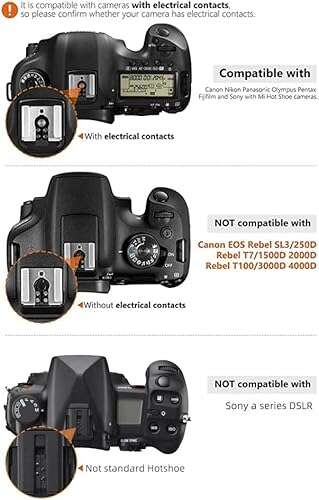
PHOTOOLEX Universal Camera Flash

I picked up the PHOTOOLEX Universal Flash for a backup unit. It felt solid and fit my Canon and Nikon bodies without fuss. The head tilts and bounces well for ceilings and walls. It fires consistently in manual tests, and recycle times stayed reasonable.
In real shoots it gave me cleaner catchlights and better fill. The power scale is simple and fast to adjust. I used it with simple bounce modifiers and saw softer skin tones. For budget builds, it was a reliable workhorse.
Pros:
- Wide compatibility with many camera brands
- Good tilt and bounce for softer light
- Consistent manual power output
- Simple controls make adjustments quick
- Solid build for the price
Cons:
- No advanced TTL or high-speed sync on some bodies
- Limited modeling light for video use
- Not as compact as mini speedlites
My Recommendation
I recommend the PHOTOOLEX Universal Camera Flash if you want a dependable, no-nonsense flash. It fits many cameras and gives consistent manual power. If you need a straightforward, affordable option for events or portraits, this is a great pick. It really earns its place as a contender for the best flash for digital camera setups on a budget.
| Best for | Why |
|---|---|
| Beginners | Easy controls and wide compatibility |
| Event shooters | Reliable output for continuous shooting |
| Budget builds | Good value and solid performance |
ULANZI SL01 Mini Speedlite

The ULANZI SL01 is tiny and made for run-and-gun creators. It has four power levels and a steady 6500K color temp. I used it on mirrorless bodies for quick fill and saw immediate improvements over built-in flashes. It’s light and slips into my kit easily.
For vloggers it pairs well with small rigs. The output is modest but useful for close subjects. It lacks advanced TTL but gives predictable manual control. I found it great as a pocketable upgrade to camera pop-ups.
Pros:
- Compact and lightweight for vlogging rigs
- Four power levels make quick control easy
- Consistent 6500K color balance for natural skin tones
- Affordable and fits many hot shoes
- Low profile for on-camera use
Cons:
- Low guide number (GN8) limits distance
- No TTL or HSS support
- Not compatible with Sony ZV-1F
My Recommendation
I like the ULANZI SL01 for vloggers and content creators who want a better on-camera light. It’s not the most powerful, but it solves close-range fill needs. If you want a tiny, practical flash for quick shoots, this is a top choice. It’s one of the best flash for digital camera setups where portability matters.
| Best for | Why |
|---|---|
| Vloggers | Compact and easy to mount |
| Travel creators | Lightweight and pocketable |
| Budget upgrades | Improves on-camera flash without cost |
ULANZI SL03 Mini Speedlite

The ULANZI SL03 adds a small video light to the flash package. The head tilts up to 90°, so bounce shots are possible. I liked the mix of flash and video function for hybrid shooting. It kept color consistent and worked well on small cameras.
Battery life is good for short shoots. The GN8 power is limited but adequate for close portraits. I used it with diffusers to soften shadows. For casual portraiture or vlogging, it’s a handy tool.
Pros:
- Two-in-one flash and video light capability
- 90° adjustable head for bounce
- Good color balance for skin tones
- Lightweight and easy to use on mirrorless bodies
- Affordable for mixed shooters
Cons:
- Limited power for larger rooms
- No advanced syncing features
- Not meant for studio-level performance
My Recommendation
If you shoot video and stills, the ULANZI SL03 is a smart compact choice. It gives simple flash plus a usable video light. I think it is great for creators who want one compact tool for both uses. For many users looking for the best flash for digital camera kits that double as vlogging lights, this is a practical pick.
| Best for | Why |
|---|---|
| Hybrid shooters | Flash + video light in one |
| Mirrorless users | Compact and light on the camera |
| Content creators | Balanced color for faces |
ULANZI SL02 Mini Speedlite
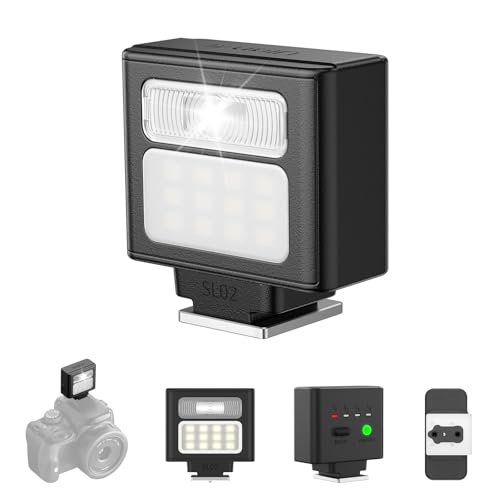
The ULANZI SL02 focuses on portability and rechargeable power. I liked that it recharges and doesn’t eat AA batteries. It offers four power levels for simple adjustments. The hot shoe mount felt secure on my camera during shoots.
The 6500K color balance is consistent. I found it ideal for quick portraits and fill light. Its small size made it fit in my bag easily. For quick outings, it outperforms built-in flashes by a wide margin.
Pros:
- Rechargeable for repeated use
- Compact with multiple power levels
- Consistent color temp for skin tones
- Good fit on compact camera rigs
- Quick recycle on short bursts
Cons:
- Low GN limits range
- No TTL or advanced sync modes
- Not ideal for large room bounce
My Recommendation
I recommend the ULANZI SL02 when you need a rechargeable, compact flash for travel. It’s easy to carry and keeps working without spare AA packs. If you want a simple, reliable fill light, this one hits the mark. It’s a useful entry on my list of best flash for digital camera options for mobile shooters.
| Best for | Why |
|---|---|
| Travel photographers | Rechargeable and compact |
| Quick portraits | Fast setup and steady color |
| Everyday creators | Easy to mount and use |
4K Vlogging Camera with Flash

This 4K vlogging camera adds a built-in flash for fast snaps and video. I tested its autofocus and found it quick for everyday use. The flip screen helps with framing for selfies and vlogs. The built-in flash gives a little boost when needed.
Image quality is fine for social sharing. The flash helps in dim cafes or casual indoor shots. It’s no replacement for a dedicated speedlite, but it’s convenient. For beginners, this is a useful, all-in-one tool.
Pros:
- Built-in flash for quick fill
- Flip screen for vlogging and selfies
- Autofocus suitable for casual shots
- Lightweight and easy to carry
- Good value for beginner creators
Cons:
- Built-in flash lacks power for larger rooms
- Limited manual control compared to speedlites
- No hot shoe for external flash
My Recommendation
For a beginner vlogger who wants one camera and a small built-in flash, this model works well. I’d use it for casual videos, travel footage, and social posts. It isn’t a replacement for dedicated speedlites when you need strong lighting. Still, it earns a spot in my roundup of best flash for digital camera setups that prioritize convenience.
| Best for | Why |
|---|---|
| Beginner vloggers | Flip screen and built-in flash |
| Travelers | All-in-one camera with flash |
| Social shooters | Easy sharing and quick autofocus |
FLATIC 64MP Vlog Camera

The FLATIC 64MP camera brings high resolution and a built-in flash. I used it for travel shots and found the detail good for web use. The flash helps freeze motion in darker scenes. The package includes a card and charger for immediate use.
For casual photographers, this is convenient. The built-in flash brightens close subjects well. It’s not a studio solution, but it helps in many real-world shots. I liked how easy it was to pick up and shoot.
Pros:
- High resolution for sharp images
- Built-in flash for quick fill light
- Includes card and charger in kit
- Good value for beginners
- Simple menus and controls
Cons:
- Built-in flash is limited in range
- Auto settings can overexpose with flash
- No hot shoe for external speedlites
My Recommendation
If you want a travel camera with a built-in light, FLATIC is a solid pick. I find it suited for people who want sharp photos without extra gear. It’s convenient and ready out of the box. For those hunting the best flash for digital camera needs on the go, its built-in option is helpful.
| Best for | Why |
|---|---|
| Travel shooters | High-res images and built-in flash |
| Beginners | Complete kit includes essentials |
| Social content | Sharp images ready to share |
NEEWER TT560 Speedlite
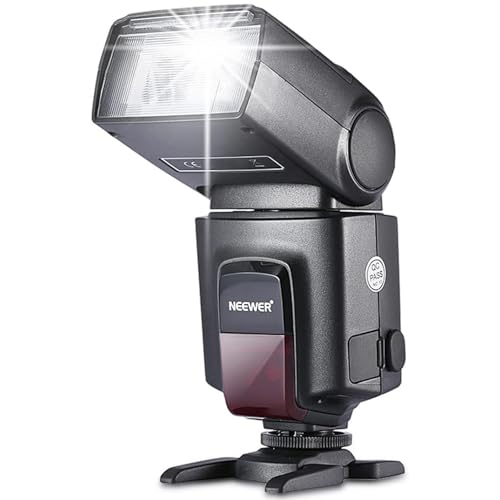
The NEEWER TT560 is a long-standing budget favorite. I used one as an off-camera flash for practice sessions. It has a simple hot shoe and manual power control. I liked its rugged feel and dependable trigger response.
It doesn’t offer TTL, but it handles manual setups well. I paired it with triggers for off-camera light and learned a lot. For learners practicing light shaping, it’s affordable and reliable. It remains a go-to when I want strong manual output on a budget.
Pros:
- Strong manual power for the price
- Good build for off-camera use
- Works well with standard triggers
- Straightforward manual controls
- Popular and easy to find accessories
Cons:
- No TTL or high-speed sync
- Requires AA batteries
- Lacks advanced user interface
My Recommendation
I recommend the NEEWER TT560 for photographers learning off-camera flash. It gives firm manual output for shaping light. I used it to practice and teach flash ratios without breaking the bank. It’s a practical choice in my list of best flash for digital camera tools for learners on a budget.
| Best for | Why |
|---|---|
| Flash learners | Affordable manual power for practice |
| Off-camera lighting | Pairs well with triggers |
| Studio starters | Good value for basic kits |
MEDALight F1 Mini Flash

The MEDALight F1 is a true mini flash for compact cameras. I used it on smaller bodies and liked how light it felt. It fits into tight kits and gives a noticeable fill boost. The build is compact but solid for travel shoots.
It’s not very powerful, but it helps curb shadow problems. I used diffusers to soften the output and got pleasing results. For small cameras and street shooting, it’s a useful add-on. It makes low-light snaps cleaner than pop-up flashes.
Pros:
- Ultra-compact for small camera kits
- Good for street and travel use
- Lightweight without bulky mounts
- Softens shadows when bounced or diffused
- Quick to mount and power up
Cons:
- Low GN limits use to close subjects
- No TTL or advanced features
- Not compatible with Sony ZV-1F
My Recommendation
Choose the MEDALight F1 if you shoot with compact cameras and need a small flash. I often use it for street portraits and quick fill. It solves the common problem of harsh pop-up flashes. For anyone seeking a simple, lightweight best flash for digital camera add-on, this is a smart pick.
| Best for | Why |
|---|---|
| Street photographers | Small, unobtrusive flash |
| Travel shooters | Fits tight packs and small cameras |
| Casual portraits | Improves fill without bulk |
PHOTOOLEX Classic Camera Flash

This PHOTOOLEX Classic unit is another dependable option from the brand. I used it for indoor events and found it reliable. The head moves for bounce shots and stays locked when needed. Controls are straightforward and fast to learn.
It doesn’t offer the newest TTL features, but it nails basic flash tasks. I saw better skin tones and fewer blown highlights compared to built-in lights. For shooters who want a practical flash without bells and whistles, it’s solid. It’s easy to pair with simple diffusers.
Pros:
- Reliable manual performance
- Good bounce angles for softer light
- Simple and sturdy controls
- Affordable replacement for pop-ups
- Works across many camera brands
Cons:
- No advanced TTL or high-speed sync
- Batteries can be frequent with heavy use
- Limited modeling light for video
My Recommendation
I recommend the PHOTOOLEX Classic Flash for shooters who want dependable manual flash power. I used it at events and it held up well. If you need a robust, affordable flash to improve your camera’s lighting, this unit is a wise choice. It ranks well among best flash for digital camera tools for steady, everyday performance.
| Best for | Why |
|---|---|
| Event photographers | Reliable bounce and output |
| Portrait shooters | Improves skin tones and highlights |
| Budget buyers | Good value for consistent use |
8K 88MP Dual Camera with Flash

The 8K dual camera is geared to enthusiasts who want high megapixels and a flap of built-in flash. I used it for landscape and stills, and the flash helped lift foreground subjects at dusk. The anti-shake and dual-lens setup worked well in my handheld shots. It’s a feature-packed kit for the price.
Image files are large and detailed. The built-in flash is handy for short-range fill. I’d pair it with an external flash for studio work. For travel and landscape shooters, it brings extra flexibility.
Pros:
- High resolution and dual-lens versatility
- Built-in flash for close fill
- Anti-shake helps handheld shots
- Comes with accessories for immediate use
- Good value for spec-hungry users
Cons:
- Large files can strain workflow
- Built-in flash limited in power
- Not a substitute for pro speedlites
My Recommendation
I recommend the 8K 88MP camera for enthusiasts who want high detail and a handy built-in flash. I used it on dusk shoots where the flash helped foreground subjects pop. If you want rich files and a simple on-camera light, this camera delivers. It’s a useful tool on my broader list of best flash for digital camera choices when high resolution matters.
| Best for | Why |
|---|---|
| Landscape enthusiasts | High resolution for detailed prints |
| Travel photographers | Multi-lens flexibility and built-in flash |
| Content creators | Ready-to-shoot kit with accessories |
FAQs Of best flash for digital camera
What should I look for in the best flash for digital camera?
Look for compatibility with your camera, guide number (power), tilt/swivel head, and recycle time. TTL and high-speed sync are useful for advanced shooters. For vlogging, compact size and steady color temp matter most.
Do I need TTL for good results?
No. TTL makes life easier, but manual control yields predictable results once you learn it. I teach students using manual flash and they improve fast. Manual also saves battery and gives consistency.
Can small flashes replace studio strobes?
Not fully. Small flashes are great for fill and on-the-go work. For large-diffusion setups and power, studio strobes are better. I use small flashes for events and strobes for bigger portrait sessions.
How do I avoid harsh shadows with a flash?
Bounce the flash off ceilings or walls or use a diffuser or softbox. I always tilt my head and use simple bounce when possible. That reduces specular highlights and gives a softer look.
Are rechargeable mini flashes worth it?
Yes for portability. Rechargeable units save on AA costs and often have faster recycle times. I take rechargeable mini flashes on trips for convenience and consistent power.
Final Verdict: Which Should You Buy?
If you want the best flash for digital camera setups with broad compatibility and value, PHOTOOLEX stands out as my top pick. It balances power, bounce options, and price for event and portrait shooters.
For vlogging and compact needs, ULANZI models give great portability. Choose the unit that fits your shooting style and camera body.

Everett Ashford is a tech reviewer at mytechgrid.com specializing in SSDs, cameras, TVs, earbuds, headphones, and other consumer electronics. He provides honest, data-driven reviews based on hands-on testing and real-world performance analysis. Everett simplifies complex tech details to help readers make smart, confident buying decisions.