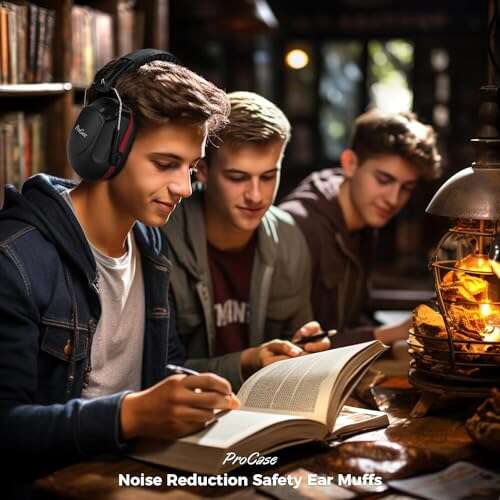
The best headphones for ear protection combine a secure seal, tested noise reduction, comfort, and the right features for your work.
A loud mower, shop tool, snowblower, or gunshot can turn a normal day into a painful one. I have found that the right hearing protection makes a clear difference because it reduces noise without making you feel trapped or distracted. The best headphones for ear protection should fit well, stay in place, and match the task. Below, I compare popular Amazon options for shooting, yard work, construction, workshops, and daily noise control. I also explain their limits, so you can choose with confidence.
ProCase SNR 33dB Hearing Protection Muffs

The ProCase ear muffs are a simple choice for people who want strong passive noise blocking without electronics. The product lists an SNR rating of 33 dB, which signals a high level of tested attenuation under the SNR system. Its wide cups cover the ears and help create a quiet space around the user. I like this basic design for chores where Bluetooth and microphones would add more fuss than value.
The padded headband and cushioned ear cups are aimed at longer wear. They can suit mowing, woodworking, factory tasks, study, or travel. As with any earmuff, the seal matters more than the number on the box, so hair, glasses, and hats can reduce real-world protection. For very loud tools or firearms, I would still consider adding properly fitted earplugs.
Pros:
- High listed SNR 33 dB rating
- Passive design needs no batteries
- Full ear coverage helps block steady noise
- Padded contact areas support longer use
- Useful for home, shop, yard, and travel tasks
- Simple controls make the muffs easy to use
Cons:
- No Bluetooth, audio, or voice-amplification features
- Bulky cups may feel warm in hot weather
- Glasses or thick hair may weaken the ear seal
My Recommendation
I recommend the ProCase muffs for buyers who want affordable, strong passive protection and do not need sound or wireless features. They are a good match for lawn care, home projects, and noisy work areas with steady sound. Their value comes from a straightforward design and a high listed rating. If you need the best headphones for ear protection on a budget, this model is a practical place to start.
Pro For Sho 34dB Noise Reduction Muffs
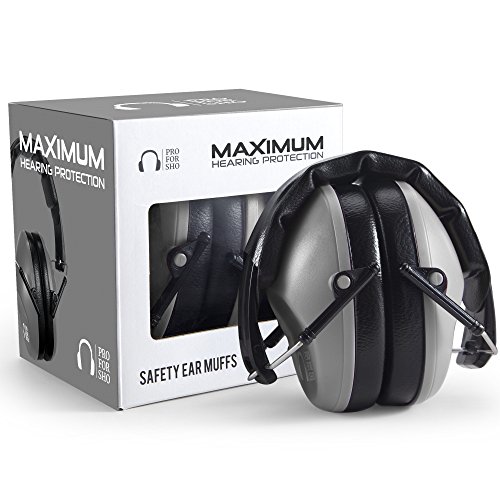
Pro For Sho focuses on compact passive hearing protection with a listed 34 dB NRR. That rating places this model among the stronger options for reducing loud, steady sound. The gray finish looks neutral, so it works well in a workshop, classroom, office, or yard. I see it as a no-frills muff for users who care more about noise control than extra technology.
The smaller profile may appeal to people who dislike oversized industrial ear cups. It can also be easier to carry in a tool bag or backpack. Still, a compact muff must seal around the entire ear to work well, and fit varies from person to person. The Occupational Safety and Health Administration and NIOSH both stress correct fit, since a printed rating cannot protect you when the cups sit crooked or leave gaps.
Pros:
- Strong listed 34 dB NRR
- Compact style is easy to carry
- Passive protection works without charging
- Neutral gray color suits many settings
- Good option for steady household and shop noise
- Simple design is quick to put on
Cons:
- No music, Bluetooth, or electronic listening mode
- May feel tight during extended sessions for some users
- Passive muffs can make speech harder to hear
My Recommendation
This Pro For Sho model is best for adults who want compact, high-rated ear muffs for mowing, repairs, cleaning, and other routine tasks. I would choose it for users who often carry protection between work areas. It is less suited to people who need to hear voices or listen to music while working. For simple noise blocking, it remains one of the best headphones for ear protection in this group.
Floriogra 34dB Two-Pack Hearing Protection

This Floriogra package includes two pairs of passive ear muffs with a listed 34 dB noise reduction rating. A two-pack solves a common problem: one pair can stay in the garage while the other goes in the car or shed. It can also help a parent, work team, or shooting partner keep a spare set close by. The thickened headband and padded cups are designed for repeated use.
These muffs make sense for mowing, construction, shooting practice, and loud home projects. They do not require batteries, pairing, or setup, which makes them ready when noise starts. The trade-off is that passive protection reduces useful sound along with unwanted sound. For shooting, I would use a safe firing setup and follow range rules, with plugs under muffs when the noise level calls for double protection.
Pros:
- Two pairs offer useful household value
- Listed 34 dB rating supports strong passive reduction
- Works for adults and shared work areas
- No battery or charging routine
- Suitable for mowing, building, and workshop tasks
- Spare pair helps prevent missed protection
Cons:
- Two pairs take more storage space
- No microphone or Bluetooth function
- Fit may vary between users
My Recommendation
I recommend this two-pack to families, couples, and anyone who needs protection in more than one location. It offers more practical value than a single pair when two people work near the same noise source. These are among the best headphones for ear protection for shared yard work and home projects. Buyers who want a slim single set or electronic features should look elsewhere.
PROHEAR Electronic Shooting Ear Protection
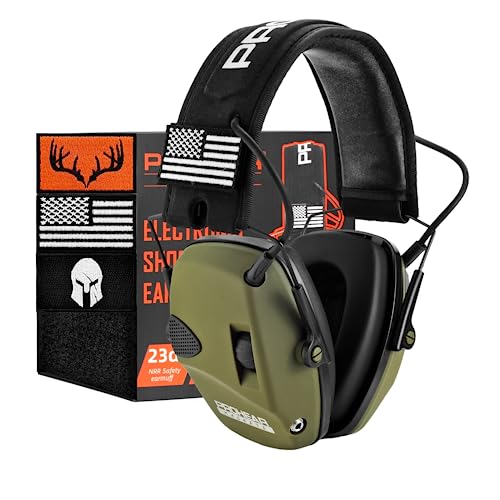
The PROHEAR electronic muff is built for shooting and hunting rather than general music listening. It lists 4X sound amplification and an NRR of 23 dB. Its electronic design can make quiet speech and range commands easier to hear while reducing harmful loud sounds. That balance is the main reason many shooters prefer active muffs over fully passive models.
A listed NRR of 23 dB is lower than the passive 33 or 34 dB ratings above, but the electronic listening function adds a useful layer of awareness. It should not be confused with unlimited protection from gunfire. NIOSH advises using suitable hearing protection around firearms, and many shooters use earplugs plus muffs for extra safety. I would also check the seal each time and keep the microphones clear.
Pros:
- 4X sound amplification is useful for quiet voices
- Electronic design can improve range awareness
- Listed NRR 23 dB supports noise reduction
- Designed for shooting and hunting use
- Green finish suits outdoor activities
- More natural communication than basic passive muffs
Cons:
- Lower listed NRR than the strongest passive options
- Requires batteries or a power source
- Electronic muffs cost more than basic ear cups
- Not a substitute for safe firearm handling or double protection
My Recommendation
This PROHEAR model is best for shooters who need to hear range commands, conversation, or nearby movement. I would pick it over passive muffs for an outdoor range where awareness matters. It is also useful for hunters who want to hear normal sounds before a shot. If you want the best headphones for ear protection while keeping communication clear, this electronic option deserves attention.
PROHEAR 037 Bluetooth Hearing Protection

The PROHEAR 037 brings Bluetooth audio to a hearing protection headset. It lists a 30 dB SNR and a rechargeable 1100mAh battery with up to 120 hours of playtime, according to the product details. That combination targets people who spend long hours mowing, snowblowing, woodworking, or working in a garage. Music or spoken audio can make a repetitive task feel less tiring.
The large battery claim is attractive, but actual runtime depends on volume, temperature, and use. I would charge it before a long job and keep the volume at a safe level. Bluetooth audio should never distract you from vehicles, people, alarms, or other hazards. The headset is designed to reduce noise, but it is not automatically the right choice for firearms unless its protection rating and fit meet your specific range needs.
Pros:
- Bluetooth audio adds useful entertainment
- Listed 30 dB SNR for noisy work areas
- Rechargeable 1100mAh battery reduces disposable battery use
- Up to 120 hours of stated playtime
- Good fit for mowing and snowblowing
- Can make long workshop tasks more comfortable
Cons:
- Needs regular charging
- Music can reduce awareness of warnings
- May feel warm during long summer jobs
- Bluetooth does not replace tested hearing protection
My Recommendation
I recommend the PROHEAR 037 to yard-care users, DIY workers, and shop owners who want audio and protection in one headset. Its long stated battery life is especially useful for people who dislike frequent charging. It is not my first choice for a firearm range, where I prefer dedicated electronic shooting muffs. For everyday tasks, it is one of the best headphones for ear protection with Bluetooth convenience.
ProCase SNR 33dB Ear Muffs

This second ProCase listing offers the same core concept: passive noise reduction with a listed SNR of 33 dB. It is made for users who want to put on a pair of muffs and get to work. There are no apps, wires, microphones, or audio controls to learn. That simplicity can be a strength when you need dependable protection in a hurry.
I would consider this model for power tools, lawn equipment, loud appliances, and general workshop use. Its cushioned ear area should sit fully around the ears rather than press on them. Keep in mind that SNR and NRR are different rating systems, so shoppers should compare products carefully instead of treating every decibel number as identical. A good seal and consistent use matter just as much as the printed rating.
Pros:
- High listed SNR 33 dB protection
- Passive design is easy to maintain
- No charging or battery replacement
- Useful for tools, yard work, and travel
- Over-ear cups help cover the full ear
- Good choice for users who prefer simple gear
Cons:
- Does not provide music or voice amplification
- Can limit awareness of normal conversation
- May not fit comfortably over every pair of glasses
My Recommendation
This ProCase pair is best for people who want a dedicated set of passive muffs at home or in the workshop. I like it for buyers who do not want another electronic device to charge. It offers a solid balance of coverage, ease, and listed noise reduction. For basic household use, it can be one of the best headphones for ear protection when comfort and low upkeep come first.
Floriogra 34dB Adult Noise Reduction Muffs

Floriogra’s adult ear muffs list an NRR of 34 dB, making them a strong passive option on paper. This type of protection works by forming a barrier around the ears. It does not need a power button, pairing process, or charging cable. I find that style useful for people who want a quiet, repeatable routine during noisy work.
The muffs can help reduce sound from lawn equipment, construction tools, workshops, and other loud environments. They may also help people who feel stressed by busy surroundings, although hearing protection should not replace medical care for sound sensitivity or hearing problems. Do not push the cups aside to talk, since even a short break reduces protection. Check the cushions for wear and replace the muffs when the seal becomes hard or damaged.
Pros:
- Listed 34 dB NRR rating
- Strong passive barrier for steady noise
- No electronics to fail or recharge
- Useful for adult home and work tasks
- Simple design supports quick use
- Can help reduce distraction from loud surroundings
Cons:
- May block too much speech for some workplaces
- No Bluetooth or active listening feature
- Can feel warm over long periods
- Actual protection depends on a complete seal
My Recommendation
I would choose these Floriogra muffs for adults who want high-rated passive protection without extra features. They suit homeowners, makers, and outdoor workers who face steady loud noise. They are also a reasonable spare pair for a garage or tool shed. If you are searching for the best headphones for ear protection with a strong listed NRR, this model is worth comparing with the other passive choices.
Floriogra Electronic Shooting Ear Muffs

This Floriogra electronic model is made for shooters who need both noise reduction and better awareness of quiet sounds. The product lists 5X sound amplification and an NRR of 23 dB. Electronic microphones can pass low-level sound to the listener while helping limit sudden loud noise. That feature is helpful when communication and range awareness are part of a shooting session.
The lower NRR compared with some passive muffs deserves attention. Electronic amplification does not mean the headset amplifies gunshots safely, and users should never test that assumption. I recommend checking the product fit, following the shooting range rules, and adding earplugs when the sound level or firearm type calls for more protection. Keep the volume moderate because louder playback can add to the total noise reaching your ears.
Pros:
- 5X sound amplification is useful for quiet speech
- Designed for range and hunting use
- Listed NRR 23 dB noise reduction
- Supports better environmental awareness than basic muffs
- Useful for hearing range commands
- Electronic format avoids complete isolation
Cons:
- Needs batteries or another power source
- Listed NRR is below the strongest passive models
- Requires careful volume control
- Should not replace earplugs in very loud conditions
My Recommendation
This Floriogra headset is best for recreational shooters and hunters who value amplified conversation. It fits users who want to hear normal sounds before and between shots. I would not buy it only for maximum passive attenuation, because its listed NRR is lower than several passive options here. For communication-focused shooting protection, it is a strong candidate among the best headphones for ear protection.
Walker’s Razor Slim Electronic Muff

Walker’s Razor Slim is a well-known style of electronic shooting muff with a low-profile shape. The slim cups are designed to reduce interference with a rifle or shotgun stock. That matters because a bulky cup can catch on the stock and disturb your position. The carbon finish gives it a subdued look for range days and outdoor use.
Electronic shooting muffs aim to reduce harmful impulse noise while allowing users to hear lower-level sounds. I like this design for shooters who want a more natural range experience than fully blocking passive cups can offer. Still, the user must confirm the current rating and follow the manufacturer’s instructions. For especially loud firearms, indoor ranges, or long sessions, I would strongly consider plugs under the muffs.
Pros:
- Slim profile can reduce firearm stock interference
- Electronic design supports normal sound awareness
- Made for shooting and range use
- Carbon color looks discreet outdoors
- One-size design keeps selection simple
- Useful for shooters who need clear range communication
Cons:
- Requires batteries
- Electronic parts add maintenance needs
- May not seal equally well on every head shape
- Double protection may still be needed for loud firearms
My Recommendation
I recommend Walker’s Razor Slim to shooters who want a low-profile electronic muff that stays out of the way of a long gun. It is a better fit for range users than for mowing or workshop tasks. The slim shape is its key advantage, while proper fit and extra protection remain essential. For firearm use, it is one of the best headphones for ear protection when stock clearance and communication matter.
Choosing the Best Headphones for Ear Protection
Shopping for hearing protection can feel confusing because listings use terms such as NRR, SNR, noise canceling, active protection, and sound amplification. These terms do not all mean the same thing. A headset with Bluetooth audio may be pleasant to wear, but Bluetooth alone does not prove that it protects hearing. I always start with the task, then check the protection rating, fit, and features.
Understand NRR and SNR
NRR means Noise Reduction Rating, the system commonly used on hearing protectors sold in the United States. SNR is another rating system used in other markets. You should not compare an SNR number directly with an NRR number as if they were identical. Use the rating as a guide, but remember that real protection drops when the cups do not seal well.
OSHA and NIOSH both focus on exposure level, exposure time, and correct use. Loud sound can damage hearing even when it does not hurt. Repeated exposure also matters, so short jobs are not the only concern. If you work around loud sound every day, an employer or hearing professional can help select and fit a complete hearing conservation solution.
Passive Versus Electronic Muffs
Passive muffs use foam, plastic, and a cushion to reduce sound. They are simple, reliable, and ready without batteries. They often work well for lawn equipment, power tools, and steady industrial noise. The main downside is that they can make speech and warning sounds harder to hear.
Electronic muffs use microphones and circuits to pass quieter sounds to the ears. Many are made for shooting, where users need to hear range commands but also need protection from impulse noise. These products need batteries and careful volume control. They also do not remove the need for safe firearm practices or extra plugs when conditions are severe.
Fit Is the Core of Hearing Protection
The best headphones for ear protection cannot work well if they do not fit. The cushions should surround the ears instead of resting on the outer ear. The band should hold the cups in place without causing sharp pressure. Move hair, hats, and eyewear away from the cushion when possible.
Glasses deserve special attention. Thick frames can create a small gap near the temples. That gap may reduce the seal and lower the actual protection. If you wear glasses, compare the cushion shape and test the fit before starting a loud task.
Comfort Affects Safety
A headset that hurts after five minutes will probably come off during the job. That is why comfort is not just a luxury. Look for soft cushions, a stable headband, and enough adjustment range. A little pressure can help the seal, but painful pressure will reduce compliance.
Heat is another real concern. Over-ear cups can feel warm during summer mowing or indoor work. Take breaks in a safe, quiet area when possible. Do not remove hearing protection while standing beside a running mower, saw, compressor, or firearm.
When to Use Earplugs Under Earmuffs
Double hearing protection can help in very loud environments. Shooters often use plugs and muffs together, especially indoors or with powerful firearms. Workers may also need both when noise levels exceed the protection offered by one device. The exact choice depends on the sound level, exposure time, and workplace rules.
Adding plugs does not mean you can ignore the muff’s fit. Both devices must sit correctly. Foam plugs also need proper insertion to work well. If you are unsure, ask a qualified hearing professional or follow your employer’s hearing conservation program.
Do Noise-Canceling Headphones Protect Hearing?
Consumer active noise canceling and hearing protection are not the same. Noise canceling headphones may reduce low, steady sounds such as an engine hum. They may not provide enough protection from a nail gun, firearm, grinder, or sudden impact. Unless the product carries a clear hearing protection rating, do not treat it as protective equipment.
Some products use “noise canceling” in marketing language even when they are passive ear muffs. Read the listing and package carefully. Look for a stated NRR or SNR and confirm that the product is designed for the noise you face. This small step can prevent a costly mistake.
How I Compare These Headphones
I look at the listed rating, intended use, fit design, power needs, and likely comfort. I also ask whether the product solves a real problem or simply adds features. A passive muff can beat a smart headset when you need low upkeep. An electronic model can be the better choice when you need to hear range commands.
I also separate product claims from medical advice. A rating is not a promise that every user will receive the same reduction. Head shape, glasses, hair, movement, and correct use all change the result. That practical view helps create a more honest list of the best headphones for ear protection.
Best For Comparison
| Best for | Why |
|---|---|
| Strong passive noise reduction | Pro For Sho and Floriogra passive muffs list high 34 dB ratings. |
| Shooting and range communication | PROHEAR electronic models and Walker’s Razor Slim support awareness of quieter sounds. |
| Mowing, workshops, and long jobs | PROHEAR 037 adds Bluetooth audio and a long stated battery life. |
How to Use Hearing Protection Correctly
Put the muffs on before the machine starts. Center each cup over the ear and check the cushion all around. Adjust the band until the cups stay still when you move your head. If the sound suddenly seems much louder on one side, stop and fix the fit.
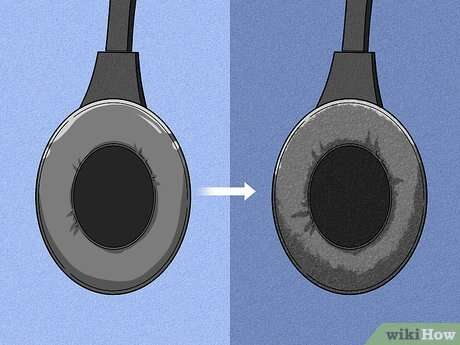
Keep cushions clean and dry. Sweat, dust, and oil can damage the seal over time. Replace cushions when they crack, flatten, or feel hard. Store electronic muffs away from water and remove batteries if you will not use them for a long period.
Do not play music loudly under protection. The point of a Bluetooth headset is to make work more pleasant, not to create another loud source near your ears. Keep enough awareness for alarms, vehicles, coworkers, and other hazards. A quiet job is safer only when you can still respond to danger.
FAQs Of best headphones for ear protection
What are the best headphones for ear protection?
The best choice depends on the task. ProCase, Pro For Sho, and Floriogra passive muffs suit steady loud work, while PROHEAR and Walker’s electronic models suit shooting and communication. Choose the model that fits well and carries a suitable hearing protection rating.
Are electronic shooting muffs safer than passive ear muffs?
Not always. Electronic muffs improve awareness of quiet sounds, but their listed protection rating may be lower than that of strong passive muffs. For loud firearms, use the protection level recommended for the range and consider earplugs under the muffs.
Can I use Bluetooth headphones for mowing?
You can use a Bluetooth headset designed and rated for hearing protection. Do not assume that regular wireless headphones protect your ears. Keep the volume moderate and stay alert for people, vehicles, alarms, and equipment problems.
Is a higher dB rating always better?
A higher listed rating can indicate more attenuation, but fit still matters. A poorly sealed high-rated muff may protect less than a well-fitted lower-rated one. Also, NRR and SNR use different systems, so compare like with like.
Should I wear earplugs and earmuffs together?
Double protection can help during very loud exposure, including some firearm use and industrial work. Follow workplace or range guidance and fit both devices correctly. If you have hearing concerns, ask a hearing professional for advice.
Final Verdict: Which Should You Buy?
For most shoppers, the ProCase or Pro For Sho passive muffs offer the best blend of simple use, strong listed reduction, and value. Shooters should consider PROHEAR electronic muffs or Walker’s Razor Slim for clearer communication.
The best headphones for ear protection are the ones you will wear correctly every time. Match the rating and fit to the noise, and use double protection when needed.

Everett Ashford is a tech reviewer at mytechgrid.com specializing in SSDs, cameras, TVs, earbuds, headphones, and other consumer electronics. He provides honest, data-driven reviews based on hands-on testing and real-world performance analysis. Everett simplifies complex tech details to help readers make smart, confident buying decisions.