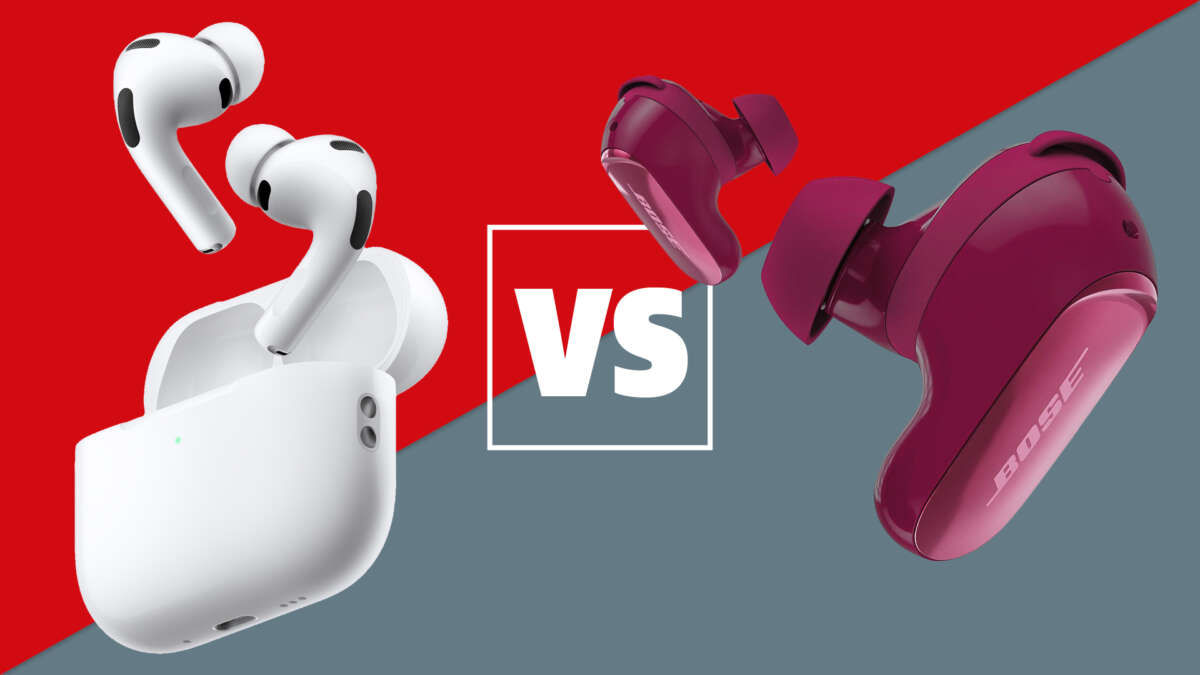
Bose noise-canceling earbuds use microphones and inverse sound waves to reduce unwanted outside noise.
To understand how do bose noise cancelling earbuds work, think of them as tiny sound-control systems inside your ears. They listen to the world, create an opposite sound signal, and use smart processing to make steady noise, such as airplane engines or air conditioners, much quieter.
How Bose Noise Cancelling Earbuds Work
Bose noise-canceling earbuds use active noise cancellation, often called ANC. This system does not simply block sound with rubber ear tips. Instead, it detects outside noise and produces a matching sound wave with the opposite phase.
When the original sound wave and the opposite wave meet, they partly cancel each other. This process is called destructive interference. It is similar to two water waves meeting and reducing each other’s height.
The earbuds do this many times every second. Their microphones capture sound, a digital signal processor analyzes it, and tiny speakers create the cancellation signal. The entire process happens so quickly that you usually do not notice a delay.
That explains how do bose noise cancelling earbuds work in simple terms:
- External microphones hear sound around you.
- Internal electronics study the sound pattern.
- The processor creates an opposite sound wave.
- The earbud speakers play that wave.
- Your ears receive less of the unwanted noise.
The result is not complete silence. Instead, the earbuds reduce certain sounds so music, podcasts, and voices become easier to hear.
The Main Parts Inside Bose Noise Cancelling Earbuds
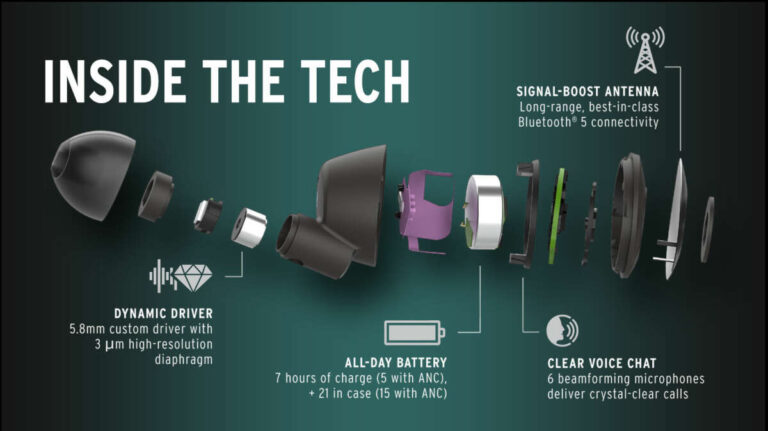
Several small parts work together to create the Bose noise-canceling effect. Each part has a different job, much like members of a well-trained team.
External microphones
Bose earbuds use microphones on the outside of the earbuds to detect noise before it reaches your ears. These microphones can pick up sounds such as road traffic, cabin rumble, fans, and nearby conversations.
This approach is called feedforward noise cancellation. It gives the earbuds an early warning about incoming noise.
Internal microphones
Some Bose models also use microphones inside the earbud. These microphones measure what you actually hear inside your ear canal.
This design is called feedback noise cancellation. It helps the system adjust its response when the earbud seal changes or when the sound inside your ear differs from the sound outside.
Digital signal processor
The digital signal processor, or DSP, acts as the brain of the system. It examines the microphone signals and calculates the right cancellation signal.
The DSP must work with great speed and precision. A small delay can reduce the effect or create an unwanted echo, so the electronics are designed for real-time processing.
Miniature speakers
The speakers play two things at once:
• Your music, call, or podcast
• The sound wave designed to reduce outside noise
These sounds blend together before reaching your eardrum. The aim is to reduce unwanted sound without damaging the quality of the content you want to hear.
Ear tips and acoustic seals
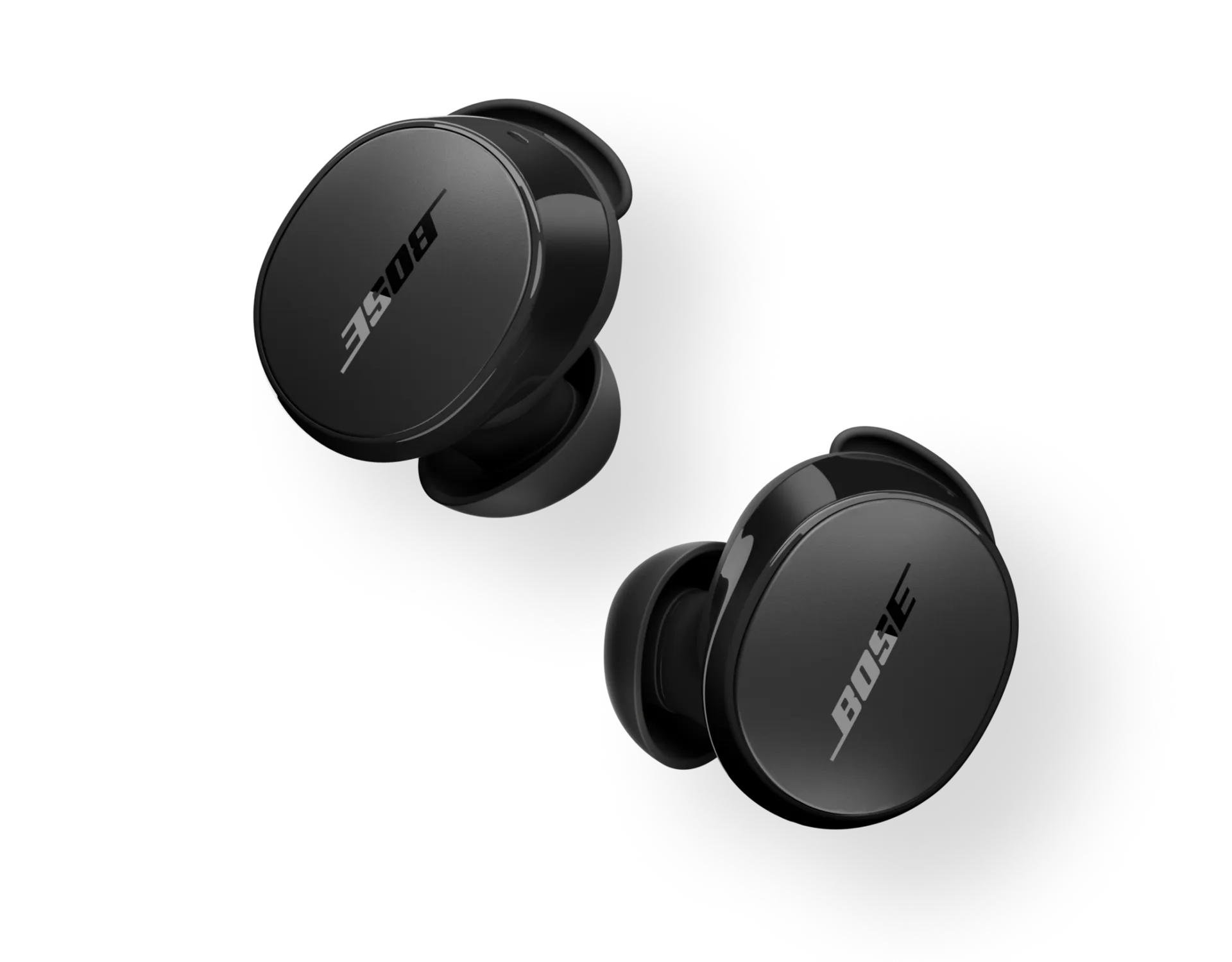
The silicone ear tips provide passive noise reduction. They physically block some sound from entering your ear.
A proper seal is important. If air leaks around the ear tip, low-frequency noise can enter more easily, and the ANC system may seem less effective. This is one reason Bose includes different ear tip and stability band sizes with many models.
Active Noise Cancellation Versus Passive Noise Blocking
People often use the terms noise isolation and noise cancellation as if they mean the same thing. They are related, but they work in different ways.
Passive noise isolation comes from the physical shape of the earbuds. The ear tips cover part of the ear canal and reduce sound in a similar way to earplugs.
Active noise cancellation uses microphones, electronic processing, and a speaker signal to reduce sound. This is the key answer to how do bose noise cancelling earbuds work.
Passive isolation works well against higher-pitched sounds, such as clapping, keyboard clicks, and some voices. Active noise cancellation is usually better at steady, low-frequency sounds, including:
• Airplane engine rumble
• Bus and train noise
• Air-conditioning systems
• Office ventilation
• Road noise inside a car
Neither method works perfectly against every sound. Sudden sounds are harder to cancel because the earbuds have very little time to predict them. A nearby shout, a dropped object, or a dog bark may still be easy to hear.
The best performance comes from both systems working together. The ear tips block some noise, while ANC reduces the remaining low-frequency sound.

Why Bose Earbuds Reduce Some Sounds Better Than Others
Noise cancellation is strongest when sound is steady, predictable, and low in pitch. Engine noise is a good example because it has a fairly stable pattern.
Human speech is more complex. It changes in pitch, volume, and timing. ANC may reduce some of the voice, but it usually will not remove it completely.
High-frequency sounds are also harder to cancel. The short wavelength of a high-pitched sound requires very precise timing and movement from the speaker.
This is why you may still hear:
• A person speaking close to you
• A sudden car horn
• A child crying
• Fingernail taps
• Wind hitting the microphones
When readers ask how do bose noise cancelling earbuds work on an airplane, the answer is especially clear. The earbuds are very good at reducing the deep, steady engine hum, but they may not remove announcements or nearby conversations.
Fit also changes the result. Even advanced ANC cannot fully overcome a loose ear tip or an earbud that does not sit correctly.
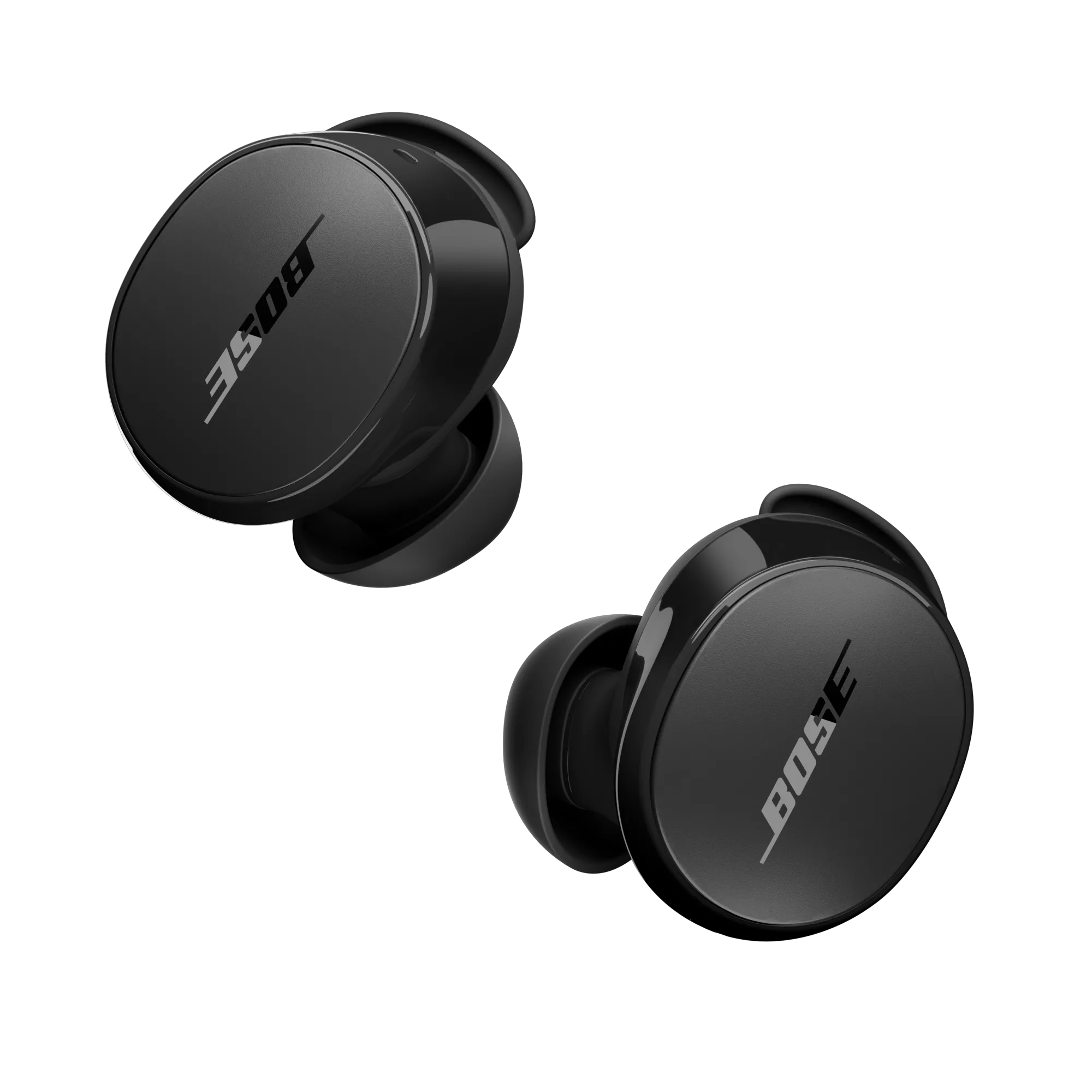
How Bose Aware Mode and Quiet Mode Work
Most current Bose noise-canceling earbuds offer modes that change how much outside sound you hear. The names can vary by model, but the basic idea is similar.
Quiet Mode uses strong noise cancellation. It is useful when you want to focus on music, work, reading, or travel.
Aware Mode lowers the feeling of isolation. The earbuds use their microphones to bring outside sound into your ears. This lets you hear announcements, conversations, and traffic without removing the earbuds.
Some Bose models also offer adjustable settings. You may be able to choose how much outside sound enters, save custom modes, or adjust wind-blocking behavior through the Bose app.
Aware Mode is not the same as removing the earbuds. Microphones can make voices sound slightly processed, and the earbuds may not reproduce every sound exactly as your natural hearing does.
For safety, remove the earbuds or lower the audio when crossing streets, cycling near traffic, or working around machinery. Noise cancellation can reduce awareness, even when Aware Mode is active.
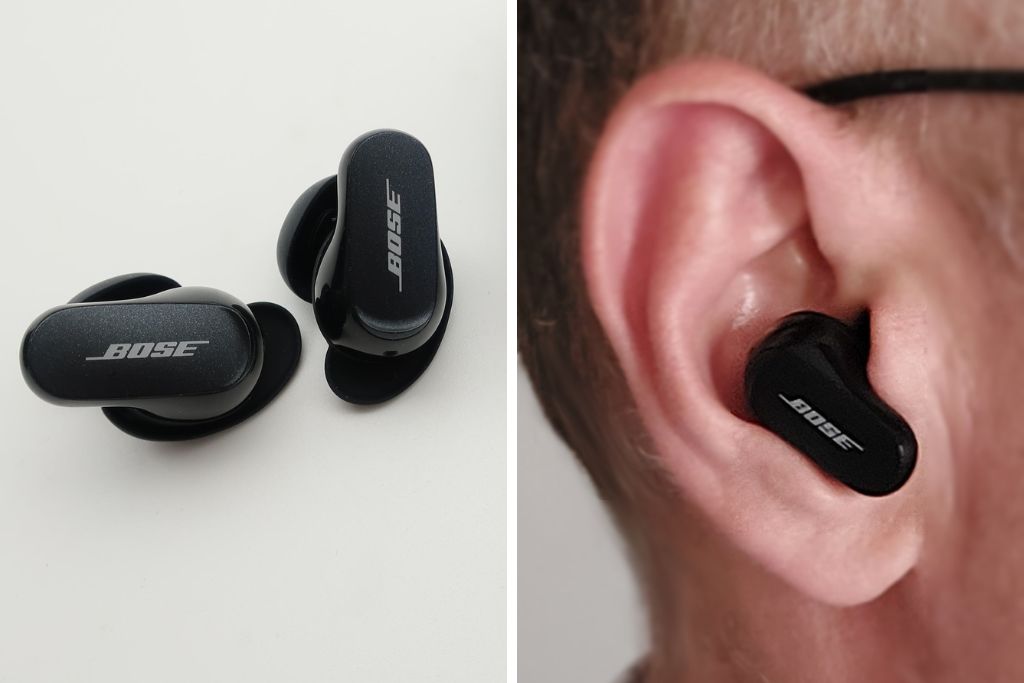
What Bose CustomTune Does
Some Bose earbuds use a system called CustomTune. It measures how sound behaves in and around your ears, then adjusts audio and noise control to suit your fit.
Every ear is different. The shape of the ear canal, the ear tip seal, and the way an earbud sits can change what you hear.
CustomTune aims to account for these differences. It may adjust the sound profile and noise cancellation so the experience feels more consistent from person to person.
This does not mean the earbuds create a perfect hearing profile. It is a practical adjustment system, not a medical hearing test.
If you change ear tips, clean the earbuds, or reposition them, the result may change. A good fit remains more important than any software feature.

How the Bose App Controls Noise Cancellation
The Bose app can help you manage noise control settings on compatible earbuds. Available features depend on the model and software version.
Common controls may include:
• Selecting Quiet or Aware Mode
• Creating custom listening modes
• Adjusting noise cancellation strength
• Changing equalizer settings
• Managing Bluetooth connections
• Installing firmware updates
The app does not create ANC by itself. The microphones, processor, and speakers inside the earbuds perform the main work.
Firmware updates may improve stability, connection behavior, or sound processing. They cannot always transform the hardware, so expectations should remain realistic.
When learning how do bose noise cancelling earbuds work, it helps to separate hardware from software. Hardware detects and produces sound. Software tells the hardware how to respond.

How Wind Affects Bose Noise Cancellation
Wind is one of the most difficult sounds for ANC earbuds to manage. Air can strike the external microphones and create a loud rushing noise.
This problem is different from engine noise. Engine noise is often steady and predictable. Wind can change quickly as you walk, turn your head, or ride in a moving vehicle.
Bose uses microphone placement and digital processing to reduce wind noise. Some listening modes may handle wind better than others.
You can also improve performance with simple habits:
- Turn the earbuds so the microphones are less exposed to direct airflow.
- Use a secure ear tip and stability band.
- Avoid strong ANC modes during heavy wind if they create microphone rumble.
- Keep the microphone openings clean.
- Use a hat or hood when walking in strong gusts.
No earbud can remove every burst of wind. If you hear a soft rushing sound outdoors, that does not necessarily mean the earbuds are defective.

Does Noise Cancellation Affect Sound Quality?
Good ANC should reduce unwanted noise without making music sound thin, dull, or unnatural. In practice, the result depends on the model, fit, software, and listening mode.
Some earbuds slightly change their sound when ANC is switched on or off. This can happen because the processor changes the signal to account for the cancellation system.
A strong ear seal may also make bass sound fuller. If the seal is weak, music may sound light and outside noise may remain noticeable.
When I test earbuds, I compare the same song in three conditions:
• ANC turned off
• Strong noise cancellation enabled
• Aware Mode enabled
I listen for bass changes, vocal clarity, hiss, and pressure. This simple comparison often reveals that fit matters as much as the electronics.
If music sounds strange, try a different ear tip before changing equalizer settings. A poor seal can make every other adjustment less useful.

Why Noise Cancellation Can Feel Like Ear Pressure
Some people feel pressure, fullness, or mild discomfort when they first use ANC earbuds. This sensation is common, but the earbuds are not creating a vacuum inside your ear.
The feeling may come from the reduction of low-frequency sound. Your brain is used to hearing and sensing background noise, so removing much of it can feel unusual.
The sealed ear tip may also create an occlusion effect. This happens when sounds made inside your body, such as chewing or footsteps, seem louder because the ear canal is partly blocked.
To make the transition easier:
• Start with shorter listening sessions.
• Try a lower ANC level.
• Test a different ear tip size.
• Use Aware Mode for part of the day.
• Stop using the earbuds if you feel pain, dizziness, or lasting discomfort.
Noise cancellation should not hurt. Persistent symptoms deserve attention from a qualified medical professional.
Battery Use and Noise Cancellation
Active noise cancellation uses power because the microphones, processor, and speakers must remain active. Battery life can therefore vary between ANC, Aware, and ANC-off modes.
The exact battery performance depends on factors such as:
• Listening volume
• Bluetooth connection quality
• ANC mode
• Voice assistant use
• Phone calls
• Firmware version
• Temperature
The charging case adds extra power for use away from an outlet. Still, published battery figures are usually measured under controlled conditions. Real-world results may be lower.
A practical habit is to charge the case before long flights or workdays. It is also wise to carry a cable or backup plan if you rely on the earbuds for travel.
How Noise Cancellation Works During Phone Calls
Bose earbuds use microphones for calls as well as ANC. During a call, the system must capture your voice while reducing background noise.
The earbuds use microphone signals and digital processing to focus on speech. Some models also adjust how your voice sounds to the person on the other end.
Call quality depends heavily on the environment. A quiet room usually produces clearer speech than a windy sidewalk or crowded station.
If the person on the call says your voice sounds distant, try these steps:
-
Move the earbuds so they sit securely.
-
Clean the microphone openings gently.
-
Move away from strong wind.
-
Check the Bluetooth connection.
-
Install available firmware updates.
Noise cancellation for your ears and voice isolation for phone calls are related but different functions. One reduces what you hear. The other helps control what the other person hears.
How to Get Better Noise Cancellation From Bose Earbuds
Understanding how do bose noise cancelling earbuds work is useful, but setup has just as much impact as technology. A few simple changes can make a clear difference.
Choose the right ear tip
Try each included ear tip size. The correct tip should feel secure without causing pain.
If the earbud feels loose, outside noise will leak in. If it feels too tight, long listening sessions may become uncomfortable.
Seat the earbuds correctly
Insert each earbud and rotate it gently until it feels stable. The stability band should rest in the outer part of your ear rather than press sharply against it.
Keep the microphones clean
Dust, skin oil, and earwax can cover small microphone openings. Use a dry, soft cloth and follow the cleaning instructions for your model.
Do not push liquid into the openings. Avoid sharp tools, since they can damage the mesh or internal components.
Pick the right mode
Use Quiet Mode for steady background noise. Use Aware Mode when you need to hear people or your surroundings.
Custom modes can be useful, but start with the standard settings first. This makes it easier to identify what each adjustment changes.
Keep software current
The Bose app may offer firmware updates that improve performance or fix connection issues. Keep both the earbuds and the phone app updated when practical.
Common Mistakes That Reduce ANC Performance
Even expensive earbuds can seem disappointing when basic setup problems are present. These mistakes are easy to fix.
• Using ear tips that are too small
• Wearing the earbuds at the wrong angle
• Covering the microphones with a hat or hair
• Expecting ANC to remove every human voice
• Using strong ANC in heavy wind
• Ignoring dirt around the microphone openings
• Judging performance in a noisy place before testing the fit
One mistake I often see is comparing earbuds while each person wears a different tip size. That is not a fair test. The seal must be correct before you judge the quality of the noise cancellation.
Another mistake is assuming that more cancellation is always better. Some people prefer a moderate setting because it reduces noise while feeling more natural.
Benefits and Limitations of Bose Noise Cancelling Earbuds
Bose noise-canceling earbuds can be helpful in many daily situations. They are especially useful when background noise makes it hard to focus or enjoy audio.
Main benefits
• Less low-frequency noise during flights and commutes
• Better speech clarity at lower listening volumes
• Portable design without large over-ear headphones
• Adjustable awareness modes
• Useful sound control for offices and shared spaces
• Reduced need to turn music up in noisy places
Lower listening volume can be a meaningful benefit. Hearing health experts commonly recommend avoiding excessive volume and taking listening breaks. ANC does not make loud listening safe, but it may help you avoid competing with background noise.
Important limitations
• ANC does not create perfect silence.
• Sudden and high-pitched sounds may remain audible.
• Wind can affect microphone performance.
• A poor ear tip seal reduces effectiveness.
• Battery power is required for active features.
• Some users may dislike the pressure-like sensation.
• Noise cancellation does not replace situational awareness.
These limitations apply to the technology as a whole, not just Bose products. Reviews should consider comfort, fit, sound, controls, call quality, and battery life along with ANC strength.
Are Bose Noise Cancelling Earbuds Safe?
For most people, Bose noise-canceling earbuds are safe when used correctly. Noise cancellation itself does not expose your ears to harmful sound energy.
The larger risk is listening too loudly for too long. If you increase the volume to unsafe levels, ANC cannot protect your hearing.
Use sensible habits:
-
Keep the volume at a comfortable level.
-
Take regular breaks.
-
Stop if you notice ringing, pain, or muffled hearing.
-
Keep awareness of traffic and other hazards.
-
Avoid using earbuds near machinery unless your workplace approves them.
The World Health Organization and other hearing-health authorities encourage safe listening practices. Noise-canceling earbuds can support safer volume habits, but personal responsibility still matters.
How Do Bose Noise Cancelling Earbuds Work Without Music?
Bose earbuds can reduce outside noise even when no music is playing. The microphones and processor continue to detect sound and produce the cancellation signal.
This can be useful on an airplane, in a busy office, or while studying. You may hear a quieter version of the environment without playing any content.
However, silence is not guaranteed. You may still notice voices, movement, wind, or electronic hiss.
The earbuds also continue to use battery power in this situation. If you only want silence for a short period, remember to turn them off or place them in the charging case afterward.
Do Bose Earbuds Cancel Noise Better Than Headphones?
The answer depends on the situation. Over-ear headphones usually create a larger physical seal around the ear and may offer strong passive isolation. Earbuds are smaller and easier to carry.
Bose earbuds can perform very well against low-frequency noise when they fit correctly. Headphones may feel more consistent for some users because their ear cushions do not depend on an ear canal seal.
Comfort also varies. Some people dislike the warmth and weight of headphones. Others find in-ear earbuds tiring during long sessions.
The best choice depends on your ears, routine, travel needs, and comfort preferences. Try both designs if possible before making a purchase.
Frequently Asked Questions
How do Bose noise cancelling earbuds work?
Bose noise-canceling earbuds use microphones to detect outside sound. A processor then creates an opposite sound wave through the speakers, which reduces some unwanted noise before it reaches your ears.
Do Bose earbuds block all outside noise?
No. They reduce many steady, low-frequency sounds, but voices, sudden noises, high-pitched sounds, and wind may still be heard. A good ear tip seal improves the overall result.
Can Bose noise cancellation work without music?
Yes. The ANC system can continue reducing outside noise when music or other audio is paused. This still uses battery power.
Why do Bose earbuds feel like they create pressure?
The earbuds do not create a vacuum. The unusual feeling may come from reduced low-frequency sound, a sealed ear canal, or the occlusion effect. Lowering ANC strength and trying another ear tip may help.
Is Aware Mode the same as removing the earbuds?
No. Aware Mode uses microphones to bring outside sound into your ears. It can improve awareness, but it may sound processed and should not replace caution near traffic or machinery.
Why is wind noise still audible with ANC?
Wind can hit the external microphones and create sudden, changing noise. This is harder to predict and cancel than a steady engine hum. Adjusting the fit and choosing a wind-friendly mode may help.
Do Bose earbuds use more battery with noise cancellation?
Usually, yes. ANC requires microphones, digital processing, and speaker activity. Battery life also changes with volume, calls, Bluetooth use, temperature, and the specific model.
Conclusion
Bose noise-canceling earbuds combine microphones, a digital signal processor, miniature speakers, and ear tips to reduce unwanted sound. ANC works best with steady low-frequency noise, while passive isolation helps block some higher-frequency sounds.
Fit remains one of the most important factors. Choose the right ear tips, keep the microphones clean, use the proper listening mode, and avoid unsafe volume levels.
Now that you know how do bose noise cancelling earbuds work, test the settings in your own routine rather than relying only on specifications. Explore the Bose app, compare Quiet and Aware Mode, and share your experience or questions in the comments.
Everett Ashford is a tech reviewer at mytechgrid.com specializing in SSDs, cameras, TVs, earbuds, headphones, and other consumer electronics. He provides honest, data-driven reviews based on hands-on testing and real-world performance analysis. Everett simplifies complex tech details to help readers make smart, confident buying decisions.