Bone conduction headphones can help some deaf people, but they cannot restore hearing in every case.
The answer to “do bone conduction headphones work for deaf people” depends on the type and level of hearing loss. These headphones bypass the outer and middle ear, yet they still need a working inner ear or an implanted hearing device to turn vibrations into useful sound. This guide explains who may benefit, who may not, and how to choose and use them safely.
How bone conduction headphones work
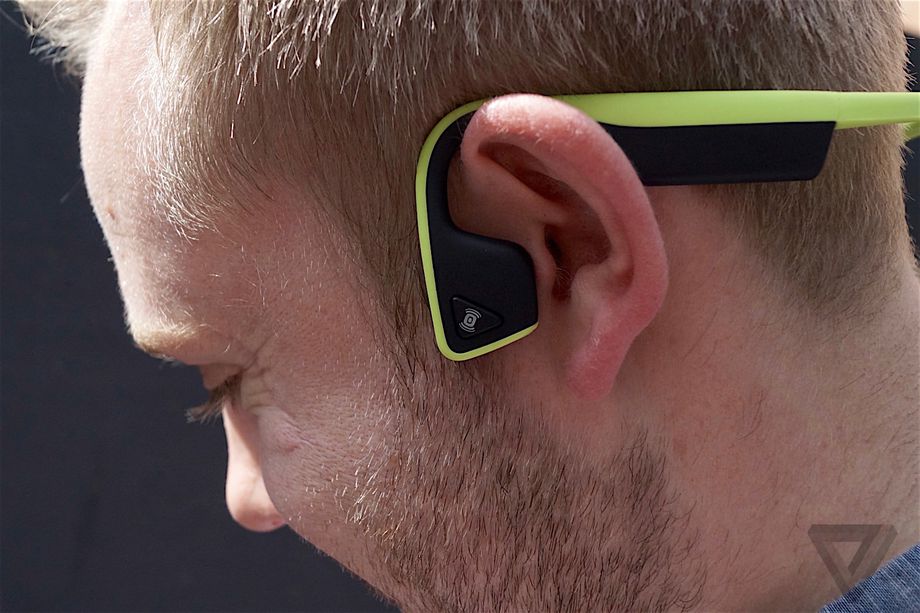
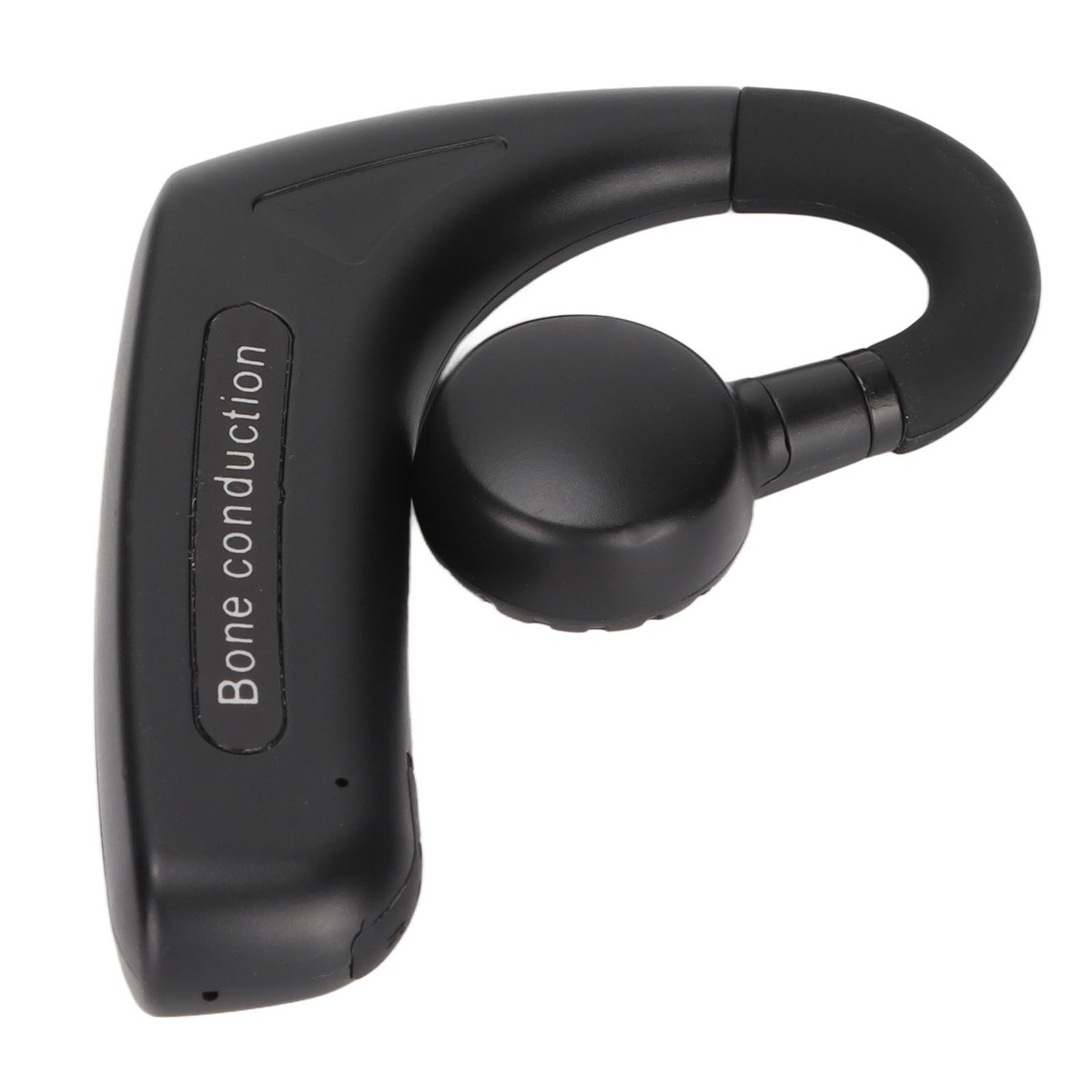
Bone conduction headphones send sound through vibrations. Small transducers rest against the cheekbones near the ears and gently vibrate the skull. These vibrations travel to the cochlea, the inner ear structure that changes movement into nerve signals for the brain.
Regular headphones send sound through the ear canal. Sound then moves through the eardrum and middle ear bones before reaching the cochlea. Bone conduction devices take a different route by skipping much of the outer and middle ear.
This is why people often ask, “do bone conduction headphones work for deaf people?” The key point is that the cochlea and hearing nerve must still work well enough to process the signal. Bone conduction is a new pathway, not a complete replacement for the hearing system.
Most consumer models use Bluetooth. They can play music, phone calls, podcasts, and navigation prompts. However, they are not the same as medical bone-anchored hearing systems, which may require surgery or a professional fitting.
Do bone conduction headphones work for deaf people with different types of hearing loss?
The type of hearing loss matters more than the word “deaf.” Deafness covers a wide range of hearing levels and causes. Two people with the same label may respond very differently to the same device.
conductive hearing loss
Conductive hearing loss happens when sound cannot travel well through the outer or middle ear. Common causes include:
• Earwax blockage
• Fluid behind the eardrum
• Repeated ear infections
• A damaged eardrum
• Problems with the middle ear bones
• Structural differences in the ear
People with conductive hearing loss may benefit most from bone conduction. The device can bypass the blocked or damaged parts and send vibrations toward the cochlea.
For this group, the answer to “do bone conduction headphones work for deaf people” is often yes, especially when the inner ear works normally. Still, a hearing exam is important because treating the medical cause may provide better results than using headphones alone.
Sensorineural hearing loss
Sensorineural hearing loss affects the cochlea or auditory nerve. It may result from aging, loud noise, genetics, illness, or certain medicines.
Bone conduction headphones may help some people with mild or moderate sensorineural loss. The vibration still reaches the cochlea, but damaged sensory cells may not process the signal clearly.
If the cochlea has severe damage, louder vibration will not solve the problem. It may only make sound feel harsh or unclear. In these cases, hearing aids or cochlear implants may offer more useful support.
Mixed hearing loss
Mixed hearing loss includes both conductive and sensorineural damage. Bone conduction may bypass the conductive part, but it cannot repair damage in the cochlea or hearing nerve.
A hearing specialist can compare air conduction and bone conduction test results. This helps show whether the device is likely to improve speech, music, or environmental sounds.
Single-sided deafness
Some people have little or no hearing in one ear but normal hearing in the other. Bone conduction systems may help move sound from the deaf side to the hearing side.
This does not truly restore hearing in the deaf ear. Instead, it gives the hearing ear access to sounds that come from the opposite side. That can make conversations easier in some settings, though it does not fully restore normal direction or distance awareness.

Do bone conduction headphones work for people with profound deafness?
For a person with profound hearing loss in both ears, ordinary consumer bone conduction headphones often provide little or no useful sound. The reason is simple: the device still depends on the cochlea and auditory nerve.
If those structures cannot send strong signals to the brain, skull vibrations may not create meaningful hearing. Turning up the volume is not a reliable fix and may cause discomfort.
The answer can change for people who use a cochlear implant or an approved bone-anchored hearing system. Some accessories connect directly to these devices or work with a compatible processor. This setup is different from placing standard Bluetooth headphones on the cheekbones.
When asking “do bone conduction headphones work for deaf people,” consider these factors:
• Is the hearing loss conductive, sensorineural, mixed, or one-sided?
• Does the cochlea still respond to sound or vibration?
• Does the person use hearing aids, a cochlear implant, or a bone-anchored device?
• Is the product a consumer headphone or a medical hearing system?
• Is the goal music, speech, alerts, or improved awareness outdoors?
An audiologist can answer these questions with hearing tests. A product description alone cannot predict the result.

Benefits of bone conduction headphones
Bone conduction headphones offer several practical benefits. They may not suit everyone, but the right user can find them useful in daily life.
They keep the ear canals open
Because the transducers sit outside the ears, users can still hear some traffic, voices, alarms, and other surroundings. This can help during walks, bike rides, or office work.
Open ears can improve awareness, but they do not make outdoor listening completely safe. Loud traffic, wind, and busy streets can still hide important sounds.
They may help with conductive hearing loss
A person with a blocked ear canal or middle ear problem may hear more clearly through bone conduction than through standard earbuds. This benefit depends on the health of the inner ear.
They can feel more comfortable
Some users dislike the pressure or plugged feeling caused by earbuds. Bone conduction headphones do not sit inside the ear canal, which may reduce irritation.
Comfort varies. The band can press against glasses, hats, hearing aids, or the temples. It is worth trying the device for short periods before using it all day.
They support phone calls and media
Many models include a microphone and Bluetooth connection. Users may stream calls, music, audiobooks, and directions without covering the ears.
Speech quality can change in noisy places. Wind noise may also affect the microphone, so a quiet room often gives the best call experience.
They can support one-sided hearing
For some people with single-sided deafness, a bone conduction system can route sound from the poorer side to the better ear. This may reduce the need to turn the head during a conversation.
It does not create true stereo hearing. Users may still have trouble telling where a sound comes from.

Limitations and possible drawbacks
The question “do bone conduction headphones work for deaf people” should not be answered with a simple yes or no. Even when the technology works, it has limits.
Sound may be less clear
Consumer bone conduction headphones often have less bass and detail than good earbuds or over-ear headphones. Music may sound thinner. Speech may also lose some clarity in a loud room.
Noise can reduce the benefit
The device does not seal the ear. This helps awareness but allows outside noise to compete with the audio. A busy road, gym, or airport may make listening difficult.
They may cause pressure or tingling
Some users notice pressure on the cheekbones, vibration fatigue, or mild skin discomfort. These effects often improve after adjusting the fit.
Stop using the device if you feel pain, dizziness, ringing, or lasting discomfort. Speak with a hearing professional if symptoms continue.
They do not replace hearing aids
Bone conduction headphones are mainly entertainment and communication products. They usually do not provide the same speech processing, custom programming, feedback control, or clinical support as hearing aids.
People with hearing loss should not treat them as a substitute for diagnosis or rehabilitation.
Volume can still harm hearing
Bone conduction does not make loud sound harmless. Strong vibrations can still stimulate the inner ear and may contribute to hearing damage.
Use a moderate volume and take listening breaks. The World Health Organization recommends safer listening habits, including limiting volume and exposure time.

Bone conduction headphones versus medical bone-anchored devices
The words “bone conduction” describe a method, not one single product. This distinction prevents a common buying mistake.
Consumer bone conduction headphones
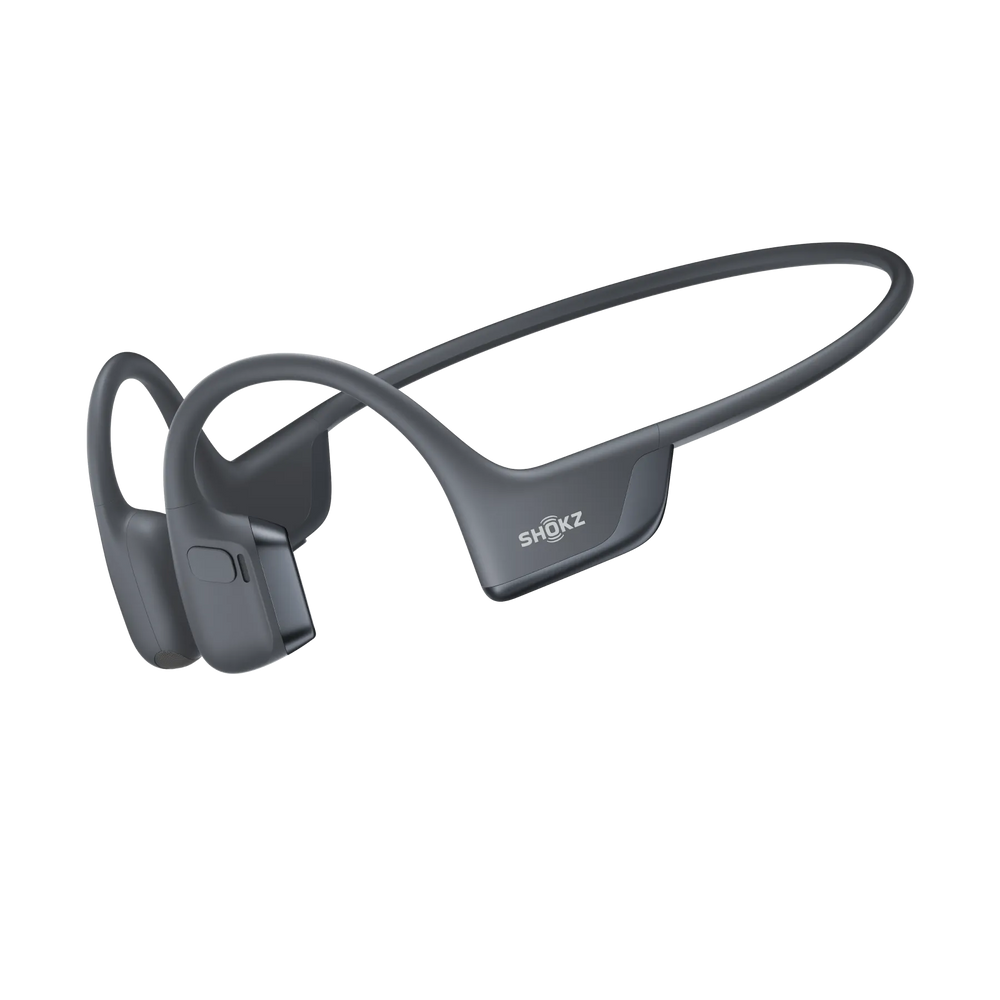
These devices usually have an external band. They connect to a phone or computer and play media through skin and bone vibrations.
They are not normally designed to correct serious hearing loss. Their main purpose is open-ear listening.
Bone-anchored hearing systems
A bone-anchored hearing system uses a sound processor that connects to an implant or a specialized attachment. It is designed for certain types of hearing loss and is selected with medical guidance.
The processor can provide stronger and more controlled sound transmission than ordinary headphones. Some systems use an implant, while others use a non-surgical headband or adhesive connection.
Cochlear implant accessories
A cochlear implant sends electrical signals directly to the auditory nerve through an implanted system. Compatible wireless accessories can stream audio to the sound processor.
A standard bone conduction headset does not perform the same job. It cannot replace a cochlear implant or connect to every hearing device.
When comparing products, check:
• Whether the device is consumer or medical
• Whether it works with your hearing aid or implant
• Whether it supports direct streaming
• Whether it has a return period
• Whether an audiologist has recommended it
• Whether the manufacturer provides clear safety and compatibility details
How to test bone conduction headphones safely
If you want to find out whether bone conduction headphones work for you, use a careful trial. Start with low expectations and a low volume.
-
Ask an audiologist about your hearing type and likely benefit.
-
Test the device in a quiet room. Try speech, music, and a familiar podcast.
-
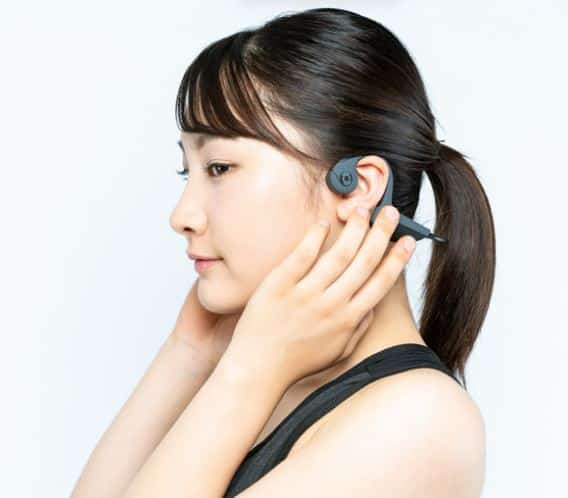
Place the transducers on the cheekbones, just in front of the ears. Small position changes can affect clarity.
-
Begin at a low volume. Increase it only enough to understand the sound.
-
Test one task at a time. Compare a phone call, spoken instructions, music, and environmental awareness.
-
Try the headphones in a mildly noisy place, but never use them near traffic until you know how well you hear alerts.
-
Check for pressure, skin irritation, ringing, dizziness, or headache.
-
Use the return policy if the sound is weak, unclear, or uncomfortable.
A practical lesson from testing these devices is that placement matters greatly. Moving the headset a few millimeters can change the sound, but a better position cannot overcome severe inner-ear damage.
Also avoid assuming that louder means better. Clearer sound often comes from the right fit, a quiet environment, and a compatible hearing device.
What research and hearing experts say
Clinical hearing tests distinguish between air conduction and bone conduction. This comparison helps professionals identify whether a problem lies in the outer or middle ear, the inner ear, or more than one area.
Medical bone-conduction systems have established uses for selected patients with conductive or mixed hearing loss. They may also help some people with single-sided deafness by sending sound to the better hearing ear.
Research does not support the idea that ordinary bone conduction headphones restore hearing for every deaf person. Results depend on cochlear function, the hearing nerve, the cause of hearing loss, device strength, and the listening environment.
A hearing specialist may recommend:
• A standard hearing test
• Bone conduction testing
• Speech recognition testing
• Hearing aid or cochlear implant evaluation
• A supervised device trial
• Medical treatment for an ear condition
These steps are more reliable than judging a product from online reviews. Reviews can show comfort and build quality, but they cannot predict how a damaged auditory system will respond.
Frequently Asked Questions: Do Bone Conduction Headphones Work for Deaf People?
Can completely deaf people hear with bone conduction headphones?
Usually, no. If both cochleae or the auditory nerves provide little usable function, ordinary bone conduction headphones may not create understandable sound. A cochlear implant or approved bone-anchored system may offer another option for some people.
Do bone conduction headphones help with conductive hearing loss?
They can help some people with conductive hearing loss because they bypass the outer and middle ear. The inner ear must still work well enough to process the vibration.
Do bone conduction headphones work with cochlear implants?
Standard models do not replace or directly control a cochlear implant. Some cochlear implant processors accept wireless accessories, so users should check compatibility with their implant team.
Are bone conduction headphones good for single-sided deafness?
They may help by sending sound from the poorer side to the better hearing ear. They do not restore hearing in the deaf ear or provide normal sound direction.
Can bone conduction headphones damage hearing?
They can contribute to hearing strain if used at high volume for long periods. Keep the volume moderate, take breaks, and stop if you notice ringing, pain, or dizziness.
Are bone conduction headphones better than hearing aids?
Neither is always better. Bone conduction headphones may suit open-ear media use, while hearing aids are designed to improve speech access through professional fitting and sound processing.
Can children use bone conduction headphones?
Some children use bone conduction technology under medical guidance. Parents should ask an audiologist about fit, volume, hearing development, and whether a medical device is more suitable than consumer headphones.
Conclusion
So, do bone conduction headphones work for deaf people? They can help people with conductive hearing loss, some mixed hearing loss, and certain cases of single-sided deafness. They are less likely to help when the cochlea or auditory nerve has severe damage, and they do not replace hearing aids, cochlear implants, or medical bone-anchored systems.
The safest next step is to identify the type of hearing loss and test a compatible device at a low volume. Ask an audiologist for guidance, use a return-friendly product, and judge success by speech clarity and daily usefulness rather than loudness. Explore trusted hearing resources, discuss your options with a professional, and share your experience or questions in the comments.

Everett Ashford is a tech reviewer at mytechgrid.com specializing in SSDs, cameras, TVs, earbuds, headphones, and other consumer electronics. He provides honest, data-driven reviews based on hands-on testing and real-world performance analysis. Everett simplifies complex tech details to help readers make smart, confident buying decisions.