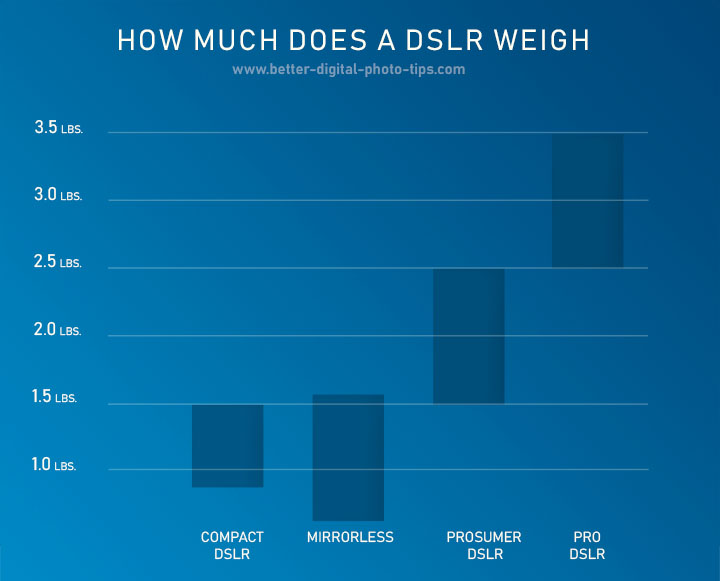
Most digital cameras weigh between 6 ounces and 3 pounds, depending on type, lens, battery, and accessories.
If you are asking how much does a digital camera weigh before buying or packing one, the answer depends on its design. A small compact camera may feel lighter than a phone, while a professional mirrorless or DSLR camera can become a serious load once you add a large lens, spare batteries, and a tripod. This guide breaks down camera weights by type so you can choose gear with confidence.
How Much Does a Digital Camera Weigh?
A digital camera can weigh anywhere from about 100 grams to more than 1.5 kilograms. In US measurements, that is roughly 3.5 ounces to 3.3 pounds for the camera body alone.
The biggest factors are the camera type, body material, battery, memory card, and built-in or interchangeable lens. A camera body may look small, but the lens often adds as much weight as the camera itself.
Here is a simple overview:
| Camera type | Typical body weight | Typical weight with lens |
|---|---|---|
| Compact point-and-shoot | 4 to 12 ounces | 4 to 12 ounces |
| Bridge camera | 14 to 32 ounces | 14 to 32 ounces |
| Small mirrorless camera | 10 to 20 ounces | 1.25 to 2.5 pounds |
| Full-frame mirrorless camera | 1.25 to 2 pounds | 2 to 4 pounds |
| Entry-level DSLR | 1 to 1.5 pounds | 1.75 to 3 pounds |
| Professional DSLR | 1.75 to 3 pounds | 3 to 6 pounds |
| Medium-format digital camera | 2 to 4 pounds | 3.5 to 7 pounds |
These figures are general ranges, not fixed rules. For example, a small full-frame camera with a pancake lens may weigh less than a large APS-C camera with a telephoto lens.
Digital Camera Weight by Camera Type
The easiest way to understand how much does a digital camera weigh is to compare the main camera categories. Each type makes a different trade-off between size, image quality, speed, and comfort.
Compact point-and-shoot cameras
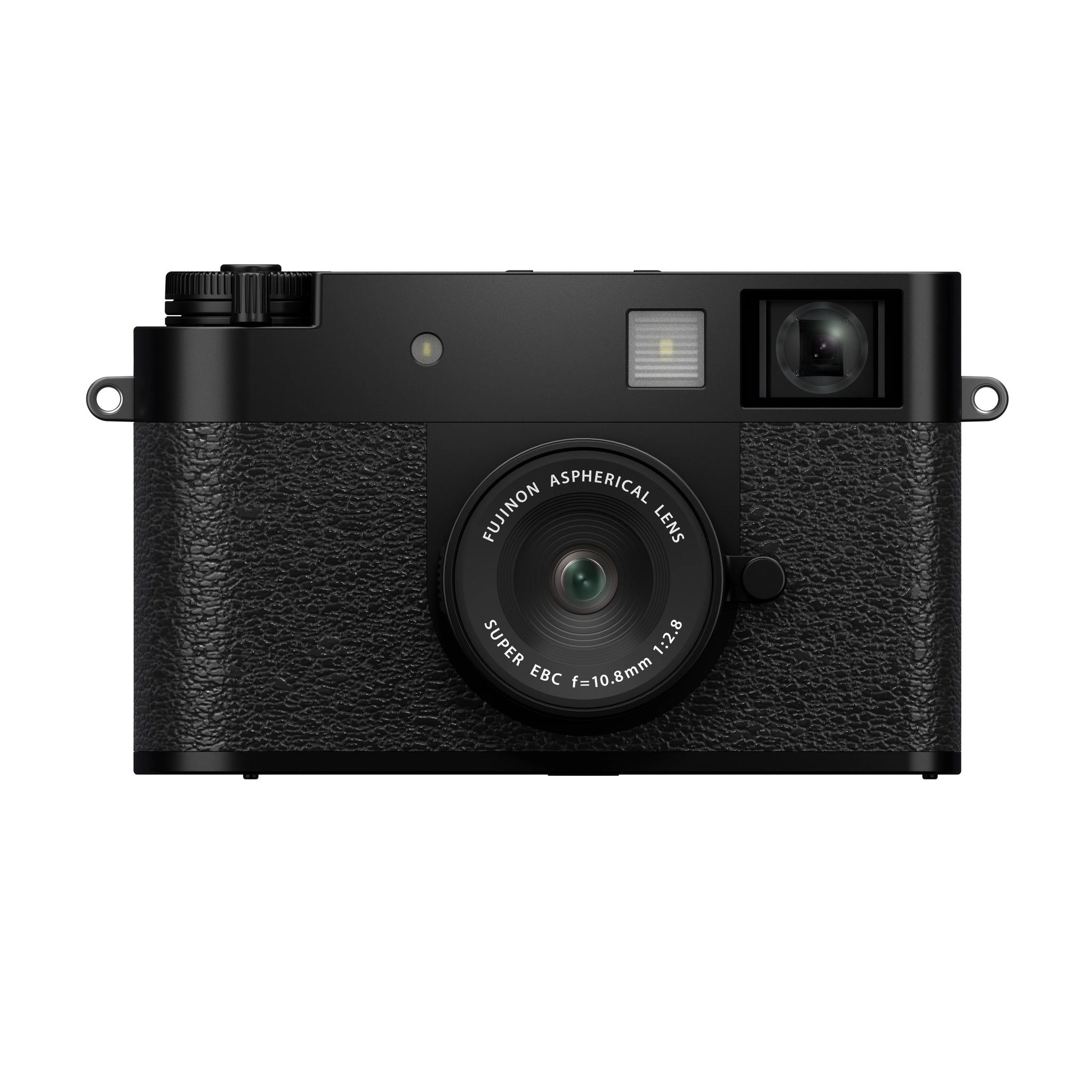
Compact cameras usually weigh between 4 and 12 ounces. Many fit into a jacket pocket and have a built-in zoom lens, so you do not need to carry extra lenses.
They are useful for travel, family events, and casual photos. Their small size is convenient, but they often use smaller sensors than mirrorless cameras and DSLRs. That can limit low-light performance and background blur.
Bridge cameras
Bridge cameras often weigh between 14 and 32 ounces. They look like small DSLRs but use a permanent lens instead of interchangeable lenses.
The built-in lens may offer a very long zoom range. This makes a bridge camera useful for wildlife, sports, and vacations when changing lenses would be inconvenient. The trade-off is that the camera may feel bulky even though it weighs less than a professional camera kit.
Mirrorless cameras
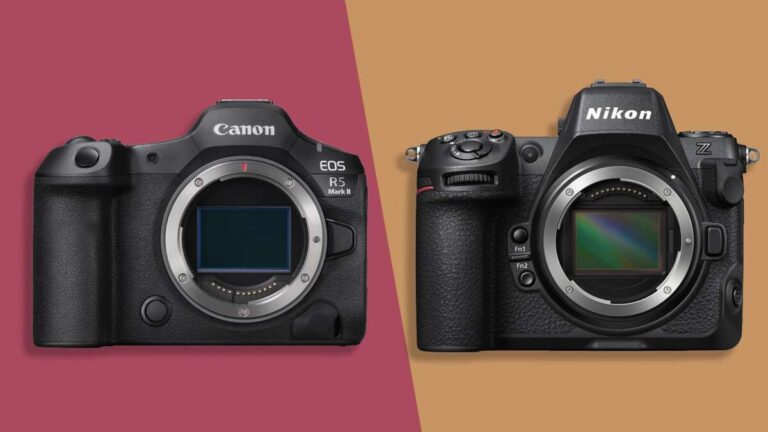
Mirrorless camera bodies commonly weigh from 10 ounces to 2 pounds. Small Micro Four Thirds and APS-C models are often light, while full-frame models tend to be heavier.
A mirrorless camera removes the optical mirror system found in a DSLR. This can reduce body size and weight. However, a large lens, strong battery, cooling system, or rugged metal frame can make a mirrorless kit surprisingly heavy.
DSLR cameras
Entry-level DSLRs generally weigh between 1 and 1.5 pounds without a lens. Professional DSLR bodies can weigh closer to 3 pounds.
DSLRs have optical viewfinders and internal mirror systems. These parts add weight, but they also provide a familiar shooting experience and long battery life in many models. With a standard zoom lens, an entry-level DSLR may weigh around 2 pounds, while a professional setup can exceed 5 pounds.
Medium-format digital cameras
Medium-format cameras are built for very high image quality. Many weigh between 2 and 4 pounds before adding a lens.
Their larger sensors can capture excellent detail and smooth tonal changes. They are popular in commercial, fashion, studio, and fine-art photography. They are less practical for long walks because both the camera and lenses can be heavy.
What Adds Weight to a Digital Camera?
The camera body is only one part of the total load. If you want to know how much does a digital camera weigh in real use, calculate the entire kit rather than the body alone.
The lens
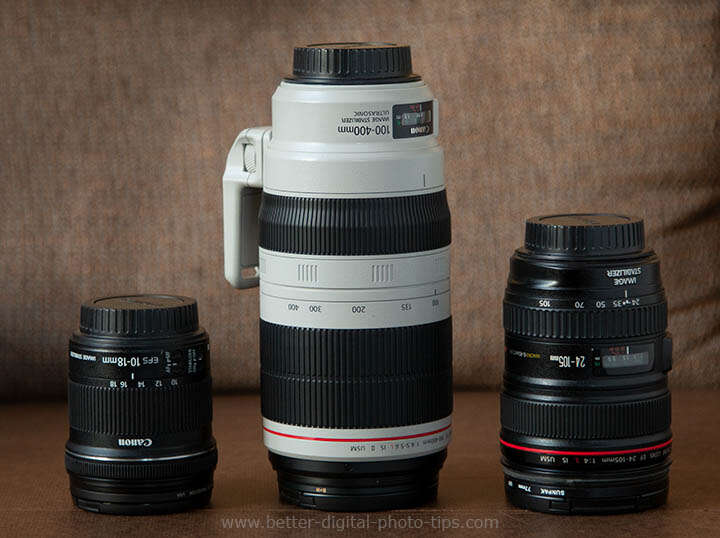
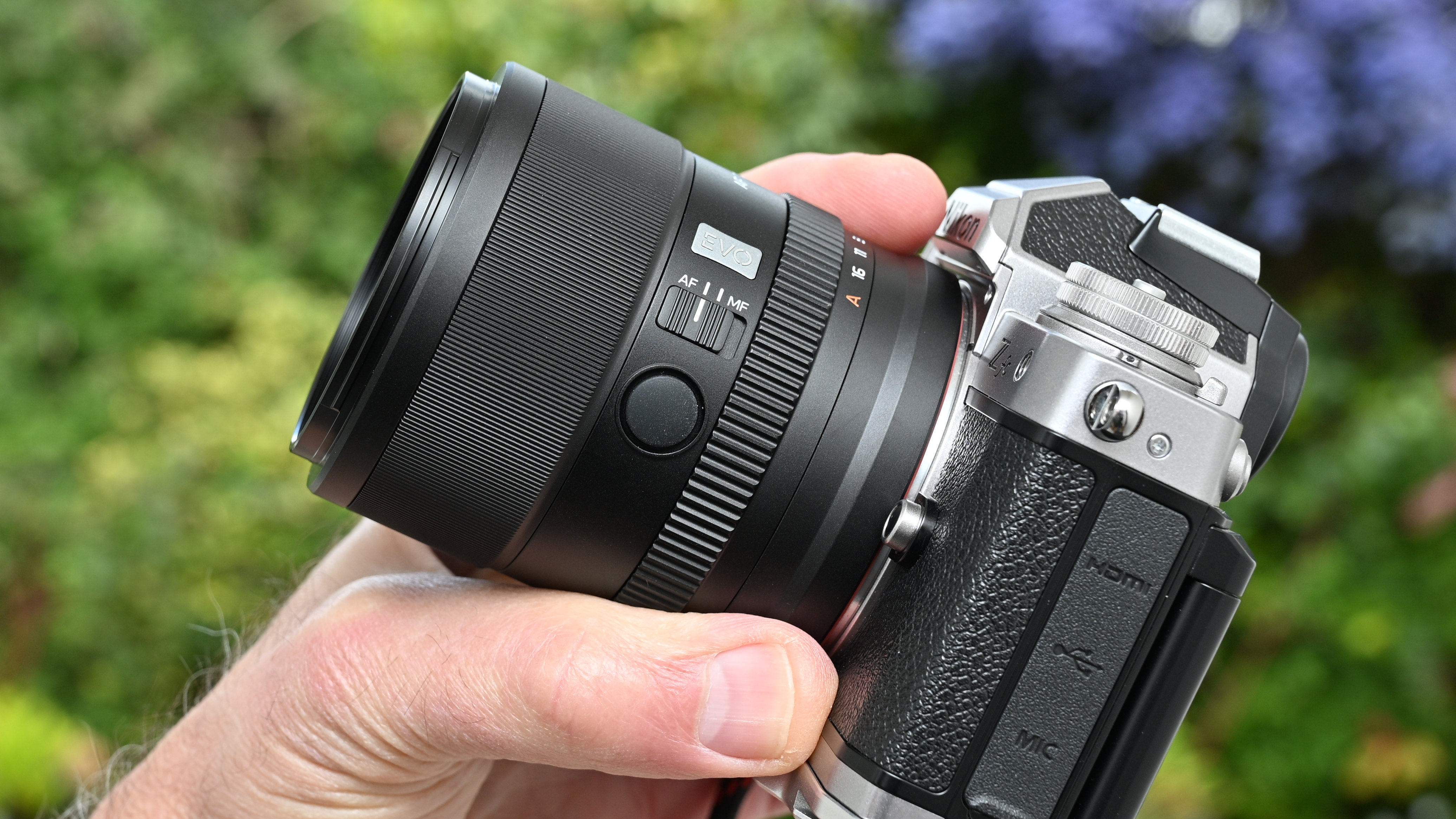
The lens is often the largest source of extra weight. A basic 35mm or 50mm prime lens may add 5 to 12 ounces. A professional 24–70mm zoom can add 1.5 to 2 pounds, while a 70–200mm telephoto lens may add 3 pounds or more.
A simple kit might look like this:
• Camera body: 1.2 pounds
• Standard zoom lens: 1.1 pounds
• Spare battery: 1.5 ounces
• Memory cards and small accessories: 2 ounces
The total is about 2.4 pounds. That is much heavier than the camera body listed on the product page.
The battery
A camera battery usually weighs between 1 and 4 ounces. One battery does not add much, but photographers often carry two or three spares for weddings, travel, or outdoor work.
Battery grips add more weight. They may hold extra batteries and provide better control for vertical photos, but some add 8 to 16 ounces.
The memory card
An SD or microSD card weighs almost nothing, often less than 0.1 ounce. Its weight does not matter much, but its capacity matters when planning a long trip.
Professional photographers may carry multiple cards in a protective case. The case adds more weight than the cards themselves.
The camera strap
A basic neck strap may weigh only a few ounces. A wide leather or padded strap can weigh more, but it may make a heavy camera feel easier to carry.
Comfort matters because a camera that feels balanced can seem lighter than a smaller camera that digs into your neck or shoulder.
The tripod
A compact travel tripod may weigh 1 to 3 pounds. A sturdy aluminum or carbon-fiber tripod can weigh 3 to 6 pounds or more.
For this reason, a complete photography kit may weigh twice as much as the camera and lens. Always include support gear when planning a hike, flight, or long day of shooting.
Camera Body Weight vs. Complete Kit Weight
Manufacturers usually list the body weight in product specifications. Some list the weight with the battery and memory card. Others list only the bare body.
That difference can make product comparisons confusing. When checking how much does a digital camera weigh, look for these details:
• Body only: The camera without a battery, memory card, or lens.
• Body with battery and card: A more realistic minimum weight.
• Camera with kit lens: The most useful number for many first-time buyers.
• Working kit weight: The body, lens, spare battery, strap, cards, and other gear you normally carry.
For example, a camera body may weigh 18 ounces. Its kit lens may add 9 ounces, and a spare battery may add 2 ounces. The ready-to-use camera then weighs about 29 ounces, or 1.8 pounds.
This distinction is one of the most important lessons in camera shopping. A lightweight body does not always create a lightweight system. Lens size, sensor format, and shooting style often matter more than the body alone.
Why Camera Weight Matters
Camera weight affects comfort, portability, stability, and even how often you use the camera. The best camera is not always the one with the most features. It is often the one you are willing to carry.
Travel photography
For travel, a camera between 1 and 2 pounds with a lens is often a comfortable balance. It can provide better control and image quality than a phone without becoming a burden.
Small mirrorless cameras and compact cameras work well for city walks. A bridge camera can also be useful if you want a wide zoom range without carrying several lenses.
Hiking and outdoor photography
Every ounce matters on a long trail. A lightweight mirrorless body, one versatile zoom, and a small battery pack may be more practical than a large professional kit.
A camera that weighs 2.5 pounds may not sound heavy at home. After several hours, however, it can feel like carrying a full water bottle on one shoulder.
Events and weddings
Event photographers often carry two camera bodies, several lenses, batteries, memory cards, and flashes. The total load can easily reach 10 to 20 pounds.
A harness, padded backpack, or belt system can spread the weight across your body. Good support reduces fatigue and helps you work with more control.
Studio photography
Studio photographers usually care less about camera weight because the equipment stays near a tripod. A heavier body may even feel useful because it can provide a solid grip and strong controls.
In a studio, lens quality, lighting, autofocus, resolution, and tethering features may matter more than portability.
Everyday photography
For everyday use, a camera under 2 pounds is usually easy to carry. If you need a camera that stays in a small bag, consider a compact model or a small mirrorless camera with a prime lens.
A heavy camera may produce excellent images, but it will not help if it stays at home. Portability is part of image quality because it affects how often you take pictures.

How to Choose the Right Camera Weight
There is no perfect camera weight for every photographer. Your choice should match your hands, travel plans, lens needs, and tolerance for carrying gear.
Use these steps before buying:
-
Decide where you will use the camera. Travel and hiking favor lighter kits. Studio and commercial work can support heavier equipment.
-
Estimate your full kit. Add the body, lens, battery, strap, cards, and any tripod or flash.
-
Hold the camera in person if possible. Check whether the grip feels secure and whether your fingers reach the controls.
-
Look at lens weight. A compact body with a large lens may feel front-heavy and uncomfortable.
-
Consider your shooting time. A camera that feels fine for 20 minutes may become tiring after four hours.