A PTZ camera is a motorized surveillance camera that can pan, tilt, and zoom to follow action.
I’ve spent years designing and testing video systems, and I can tell you exactly what is a PTZ camera, why it matters, and how to choose one that fits your needs. This guide breaks down the tech, real-world uses, key features, installation tips, and common pitfalls so you can make smart decisions quickly. Read on for expert insight you can act on today.

What is a PTZ camera?
A PTZ camera is a camera that can pan left and right, tilt up and down, and zoom in and out under motorized control. The name comes from those three abilities: pan, tilt, and zoom. PTZ cameras are common in security, broadcasting, event streaming, and any setting where one camera must cover wide areas and track moving subjects.
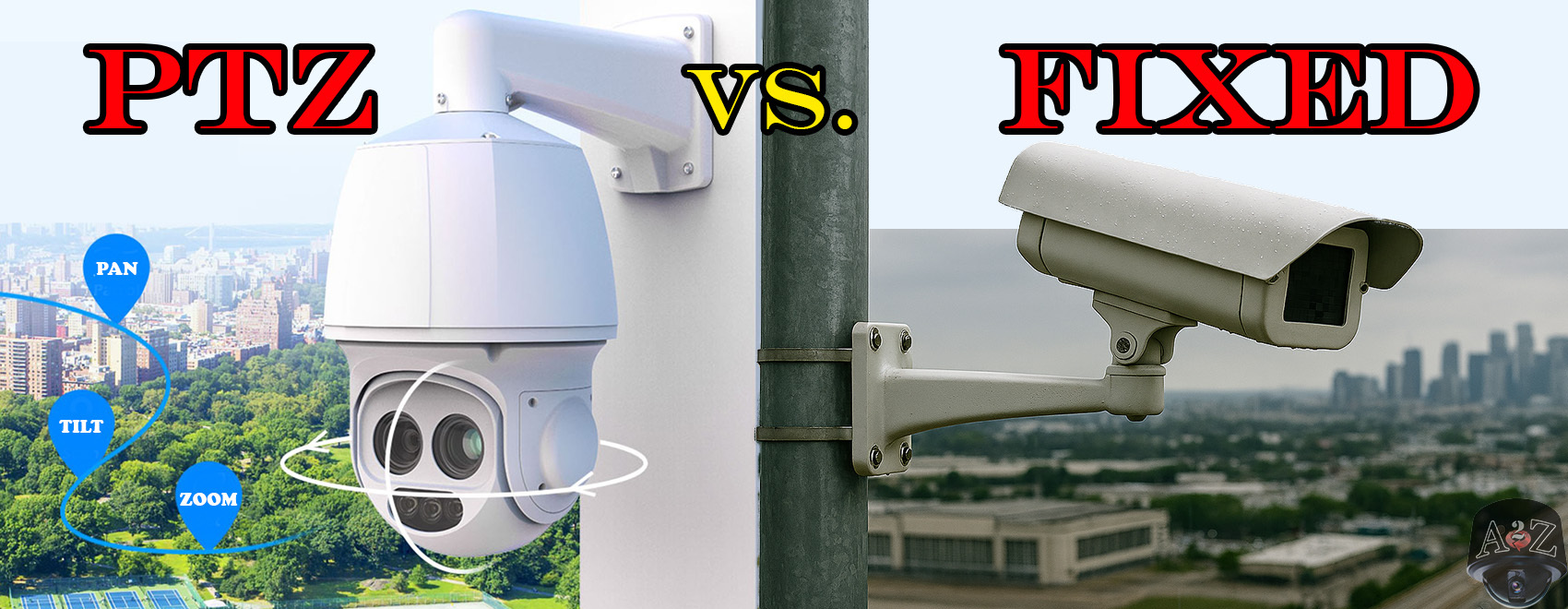
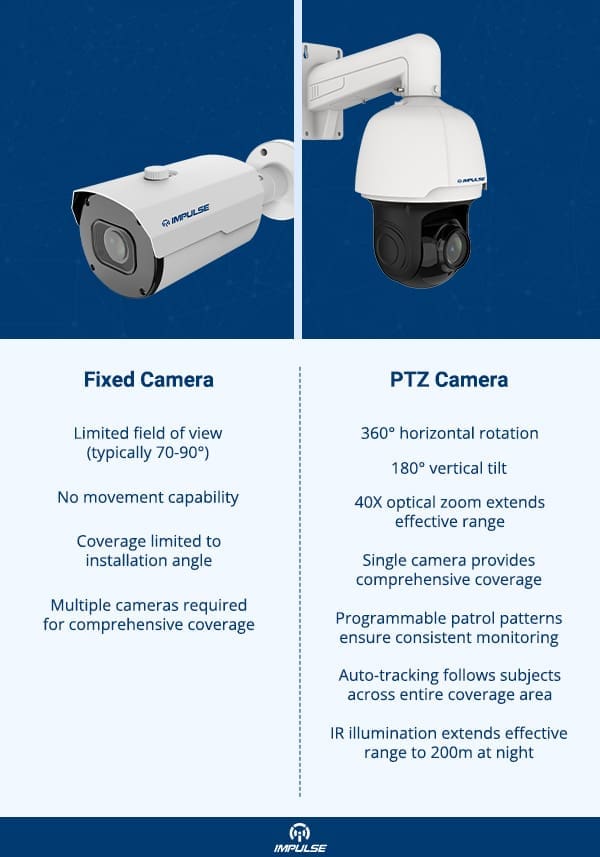
PTZ differs from fixed cameras because it can actively change view, not just record a single field. That makes PTZ useful where coverage and flexibility matter. When people ask what is a PTZ camera, they often want to know if it can replace multiple fixed cameras; the answer is yes in many cases, but with trade-offs.

How PTZ cameras work
PTZ cameras use motors and gears to move the camera head. A controller sends commands to pan, tilt, or adjust zoom. Many PTZs support preset positions you can switch between instantly.
Optical zoom uses the camera lens to change focal length and keep image quality. Digital zoom crops the image and reduces clarity. Good PTZ systems rely on optical zoom for surveillance and production.
Modern PTZ cameras often run on IP networks. They accept commands over network protocols and stream video over the same cable. Some older models use analog cabling and separate control lines. Knowing what is a PTZ camera helps you pick the right control and wiring options.
PAA-style question: How does a PTZ camera track moving objects?
Most PTZs use presets, scheduled sweeps, or built-in analytics to detect motion and trigger auto-tracking. Some use AI-based detection to follow faces or people.
PAA-style question: Is optical zoom better than digital zoom for PTZ cameras?
Yes. Optical zoom preserves image quality by changing the lens. Digital zoom magnifies pixels and reduces sharpness.
Types and key features of PTZ cameras
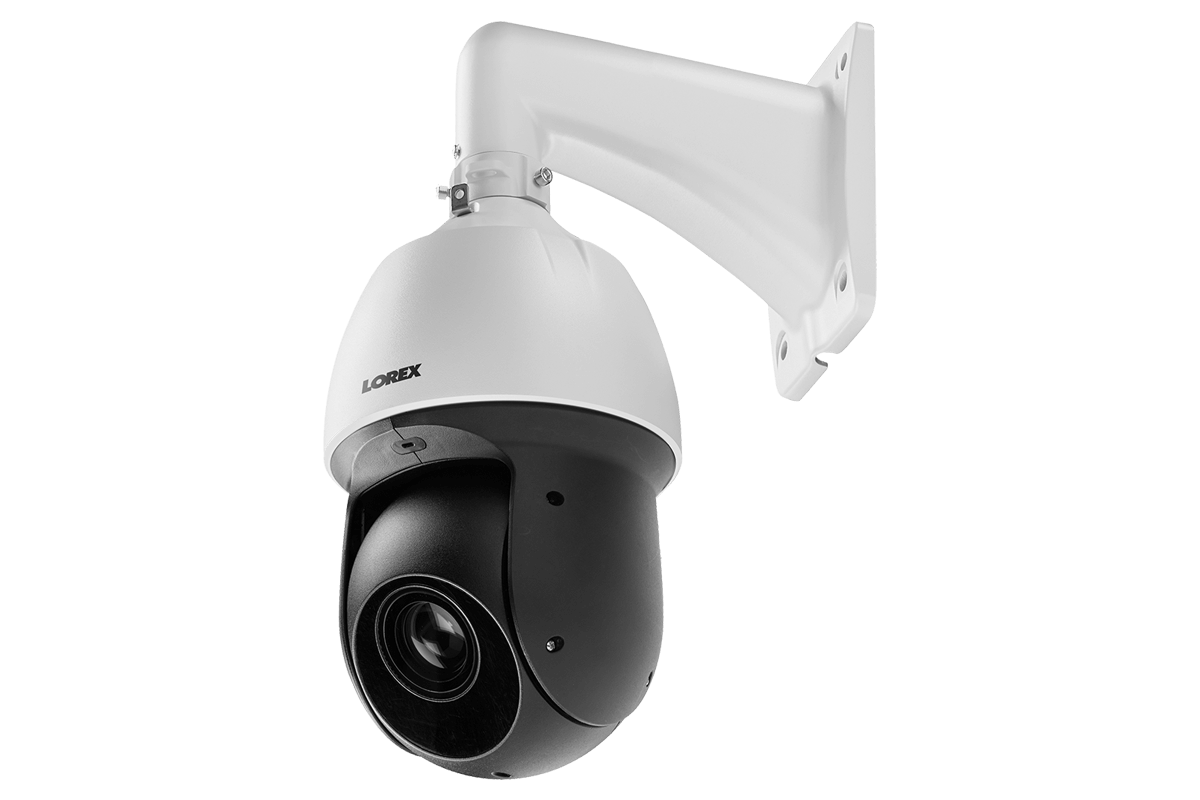
PTZ cameras come in many shapes and specs. Here are the main types and features to know when asking what is a PTZ camera for your project.
- Dome PTZ
- Enclosed in a dome housing. Good for outdoor use and discreet installs.
- Bullet-style PTZ
- Longer body, visible presence, often used where deterrence is desired.
- Thermal PTZ
- Uses heat signatures to detect targets, useful at night or through smoke.
- IP PTZ
- Streams video over Ethernet and accepts control via network commands.
- Analog PTZ
- Uses legacy cabling; can still be cost-effective for upgrades.
Important features to compare:
- Optical zoom range (e.g., 20x, 30x)
- Pan/tilt speed (degrees per second)
- Presets and patrol patterns
- Auto-tracking and analytics
* Low-light performance and IR range - Weather and vandal ratings (IP66, IK10)
- Power options (PoE, 24V AC)
When evaluating what is a PTZ camera, check the zoom power and how stable the image remains while moving. Those define real-world usefulness.

Common uses and applications
Knowing what is a PTz camera helps place it in the right role. Typical applications include:
- Security surveillance
- Parking lots, stadiums, perimeter monitoring. One PTZ can cover large zones and zoom to identify details.
- Live events and production
- Churches, concerts, and sports use PTZs for remote camera operators and smooth shots.
- Traffic and municipal monitoring
- Cameras monitor flow, incidents, and respond to events with zoom and tracking.
- Wildlife and remote observation
- PTZs allow long-range observation while staying out of the habitat.
- Broadcasting and streaming
- Automated multi-camera setups rely on PTZs for dynamic shots without operators.
In practice, replacing multiple fixed cameras with a single PTZ can cut costs but may increase risk if the PTZ is busy tracking one subject while another area is unattended. That trade-off is central when deciding what is a PTZ camera for your site.
Benefits and limitations
Understanding both sides helps you decide if a PTZ fits your needs.
Benefits
- Wide coverage with a single device
- Ability to zoom for identification
- Remote control and automated presets
- Flexible for changing environments
Limitations
- When focused on one area, other areas may be unmonitored
- More moving parts means higher maintenance needs
- Higher power and bandwidth use than similar fixed cameras
- Costlier upfront for high-end models
If you’re wondering what is a PTZ camera good for, weigh these benefits against the limitations for your use case. For many sites, a hybrid system (PTZ plus fixed cameras) offers the best balance.

Choosing and installing a PTZ camera
Follow a clear checklist when selecting and installing a PTZ camera. This helps avoid common mistakes I’ve seen in field deployments.
Checklist before buying
- Clarify your goal: coverage, identification, tracking, or streaming?
- Decide on optical zoom needed (higher zoom for long distances)
- Pick IP or analog based on your network and budget
- Confirm mounting options and power delivery (PoE simplifies installs)
- Check environmental ratings for outdoor use
- Verify compatibility with NVRs, VMS, and ONVIF standards
Installation tips
- Mount at a height that minimizes blind spots yet keeps subjects in frame.
- Use PoE switches to reduce cabling and simplify power.
- Configure presets and patrols to cover priority zones automatically.
- Test bandwidth impact on your network, especially with multiple PTZs.
- Schedule maintenance for mechanical parts and lens cleaning.
When you test what is a PTZ camera in your environment, record sample footage and try presets before finalizing placement. Small adjustments save time later.

Personal experience and practical tips
I’ve installed PTZ systems in retail, campus, and event settings. Here are honest lessons I learned.
- Always combine PTZs with at least one fixed camera for overlap. You won’t regret the redundancy.
- Don’t over-rely on auto-tracking in crowded scenes—it can bounce between targets. Tune sensitivity first.
- Invest in a good mount. Poor mounting causes vibration and ruined zoom shots.
- Label presets clearly and train staff on simple controls. Human error causes the most downtime.
- Run firmware updates and keep network security tight. PTZs are attractive targets if left exposed.
These hands-on tips reflect years of troubleshooting. They help answer practical parts of what is a PTZ camera that specs alone don’t cover.
Frequently Asked Questions of what is a ptz camera
What is the main advantage of a PTZ camera?
A PTZ camera gives wide area coverage and can zoom to identify details, reducing the number of cameras needed. It adds flexibility with presets and remote control.
Can PTZ cameras be used for live streaming?
Yes. Many PTZ cameras support RTSP, RTMP, or other streaming protocols, making them suitable for live broadcasts and online events.
How much maintenance do PTZ cameras need?
PTZ cameras need more maintenance than fixed cameras due to moving parts; expect periodic checks on motors, gears, and lens cleaning. Frequency depends on environment and usage.
Do PTZ cameras require special wiring?
PTZ cameras can use PoE for power and network. Analog PTZs may need separate control cabling. Check the specific model requirements before installation.
Are PTZ cameras good for night use?
Many PTZ cameras have IR or low-light sensors for night use, but performance varies. Optical quality and sensor size matter most for clear night images.
Conclusion
A PTZ camera is a versatile tool that blends motion, zoom, and remote control to cover changing scenes efficiently. It works best when paired with fixed cameras and thoughtful setup. Start by defining your goals, choose the right zoom and control features, and plan mounts and network needs carefully. Try presets and test real scenarios before finalizing the system.
Take action: evaluate one area you want to cover with fewer cameras and test a PTZ for a month. If you found this helpful, share your experience or ask a question below — I’ll respond with practical tips.

Everett Ashford is a tech reviewer at mytechgrid.com specializing in SSDs, cameras, TVs, earbuds, headphones, and other consumer electronics. He provides honest, data-driven reviews based on hands-on testing and real-world performance analysis. Everett simplifies complex tech details to help readers make smart, confident buying decisions.