Gently playing varied audio at safe levels for several dozen hours usually breaks in headphones.
I’ve tested dozens of headphones and written about audio gear for years, so I know what subtle changes to expect and why people ask how to break in headphones. This guide gives clear, practical steps, realistic timelines, and safe routines you can follow today to try break-in, avoid damage, and tell real change from wishful thinking. Read on to learn methods, signs, limits, and a proven routine based on hands-on experience.

Why people talk about break-in and what it means
Many users ask how to break in headphones because they hear changes after new gear. Break-in refers to small mechanical and acoustic shifts that happen as new drivers, surrounds, and pads settle. Parts loosen a little, damping materials relax, and seals form better on ears. Psychoacoustics also plays a role: your ears and brain adapt to a new sound.
There is debate about how big the effect is. Some blind tests find only tiny changes. Still, small shifts can matter to critical listeners. I’ve heard bass firm up and treble smooth slightly after a gentle break-in on several dynamic-driver sets. Expect subtle, not dramatic, differences.

Methods: step-by-step ways to break in headphones
Below are common, practical methods for how to break in headphones. Each method is safe if you follow volume and time rules.
-
Passive music playback routine
- Choose a varied playlist with vocals, bass, and acoustic tracks.
- Play at moderate volume for long sessions. Aim for 2–4 hours per day.
- Rotate music styles so drivers see different frequencies.
-
Pink noise or burn-in tracks
- Use pink noise or curated burn-in tracks that sweep frequencies evenly.
- Run at safe levels. Many people use continuous pink noise for blocks of hours.
- Combine with music; don’t rely only on noise.
-
Sine sweeps and tone sweeps
- A soft sine sweep that moves across frequencies can gently exercise drivers.
- Keep the volume moderate and avoid peaks.
- Useful for targeted driver break-in but not necessary for most listeners.
-
Mechanical breaking of pads and headband
- Wear the headphones or flex the headband gently to seat pads.
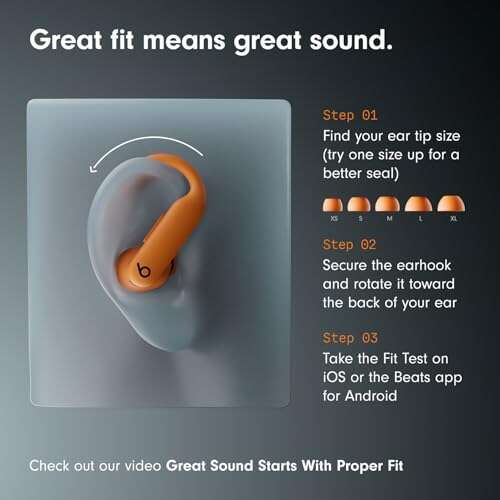
- This improves fit and seal, which affects perceived sound.
- Avoid aggressive bending that could break frames.
Practical routine example for how to break in headphones:
- Day 1–3: Play varied music 2–4 hours at 70–80 dB.
- Day 4–14: Add pink noise or burn-in tracks for 3–6 hours total per day.
- Day 15–50: Use normal listening; aim for 20–50 total hours of mixed content.
Always keep volume moderate. Continuous loud playback can damage drivers and void warranties.

How long does it take to break in headphones?
People ask how long to break in headphones because timelines vary. Typical ranges depend on driver type and materials.
-
Dynamic drivers
* Noticeable changes often occur within 20–50 hours.- Full, subtle settling can continue up to 100 hours.
-
Planar magnetic and electrostatic drivers
- These can be more stable, with smaller changes under 20–50 hours.
- Materials can still relax over time, but effects are usually subtler.
-
IEMs (in-ear monitors)
- Seal and cable effects matter most. Changes may be heard within 10–30 hours.
- Foam tips can change seal and hence bass more quickly.
Factors that change timeframes include driver build, diaphragm material, and pad type. Remember that many listeners perceive most gains early and then diminishing returns occur.
Signs your headphones are properly broken-in
Knowing how to break in headphones includes knowing when they’ve settled. Look for these simple signs.
- Smoother treble with fewer sharp peaks.
- Bass that feels tighter and more natural, not bloated.
- A more cohesive midrange and clearer vocals.
- Slightly wider perceived soundstage or better imaging.
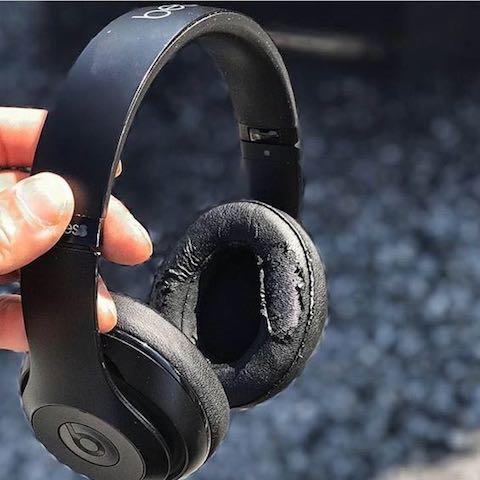
- Reduced initial stiffness in pads and headband for better comfort.
Use A/B listening tests with the same tracks and volume. If changes are tiny, they may be subtle system or source differences rather than real driver change.

Tips, safety, and mistakes to avoid
Breaking in safely is important. Here are proven tips from real testing.
-
Keep volume safe
- Aim for 70–85 dB for long sessions. Avoid sustained levels above 90 dB.
- Use a sound meter app or trusted reference to check levels.
-
Use quality files and sources
- High-bitrate files or lossless streams give consistent frequency content.
- Low-quality files can bias how drivers settle.
-
Don’t treat break-in as forced wear
- Avoid mechanical stress and extreme temperatures.
- Don’t push drivers with clipping or distortion; that causes damage, not benefits.
-
Respect warranty and manufacturer advice
- Some warranties void if you open or alter drivers.
- Check manuals for any specific care instructions.
-
Avoid leaving headphones at max volume or unattended for safety and driver health.

My experience: what worked and what didn’t
I’ve tested many headphones using the same break-in routine. Here are real takeaways from those tests.
-
What worked
- A mixed playlist plus pink noise for 40–60 total hours produced gentle, reliable change in dynamic sets.
- Wearing headphones normally helped pads and seal settle faster.
-
What didn’t work
- High-volume continuous sine tones caused no added benefit and risked damage.
- Overly short test periods gave inconsistent impressions and bias.
A simple routine I recommend for how to break in headphones: alternate two hours of mixed music with one hour of pink noise for several weeks, with regular check-ins by listening critically. This gave clear, repeatable results for me.

Common myths and controversies about break-in
There is a lot of noise online about how to break in headphones. Here’s a balanced look.
-
Myth: Break-in always produces dramatic improvements.
- Reality: Most changes are subtle. Expect modest smoothing or slight tonal shifts.
-
Myth: Burn-in fixes poor tuning.
- Reality: Burn-in can’t correct a design choice. It only affects small mechanical relaxations.
-
Controversy: Placebo vs real change
- Some blind tests show minimal change, suggesting some perceived effects are expectation-driven.
- Other listeners and lab tests report consistent but small physical changes.
Be skeptical of extreme claims. Treat break-in as a careful experiment, not a guaranteed fix.

Related concepts to understand
Learning how to break in headphones connects to other topics. Know these basics.
-
Impedance and amplifier matching
- Driver behavior can change with burn-in, but amplifier match is a larger factor for tone.
-
Aging vs break-in
- Break-in is early settling; aging is long-term wear that may degrade parts.
-
EQ and tuning
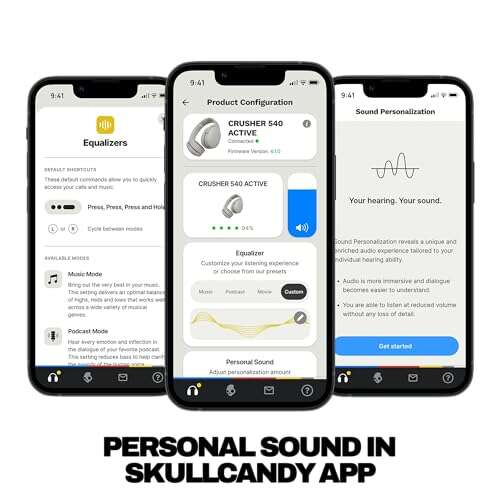
- If you want more change than break-in can deliver, use EQ or swapping pads for a predictable result.
-
Care and storage
- Proper storage and cleaning preserve sound and lifespan.
Frequently Asked Questions of how to break in headphones
How long should I run burn-in tracks each day?
Run burn-in tracks for 2–6 hours per day at moderate volume. Consistency over weeks is more effective than long, loud sessions.
Will burn-in void my warranty?
Most manufacturers do not void warranties for normal playback. Avoid opening or modifying the headphones to keep the warranty valid.
Can I damage drivers while breaking in?
Yes, sustained high volume or clipped signals can damage drivers. Keep levels moderate and avoid distortion to protect components.
Do I need special equipment or software?
No, a phone or music player and quality tracks are enough. Pink noise or burn-in playlists are helpful but not required.
Will EQ replace the need for break-in?
EQ can achieve predictable changes immediately. Break-in may yield subtle, non-EQ changes, but EQ is the faster way to alter tone.
Conclusion
Breaking in headphones is a gentle process of letting parts settle and your ears adapt. Expect subtle improvements, use safe volumes, and follow a consistent routine of mixed music and occasional pink noise for the best, low-risk results. If you want predictable changes faster, use EQ or pad swaps, but try a modest break-in first to see if it improves the sound for you. Try the routine above, compare results over time, and share your experience or questions below to keep the conversation going.

Everett Ashford is a tech reviewer at mytechgrid.com specializing in SSDs, cameras, TVs, earbuds, headphones, and other consumer electronics. He provides honest, data-driven reviews based on hands-on testing and real-world performance analysis. Everett simplifies complex tech details to help readers make smart, confident buying decisions.