Choose ear tips by testing seal, comfort, stability, and sound—not by size alone.
Learning how to know which ear tips to use can make your earbuds feel better, sound clearer, and stay in place longer. After testing silicone, foam, and different-shaped tips, I have found that the best choice is usually the one that creates a gentle seal without pressure. This guide explains the signs to watch for, the common mistakes to avoid, and the simple tests that help you choose with confidence.

Why the right ear tips matter
Ear tips are more than small accessories. They form the link between your earbuds and your ear canal. A good tip can improve comfort, bass, noise isolation, and fit. A poor tip can cause pain, weak sound, slipping, or the need to keep adjusting your earbuds.
The main goal is a secure seal. Think of it like closing a jar lid. If the lid is loose, air escapes. In the same way, if an ear tip does not seal your ear canal, outside noise enters and low frequencies can disappear.
Knowing how to know which ear tips to use starts with four factors:
• Ear canal size
• Ear canal shape
• Listening habits
• Material and tip design
Your left and right ears may also need different sizes. That is normal. Human ears are not always identical, so using a medium tip in one ear and a small tip in the other may give you a better fit.

How to know which ear tips to use
The best method is to test each size and judge the seal, comfort, and stability together. Do not choose a tip only because it feels tight at first. A tight tip may create pressure after 30 minutes.
Follow these steps:
- Start with the tips that came installed on your earbuds.
- Try one size smaller and one size larger.
- Insert the earbuds with a gentle twist.
- Walk, talk, and move your jaw.
- Listen to music with vocals, bass, and quiet details.
- Compare comfort after at least 10 to 15 minutes.
- Choose the smallest tip that still creates a stable seal.
A correct fit should feel secure but not forced. The earbud should not slowly slide out when you speak or walk. You should also hear a balanced sound without needing to raise the volume.
When learning how to know which ear tips to use, test one ear at a time. Cover the unused ear and listen for changes in bass and outside noise. This makes small differences easier to notice.
Signs your ear tips are too small
Small tips often fail to seal the ear canal. You may notice:
• Thin or weak bass
• Sound that changes when you move
• More outside noise than expected
• Earbuds that fall out
• A loose or hollow sound
• The need to increase the volume
If your earbuds sound good only when you press them deeper into your ears, the tips may be too small.
Signs your ear tips are too large
large tips can create pressure and soreness. Common signs include:
• Pain inside the ear canal
• A blocked or stuffed feeling
• Ear fatigue after a short time
• Difficulty inserting the earbuds
• Pressure when chewing or speaking
• The earbud slowly pushing itself out
Large tips may also prevent the earbud from sitting at the correct angle. Bigger does not always mean more secure.

Test the seal with sound and movement
Sound is one of the fastest ways to check ear tip fit. Play a familiar song with clear vocals and steady bass. A good seal should make the bass sound full and controlled.
You can also use a voice or noise-isolation test. Speak normally, turn your head, smile, and open your mouth. If the sound changes sharply or the earbud loosens, the fit may not be stable.
Try these practical tests:
• Walk around for five minutes.
• Shake your head gently.
• Open and close your mouth.
• Read aloud or have a short conversation.
• Wear the earbuds while sitting and standing.
• Listen at a low volume and check for outside noise.
When deciding how to know which ear tips to use, movement matters as much as stillness. A tip that works at your desk may fail during a workout.
Do not use very loud music to test isolation. Loud sound can hide fit problems and may increase the risk of hearing damage. A good seal should work at a comfortable listening level.

Choose between silicone, foam, and hybrid ear tips
Ear tip material changes the way earbuds feel and perform. There is no single material that works best for everyone.
Silicone ear tips
Silicone tips are the most common choice. They are easy to clean, durable, and available in many sizes and shapes.
Silicone may suit you if you want:
• A smooth and light fit
• Easy cleaning
• A cooler feel during long use
• A quick insertion and removal
• A clear and lively sound
Silicone tips may not seal well for people with unusual ear canal shapes. They can also slip during exercise if the surface becomes wet.
Foam ear tips
Foam tips compress when you insert them and then expand inside the ear canal. They can offer strong isolation and a stable fit.
Foam may suit you if you want:
• More passive noise reduction
• Better stability during movement
• A softer pressure point
• Help with irregular ear canal shapes
• A warmer, fuller sound
Foam tips need more care. They can collect earwax and moisture, and they usually wear out sooner than silicone tips. Do not wash most foam tips unless the manufacturer says it is safe.
Hybrid ear tips
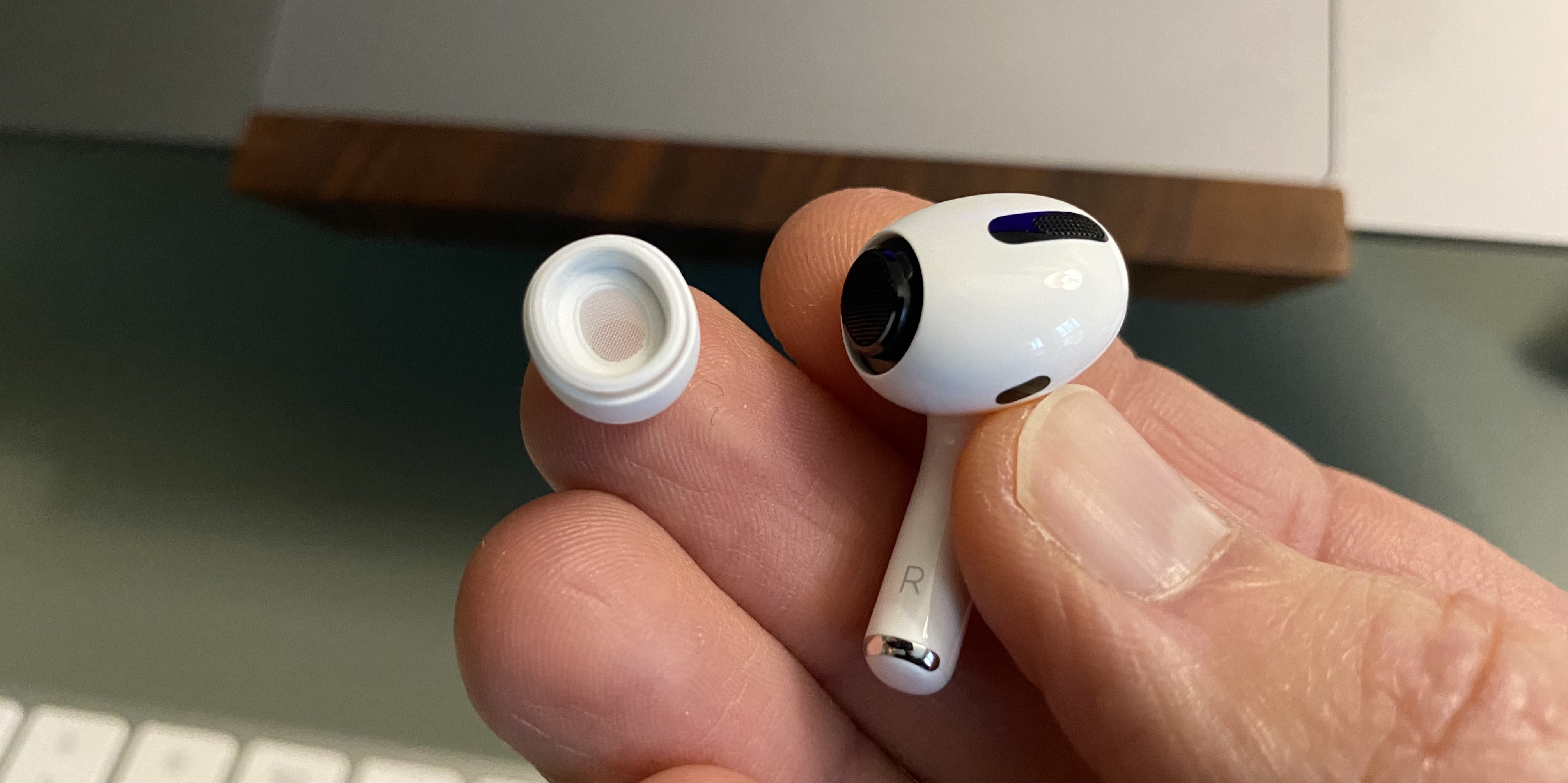
Hybrid tips combine a foam core with a silicone outer layer. They aim to provide the seal of foam and the surface feel of silicone.
They may be useful when regular silicone tips slip but full foam tips feel uncomfortable. However, hybrid designs vary widely, so the shape and size still matter.
When considering how to know which ear tips to use, material should come after fit. A perfectly sized silicone tip may work better than a poorly sized foam tip.
Match ear tips to your ear shape
Ear canal shape affects fit as much as ear canal size. Some canals are straight, while others curve quickly. Some are wide at the opening but narrow deeper inside.
A round tip may work well for a round canal. An oval tip may seal better for an oval canal. Double-flange and triple-flange tips can reach deeper, but they may feel intrusive and are not ideal for everyone.
Consider these design features:
• Short tips suit shallow ear canals.
• Long tips may help earbuds that sit loosely.
• Wide tips can improve the seal near the ear opening.
• Narrow tips may reduce pressure.
• Double-flange tips can increase isolation.
• Winged tips can improve stability during exercise.
Do not push ear tips deep into your ears to force a seal. The tip should sit comfortably and should not cause sharp pain. Stop using a tip if you notice pain, skin irritation, drainage, or a lasting blocked feeling.
If one ear always feels different, try mixed sizes. This is one of the most useful answers to how to know which ear tips to use because many people assume both ears need the same size.

Understand how ear tips change sound
Ear tips can change the sound of your earbuds. This happens because the seal affects how sound pressure reaches your eardrum.
A strong seal usually improves bass and lowers outside noise. A weak seal often makes music sound thin. A deeper or narrower tip may also change the treble and vocal detail.
Here is a simple guide:
• Weak bass often means the seal is too loose.
• Boomy bass may mean the seal is too strong or the tip sits too deep.
• Harsh treble may come from a poor fit or a tip that changes the sound path.
• Dull sound may result from foam material or a blocked mesh.
• Uneven sound between ears may point to different seals or earwax.
Use familiar tracks when testing. Songs with bass, acoustic instruments, and spoken vocals help reveal different problems.
The correct tip should not make you feel that one part of the music has vanished. Still, ear tip changes cannot fix every sound issue. Earbud tuning, equalizer settings, fit, and ear anatomy all play a role.
Common mistakes when choosing ear tips
Many fit problems come from a rushed test. People often select the largest tip because it seems more secure, or they keep the factory-installed size without comparing it.
Avoid these mistakes:
• Choosing both tips by size instead of testing each ear
• Judging comfort after only one minute
• Pushing tips too far into the ear canal
• Testing only while sitting still
• Assuming foam always blocks more noise
• Ignoring pain or skin irritation
• Cleaning tips with harsh chemicals
• Using damaged, cracked, or loose tips
• Turning up the volume to overcome poor isolation
In my own earbud testing, the most common mistake was confusing pressure with security. A tip can feel locked in place while slowly causing soreness. The better choice was often one size smaller with a more careful insertion angle.
Another lesson was to clean the earbud nozzle before judging a new tip. Earwax or dust can block the sound opening and make a good tip appear faulty.
A simple ear tip fitting routine
Use this routine whenever you buy new earbuds or replacement tips.
Step 1: Inspect the ear tips
Check that each tip is clean, flexible, and fully attached. Do not use a tip with a tear or loose core.
Step 2: Start in the middle
Begin with the medium size if your earbuds include small, medium, and large options. This gives you a useful starting point.
Step 3: Insert correctly
Pull the top of your ear slightly up and back if needed. Insert the earbud gently, then twist it until it feels stable. Never force it.
Step 4: Compare nearby sizes
Test the size above and below your starting point. Use the same music and the same movement tests for each option.
Step 5: Check long-term comfort
Wear the preferred size for 20 to 30 minutes. A fit that feels fine for two minutes may become painful later.
Step 6: Recheck after movement
Walk, bend, talk, and turn your head. The best ear tips remain stable without constant adjustment.
This routine makes how to know which ear tips to use much less confusing. It turns a personal guess into a fair comparison.
Ear tip care and replacement
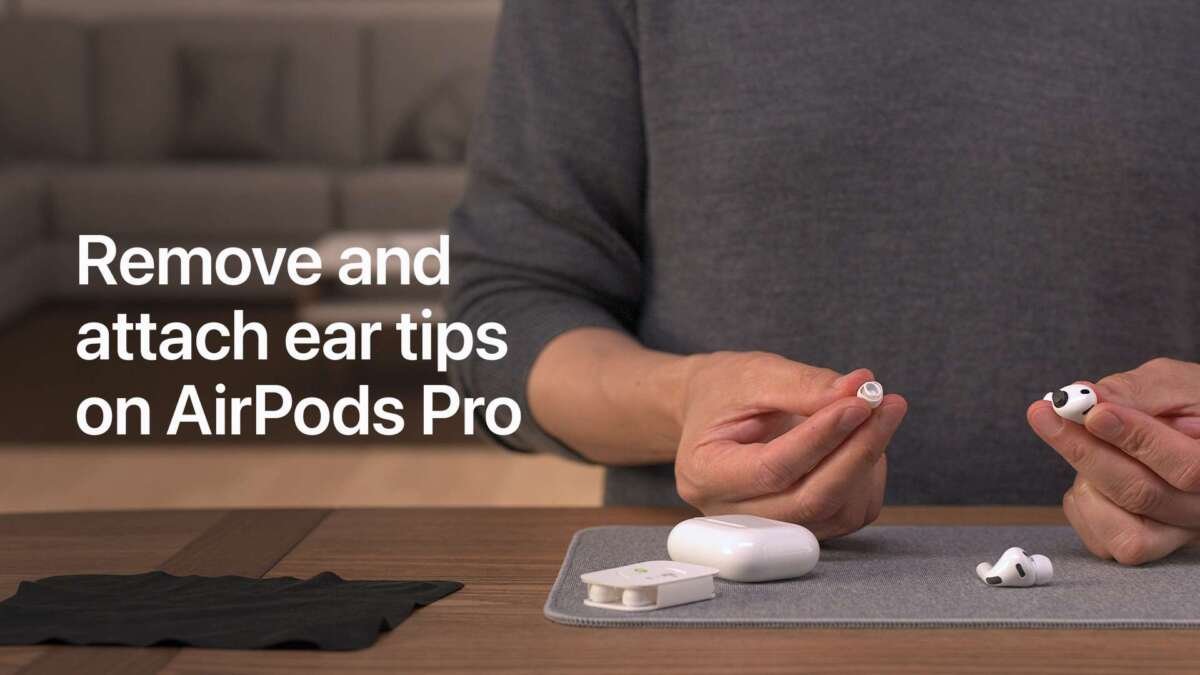
Clean ear tips help preserve sound and comfort. Remove silicone tips from the earbuds and wash them with mild soap and warm water. Rinse them well and let them dry fully before putting them back.
Foam tips usually need a gentler approach. Wipe them with a clean, slightly damp cloth if the manufacturer allows it. Avoid soaking foam because moisture can damage its structure.
Replace ear tips when they become:
• Torn or cracked
• Sticky or hardened
• Permanently compressed
• Discolored from buildup
• Loose on the earbud nozzle
• Difficult to clean
Clean the earbud sound opening with a dry, soft brush. Do not push debris into the mesh. Good hygiene matters because ear tips touch warm, moist skin for long periods.
Never share used ear tips without cleaning them properly. If you have repeated ear irritation, pain, or signs of infection, stop using the earbuds and speak with a health professional.
Ear tips for different listening needs
The best choice can depend on where and how you use your earbuds.
For daily office use
Soft silicone tips are often comfortable for long calls and music sessions. Choose a size that blocks enough office noise without creating pressure.
For commuting
Foam or well-sealing silicone tips can reduce low background noise. Even with good passive isolation, stay alert around traffic and announcements.
For exercise
Look for a stable fit, winged tips, or a secure earbud shape. Sweat can make silicone slippery, so clean the tips after workouts.
For sleeping
Small, shallow tips are usually less intrusive. Avoid deep or rigid designs if they create pressure when you lie on your side.
For sensitive ears
Try soft silicone or short foam tips. Use shorter listening sessions at first and stop if you feel pain, itching, or pressure.
How to know which ear tips to use depends on both your ears and your routine. The perfect work tip may not be the best gym tip.
Frequently asked questions about how to know which ear tips to use
How do I know if my ear tips are the right size?
The right size creates a stable seal without pain or strong pressure. You should hear full bass, experience less outside noise, and keep the earbuds in place while moving.
Should both earbuds use the same size ear tip?
Not always. Your ears can have different canal shapes or sizes, so one ear may need a small tip while the other needs a medium or large tip.
Are foam or silicone ear tips better?
Neither material is best for everyone. Foam often provides stronger isolation and stability, while silicone is easier to clean and may feel cooler during long use.
Why do my earbuds sound better when I push them in?
Pushing them in may temporarily create a stronger seal. If this improves the sound, try a larger or differently shaped tip, but do not insert the earbuds deeply or force them.
How long should I test a new ear tip?
Test each option for at least 10 to 15 minutes, then wear the best one for 20 to 30 minutes. This helps reveal pressure and soreness that may not appear right away.
Can the wrong ear tips damage my ears?
A poor fit can cause irritation, soreness, or excessive listening volume. Remove the earbuds if you feel pain, and seek medical advice for persistent discomfort or hearing changes.
Conclusion
The easiest way to know which ear tips to use is to test for a gentle seal, clear sound, stable movement, and lasting comfort. Compare sizes, try different materials, test each ear separately, and give every option enough time.
Do not assume the biggest tip is best or that both ears need the same size. Start with a careful fit test, clean your tips often, and replace them when they wear out. Try these steps with your earbuds today, then share your results or explore more fitting guides to improve your listening experience.

Everett Ashford is a tech reviewer at mytechgrid.com specializing in SSDs, cameras, TVs, earbuds, headphones, and other consumer electronics. He provides honest, data-driven reviews based on hands-on testing and real-world performance analysis. Everett simplifies complex tech details to help readers make smart, confident buying decisions.