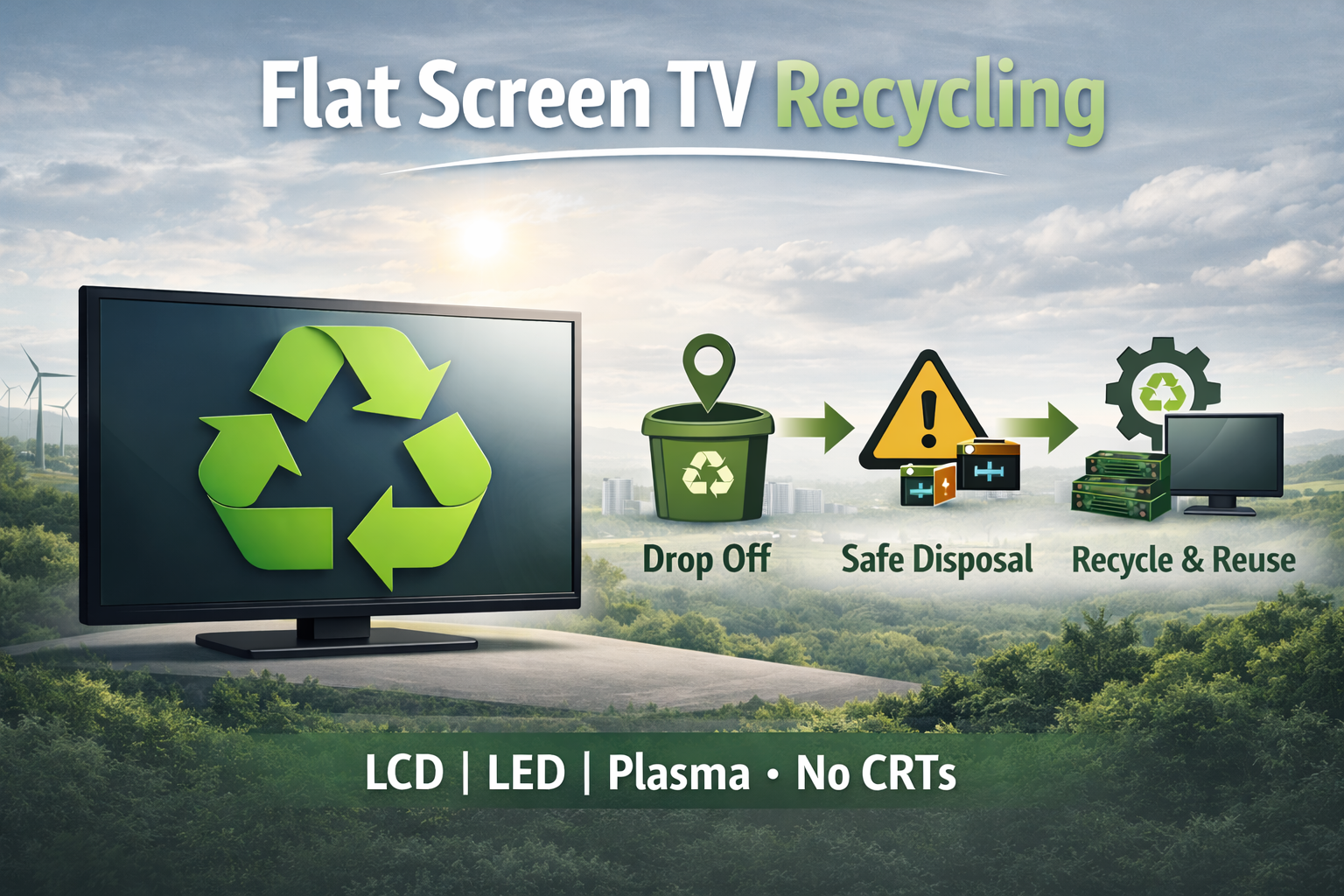
Recycle a plasma TV through an approved electronics program, retailer, manufacturer, or local household hazardous waste site.
Learning how to recycle plasma TV equipment matters because these large displays contain valuable materials and parts that should not enter regular trash. They may also contain lead, flame retardants, and other substances that require careful handling.
The good news is that recycling a plasma TV is usually simple. You need to prepare the set, find a certified recycling option, arrange safe transport, and confirm that the recycler accepts plasma displays. This guide explains each step, including what to avoid, how to find local services, and what happens to the television after drop-off.
Why You Should Recycle a Plasma TV
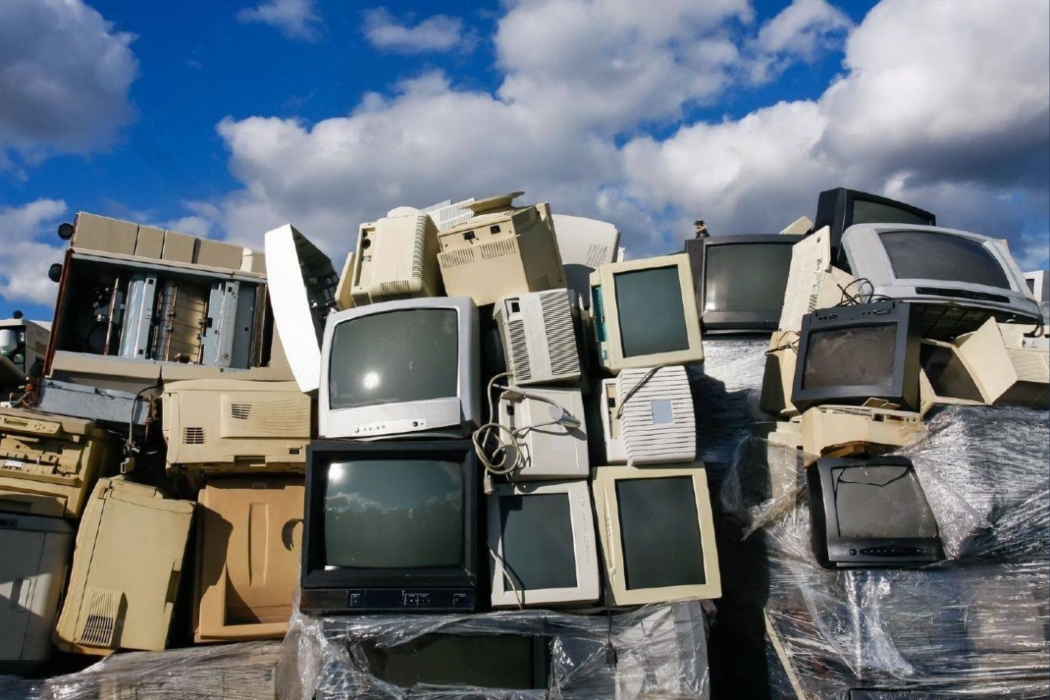
Plasma TVs are electronic waste, often called e-waste. They contain glass, metals, plastics, circuit boards, wires, and other materials that can be recovered. They also contain components that should be managed through a proper recycling system.
Putting a plasma TV in a trash bin creates several problems:
• It can damage collection trucks and sorting equipment.
• It may break during transport and expose workers to sharp glass.
• Some internal materials can pollute soil or water if handled poorly.
• Valuable metals and plastics may be lost instead of reused.
• Many cities prohibit large electronics in ordinary household trash.
A plasma TV is also heavy. A 50-inch model may weigh much more than a modern LED television. Safe recycling protects both the environment and the people who move the device.
In the United States, electronic waste rules vary by state and city. Some areas have permanent drop-off centers. Others use special collection days or retailer take-back programs. Check local rules before moving the television.
How to Recycle Plasma TV Equipment
The process is easier when you follow a clear plan. Do not assume that every electronics center accepts plasma TVs. Some facilities accept only small devices, while others refuse large screens because of transportation or processing limits.
Use these steps to recycle a plasma TV:
-
Confirm that the TV is no longer useful. If it works well, consider reuse before recycling.
-
Search for an approved electronics recycling center in your area.
-
Call ahead and ask whether the facility accepts plasma TVs.
-
Ask about fees, size limits, appointment rules, and proof of residency.
-
Prepare the television for safe transport.
-
Deliver it to the facility or schedule an approved pickup.
-
Request a receipt if you need proof of responsible disposal.
When calling a facility, use clear terms such as “plasma television,” “large flat-screen TV,” or “flat-panel display.” Some programs list plasma TVs under broad categories rather than using the word plasma.
If you use a recycling directory, confirm that the facility is certified or approved by your state or local authority. A certified recycler should follow rules for data security, worker safety, environmental protection, and downstream processing.
Check for Reuse Before Recycling
Recycling is a responsible choice, but reuse can extend the life of a working television. Plasma TVs are no longer made in large numbers, yet some people still want them for gaming, movie rooms, workshops, or vintage home theater setups.
Consider these options:
• Give the TV to a friend or family member.
• Donate it to a charity that accepts working electronics.
• Offer it through a local community group.
• Sell it honestly if the TV works and has no safety issue.
• Contact a repair shop if the problem is minor.
Be honest about the TV’s condition. Mention screen burn-in, dead pixels, missing remotes, power problems, or damaged ports. A buyer should know exactly what they are getting.
Do not donate a television that smells burned, has a cracked screen, sparks, or repeatedly shuts off. Recycling is safer in these cases.
One practical lesson is to test every input before listing an older TV. Connect a device through HDMI, check the speakers, inspect the remote, and look for screen burn-in. A clear description prevents wasted trips and unhappy buyers.
Prepare the Plasma TV for Recycling
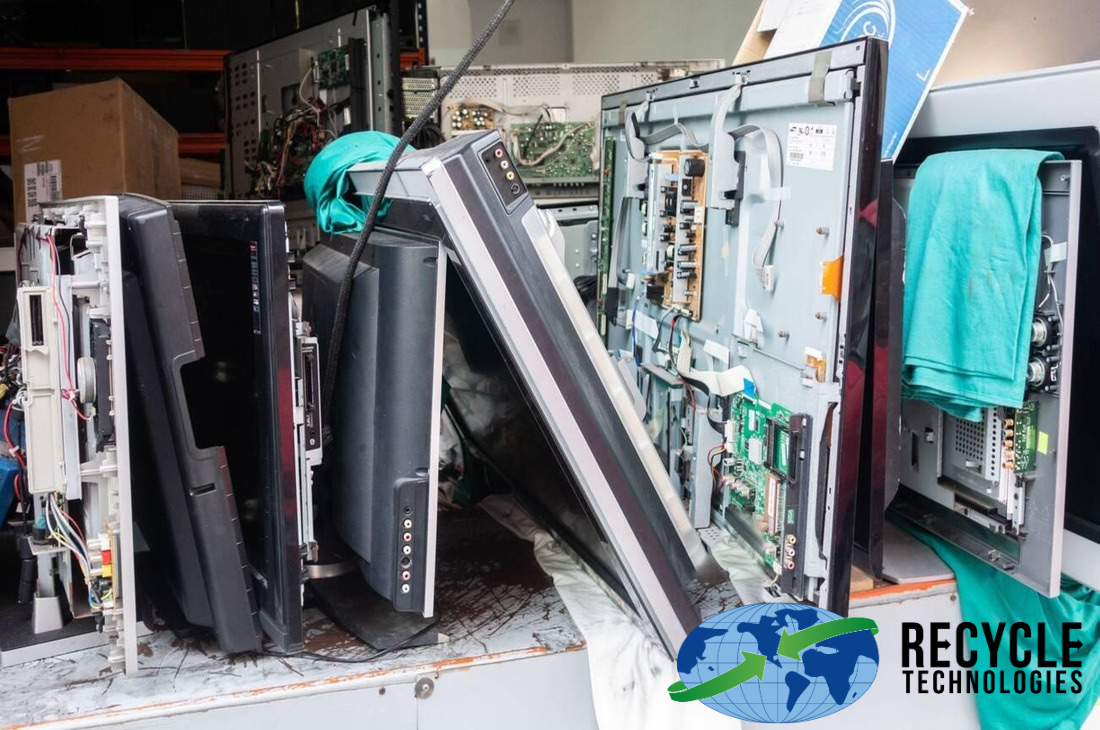
Good preparation reduces the chance of injury and damage. You do not need to remove the back panel or take the TV apart.
Follow this preparation checklist:
• Turn off the TV and unplug it from the wall.
• Let it cool for at least 30 minutes.
• Remove the stand if it comes off easily.
• Keep the power cord and remote with the TV if the recycler accepts them.
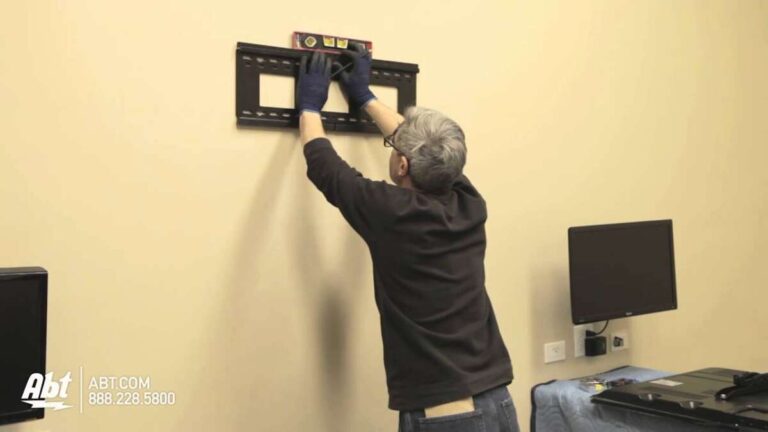
• Remove wall mounts, brackets, and personal accessories.
• Wipe off dust and dirt with a dry or slightly damp cloth.
• Do not use liquid near vents, ports, or electrical parts.
• Do not cut the power cord unless the recycling facility asks you to do so.
If you still have the original box, use it only if the box can support the TV safely. Otherwise, wrap the screen in a thick blanket or moving pad. Keep pressure away from the front panel.
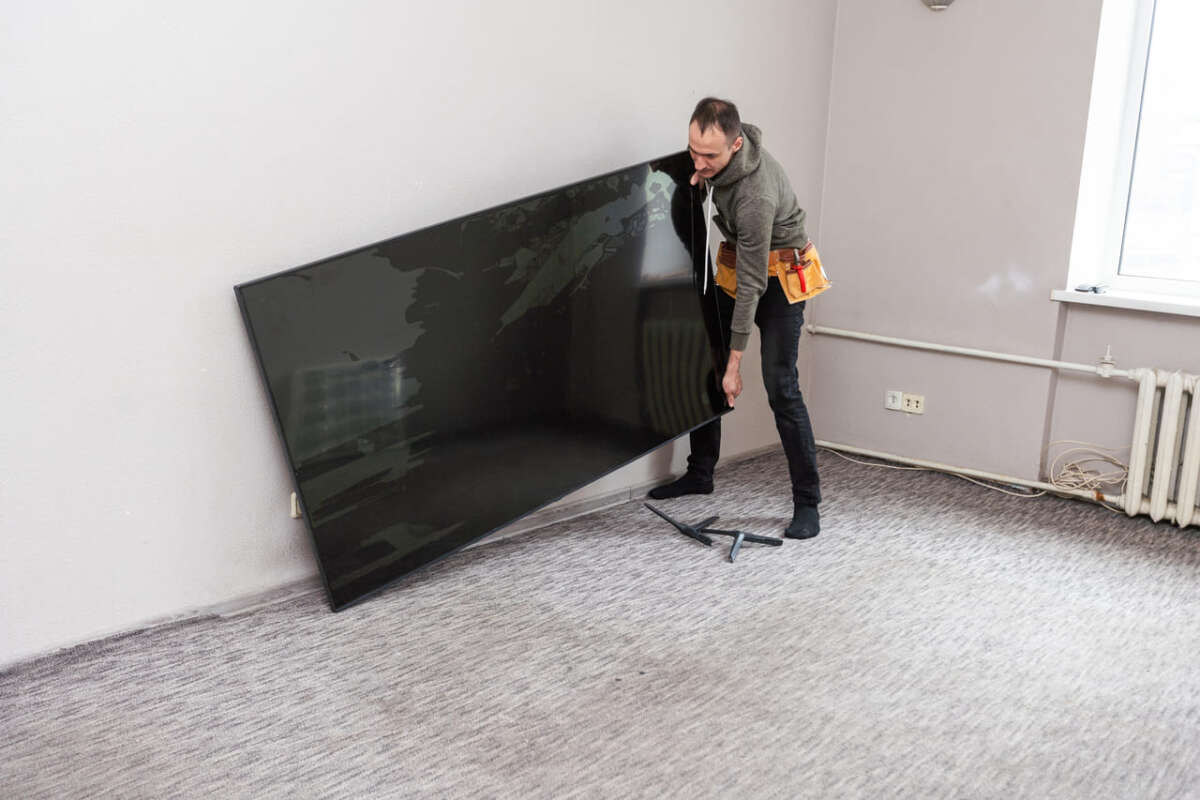
Never place heavy items on top of the television. Do not carry a large plasma TV alone. Use two adults, lift from the bottom, and keep the screen upright.
Find a Plasma TV Recycling Center
Local options differ, so start with official sources. Search your city, county, or state waste department for “electronics recycling” or “TV recycling.” You can also check manufacturer take-back programs and retailer recycling services.
Common options include:
• Municipal electronics drop-off centers
• County household hazardous waste programs
• Retailer take-back events
• Manufacturer recycling programs
• Certified electronics recyclers
• Community e-waste collection days
Ask these questions before you go:
• Do you accept plasma TVs?
• Is there a recycling fee?
• Do I need an appointment?
• Is there a weight or size limit?
• Do you offer curbside pickup?
• Do you accept broken screens?
• Do you provide a recycling receipt?
Some retailers accept old televisions only when you buy a replacement. Others accept certain brands or sizes. Pickup services may charge extra, but they can be worthwhile when the TV is too heavy to move safely.
Avoid services that make vague promises, refuse to explain where devices go, or ask you to leave electronics beside an unmarked truck. Responsible recyclers should provide clear business information and explain their accepted materials.
Transport a Plasma TV Safely
Transport is one of the most important parts of learning how to recycle plasma TV equipment. The screen can crack if it is laid flat, bent, or hit by another object.
Use this method:
-
Ask another adult to help lift the TV.
-
Remove the stand if possible.
-
Wrap the TV in a moving blanket.
-
Keep the screen upright.
-
Place it against a padded surface in the vehicle.
-
Secure it with straps so it cannot slide.
-
Keep boxes and other cargo away from the screen.
A van, SUV, or pickup truck is usually easier than a small car. Do not force a large TV into a space where the panel bends. Never tie a television to the roof without proper equipment and protection.
If you use a pickup truck, cover the TV with a waterproof but breathable cover. Secure it tightly, but do not place straps directly across the screen. Check the load before driving and again after a short distance.
For curbside pickup, follow the provider’s instructions. Some programs want the television inside a garage or near the curb. Others require an appointment because workers need special equipment.
Should You Break Down or Dismantle a Plasma TV?
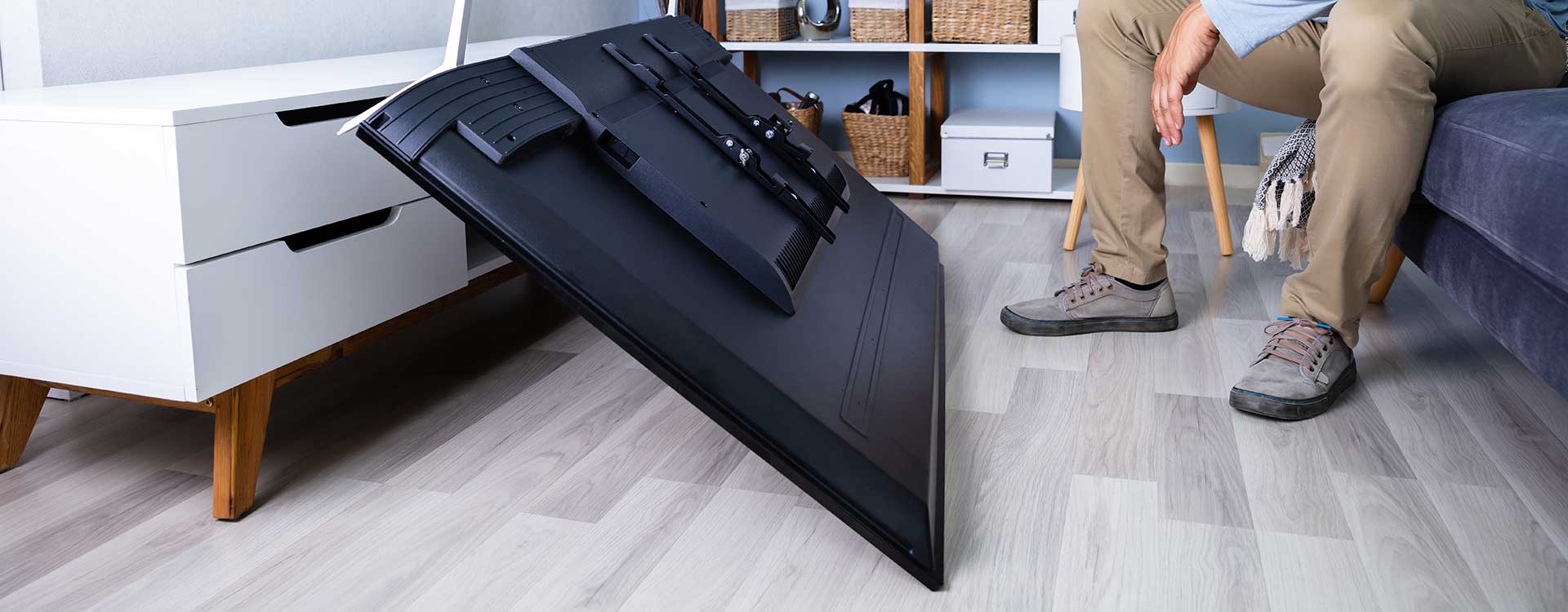
No. Do not dismantle a plasma TV at home unless you are a trained professional with the correct tools and safety controls.
Opening the case can expose you to:
• Sharp metal edges
• Broken glass
• Electrical parts that may hold a charge
• Dust and residue from internal components
• Heavy panels that can fall
• Small parts that are difficult to identify
A plasma TV is not like a cardboard box that can be taken apart for easier recycling. Its materials need to be separated in a controlled facility. Home dismantling can also make the device harder for a recycler to process.
Do not smash the screen, drill into the back, burn the casing, or remove circuit boards. These actions can release harmful dust and create a fire or injury risk.
If a recycler asks you to remove a stand or external battery, follow its instructions. Otherwise, leave the unit intact.

What Happens After You Recycle a Plasma TV?
At a professional recycling facility, the TV usually goes through several stages. Workers first inspect the device and remove reusable parts. They then separate the screen, plastic housing, circuit boards, wires, and metal components.
Typical processing may include:
• Manual removal of cords, stands, and accessories
• Safe separation of the display panel
• Sorting of ferrous and nonferrous metals
• Recovery of copper from wires and circuit boards
• Separation of plastic by type
• Controlled processing of glass and electronic parts
The exact process depends on the facility and the TV design. Plasma panels contain specialized glass and display materials, so they do not always have the same recycling path as standard glass bottles.
Some parts may be reused. Others may be sent to approved processors that recover raw materials. Any waste that cannot be recovered should be managed under applicable environmental rules.
Recycling does not mean every part becomes a new television. It means the device is handled in a way that reduces unsafe disposal and recovers useful materials where practical.
Common Mistakes to Avoid
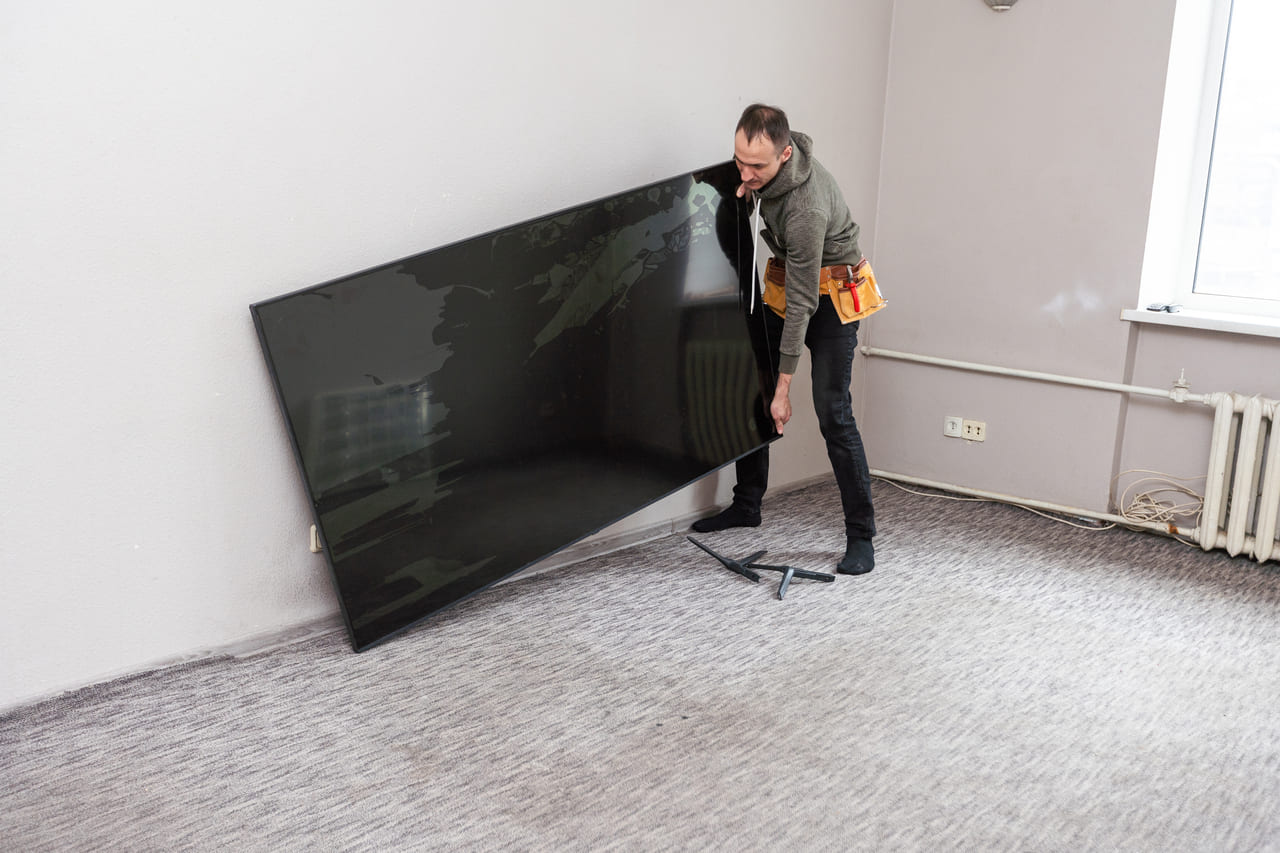
Many disposal problems happen because people rush. A few extra minutes of planning can prevent damage, fees, or an unsafe trip.
Avoid these mistakes:
• Leaving the TV beside a full trash container
• Assuming every donation center accepts large electronics
• Taking the TV apart at home
• Laying the screen flat during transport
• Forgetting to ask about recycling fees
• Giving the TV to an unverified hauler
• Hiding a broken screen from the recycler
• Putting batteries or accessories in the wrong collection bin
• Driving without securing the television
Also avoid placing a plasma TV in a curbside recycling cart. Residential recycling systems are designed for items such as paper, cans, bottles, and approved containers. Large electronics can damage the sorting line.
A mistake I often see is waiting until moving day to deal with an old television. That creates pressure and leads people to choose the first disposal option they find. Plan at least a few days ahead, especially if you need a pickup.
Costs, Fees, and Free Recycling options
The cost to recycle a plasma TV depends on your location, the television’s size, and the service you choose. Some local programs are free for residents. Others charge a handling fee for large displays.
You may find free or low-cost options through:
• City or county collection events
• Manufacturer take-back programs
• Retailer promotions
• Community e-waste drives
• Local nonprofit reuse centers
Pickup services usually cost more because they include labor, transportation, and lifting. Ask for the total price before scheduling. Confirm whether stairs, long distances, or multiple televisions add a fee.
A free service is not automatically the best service. Check whether the provider is legitimate and whether it explains how it handles electronics. Responsible disposal is worth more than saving a small amount through an unreliable hauler.
Environmental Benefits and Limitations
Proper plasma TV recycling can reduce the demand for new raw materials. Recovering copper, steel, aluminum, plastics, and glass takes advantage of materials already present in the device.
It can also reduce the chance that electronics will be dumped, burned, or exported to unsafe processing sites. Certified recycling programs use documented handling methods and require greater accountability.
Still, recycling has limits. Not every material can be recovered, and transportation uses fuel. A working TV may provide more environmental value through reuse than immediate recycling. The best choice depends on the device’s condition, energy use, repair cost, and local program.
Older plasma TVs may also use more electricity than newer LED models. If your set still works, compare its power use with the cost and environmental impact of replacing it. If it is failing or unsafe, proper recycling is the better path.
Frequently Asked Questions About How to Recycle Plasma TV
Can I put a plasma TV in the regular trash?
Usually, no. Many local rules prohibit large electronics in household trash, and the TV can damage collection equipment or create safety risks. Use an approved electronics recycling or special waste program instead.
Can I recycle a broken plasma TV?
Yes, many electronics recyclers accept broken plasma TVs. Call first and explain whether the screen is cracked, the case is damaged, or the TV has other hazards.
Is it safe to transport a plasma TV lying down?
It is safer to transport a plasma TV upright. Laying it flat can increase pressure on the panel and raise the chance of cracks, especially when the vehicle moves over bumps.
Do I need to remove the TV stand before recycling?
Usually, you do not need to remove the stand. If it comes off easily, removing it can make transport safer, but ask the recycling center whether it accepts the stand with the television.
Can I donate an old plasma TV?
You can donate it if it works properly and the receiving organization accepts large electronics. Disclose issues such as burn-in, dead pixels, missing remotes, or damaged ports before arranging the donation.
Does recycling a plasma TV cost money?
It may be free through a local collection event, retailer program, or municipal center. Some facilities charge a fee for large screens, so confirm the cost before delivery.
Can I take apart a plasma TV for scrap metal?
Do not take it apart at home. A professional facility has the tools and controls needed to separate materials safely and manage components that should not enter ordinary scrap streams.
Conclusion
Learning how to recycle plasma TV equipment starts with one simple rule: keep it out of the regular trash. Check local requirements, choose an approved recycler or take-back program, prepare the television carefully, and transport it upright with help.
If the TV still works, reuse or donation may be the best first choice. If it is broken, unsafe, or too costly to repair, responsible electronics recycling helps recover materials and protects workers and the environment.
Take a few minutes today to contact your local waste department or a certified electronics recycler. Share your experience or local recycling tip in the comments, and help someone else dispose of an old plasma TV safely.

Everett Ashford is a tech reviewer at mytechgrid.com specializing in SSDs, cameras, TVs, earbuds, headphones, and other consumer electronics. He provides honest, data-driven reviews based on hands-on testing and real-world performance analysis. Everett simplifies complex tech details to help readers make smart, confident buying decisions.