Cameras in stores usually appear as display models, boxed products, or small security devices mounted near ceilings.
Knowing what do cameras look like in stores can help you shop with confidence and understand the difference between a product display and store surveillance. As someone who has compared camera displays, tested retail models, and studied common security setups, I’ll explain their shapes, locations, features, and warning signs in simple terms.
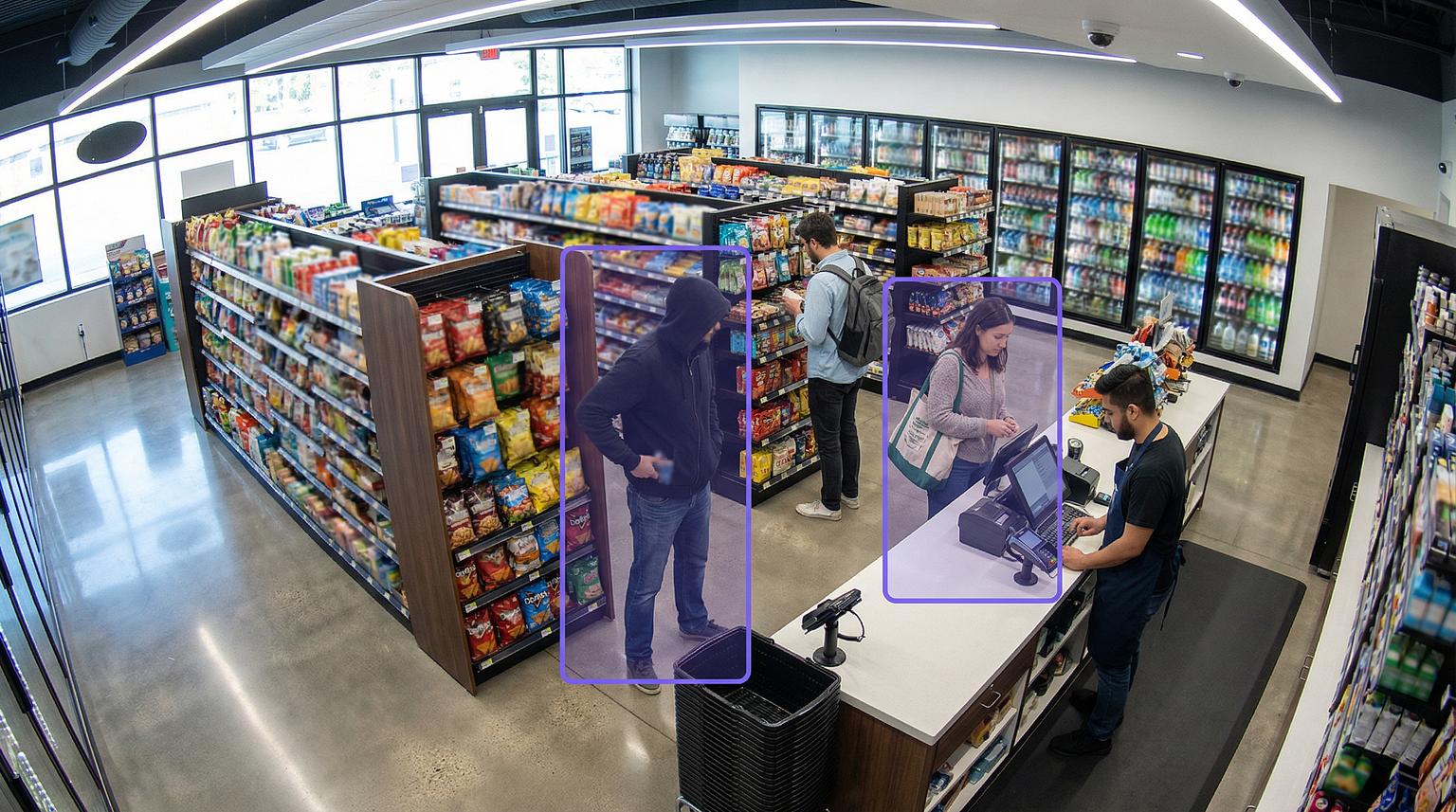
What Do Cameras Look Like in Stores?
The answer depends on the type of camera you mean. Stores may display cameras for sale, use security cameras to protect the building, or install special cameras for checkout, traffic, and inventory control.
A camera for sale is often shown in an open display case. It may be attached to a shelf, locked to a security cable, or placed beside sample lenses and accessories. The product box usually sits nearby.
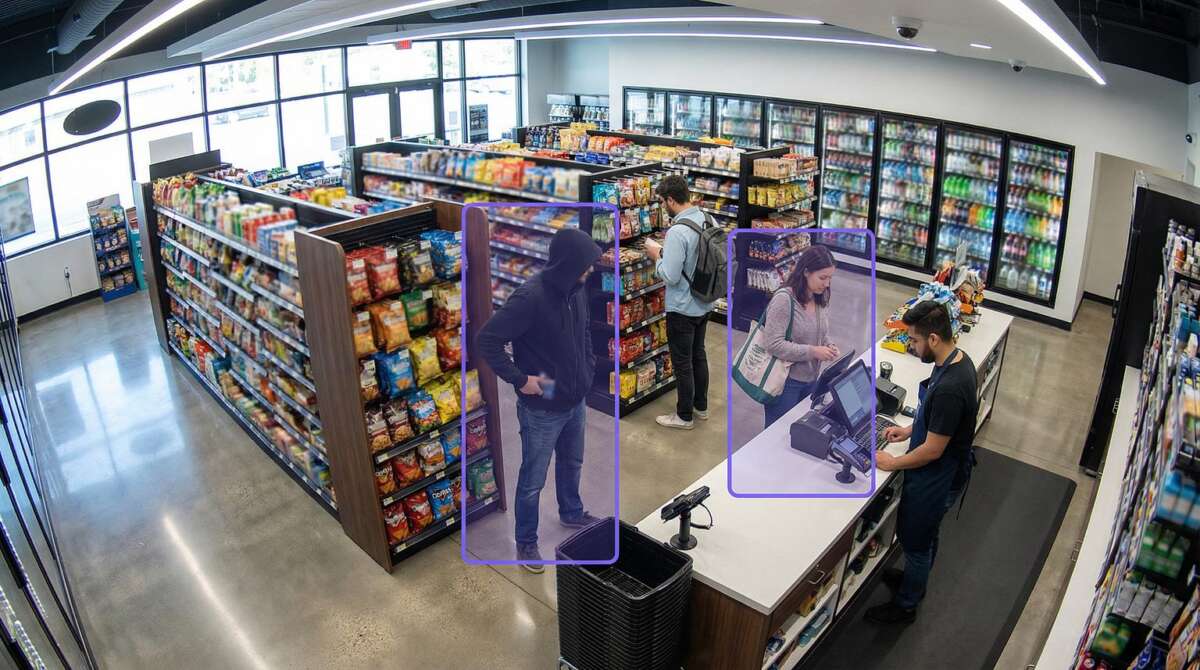
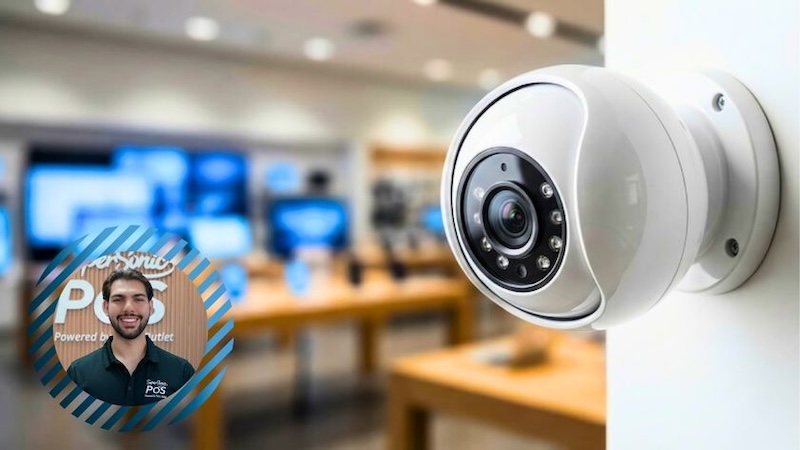
Store security cameras are often smaller and less obvious. They may look like black domes, white half spheres, small boxes, or tiny lenses built into the ceiling. Some look like ordinary sensors or lights.
When people ask what do cameras look like in stores, they often mean one of these two groups:
• Retail display cameras that customers can touch or test
• Security cameras that record activity inside or outside the store
• Checkout cameras that watch payment areas
• Traffic cameras that count visitors or study shopping patterns
• Body-worn cameras used by security staff
• Hidden or discreet cameras designed to blend into the store environment

What Retail Display Cameras Look Like
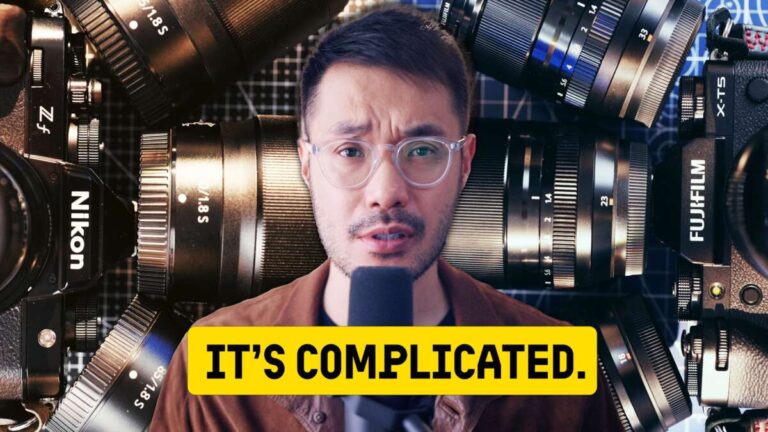
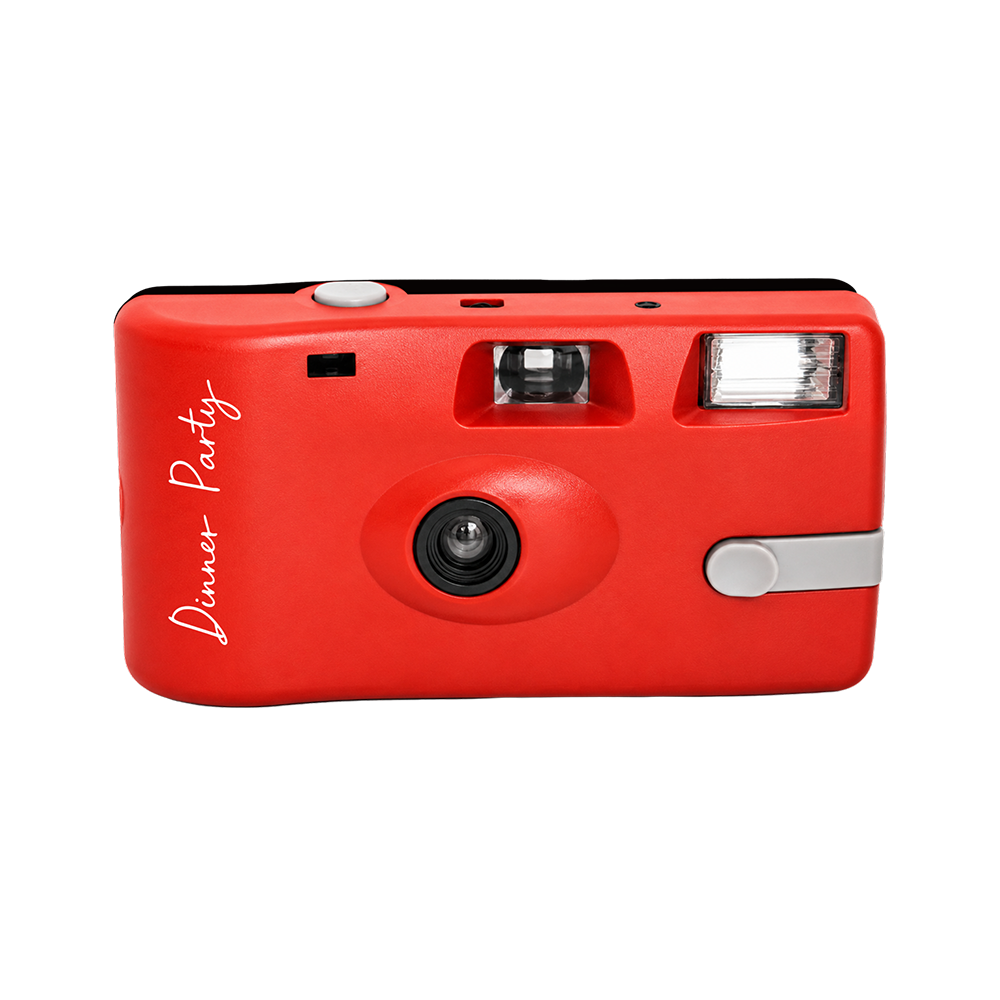
Cameras sold in electronics stores usually look much like the images shown online, but they may have a security mount attached. The mount prevents theft while allowing customers to hold the camera and view its controls.
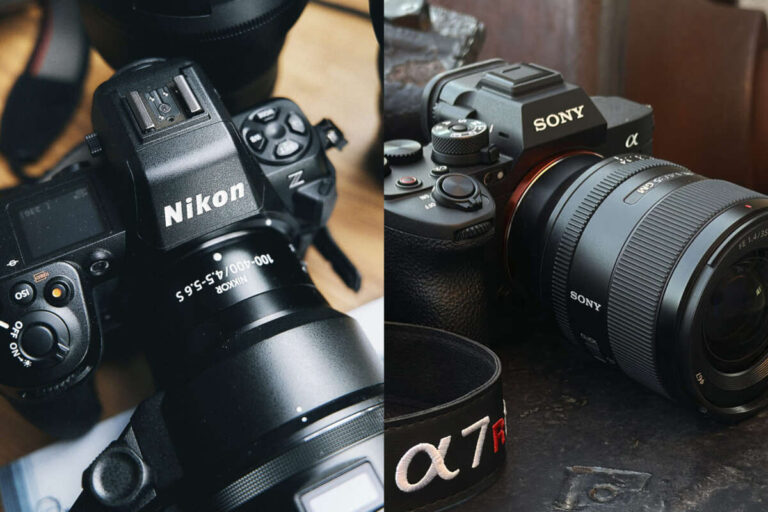
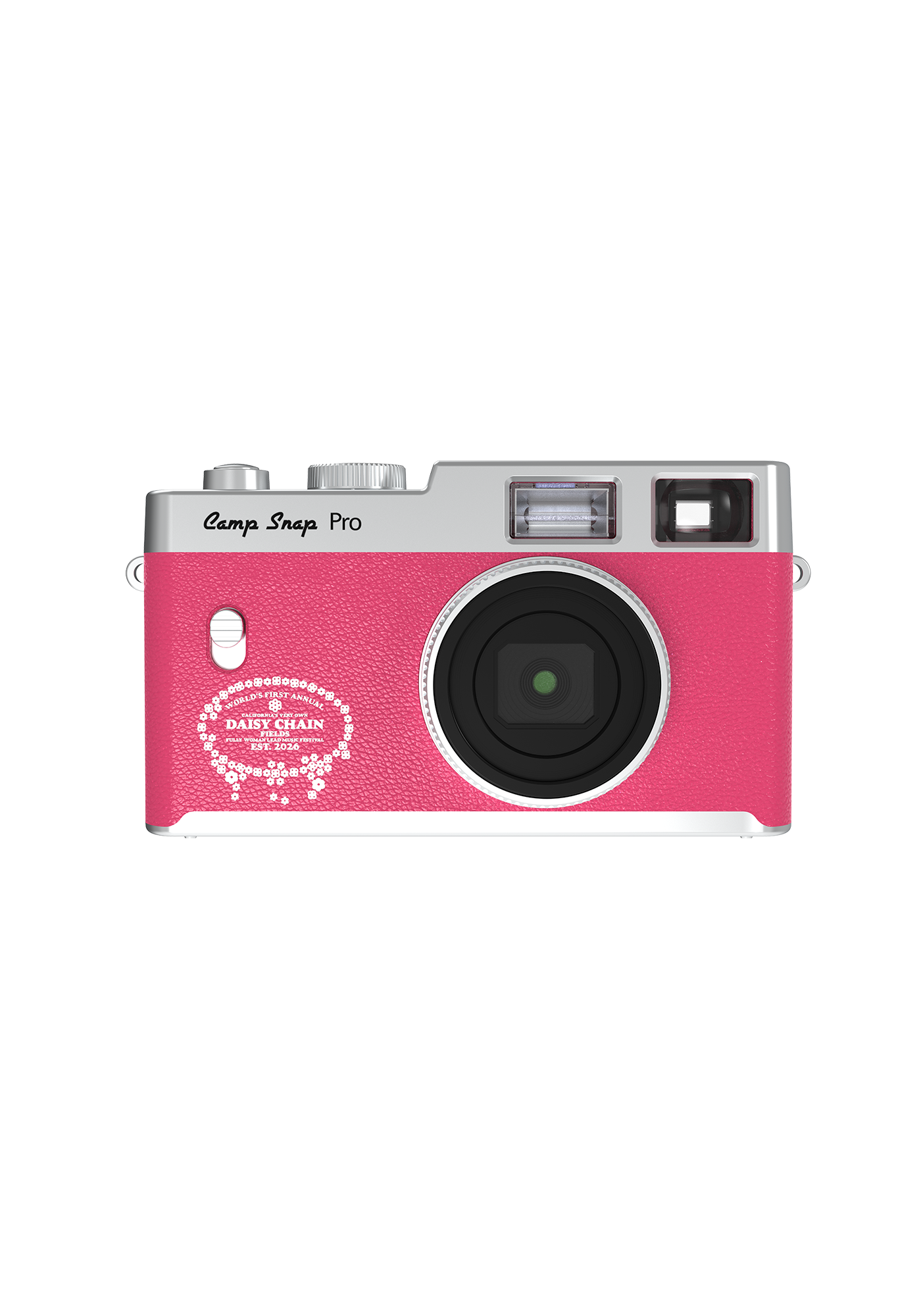
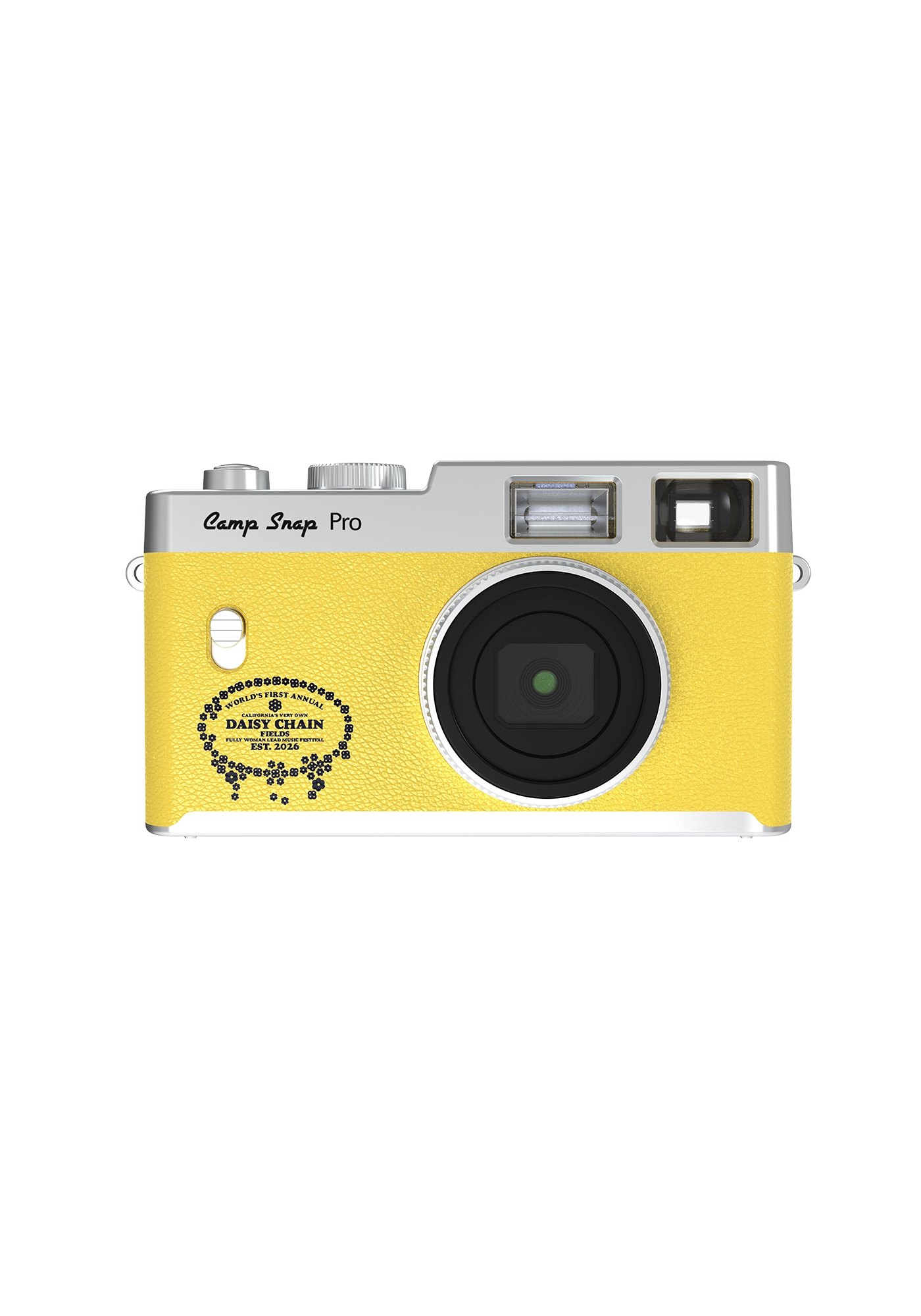
Digital cameras often have a rectangular body, a lens on the front, a screen on the back, and buttons on the top or side. Mirrorless cameras tend to be smaller and flatter than many digital single-lens reflex cameras.
A DSLR camera usually has a larger grip and a raised viewfinder housing. Its lens can be removed and replaced. A mirrorless camera has no optical mirror system, so its body may look more compact.
You may see these camera types in a store:
• Point-and-shoot cameras with fixed lenses
• Mirrorless cameras with interchangeable lenses
• DSLR cameras with optical viewfinders
• Action cameras with tiny square bodies
• Instant cameras with wide plastic bodies
• Camcorders with side grips and flip-out screens
• Trail cameras with camouflage cases
• Webcams with clips for monitors
• Security cameras with wall or ceiling mounts
The shape often gives you a quick clue about the camera’s purpose. A small square camera may be made for sports. A large body with a long lens may be designed for wildlife or sports photography.
What Store Security Cameras Look Like
Most store security cameras are designed to cover a wide area while staying hard to damage. Their appearance varies by location, lighting, budget, and security needs.
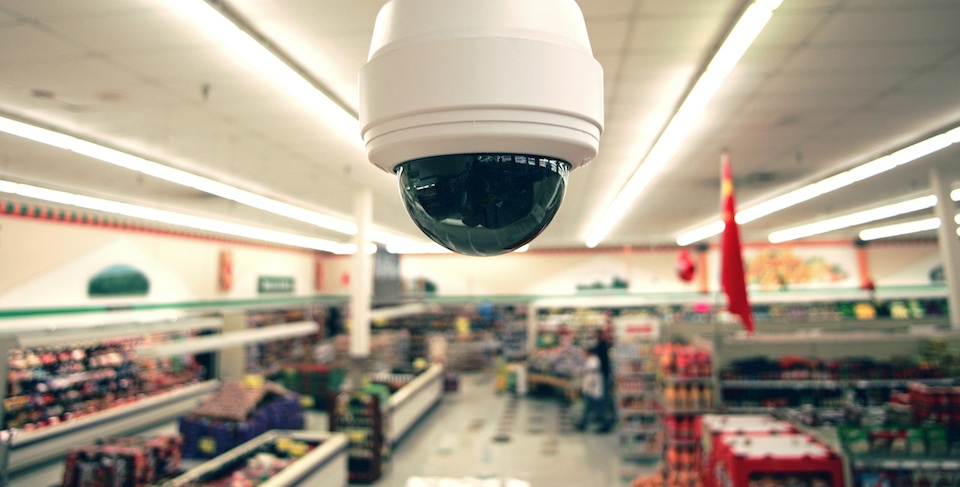
The most common style is the dome camera. It has a round, clear, smoked, or dark cover. The camera sits inside the dome, which makes it harder to see where the lens points.
Bullet cameras have a long, narrow body. They are common outdoors, near entrances, loading areas, and parking lots. Their shape makes them easy to aim at doors, sidewalks, and driveways.
Box cameras look like small rectangular blocks. They may have a separate lens and are often mounted on walls or ceilings. You may see this design in older stores or areas that need a special lens.
Pan, tilt, and zoom cameras are larger and may sit inside a rounded housing. They can move from side to side, tilt up and down, and zoom in. Not every camera that looks movable is actively controlled, however.
Common store security camera designs include:
• Dome cameras with rounded covers
• Bullet cameras with long tube-shaped bodies
• Box cameras with visible lenses
• Pan-tilt-zoom cameras with moving housings
• Fisheye cameras with very wide views
• Small pinhole cameras built into equipment
• License plate cameras near parking entrances
When considering what do cameras look like in stores, remember that modern models may be very small. A lens can fit inside a device that also contains a light, speaker, motion sensor, or smoke detector.
Where Are Cameras Usually Located in Stores?
Store cameras are placed where they can provide useful coverage. Their location may tell you more than their shape.
You may find cameras near:
• Main entrances and exits
• Checkout lanes
• Customer service desks
• Cash offices
• High value displays
• Electronics departments
• Stockrooms and receiving areas
• Parking lots and delivery doors
• Escalators and stairways
• Hallways and restricted areas
A camera near the entrance may record people entering and leaving. A camera above a checkout lane may focus on transactions, cash handling, and the area around the register.
Many stores use signs to tell customers that video surveillance is in use. The exact notice depends on local law and the type of monitoring. Video recording rules can differ by state, city, business type, and location.
A camera should not be placed in a private area such as a restroom or changing room. Those areas have stronger privacy protections. If you see a suspicious device in a private space, do not touch it. Report it to store management or local authorities.
How to Tell a Display Camera From a Security Camera
A camera for sale and a security camera can look similar at first. The mounting method, nearby products, and location usually provide useful clues.
A display camera often has a brand label, a removable lens, a screen, and buttons that shoppers can try. It may be attached to a thick cable, metal bracket, or alarm device.
A security camera usually has no customer controls. It may be mounted high on a wall, fixed to the ceiling, or placed behind a protective cover. You may also see a cable running into the ceiling or wall.
Use these clues:
• A retail camera sits near product signs and price labels
• A display model may have a security tether
• A security camera points toward doors, registers, or aisles
• A ceiling camera may have a wide or curved viewing window
• A camera in a locked case is likely a product for sale
• A small lens near a checkout may be part of the store security system
Some stores use dummy cameras. These devices look real but do not record video. They may have a blinking red light or visible wire, though those signs are not reliable proof.
What Do Cameras Look Like in Grocery Stores?
Grocery stores use several kinds of cameras because they have wide aisles, many checkout points, and large stock areas. You may see dome cameras on ceilings, small cameras near self-checkout stations, and outdoor cameras near parking lots.
At self-checkout, cameras may focus on the scanner, bagging area, and payment terminal. Some systems use computer vision to detect activity, but the exact technology differs by store and location.
Ceiling cameras in grocery aisles often look like small white domes. They may blend with ceiling tiles, lights, and motion sensors. Outdoor cameras may use long bullet housings that resist weather.
Grocery stores may also use cameras to help with:
• Theft prevention
• Queue management
• Employee safety
• Inventory checks
• Delivery monitoring
• Customer traffic analysis
A camera does not always record continuously. Some systems record all the time, while others activate when they detect motion or operate only during business hours.
What Do Cameras Look Like in Clothing and Department Stores?
Clothing stores often use ceiling dome cameras and small cameras near entrances, exits, and checkout areas. Security devices may also be placed near fitting room entrances, but cameras should not record inside private changing spaces.
Department stores may use many camera styles at once. A large store might have ceiling domes for general coverage, bullet cameras near exterior doors, and compact cameras near expensive products.
Some cameras are placed inside display fixtures. For example, a camera may be hidden near a jewelry case or electronics counter. This does not automatically mean the camera is illegal, but customers should receive appropriate notice where required.
In my experience reviewing retail layouts, the biggest mistake people make is assuming every small black circle is a camera. Some are motion sensors, microphones, light sensors, or sprinkler components. Shape alone cannot confirm what a device does.

What Do Cameras Look Like at Checkout?
Checkout cameras are often small and mounted above the register or self-checkout screen. They may look like black dots, short cylinders, or small rectangular units.
Some checkout systems include a customer-facing camera. Others use a camera pointed at the payment area, barcode scanner, or bagging platform. The camera may be part of a larger theft prevention or transaction review system.
A payment terminal may also have a tiny camera for security or identity checks. This is not present on every terminal. The design depends on the retailer, payment provider, and local rules.
Look for these common features:
• A small lens above the checkout screen
• A camera aimed at the register drawer
• A wide-angle lens over self-checkout
• A device near the barcode scanner
• A ceiling camera covering several lanes
Do not cover, move, or unplug a store camera. If you have a privacy concern, ask a manager what the device records and how the footage is used.
How Camera Design Has Changed
Older store cameras were often large, visible, and connected to separate recording equipment. Modern cameras can be smaller, sharper, and easier to connect through a network.
Many current systems use IP cameras. These cameras send digital video through a network instead of using only traditional analog cables. Some include remote viewing, motion alerts, audio, or low-light recording.
Modern camera features may include:
• High definition or ultra high definition video
• Infrared lighting for dark areas
• Wide-angle views
• Motion detection
• Digital zoom
• Audio recording
• Cloud or network storage
• Artificial intelligence tools
• Weather-resistant housing
Higher resolution does not always mean better coverage. A camera with a wide lens may show more of the store but make faces look smaller. A narrow lens may show more detail in one area but leave blind spots.
This is an important lesson when thinking about what do cameras look like in stores: appearance tells you only part of the story. The lens, position, lighting, recording settings, and storage system matter just as much.
Are Store Cameras Always Recording?
No. A store camera may be live, recording, motion activated, or inactive. Customers usually cannot know the exact status by looking at the camera.
Some businesses record continuously. Others use motion detection to save storage space. A few cameras may show a live view without saving the video.
A blinking light does not prove that a camera is recording. Likewise, no light does not prove that it is inactive. Many professional cameras have no visible indicator at all.
Video retention also varies. A store may keep footage for a short period or longer when an incident, insurance claim, or legal request requires it. Access is usually controlled by store staff, security teams, or a service provider.
How to Spot a Hidden or Unusual Camera
Most store cameras are visible and used for security. Still, a customer may notice an unusual device that does not match nearby equipment.
Possible signs include:
• A tiny lens inside a strange object
• A device aimed at a private area
• A loose wire leading to an unknown device
• A new object placed where it has no clear purpose
• A pinhole in a wall, shelf, or fixture
These signs do not prove that a hidden camera exists. Many ordinary devices have small openings that look like lenses.
If something concerns you, take a photo from a safe distance, note the location, and tell store management. Do not remove the device or confront another customer. For serious privacy concerns, contact local law enforcement or a qualified privacy professional.
Tips for Choosing a Camera in a Store
If you are shopping for a camera, begin with your purpose rather than the brand. The best camera for a family trip may not be the best camera for sports, wildlife, streaming, or home security.
Ask yourself:
• Will I take photos, record video, or do both?
• Do I need a small body for travel?
• Do I want to change lenses?
• Will I shoot in low light?
• Do I need a strong zoom?
• Is image stabilization important?
• How much can I spend on lenses and batteries?
• Do I need a microphone jack or headphone jack?
At the store, hold the camera in both hands. Check the grip, button placement, screen, viewfinder, battery door, and menu system. A camera can have excellent specifications and still feel wrong in your hands.
My practical advice is to test the controls before buying. I have seen shoppers focus so much on megapixels that they overlook comfort, weight, and lens cost. A camera you enjoy using is often more valuable than one with the longest feature list.
Privacy and Legal Considerations
Store surveillance is not automatically unlawful. Businesses commonly use cameras for security, safety, loss prevention, and operational needs. However, privacy laws can limit where cameras are placed, whether audio is recorded, and how personal information is handled.
Audio deserves special attention. Recording conversations may be subject to stricter rules than recording video. The rules vary across the United States, so stores should follow local and state requirements.
Customers should expect reasonable privacy in restrooms, fitting rooms, and similar spaces. If you suspect improper recording, report the concern promptly and preserve useful details.
Keep in mind that laws change and may differ by location. This article provides general information, not legal advice. A local attorney or privacy regulator can explain the rules that apply to a specific situation.
Common Mistakes People Make When Identifying Store Cameras
It is easy to misread a device when you are in a busy store. People often assume that every dome is a camera or that every camera has a visible red light.
Avoid these mistakes:
• Assuming a blinking light proves recording
• Treating a motion sensor as a camera
• Believing every camera can zoom or move
• Covering or touching a security device
• Ignoring store signs about surveillance
• Assuming a display model is connected to the store network
• Expecting every camera to provide clear facial images
A better approach is to look at the full setting. Check the device shape, mounting point, lens direction, nearby signs, and cable path. When in doubt, ask store staff instead of guessing.
Frequently Asked Questions About What Do Cameras Look Like in Stores
What do cameras look like in stores?
They may look like dome cameras, bullet cameras, small black lenses, rectangular boxes, or product display models. Their appearance depends on whether they are used for security, checkout monitoring, or sale.
Do all store cameras have a red light?
No. Some cameras have indicator lights, but many do not. A red light may show power, status, or a deterrent feature rather than active recording.
Where are cameras usually placed in stores?
They are commonly placed near entrances, checkout lanes, high value products, stockrooms, parking areas, and delivery doors. Cameras should not be placed inside private spaces such as restrooms or changing rooms.
Can store cameras record audio?
Some systems can record audio, but not all do. Audio recording may face stricter legal rules than video, and requirements vary by state and location.
How can I tell if a camera is real?
Look for a lens, mounting hardware, a cable, or a connection to a security system. These clues are not conclusive, so store staff or a security professional may be needed to confirm the device.
Are small cameras in stores always hidden cameras?
No. Small devices may be cameras, motion sensors, microphones, light sensors, or other equipment. A tiny lens alone does not prove that a device is hidden or recording.
Do cameras in stores record all the time?
Not always. Some record continuously, while others use motion detection, scheduled recording, or live monitoring only. Customers usually cannot confirm the recording status by appearance alone.
Conclusion
Store cameras can look like retail display products, ceiling domes, bullet-shaped outdoor units, small checkout lenses, or nearly invisible network devices. Their location and purpose matter as much as their shape.
When asking what do cameras look like in stores, focus on the details: the camera’s housing, lens, mounting point, direction, nearby signs, and surrounding equipment. If you are buying a camera, test its comfort and controls before trusting the box or product label.
Use this guide to identify common camera types, protect your privacy, and make a smarter purchase. Explore more camera guides, compare models carefully, and share your questions or experiences in the comments.

Everett Ashford is a tech reviewer at mytechgrid.com specializing in SSDs, cameras, TVs, earbuds, headphones, and other consumer electronics. He provides honest, data-driven reviews based on hands-on testing and real-world performance analysis. Everett simplifies complex tech details to help readers make smart, confident buying decisions.