Sound cancelling headphones reduce outside noise by using ear seals and sound waves that counter unwanted sounds.
Understanding what is sound cancelling headphones can help you choose the right pair for travel, work, study, or daily listening. These headphones do more than make music louder. They use smart design, microphones, and audio processing to create a quieter space around your ears. In this guide, you will learn how they work, what they block, where they fall short, and how to choose a safe, comfortable pair.
What Are Sound Cancelling Headphones?
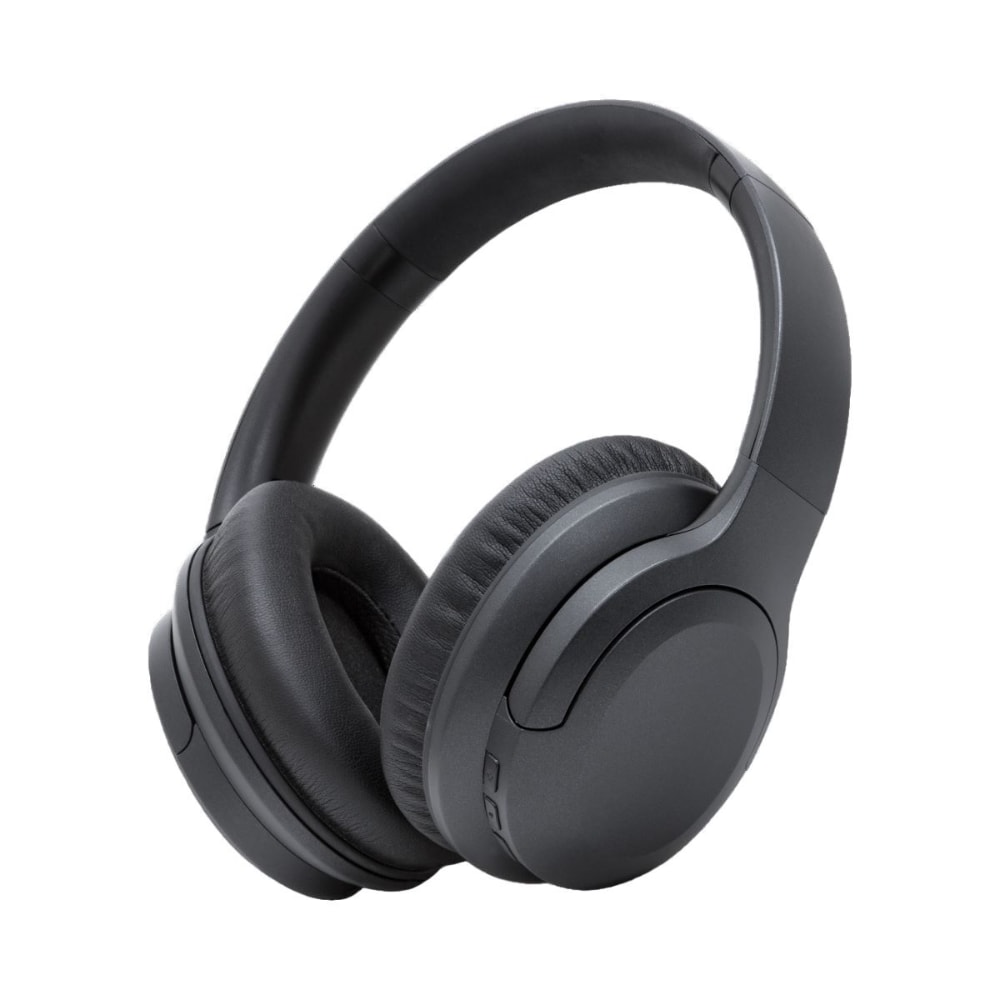
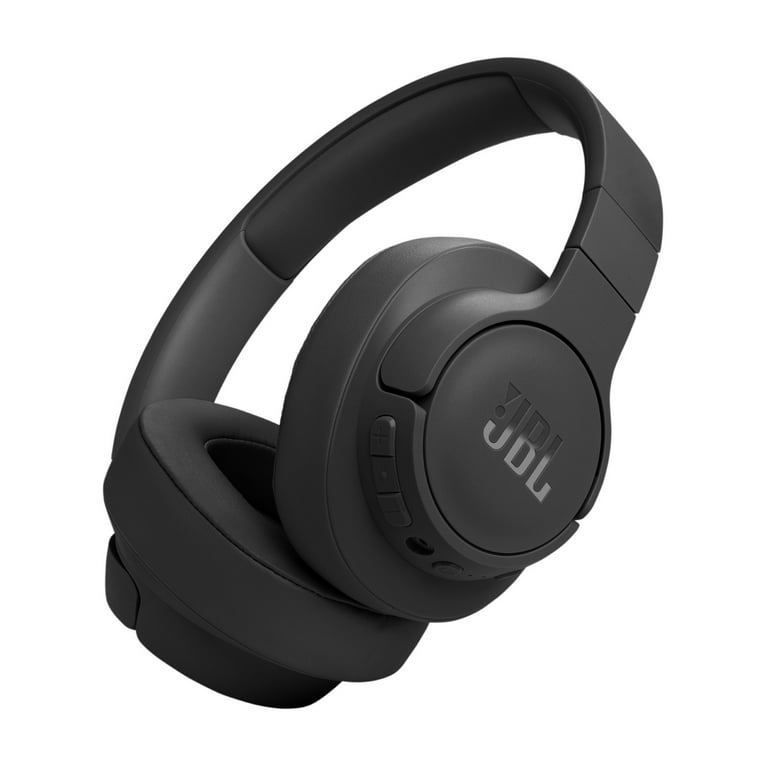
Sound cancelling headphones are headphones designed to reduce unwanted noise around you. They may use soft ear cushions, a closed design, electronic noise control, or a mix of all three.
The term usually refers to active noise-canceling headphones, often called ANC headphones. ANC stands for active noise cancellation. These headphones listen to nearby sound and create an opposite sound wave to reduce it.
There are two main forms of noise reduction:
• Passive noise isolation blocks sound with physical materials, such as padded ear cups and tight seals.
• Active noise cancellation uses microphones, a processor, and speakers to reduce outside sound electronically.
A simple way to picture ANC is to imagine two waves meeting on a calm lake. If one wave rises while the other falls, they can partly cancel each other. Sound cancelling headphones use a similar idea, but with pressure changes in the air.
They do not create complete silence. Instead, sound cancelling headphones lower the volume of many outside noises. This makes music, podcasts, and spoken audio easier to hear at a lower volume.
How Do Sound Cancelling Headphones Work?
Sound cancelling headphones use small microphones to detect noise near your ears. An internal chip studies that noise and produces an opposite signal. The headphone speakers then play this signal along with your music or other audio.
This process happens very quickly. In good sound cancelling headphones, the delay is so small that you normally do not notice it. The result is less low, steady background noise.
The main parts of an ANC system
• External microphones listen to sounds outside the ear cups.
• Internal microphones may check the sound inside the ear cups.
• A digital signal processor analyzes the noise.
• The headphone drivers produce music and the anti-noise signal.
• A battery powers the microphones, processor, and noise control system.
The system works best with steady sounds. For example, it can reduce the deep hum of an airplane engine, bus motor, air conditioner, or train. These sounds have fairly regular patterns, which makes them easier for the processor to counter.
Sudden sounds are harder to remove. A door slam, a baby’s cry, a dog bark, or a nearby person speaking can happen too quickly or change too often for ANC to cancel completely.
This is one of the most important facts about what is sound cancelling headphones: they reduce noise, but they do not erase every sound. Their performance depends on the type of noise, the fit, the microphone quality, and the headphone software.

Active Noise Cancellation vs. Passive Noise Isolation
Active noise cancellation and passive noise isolation work in different ways. Passive isolation depends on the physical shape and materials of the headphones. It is similar to placing your hands over your ears, although well-designed ear cups work much better.
Over-ear headphones often provide strong passive isolation because their cushions surround the ears. In-ear headphones can also isolate sound when their ear tips create a good seal.
Active noise cancellation adds electronic processing. It is especially useful for low-frequency sounds that passive materials may not block well. That is why sound cancelling headphones are popular with frequent travelers and people who work near loud machines.
Here is a simple comparison:
| Feature | Active noise cancellation | Passive noise isolation |
|---|---|---|
| How it works | Uses microphones and opposite sound waves | Uses ear cups, seals, and materials |
| Best at reducing | Low, steady sounds | Higher sounds and sudden noise |
| Needs power | Usually yes | No |
| Works with music off | Often yes | Yes |
| Can create ear pressure sensation | Sometimes | Rarely |
| Affects sound quality | May slightly change the sound | Usually does not process audio |
The best sound cancelling headphones use both methods. Electronic cancellation lowers the steady hum, while the ear cushions block what remains.
In hands-on listening, fit often matters more than brand name. A premium pair with loose ear cups may block less sound than a less expensive pair that fits your head well. Comfort, seal, and ear shape all affect the result.

What Sounds Do Sound Cancelling Headphones Block?
Sound cancelling headphones are strongest against steady, low-frequency noise. They can make long trips, open offices, and busy homes more comfortable.
They commonly reduce:
• Airplane engine noise
• Bus and train rumble
• Air conditioner hum
• Computer fan noise
• Road noise
• Low conversations in the background
• Mechanical sounds from some workplaces
They are less effective against:
• Sudden claps or bangs
• High-pitched alarms
• Nearby speech
• Crying children
• Dogs barking close to you
• Music from another room
• Sounds that leak through a poor ear seal
Some models include transparency mode, also called ambient mode. This feature uses the microphones to bring outside sound into the headphones. It lets you hear announcements, traffic, or a coworker without removing the headphones.
This feature is helpful, but it should not replace awareness. If you walk near roads, cycle, or work around vehicles, keep the volume low and use a mode that lets you hear important warning sounds.
Benefits of Sound Cancelling Headphones
Sound cancelling headphones can improve comfort and focus in many daily situations. They are not just travel accessories. Many people use them at home, at work, or while studying.
Better focus
Reducing background noise can make it easier to read, write, or complete tasks. A quiet listening space may also reduce the need to turn music up to cover distractions.
More comfortable travel
Airplane and train noise can become tiring over several hours. Sound cancelling headphones reduce the constant low rumble, so you may arrive feeling less drained.
Clearer listening
When background noise drops, voices and instruments can sound clearer. You may be able to listen at a lower volume because the audio no longer competes with outside noise.
Improved calls
Many modern headphones use several microphones to reduce wind and background noise during phone calls. This can help the person on the other end hear you more clearly.
Personal quiet time
Sometimes the main benefit is simple relief. A quieter environment can feel calming in a busy home, shared office, or crowded public space.
Noise reduction may also support safer listening habits. Research on personal audio devices shows that people often raise volume in noisy places. If sound cancelling headphones reduce the noise around you, you may not need to increase the volume as much.

Limitations and Possible Drawbacks
Sound cancelling headphones are useful, but they are not perfect. Knowing their limits will help you set realistic expectations.
They do not create total silence
ANC reduces sound rather than removing it. You may still hear voices, alarms, and sudden noises. A quiet room is still quieter than even the best sound cancelling headphones.
They need battery power
Active noise cancellation usually requires a charged battery. Some models continue to play audio with the battery off, but ANC and wireless features may stop working.
They can feel unusual
Some users notice a feeling of pressure or fullness in their ears. ANC does not actually remove air pressure, but the reduced low-frequency sound and altered sound field can feel strange. Many people adjust after a short time.
Fit affects performance
Glasses, hair, earrings, and loose cushions can create small gaps. These gaps reduce passive isolation and make ANC less effective.
They may affect sound quality
Poorly designed headphones can produce a faint hiss or change the tone when ANC is turned on. Better models usually handle this well, but no system is perfect.
They can reduce awareness
Noise reduction may hide announcements, vehicles, alarms, or people trying to get your attention. Avoid using strong noise cancellation in situations that require full awareness.
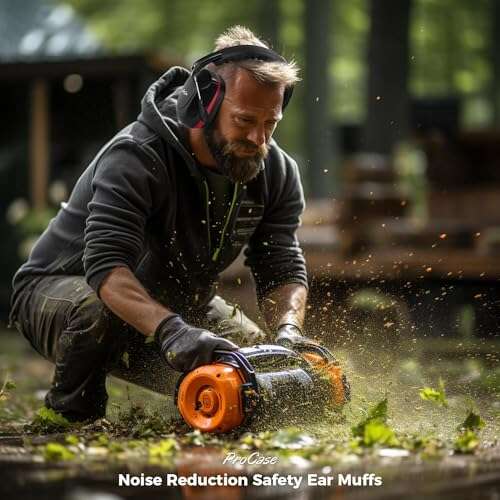
Sound cancelling headphones should also not be treated as hearing protection unless they have a clear safety rating for that purpose. Standard consumer ANC headphones are made for comfort and listening, not for industrial hearing protection.

Are Sound Cancelling Headphones Safe?
Sound cancelling headphones are generally safe when used at a reasonable volume and for sensible periods. The main risk comes from loud audio, not from the cancellation process itself.
A useful rule is to keep the volume low enough that you can still think comfortably. If another person nearby can hear your music, the volume may be too high. Take regular breaks, especially during long listening sessions.
The National Institute for Occupational Safety and Health and other hearing health organizations warn that repeated exposure to loud sound can damage hearing. The risk rises with both volume and time.
Use extra care when:
• Walking near traffic
• Cycling outdoors
• Working around machinery
• Traveling through stations or airports
• Caring for children
• Waiting for important announcements
A good habit is to use transparency mode when you need awareness. At home or on a plane, ANC may be useful. Near traffic or in a workplace, hearing the environment may matter more than maximum quiet.
How to Choose the Best Sound Cancelling Headphones
Choosing sound cancelling headphones is about more than finding the strongest ANC. The best pair should fit your needs, ears, lifestyle, and budget.
Consider the headphone style
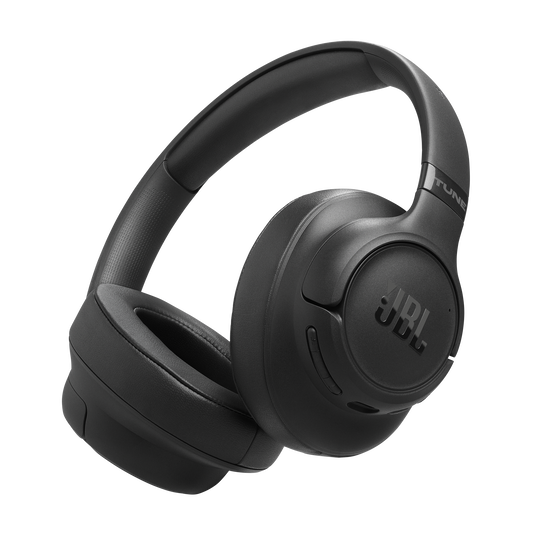
Over-ear headphones usually offer the best comfort and passive isolation. They work well for flights, desks, and long listening sessions.
On-ear headphones are smaller, but they may allow more outside sound through. They can also press on your ears after extended use.
Noise-canceling earbuds are compact and easy to carry. Their performance depends heavily on the ear tip seal, so try different tip sizes if possible.
Check battery life
Look for battery life that matches your routine. A frequent traveler may want a long-lasting model with a quick-charge feature. A casual listener may care more about a small case and easy charging.
Test comfort
Wear the headphones for at least 10 to 15 minutes before buying them. Check for pressure on your head, heat around your ears, and discomfort from the headband.
Review transparency mode
A strong transparency mode is useful for conversations and public safety. Some models allow you to adjust how much outside sound enters.
Examine microphone quality
If you take work calls, read reviews that discuss voice quality in wind and busy places. Music quality and call quality are separate features.
Think about controls and connections
Useful features may include:
• Bluetooth multipoint for two devices
• A wired listening option
• Physical buttons
• Automatic pause when you remove the headphones
• App-based sound settings
• Replaceable ear cushions
Do not assume a higher price guarantees better performance. In real-world testing, comfort, seal, and reliable controls often make a bigger difference than a long list of extra features.

Tips for Using Sound Cancelling Headphones
Small habits can improve both performance and comfort.
-
Choose the correct ear tip size if you use earbuds. A proper seal is essential for strong noise reduction.
-
Keep ear cushions clean. Oil and dust can weaken the seal over time.
-
Update the headphone firmware when the manufacturer recommends it. Updates may improve ANC and connection stability.
-
Use the lowest comfortable volume. Noise cancellation should help you avoid turning the music up.
-
Turn on transparency mode near roads, platforms, and busy public areas.
-
Store the headphones in a case. This protects the cushions, microphones, and charging port.
-
Take breaks during long sessions. A few quiet minutes can reduce ear fatigue.
-
Do not sleep with bulky headphones unless they are designed for sleep. Pressure and tangled cables can cause discomfort or create a safety risk.
One mistake I often see is judging ANC while wearing headphones incorrectly. Users may leave the ear cups slightly off-center or choose ear tips that are too small. Before deciding that a pair performs poorly, adjust the fit and test it with a steady sound, such as a fan or air conditioner.
Sound Cancelling Headphones for Different Uses
Different situations call for different features.
For air travel
Choose over-ear sound cancelling headphones with strong low-frequency reduction, long battery life, and comfortable cushions. A wired backup can help when using an airplane entertainment system.
For studying
Lightweight headphones with gentle clamping force may be best. You may not need the strongest ANC if your main problem is a fan, air conditioner, or quiet office noise.
For work calls
Prioritize microphone performance, comfort, multipoint Bluetooth, and a reliable transparency mode. Strong music quality is helpful, but clear speech matters most during meetings.
For commuting
Compact earbuds are easy to store. Choose a model with secure fit, good transparency mode, and controls that are easy to use without looking at your phone.
For sensory comfort
Strong noise reduction may help some people manage busy environments. Start with moderate settings and take breaks if you feel ear pressure, fatigue, or discomfort.
Frequently Asked Questions About What Is Sound Cancelling Headphones
What is sound cancelling headphones technology?
Sound cancelling headphones use physical ear protection and, in many models, electronic noise cancellation. Microphones detect outside sound, and the headphones create an opposite signal to reduce it.
Are sound cancelling headphones the same as noise isolating headphones?
No. Noise isolation blocks sound with materials and ear seals, while active noise cancellation uses electronics. Many high-quality headphones use both methods at the same time.
Do sound cancelling headphones block all noise?
No. They work best against steady, low sounds such as airplane engines and air conditioners. Sudden sounds, voices, and high-pitched noises may still be audible.
Can sound cancelling headphones damage your hearing?
The cancellation feature itself is not known to damage hearing. However, listening at high volume for long periods can harm hearing, so keep the volume moderate and take breaks.
Do sound cancelling headphones work without music?
Many active noise-canceling models reduce outside noise even when no music is playing. The headphones still need battery power for the microphones and processing system.
Are sound cancelling headphones good for studying?
Yes. They can reduce steady background noise and make it easier to focus. Use transparency mode when you need to hear people, alarms, or other important sounds.
Conclusion
Sound cancelling headphones combine ear-cup or ear-tip design with technology that reduces unwanted sound. Active noise cancellation is especially effective against steady, low-frequency noise, while passive isolation helps block more of the sound that remains.
The best sound cancelling headphones are not always the most expensive. Fit, comfort, battery life, microphone quality, transparency mode, and safe volume habits matter just as much as ANC strength. Choose a pair that matches where and how you listen, then use it with awareness.
Try these tips the next time you shop or test a pair, and explore more headphone guides to make a confident choice.

Everett Ashford is a tech reviewer at mytechgrid.com specializing in SSDs, cameras, TVs, earbuds, headphones, and other consumer electronics. He provides honest, data-driven reviews based on hands-on testing and real-world performance analysis. Everett simplifies complex tech details to help readers make smart, confident buying decisions.