A digi cam is a camera that captures photos and videos as digital files instead of using photographic film.
If you have searched “what is a digi cam,” you may be curious about the small cameras that became popular before smartphones took over. A digi cam, short for digital camera, uses an electronic image sensor, a lens, and memory storage to record pictures. This guide explains how digi cams work, the main types, their benefits and limits, and how to choose one today.

What Is a Digi Cam?
A digi cam is a digital camera that turns light into electronic image data. Instead of exposing film, it uses an image sensor to capture the scene in front of the lens. The camera then saves the image as a file, often in JPEG, HEIF, or RAW format.
In simple terms, a digi cam works like a small computer with a lens. The lens gathers light, the sensor records it, and the camera processor builds that information into a photo. You can view the result on the camera screen, transfer it to a computer, or share it online.
The term “digi cam” often refers to compact digital cameras from the late 1990s, 2000s, and early 2010s. However, the term can describe any digital camera, including:
• Compact point-and-shoot cameras
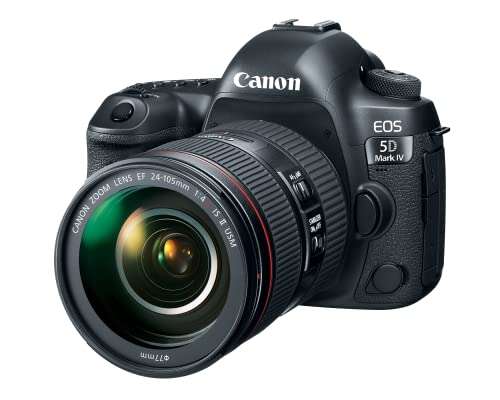
• Digital single-lens reflex cameras, known as DSLRs
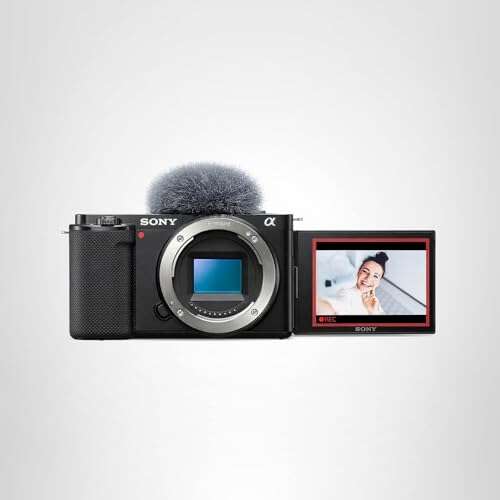
• Mirrorless interchangeable-lens cameras
• Bridge cameras with large zoom ranges
• Action cameras
• Some webcams and specialty cameras
A digi cam does not need film, a darkroom, or chemical processing. This made photography faster and more affordable for everyday users.
How Does a Digi Cam Work?
Understanding how a digi cam works becomes easier when you follow the path of light. The process starts when light enters through the lens. The lens focuses that light onto the image sensor inside the camera.
Most digital cameras use either a CMOS or CCD sensor. CMOS sensors are common because they use less power and support fast shooting. CCD sensors were widely used in older digi cams and were known for producing clean images, although they often used more battery power.
The camera performs several steps:
-
The lens focuses light on the sensor.
-
The sensor changes light into electrical signals.
-
The camera processor reads those signals.
-
The processor adjusts color, brightness, sharpness, and noise.
-
The camera saves the photo to internal storage or a memory card.
The sensor contains millions of tiny light-sensitive areas called pixels. More pixels can create more detail, but resolution is not the only factor that affects image quality. Sensor size, lens quality, lighting, focus, and image processing also matter.
A digi cam may offer automatic modes for beginners. These modes choose settings such as shutter speed, aperture, ISO, and white balance. More advanced cameras let you control these settings yourself.
Key camera settings
• Shutter speed controls how long the sensor records light. Fast speeds freeze motion.
• Aperture controls how much light enters through the lens. It also affects background blur.
• ISO controls the sensor’s light sensitivity. High ISO helps in dark scenes but can add grain or digital noise.
• White balance keeps colors looking natural under different types of light.
• Autofocus adjusts the lens so the subject looks sharp.

Main Types of Digi Cams
Not every digi cam is designed for the same job. Some are made for quick snapshots, while others give photographers full creative control.
Compact point-and-shoot cameras
Compact cameras are small, light, and simple to use. They usually have a built-in lens and automatic settings. Many older models became popular because people could carry them in a pocket or small bag.
A compact digi cam may be a good choice for:
• Family events
• Travel photos
• Everyday snapshots
• Retro-style photography
• Children who are learning to use a camera
Some compact models have optical zoom. Optical zoom changes the lens position to make a distant subject look closer. Digital zoom simply enlarges the image and may reduce detail.
DSLR cameras
A DSLR uses a mirror system and an optical viewfinder. It usually supports interchangeable lenses, which lets photographers choose wide-angle, portrait, macro, or telephoto lenses.
DSLR cameras often provide:
• Large image sensors
• Strong image quality
• Manual controls
• Long battery life
• A wide range of lenses and accessories
They are larger than compact digi cams, but many photographers still value their control and reliability.
Mirrorless cameras
A mirrorless camera does not use the internal mirror found in a DSLR. Light reaches the sensor all the time, and the camera displays the image through an electronic viewfinder or screen.
Mirrorless digi cams are often smaller than DSLRs. They can also offer fast autofocus, silent shooting, and advanced video tools. Their main drawbacks may include shorter battery life and a higher price for lenses and accessories.