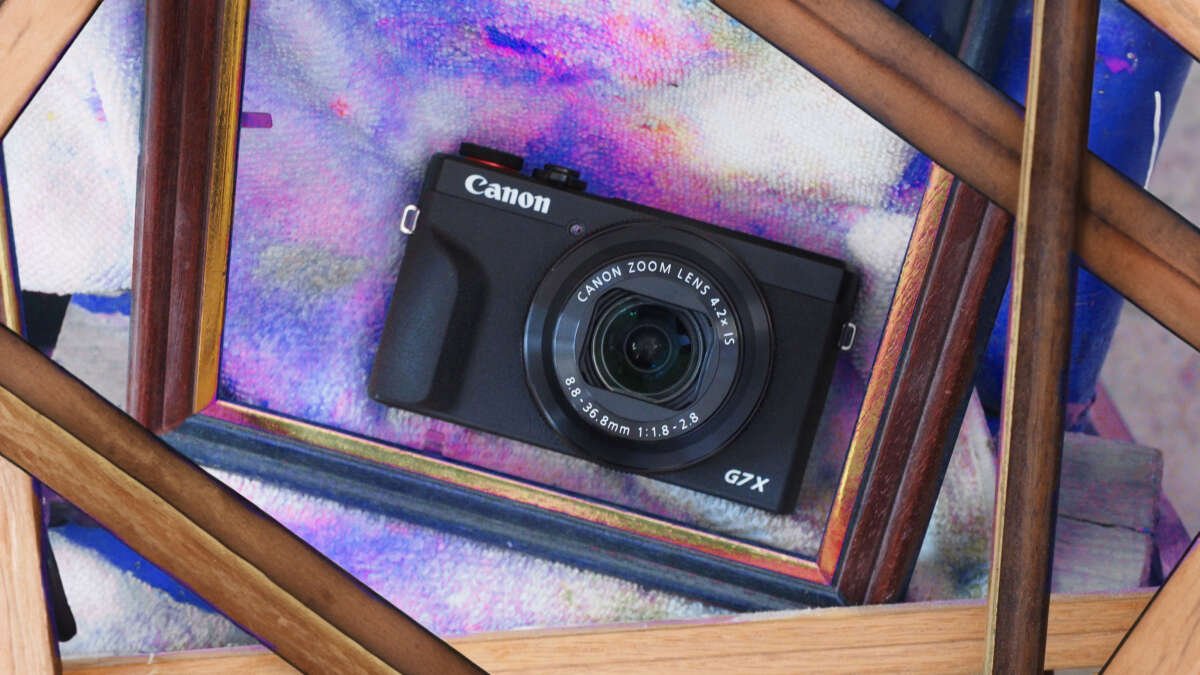
Digital cameras are popular because they offer instant results, high quality, easy storage, and creative control.
Digital cameras remain popular because they make photography fast, flexible, and enjoyable. Unlike film cameras, they let you review each shot, change settings, and share photos within seconds. From family trips to professional work, they fit many needs without the cost or delay of film processing.
I have found that the real appeal goes beyond convenience. Digital cameras give photographers more control than most phones, while offering better lenses, larger sensors, and stronger performance in difficult light. This guide explains why digital cameras are popular, where they work best, and what buyers should know before choosing one.
What Makes Digital Cameras Popular?
The simple answer is flexibility. Digital cameras turn light into digital data, which you can view, edit, store, print, or share. This process removes many limits linked to older film photography.
People choose digital cameras for several clear reasons:
- Instant image review after taking a photo
- Large memory cards that hold hundreds or thousands of images
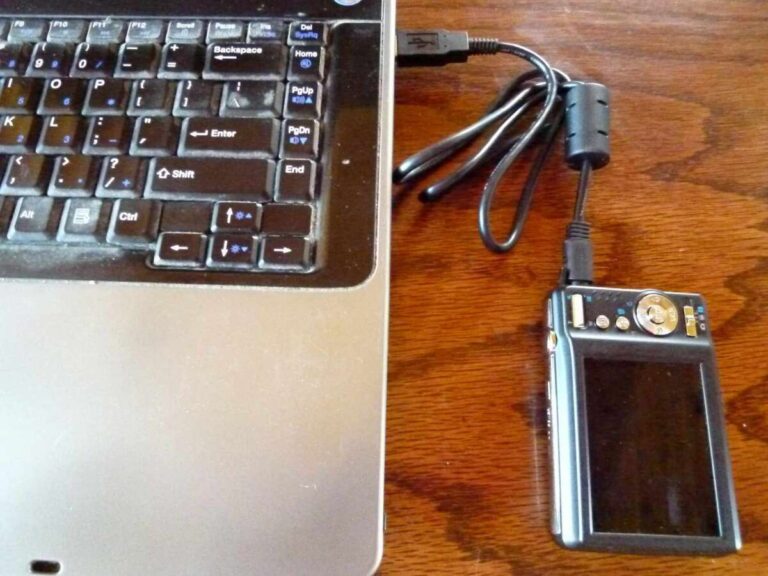
- Easy photo transfer to phones, computers, and cloud storage
- Strong image quality in many lighting conditions
- Manual control over focus, shutter speed, and exposure
- Interchangeable lenses on many advanced models
- Lower long-term costs than buying and developing film
- Simple editing with photo software and mobile apps
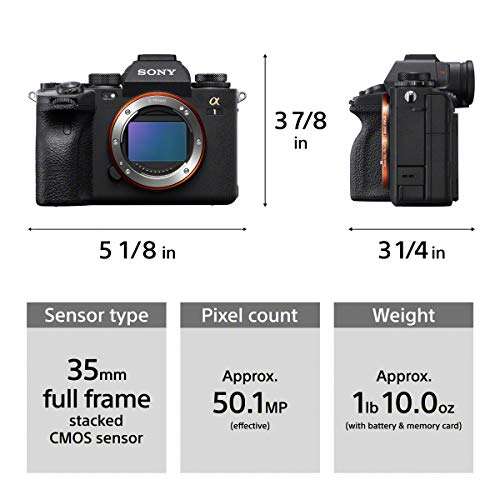
These benefits explain why digital cameras are popular with beginners, travelers, families, content creators, and professional photographers. A digital camera can be as simple as a small point-and-shoot model or as advanced as a full-frame mirrorless system.
The technology also keeps improving. Modern cameras often include fast autofocus, image stabilization, wireless transfer, 4K video, and subject detection. These tools help users take better pictures without needing years of technical training.
Instant Results Make Photography Easier
One of the biggest reasons why digital cameras are popular is instant feedback. After taking a picture, you can check the exposure, focus, and composition on the rear screen or electronic viewfinder.
This feature changes how people learn photography. If a photo is too dark, you can adjust the settings and try again. With film, you might wait days to see the result. By then, you may not remember what went wrong.
Instant review is also useful during important moments. At a wedding, for example, a photographer can quickly check group shots for closed eyes or missed faces. A parent can make sure a child’s birthday photo is sharp before moving on.
However, instant review should not become a distraction. I have often seen new photographers spend more time checking the screen than watching the scene. A better habit is to review a few key images, then stay present and keep shooting.
Digital cameras are popular partly because they make mistakes less expensive. You can delete an unwanted image at no cost and use that chance to improve.

Better Image Quality Than Many Phones
Smartphones are powerful cameras, but dedicated digital cameras still offer important advantages. The largest is often the image sensor.
A larger sensor can capture more light and produce cleaner images, especially indoors or at night. It can also create a softer background behind a subject. This effect, often called background blur or bokeh, helps portraits look more professional.
Digital cameras also support high-quality lenses. A 24mm lens can capture a wide landscape, while an 85mm lens can create a flattering portrait. A telephoto lens can bring distant wildlife or sports action closer.
Other image quality benefits include:
- Higher detail in many shooting conditions
- Better control over highlights and shadows
- More natural background separation
- Stronger low-light performance
- Less dependence on software sharpening
- Greater editing flexibility with RAW files
Computational photography has narrowed the gap between phones and cameras. Phones can combine several images and apply smart processing. Still, a dedicated camera usually gives the photographer more control over how the final image looks.
This is a major reason why digital cameras are popular among people who want images that feel less processed. The camera records more visual information, while the photographer decides how to use it.
Easy Storage, Editing, and Sharing
Film requires physical storage and careful handling. Digital photos need a memory card, a hard drive, or cloud storage. This makes digital photography more convenient for daily life.
A single memory card can hold thousands of photos. You can sort them by date, location, event, or subject. You can also create backups to protect important memories.
Digital files are easy to edit. Basic tools can crop an image, correct color, brighten shadows, or remove small distractions. More advanced software supports noise reduction, lens correction, masking, and professional color work.
Sharing is just as simple. A photographer can move images to a phone through Wi-Fi or Bluetooth, then post them online within minutes. Some cameras also connect directly to computers or tablets.
Still, digital storage has one serious weakness: files can be lost. A memory card may fail, or a hard drive may become damaged. Follow the 3-2-1 backup approach:
- Keep three copies of important files.
- Store them on at least two different types of media.
- Keep one copy in a separate place or trusted cloud service.
This practical habit protects photos from theft, device failure, and accidental deletion. It also helps explain why digital cameras are popular for people who want both creative freedom and organized archives.

Creative Control for New and Experienced Photographers
Digital cameras can work in automatic mode, but they also allow detailed manual control. This makes them useful for both beginners and experts.
The main exposure controls are:
- Aperture: Controls the lens opening and affects background blur.
- Shutter speed: Controls how long the sensor records light and affects motion.
- ISO: Controls sensor sensitivity and can brighten an image in low light.
Learning these controls can make photography feel less like guesswork. For example, a fast shutter speed can freeze a soccer player in motion. A slow shutter speed can show smooth movement in a waterfall. A wide aperture can separate a person from a busy background.
Most cameras also include helpful automatic modes. Face detection, eye autofocus, scene recognition, and automatic exposure can handle complex tasks in seconds. This lets a beginner focus on timing and composition first.
In my practical experience with camera settings, the best results often come from changing one control at a time. New users sometimes increase ISO, slow the shutter, and open the aperture all at once. That can create confusing results. Small changes make the learning process clearer.
This balance between automation and control is another reason why digital cameras are popular. Users can start simply and grow into more advanced techniques.
Digital Cameras Suit Many Types of Users
Digital cameras are popular because they serve many groups. Their value depends on what a person photographs and how much control they want.
Families and Casual Users
Families often use cameras for birthdays, vacations, school events, and holidays. A small camera can provide better zoom and handling than a phone, especially when photographing children from a distance.
Travelers
Travel photographers may prefer a lightweight mirrorless camera or compact model. A dedicated camera can offer optical zoom, long battery life, and better control in changing light.
Content Creators
Video creators often look for cameras with clear autofocus, external microphones, flip screens, and strong video quality. Interchangeable lenses can also help create different visual styles.
Wildlife and Sports Photographers
Wildlife and sports work requires fast autofocus, rapid burst shooting, and long lenses. These features are easier to find in dedicated camera systems than in basic phones.
Professionals
Professional photographers need dependable equipment, accurate color, fast operation, and high-resolution files. They may also need backup bodies, specialized lenses, and durable weather protection.
The wide range of models means buyers can choose based on budget, size, skill, and purpose. That broad appeal strongly affects why digital cameras are popular.
Digital Cameras Versus Film Cameras
Film photography has a special look and remains meaningful to many artists. It can encourage slow, careful shooting and create a physical object that feels personal. Yet digital cameras are more practical for most daily users.
Digital cameras offer:
- Instant feedback
- Easier retakes
- Lower cost per photo
- Simple file sharing
- Faster editing
- No chemical processing
- More control over exposure and color
Film can still produce beautiful results, but it requires film rolls, development, scanning, and physical storage. Costs can grow quickly for active photographers.
Digital cameras also reduce pressure during learning. A student can take several versions of the same scene and compare them later. This hands-on practice helps build skill faster.
Neither format is perfect. Digital files may feel less tangible, while film can be slow and costly. The right choice depends on the photographer’s goals. Still, for speed and convenience, digital cameras have a clear advantage.
Mirrorless, DSLR, and Compact Digital Cameras
Understanding camera types helps explain why digital cameras are popular across different price levels.
Mirrorless Cameras
Mirrorless cameras use an electronic viewfinder or screen instead of a traditional mirror system. They are often smaller than DSLRs and provide features such as eye detection, silent shooting, and real-time exposure previews.
They are popular with enthusiasts and professionals who want modern autofocus and interchangeable lenses.
DSLR Cameras
DSLR cameras use a mirror and optical viewfinder. They offer strong battery life, solid handling, and a large selection of used lenses. Many remain excellent choices, even though manufacturers now focus more on mirrorless systems.
Compact Cameras
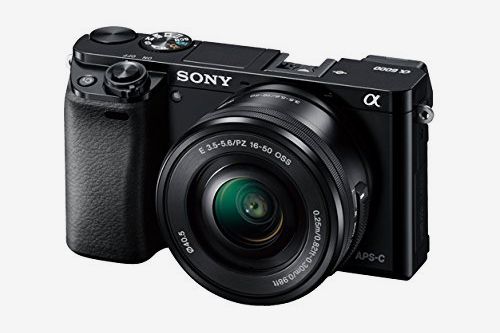
Compact cameras have fixed lenses and small bodies. They are easy to carry and simple to use. Premium compact models can offer larger sensors and better lenses than basic point-and-shoot cameras.
Bridge Cameras
Bridge cameras sit between compact models and interchangeable-lens cameras. They often include very long zoom ranges, making them useful for travel, nature, and outdoor events.
Choosing among these types depends on the intended use. A person who values portability may prefer a compact model. Someone who wants to grow as a photographer may choose a mirrorless or DSLR system.

Why Digital Cameras Are Still Popular Despite Smartphones
Smartphones have changed photography, but they have not made digital cameras useless. Instead, they have pushed camera makers to focus on strengths that phones cannot always match.
A phone is ideal for quick photos, social posts, and everyday convenience. A digital camera may be better when you need:
- A long optical zoom
- A large sensor
- Specialized lenses
- Fast action tracking
- Strong low-light detail
- Professional RAW files
- Reliable physical controls
- Better battery or handling for long shoots
The difference is similar to cooking with a pocket knife versus using a full kitchen. A phone is always ready, but a dedicated camera gives you more tools for a specific task.
This does not mean every person needs a digital camera. If a phone meets your needs, buying a camera may not add enough value. Digital cameras are popular because many users want capabilities that phones still struggle to provide.
Limitations to Consider Before Buying
A balanced answer to why digital cameras are popular should also discuss their weaknesses. Cameras can be powerful, but they are not always the easiest option.
Common limitations include:
- Higher upfront cost
- Extra expense for lenses and accessories
- Larger size and weight
- A steeper learning curve
- More steps for file transfer
- Battery charging during long trips
- The need for storage and backups
Accessories can increase the total cost. A camera bag, spare battery, memory cards, and a useful lens may cost as much as the camera body.
Many first-time buyers also choose a complicated model with features they never use. A simpler camera that fits your habits is often a smarter purchase than an advanced body that stays at home.
Before buying, consider these questions:
- Will I carry this camera often?
- Do I need interchangeable lenses?
- Will I edit RAW files?
- Do I mainly take photos, videos, or both?
- Is low-light quality important?
- What is my full budget, including lenses?
These questions help turn general interest into a practical decision.

How to Get More Value From a Digital Camera
You do not need expensive equipment to improve your photography. Good habits often matter more than a high price tag.
Start with these steps:
- Learn how autofocus modes work.
- Practice using aperture, shutter speed, and ISO.
- Take the same scene in different light.
- Review images on a larger screen.
- Keep your lenses clean.
- Format memory cards inside the camera.
- Back up important files soon after a shoot.
- Carry a spare battery for long sessions.
- Use a simple camera strap or bag.
- Study light before changing settings.
One mistake I often see is buying new gear before learning the current camera. More lenses can help, but better timing and stronger composition usually create a bigger improvement.
Try a small project. Photograph the same street at sunrise, noon, and sunset. Notice how the direction and color of light change. This simple exercise teaches more than reading a long list of specifications.
Digital cameras are popular partly because they reward practice. Each photo gives you information, and each mistake can become a useful lesson.

Frequently Asked Questions About Why Are Digital Cameras Popular
Why are digital cameras popular with beginners?
Digital cameras are popular with beginners because they offer automatic modes, instant feedback, and easy retakes. Users can start simply and learn manual controls over time.
Why are digital cameras better than film cameras for many users?
Digital cameras provide instant results, reusable storage, and lower costs per photo. They also make editing, sharing, and backing up images much easier.
Are digital cameras better than smartphones?
Digital cameras can be better for optical zoom, low-light work, fast action, interchangeable lenses, and manual control. Smartphones are often better for convenience, quick sharing, and always being available.
Why are mirrorless digital cameras popular?
Mirrorless cameras are popular because they combine compact bodies with advanced autofocus, electronic viewfinders, strong video features, and interchangeable lenses. Many models also show exposure changes in real time.
Do digital cameras require expensive accessories?
Not always. A basic camera, one suitable lens, a memory card, and a spare battery may be enough for many users, although professional work often requires more equipment.
Are digital cameras still worth buying?
Digital cameras are worth buying when you need better control, specialized lenses, stronger zoom, or higher image quality than your phone provides. The best choice depends on your goals, budget, and willingness to carry dedicated gear.
Conclusion
Digital cameras are popular because they combine image quality, speed, creative control, and easy storage. They let users review photos at once, use different lenses, edit files, and build skills through practice.
Smartphones remain excellent for quick snapshots, but dedicated cameras still have a clear role. They are valuable for travel, portraits, wildlife, sports, video, and anyone who wants more control over the final image.
Start by choosing equipment that matches your real habits, not just your wish list. Learn the basic controls, protect your files, and practice with the camera you own. Explore more photography guides, test different shooting styles, and share your favorite camera lessons in the comments.

Everett Ashford is a tech reviewer at mytechgrid.com specializing in SSDs, cameras, TVs, earbuds, headphones, and other consumer electronics. He provides honest, data-driven reviews based on hands-on testing and real-world performance analysis. Everett simplifies complex tech details to help readers make smart, confident buying decisions.