Most professional photographers use 24 to 61 megapixels, choosing resolution based on subject, print size, and workflow.
The question “how many megapixels do professional photographers use” has no single answer. A wedding photographer, commercial shooter, sports specialist, and fine art printer may all need different camera resolutions. In this guide, we will compare common megapixel ranges, explain when more resolution helps, and show how to choose the right camera without paying for pixels you will never use.
The Typical Megapixel Range for Professional Photographers
Most professional photographers use cameras between 24 and 61 megapixels. This range offers a strong balance between image detail, editing flexibility, storage needs, and camera performance.
For many working photographers, 24 megapixels is enough. A full-frame 24-megapixel camera can produce sharp images for websites, magazines, social media, albums, and medium-sized prints. It also keeps file sizes manageable during busy shoots.
Higher-resolution cameras are common in commercial, landscape, fashion, architecture, and studio photography. These cameras may offer 45, 50, 61, or more megapixels. They give photographers more room to crop and create large prints.
When asking how many megapixels do professional photographers use, consider these common ranges:
• 20 to 26 megapixels: Weddings, events, portraits, news, sports, and general commercial work
• 30 to 45 megapixels: Fashion, editorial, travel, product, and detailed portrait photography
• 50 to 61 megapixels: Landscape, architecture, fine art, advertising, and large-format printing
• 100 megapixels or more: Specialized medium-format studio, product, and fine art work
More megapixels do not automatically create better photographs. Lens quality, lighting, focus, camera technique, dynamic range, and the photographer’s skill often matter just as much.
Why 24 Megapixels Is Still Popular
A 24-megapixel camera is one of the most practical choices for professional work. It produces files with enough detail for most uses while keeping storage and computer demands under control.
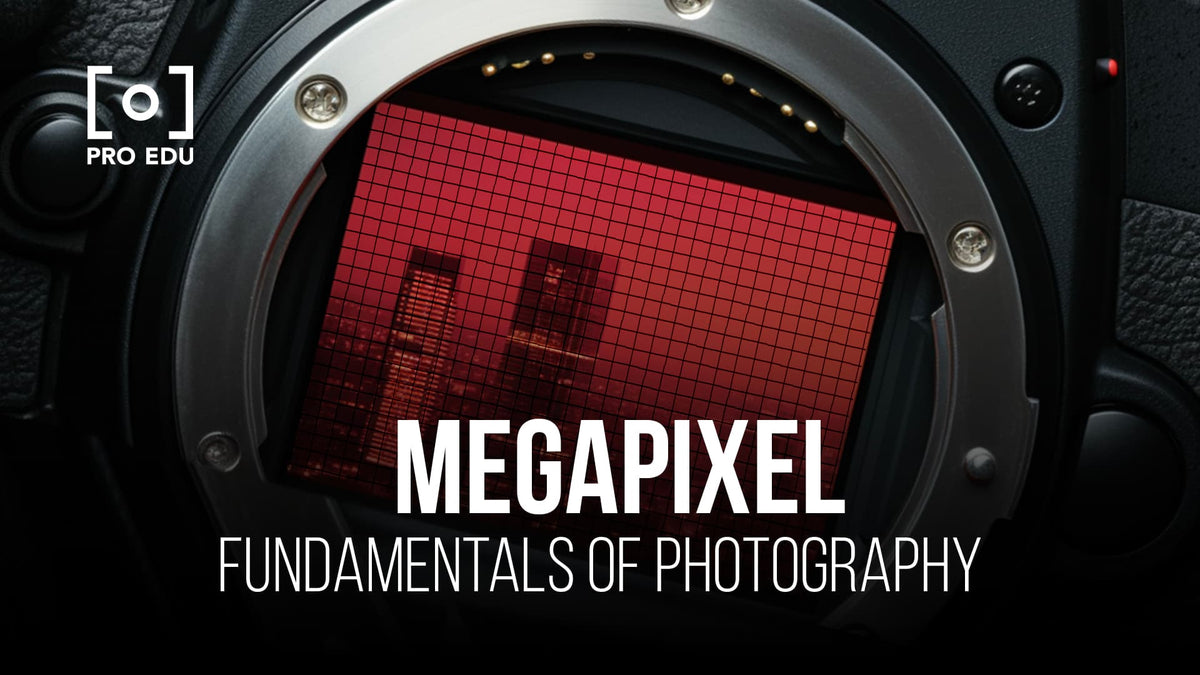
A 24-megapixel full-frame image usually measures about 6,000 by 4,000 pixels. That is enough for a high-quality 12-by-18-inch print at 300 pixels per inch. It can also support larger prints when viewed from a normal distance.
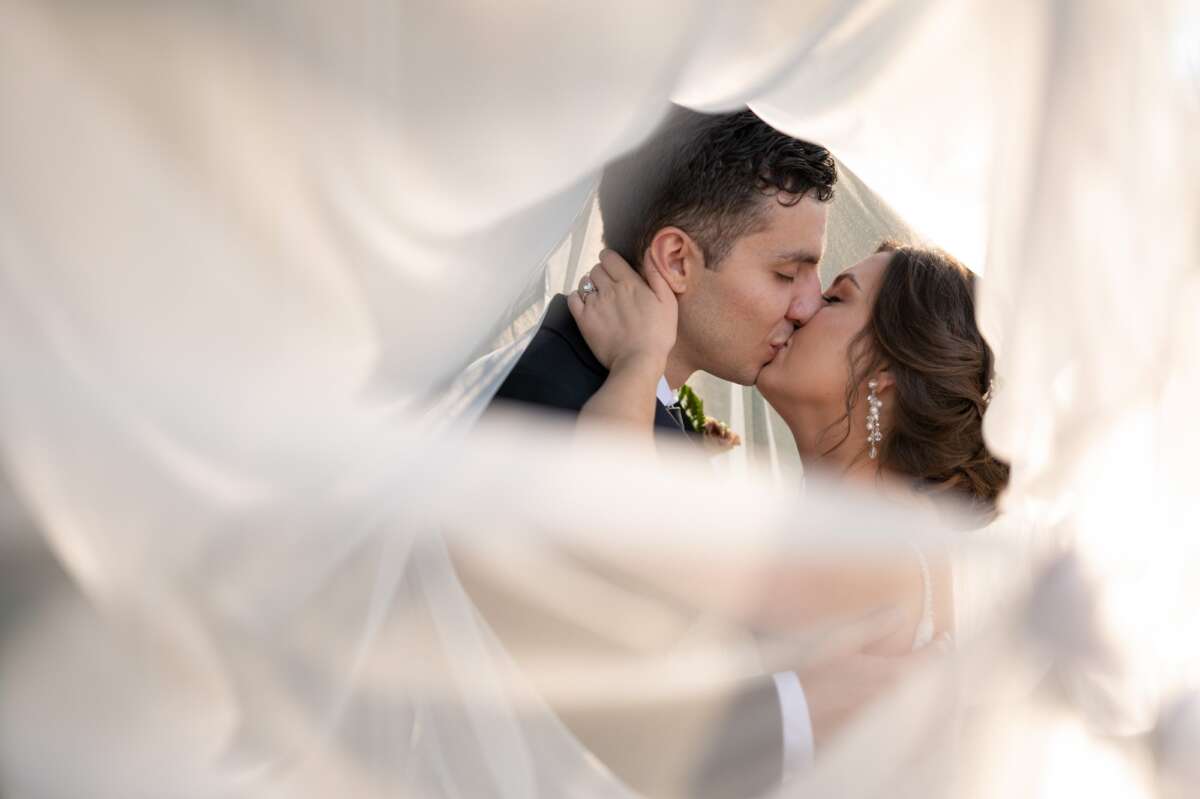
Wedding photographers often prefer this range because they may capture thousands of images at one event. Smaller files transfer faster, require less backup space, and make culling more efficient.
A 24-megapixel camera also performs well in low light. Each pixel can be larger than the pixels on a higher-resolution sensor of the same size. This can help reduce noise, although sensor design and image processing are also important.
For people asking how many megapixels do professional photographers use for weddings, portraits, or events, 24 megapixels is a dependable answer.
When Professional Photographers Choose 45 to 61 Megapixels
Photographers choose 45 to 61 megapixels when detail and cropping matter more than speed and storage. A high-resolution image gives you more pixels to work with after the photo is taken.
This can be useful when:
• The subject is far away
• The final image will be printed very large
• The client may crop the image for several layouts
• The photograph contains fine textures
• The work involves architecture, products, or landscapes
For example, a 61-megapixel full-frame camera may produce an image close to 9,500 by 6,300 pixels. This provides more freedom to crop a horizontal image into a vertical version while keeping useful detail.
High resolution is also helpful for commercial clients. A single photograph may appear on a billboard, product page, brochure, magazine cover, and social media post. More pixels give the client greater flexibility.
However, high-resolution files need more storage and processing power. They also reveal small mistakes. Soft focus, camera shake, dirty lenses, and poor technique become easier to see.
This is a key lesson when considering how many megapixels do professional photographers use: they often choose resolution based on the client’s output, not just the camera’s specifications.
Megapixels by Type of Professional Photography
The best megapixel count depends heavily on the assignment. There is no universal professional camera because each field has different demands.
Wedding and Event Photography
Wedding and event photographers commonly use 24 to 45 megapixels. This range supports large album prints and allows modest cropping without creating huge files.
Speed is often more important than maximum resolution. Autofocus, high ISO quality, battery life, dual card slots, and reliable performance may have a greater effect on the final job.
Portrait Photography
Portrait photographers often use 24 to 61 megapixels. Studio photographers may prefer high resolution for skin detail, clothing texture, and large prints.
Lifestyle and family portrait photographers may choose 24 or 33 megapixels. These cameras provide excellent quality while making sessions easier to manage.
Landscape Photography
Landscape photographers often use 36 to 61 megapixels. Extra resolution helps capture grass, rocks, leaves, distant mountains, and other fine details.
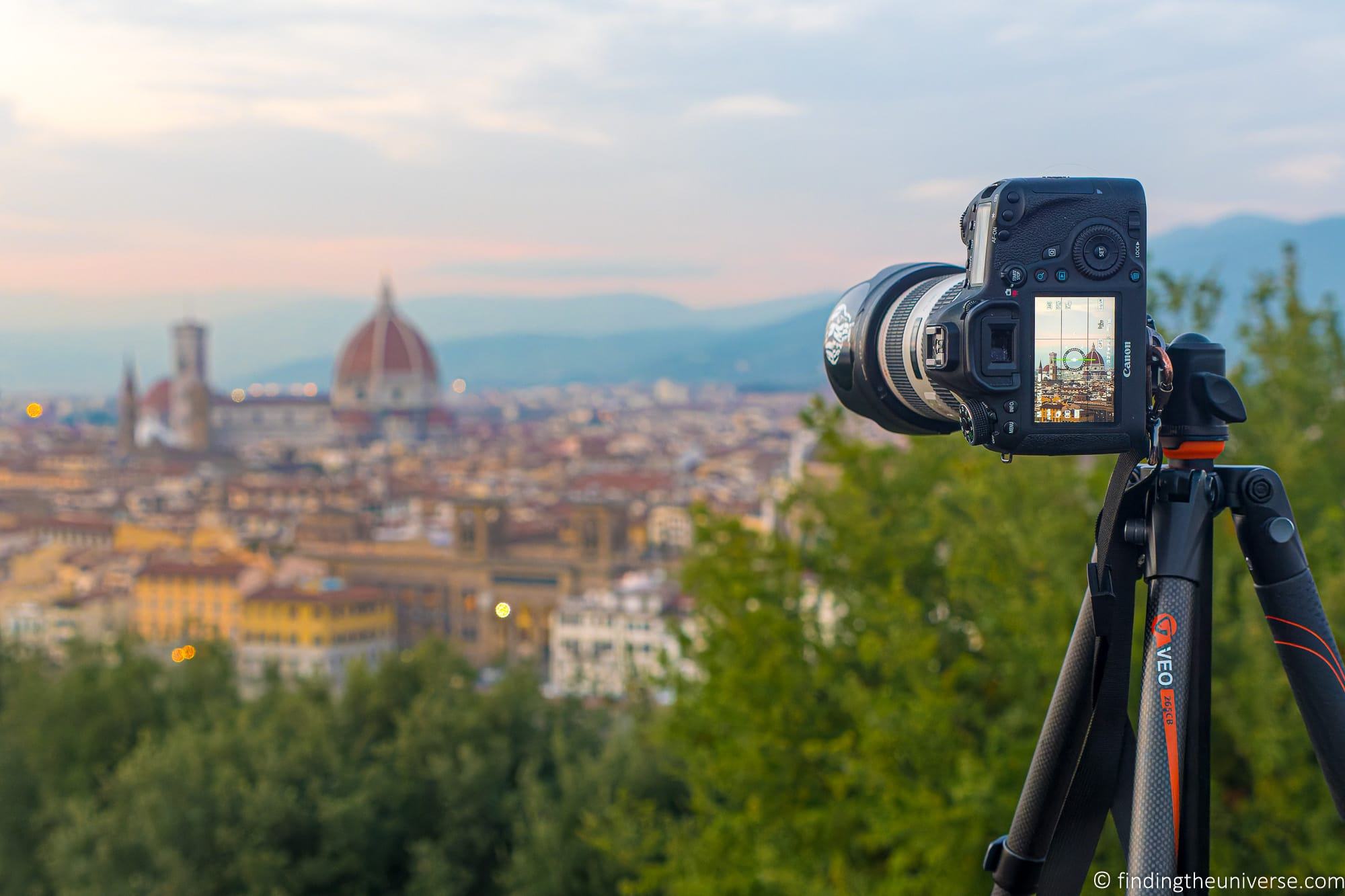
A tripod, careful focusing, and a high-quality lens are still essential. A high-megapixel sensor cannot fix movement caused by wind or a slow shutter speed.
Commercial and Product Photography
Commercial photographers may use 45 to 100 megapixels, especially for products, advertising, catalogs, and artwork reproduction.
Clients may need to enlarge small details or reuse images in many formats. In this field, resolution can directly affect the value of the final file.
Sports and Wildlife Photography
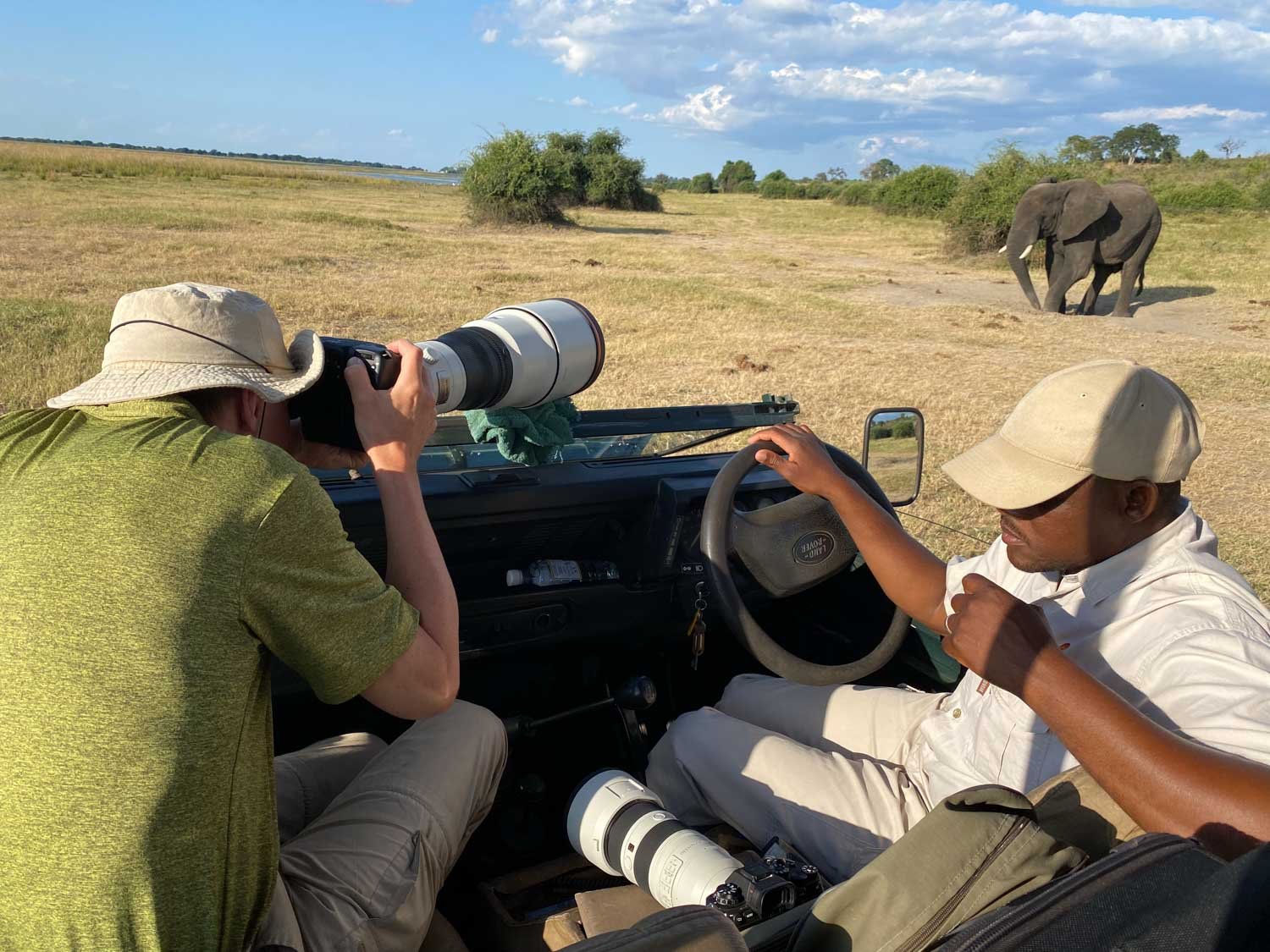
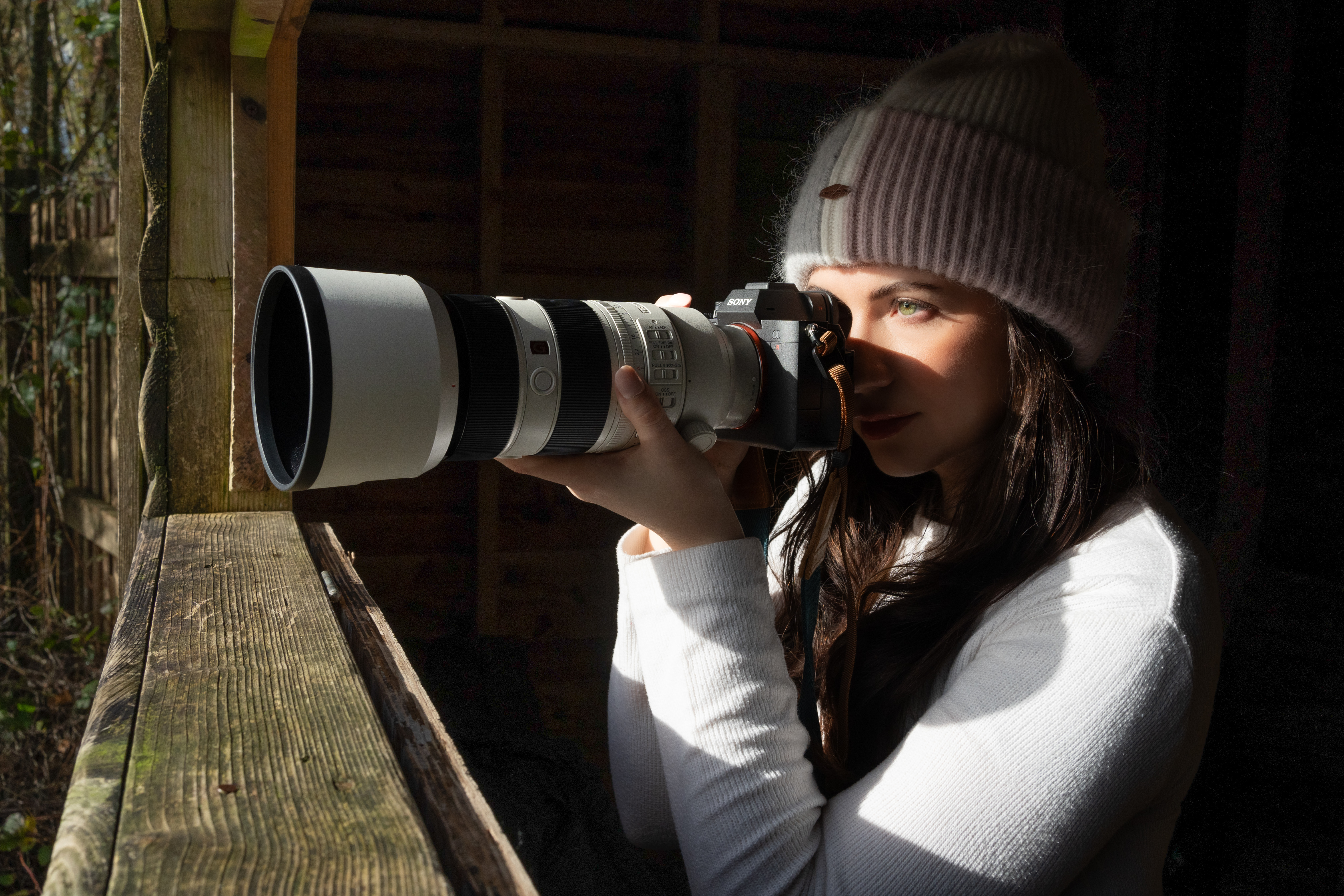
Sports and wildlife photographers often use 20 to 45 megapixels. A fast frame rate, strong autofocus, low-light performance, and a long lens usually matter more than maximum resolution.
Still, extra pixels can help when the subject is distant. The trade-off is larger files and potentially slower workflows.
Real Estate and Architecture Photography
Real estate photographers often work well with 24 to 45 megapixels. Dynamic range, wide-angle lens quality, and perspective control are usually more important than extreme resolution.
Architectural photographers may choose higher-resolution cameras for detailed commercial projects, large prints, and precise building documentation.
How Print Size Affects Megapixel Needs
Print size is one of the clearest ways to understand how many megapixels do professional photographers use. The larger the print, the more image data you may need.
A common high-quality print standard is 300 pixels per inch, often written as 300 PPI. At that setting, approximate image requirements look like this:
• 8 by 10 inches: About 7 megapixels
• 11 by 14 inches: About 17 megapixels
• 16 by 20 inches: About 29 megapixels
• 24 by 36 inches: About 52 megapixels
These figures are useful guides, not strict rules. Large wall prints are often viewed from several feet away. Because of this, they may look excellent at 150 to 200 PPI.
A 24-megapixel image can produce an impressive large print when it is sharp, well exposed, and processed carefully. Viewing distance, paper type, lighting, and image content all affect perceived quality.
For online work, megapixel needs are much lower. A website image may be displayed at 2,000 pixels on its longest side. A modern professional camera gives you far more resolution than most screens can show.
Does More Resolution Mean Better Image Quality?
More resolution means more recorded detail, but it does not guarantee a better photograph. Image quality has several parts, and megapixels represent only one of them.
Important factors include:
• Lens sharpness
• Sensor size
• Dynamic range
• Color accuracy
• Autofocus performance
• Low-light performance
• Camera stability
• Lighting quality
• Editing skill
A blurry 61-megapixel image is still blurry. A sharp 24-megapixel image may look better because the detail is clear and the file is processed well.
High-resolution cameras also demand better technique. Small movements are easier to see, especially when the image is viewed at 100 percent on a monitor. A tripod, faster shutter speed, proper focus, and good lenses become more important.
This is why professionals do not simply buy the camera with the highest megapixel count. They match the camera to the subject, assignment, and delivery needs.
The Benefits of Using More Megapixels
High-resolution cameras provide several practical benefits. These benefits matter most when the photographer has a clear reason to use them.
More Cropping Freedom
Extra pixels allow you to crop an image while keeping enough resolution for the final use. This is helpful in wildlife, sports, editorial, and commercial photography.
For example, a 61-megapixel image may allow a strong crop while still producing a detailed magazine image. A 24-megapixel image may offer less room for the same crop.
Larger Prints
More megapixels can support large prints with strong detail. This is valuable for galleries, exhibitions, corporate offices, hotels, and advertising displays.
Flexible Client Deliverables
A high-resolution master file can be adapted for many purposes. The same image may be used on a website, in a brochure, on packaging, and in a large display.
Better Detail for Some Subjects
Fine textures can benefit from additional resolution. Fabrics, jewelry, artwork, architecture, and natural landscapes may show more subtle detail with a high-megapixel sensor.
The Limits and Costs of High-Megapixel Cameras
High resolution comes with trade-offs. A professional photographer must consider the entire workflow, not just image detail.
Large files can fill memory cards and hard drives quickly. They may also take longer to copy, preview, back up, and edit. Cloud storage and backup systems can become more expensive.
High-megapixel cameras can expose technical mistakes. Slight camera shake may be visible, and inexpensive lenses may not resolve enough detail to use the sensor fully.
Other possible drawbacks include:
• Slower editing on older computers
• Longer transfer times
• Greater storage costs
• More demanding lens requirements
• Increased need for careful focus
• Potentially slower burst shooting
• Larger backup files
A high-resolution camera is also not always ideal for fast action. A lower-resolution model may offer faster readout, smaller files, and a smoother shooting experience.
When deciding how many megapixels do professional photographers use, remember that efficiency has real financial value. Time spent managing files is part of the cost of a photography business.

Megapixels, Sensor Size, and Image Dimensions
Megapixels describe the number of pixels in an image. They do not describe the physical size of the camera sensor.
A 24-megapixel full-frame camera and a 24-megapixel APS-C camera have the same total pixel count. However, the full-frame sensor has larger physical dimensions. This can affect field of view, depth of field, and low-light performance.
Medium-format cameras may offer more megapixels and a larger sensor. They are popular in some commercial, fashion, studio, and fine art fields because they can produce highly detailed files with distinctive image quality.
Still, sensor size should not be confused with resolution. A larger sensor does not always have more megapixels, and more megapixels do not always mean a larger sensor.
The best choice depends on the complete system, including lenses, lighting, autofocus, software, and the photographer’s preferred workflow.
How to Choose the Right Megapixel Count
Choosing a camera becomes easier when you begin with the final use of your images. Ask what your clients need rather than focusing only on the largest specification.
Use this simple process:
-
Identify your main subjects. Decide whether you photograph people, products, landscapes, sports, wildlife, or events.
-
Check your typical output. Consider websites, social media, albums, magazines, posters, billboards, or gallery prints.
-
Estimate your cropping needs. If you often crop heavily, more resolution may help.
-
Consider your computer and storage. Make sure your system can handle large RAW files.
-
Review your lenses. High resolution works best with sharp, well-corrected lenses.
-
Compare other features. Look at autofocus, dynamic range, low-light performance, burst speed, stabilization, and reliability.
-
Rent before buying. A short real-world test can reveal whether the file size and camera handling suit your work.
For many photographers, 24 to 33 megapixels is the practical middle ground. Move toward 45 to 61 megapixels when large prints, detailed subjects, or heavy cropping are regular parts of the job.
Common Mistakes to Avoid
Many new photographers assume that buying more megapixels will solve every image-quality problem. That belief can lead to unnecessary spending.
Avoid these mistakes:
• Buying a high-megapixel camera without upgrading weak lenses
• Ignoring autofocus and low-light performance
• Forgetting the cost of storage and backups
• Choosing resolution without considering print size
• Viewing every image at extreme magnification
• Assuming more megapixels will fix poor focus
• Using a slow shutter speed with a highly detailed sensor
A camera is a tool, not a substitute for technique. Good light, strong composition, accurate focus, and thoughtful editing usually create a bigger improvement than moving from 24 to 50 megapixels.
A useful field lesson is to test your complete workflow. Photograph a real subject, edit a large batch, export client files, make a print, and check your storage use. This reveals more than a specification sheet.
What Professional Photographers Actually Prioritize
When professionals select a camera, megapixels are only one part of the decision. Many prioritize reliability because a missed image cannot be recreated.
Other important features include:
• Accurate and dependable autofocus
• Strong performance at high ISO settings
• Wide dynamic range
• Good battery life
• Dual memory card slots
• Weather sealing
• Comfortable controls
• Effective image stabilization
• Fast and reliable file transfer
• A complete lens system
For a wedding photographer, dependable autofocus and dual card slots may matter more than 20 additional megapixels. For a commercial studio photographer, resolution and color accuracy may be the top priorities.
The answer to how many megapixels do professional photographers use changes by profession because professional photography is not one single job. The right camera is the one that meets the assignment and supports a reliable business workflow.
Frequently Asked Questions About How Many Megapixels Do Professional Photographers Use
Is 24 megapixels enough for professional photography?
Yes, 24 megapixels is enough for many professional jobs, including weddings, portraits, events, sports, and online commercial work. It can also produce high-quality medium and large prints when the image is sharp and well processed.
Do professional photographers use 50 megapixels?
Some professionals use 50-megapixel or higher cameras for landscapes, architecture, studio work, product photography, and fine art. Others prefer 24 to 33 megapixels because smaller files make fast shooting and editing easier.
Are more megapixels better for portraits?
More megapixels can help with large prints and detailed studio portraits, but they are not always better. Lighting, lens quality, focus, skin detail, and retouching often have a greater effect on the finished portrait.
How many megapixels are needed for a billboard?
The exact need depends on billboard size and viewing distance. Large advertisements are often printed at a lower resolution because viewers stand far away, so a well-made 24-megapixel image may work for many billboard applications.
Do megapixels matter for social media photography?
Megapixels matter less for social media because platforms resize images for display. A modern camera with 20 or more megapixels usually provides much more resolution than needed for most online posts.
What megapixel count is best for wedding photography?
A range of 24 to 45 megapixels works well for wedding photography. Fast autofocus, low-light quality, battery life, dual card slots, and a manageable file size are often more important than maximum resolution.
Can a 24-megapixel camera make large prints?
Yes, a 24-megapixel camera can make large prints, especially when the image is sharp and viewed from a normal distance. Careful upscaling and proper sharpening can also improve the result.
Conclusion
Professional photographers commonly use 24 to 61 megapixels, while specialized studio and medium-format systems may go beyond 100 megapixels. The right choice depends on the subject, print size, cropping needs, camera speed, storage capacity, and client requirements.
For many photographers, 24 megapixels remains an excellent professional standard. Choose more resolution when you regularly create large prints, crop heavily, or photograph highly detailed subjects. Before buying, test the full workflow and compare the camera’s real benefits with its added cost.
Use your next photography project to measure what you truly need. Explore more camera guides, test a rental body, and share your experience with megapixel choices in the comments.

Everett Ashford is a tech reviewer at mytechgrid.com specializing in SSDs, cameras, TVs, earbuds, headphones, and other consumer electronics. He provides honest, data-driven reviews based on hands-on testing and real-world performance analysis. Everett simplifies complex tech details to help readers make smart, confident buying decisions.