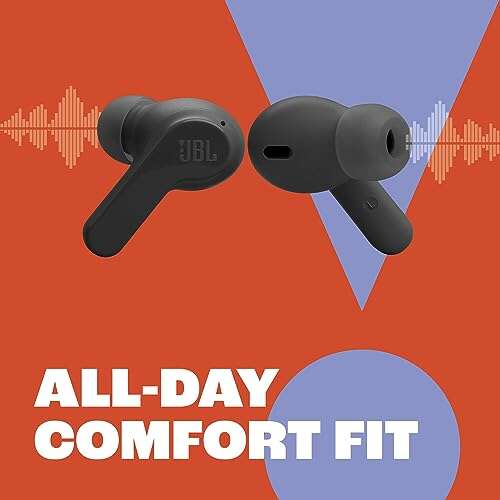
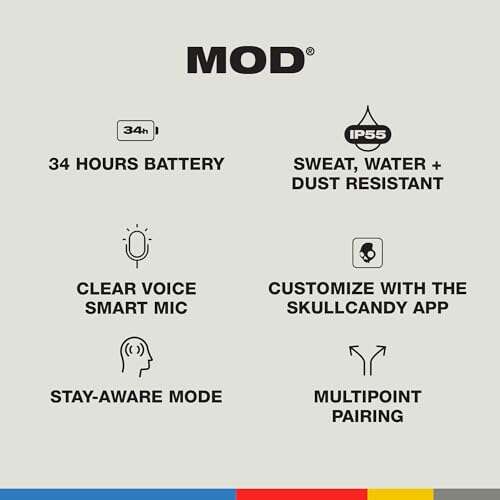
Small ear tips, a shallow angle, and a gentle twist usually make earbuds fit securely and comfortably.
Learning how to fit earbuds in small ears is mostly about choosing the right tip, using the correct angle, and avoiding too much pressure. This guide explains practical fitting steps, comfort checks, common mistakes, and the features that make earbuds easier to wear all day.
Why earbuds feel uncomfortable in small ears
Earbuds often feel too large because the ear canal opening is smaller than the earbud nozzle or silicone tip. The outer ear may also have less space for the earbud body, which can create pressure on the concha, tragus, or antihelix.
A poor fit can cause more than discomfort. It may lead to:
• Ear pain or soreness
• A loose seal and weak bass
• Earbuds that fall out during movement
• Sound leakage
• The need to raise the volume
• Skin irritation after long use
The goal is not to push earbuds deep into the ear. A good fit should feel stable while resting lightly in the ear. The earbud should form a seal without blocking the ear canal with force.
People with small ears often need to think of an earbud like a small shoe. Even a high-quality model can feel wrong if its shape does not match your ear.

How to fit earbuds in small ears step by step
Follow these steps when learning how to fit earbuds in small ears. Take your time, and test one ear at a time because your left and right ears may not be the same size.
1. Start with the smallest ear tips
Most in-ear earbuds include small, medium, and large silicone tips. Start with the smallest pair, even if you usually wear medium tips.
The tip should sit inside the ear canal opening without stretching the skin. If the tip feels tight before you insert it, it is probably too large.
Foam tips can also help. They compress before insertion and expand inside the canal. However, foam may feel warmer and may need more frequent replacement.
2. Identify the left and right earbud
Place the left earbud in your left ear and the right earbud in your right ear. This sounds simple, but the angled shape of many earbuds depends on the correct side.
Hold the earbud so the nozzle points slightly forward and down. Do not push it straight inward if that causes pressure.
3. Pull the outer ear gently
Use one hand to pull the top of your ear slightly upward and backward. With the other hand, insert the earbud at a shallow angle.
This briefly straightens the ear canal. Release your ear once the earbud is in place, then allow the tip to settle.
4. Twist instead of pushing
A small twisting motion often works better than force. Turn the earbud slightly backward or forward until the tip seals and the outer shell rests comfortably.
When considering how to fit earbuds in small ears, remember this rule: gentle rotation creates stability, while hard pushing creates pain.
5. Check the seal
play a familiar song or podcast at a low volume. Your voice may sound slightly deeper when the seal is correct. Outside noise should become quieter, but your ear should not feel painfully blocked.
Try speaking, smiling, and opening your mouth. If the earbud shifts at once, test a different tip size or angle.

How to choose ear tips for small ears
The correct ear tip can make more difference than the earbud itself. Tip size, shape, material, and length all affect comfort.
Silicone tips
Silicone tips are easy to clean and work well for many users. They come in several sizes and shapes.
For small ears, look for:
• Extra-small or petite tips
• Short-nozzle tips
• Narrow-bore tips
• Soft silicone
• Oval or tapered designs
A narrow tip may fit better than a wide, round tip. Some brands sell replacement tips in multiple sizes, which can help if the included options are too large.
Foam tips
Foam tips compress when squeezed. After insertion, they slowly expand to fill the ear canal.
They can provide a strong seal, but they are not ideal for everyone. Foam may feel warm, reduce awareness of nearby sounds, or require more care. Replace foam tips when they become dirty, loose, or difficult to compress.
Double-flange and triple-flange tips
Multi-flange tips create more than one contact point in the ear canal. They may improve stability, but they can feel too deep for people with sensitive or very small ear canals.
Use them only if they feel comfortable. A strong seal is not useful if it causes soreness.
Test one size in each ear
It is normal for one ear to need a different tip size. For example, you may use an extra-small tip on the left and a small tip on the right.
This is one of the most useful lessons when learning how to fit earbuds in small ears. Do not assume both ears have identical shapes.

Choose earbuds designed for small ears
Some earbuds are easier to wear because of their shape, not just their tip size. If your current pair hurts, replacing it may be more effective than changing your technique.
Look for these design features:
• A compact earbud body
• A short nozzle
• A low-profile outer shell
• Light weight
• Adjustable ear fins
• Small charging case dimensions
• Multiple ear tip sizes
• A secure but flexible housing
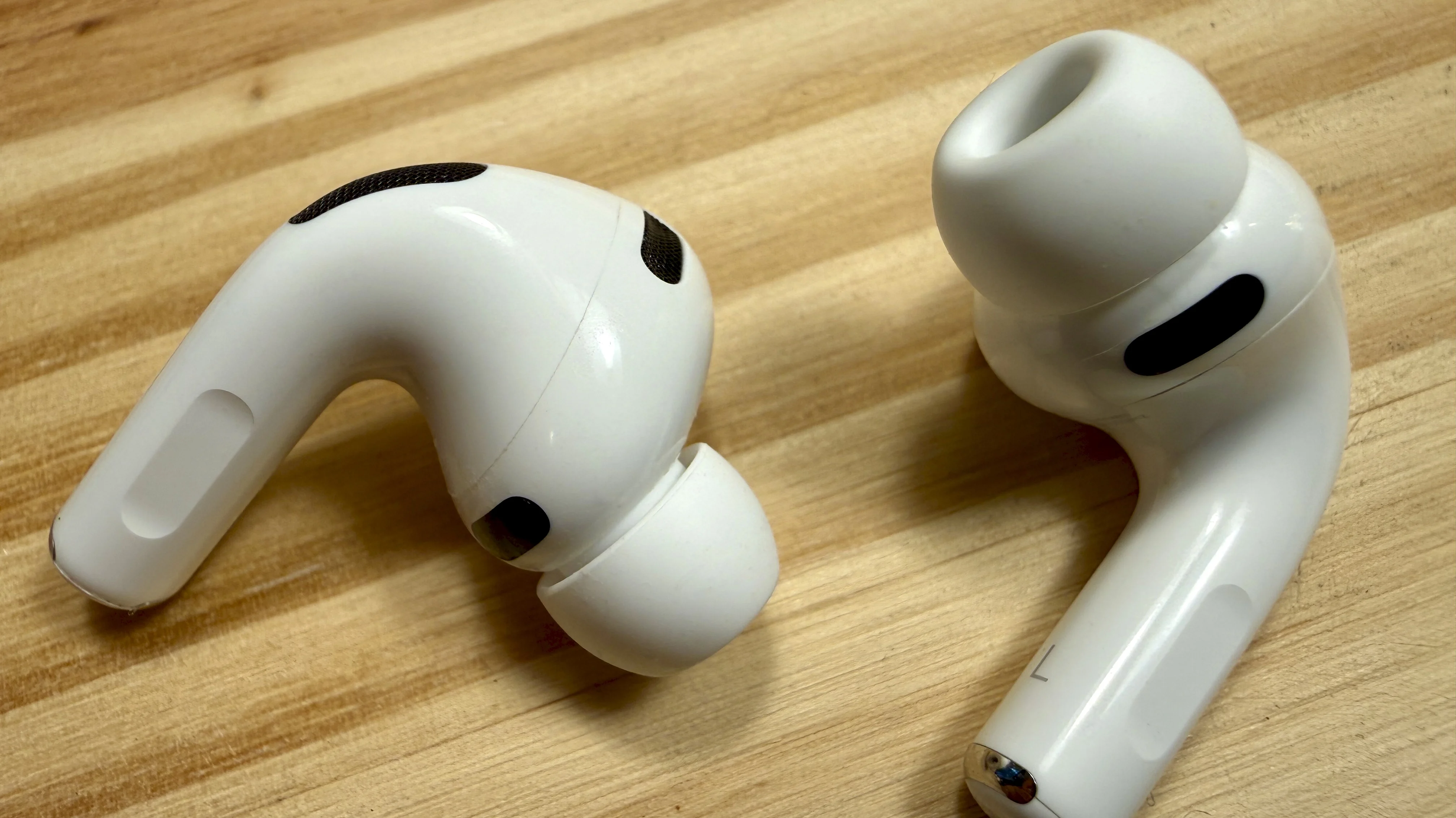
Earbuds with large touch panels or bulky batteries may press against the outer ear. Smaller models often reduce this pressure.
Open-fit earbuds can be comfortable because they do not enter the ear canal deeply. However, they usually provide less noise isolation and weaker bass than sealed in-ear models.
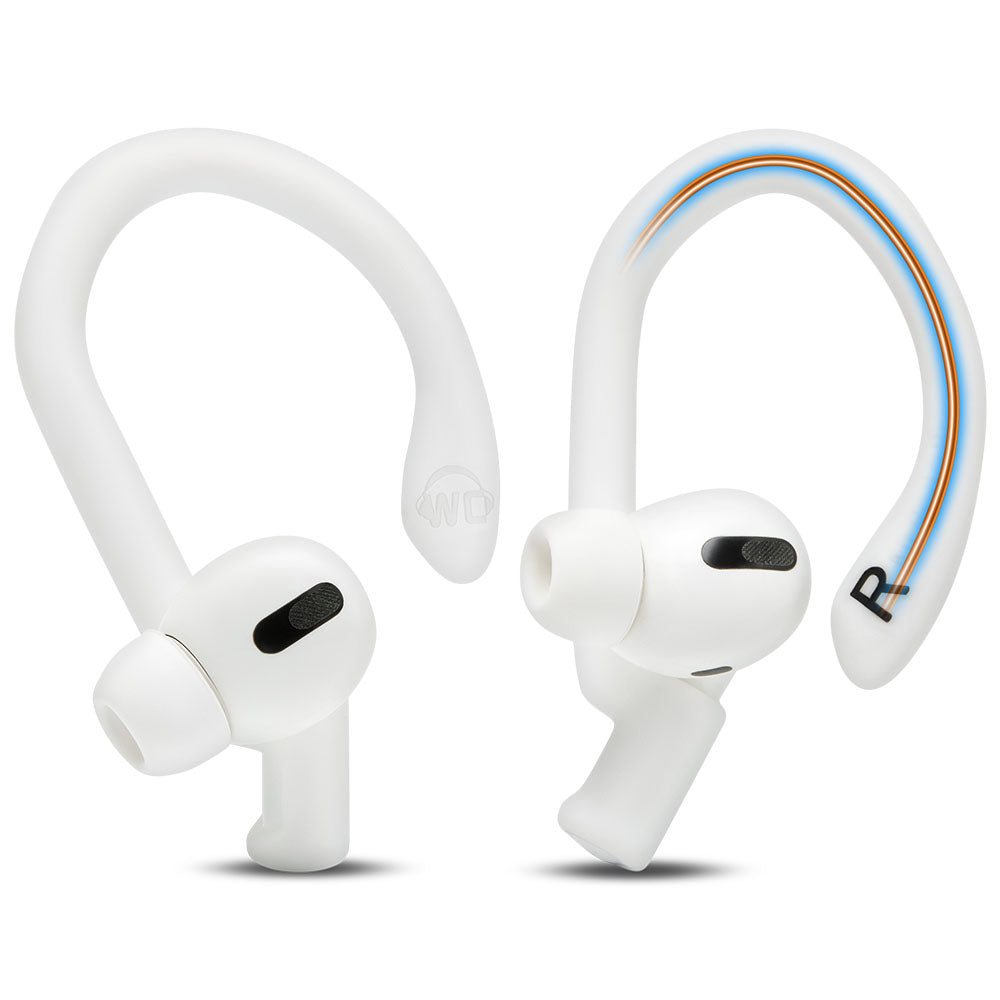
Ear hooks can improve stability during exercise. Yet a rigid hook may rub against a small ear, so choose a soft, flexible design.
When comparing products, do not rely only on the phrase “one size fits all.” Ears vary widely. Read reviews from people who mention small ears, comfort, tip sizes, and long listening sessions.
How to keep earbuds from falling out
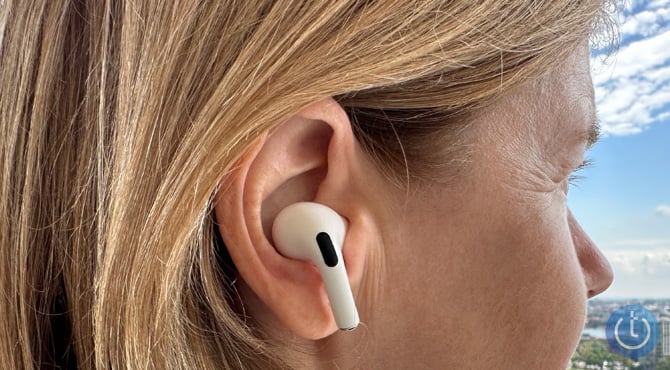
A secure fit depends on both the ear tip and the outer ear. If earbuds fall out, first check whether the tip is too small. A tip that does not seal may allow the earbud to move.
If the tip feels secure but the earbud body still shifts, try these methods:
- Clean the earbud and your skin. Oil and sweat can reduce grip.
- Insert the earbud with the nozzle angled toward the front of the ear.
- Rotate it slightly backward after insertion.
- Try a smaller tip if the earbud is being pushed out.
- Try ear fins or stabilizer wings if your model supports them.
- Use a sports model with a soft ear hook for running or gym workouts.
Do not place tape, glue, or other unsafe materials on earbuds. These products can irritate the skin or leave residue in the ear.
For exercise, sweat-resistant earbuds can help, but water resistance does not guarantee a secure fit. Movement still requires the correct ear tip and body shape.

How to improve sound without increasing pressure
A poor seal often makes music sound thin, especially in the bass range. Many people respond by raising the volume. This can make listening more tiring and may increase hearing risk over time.
Instead, improve the fit first. Insert the earbud again, test another tip, or adjust the angle. A proper seal should improve bass and reduce the need for high volume.
The World Health Organization recommends keeping personal listening devices at a safe volume and taking regular breaks. As a practical habit, keep the volume low enough to remain aware of nearby sounds when your environment allows it.
Active noise cancellation can reduce background noise, but it does not fix a painful or unstable fit. Noise cancellation works best when the ear tips already create a good seal.
Common mistakes when fitting earbuds in small ears
Many fitting problems come from using too much force or choosing a tip based only on habit.
Avoid these mistakes:
• Pushing the earbud as deep as possible
• Using large tips to stop the earbud from falling out
• Wearing the same tip size in both ears without testing
• Ignoring pain because the sound quality is good
• Cleaning earbuds with excess liquid
• Wearing earbuds for hours without breaks
• Turning up the volume to compensate for a poor seal
• Sleeping with rigid earbuds that press into the ear
Pain is not a normal part of the fitting process. Mild pressure may improve after a brief adjustment, but sharp pain, throbbing, or lasting soreness means you should remove the earbuds.
Earwax can also affect comfort and sound. Never insert cotton swabs deep into the ear canal. If you suspect impacted earwax, ask a health professional for safe treatment.
Comfort and safety checks
After fitting your earbuds, perform a short comfort test. Wear them for 10 to 15 minutes while sitting, walking, and moving your jaw.
Check for:
• Redness around the ear
• Tenderness inside the canal
• A blocked or painful feeling
• Itching or rash
• Pressure from the outer shell
• Earbuds loosening during movement
Remove the earbuds if discomfort increases. Clean the tips with a slightly damp cloth or follow the manufacturer’s cleaning instructions. Let them dry fully before use.
Earbuds can trap moisture, especially after exercise. Wipe them down and allow your ears to rest. If you notice drainage, significant pain, sudden hearing loss, or persistent ringing, stop using the earbuds and seek medical advice.
These checks are especially important when learning how to fit earbuds in small ears because a tight fit can hide early signs of irritation.

A simple fitting routine for daily use
A repeatable routine makes the process easier. Use this routine before work, travel, exercise, or long listening sessions.
- Wash and dry your hands.
- Check the earbuds for dirt, wax, or moisture.
- Select the smallest comfortable tips.
- Insert each earbud at a slight forward angle.
- Twist gently until the seal forms.
- Play audio at a low volume.
- Move your head and open your mouth.
- Adjust the tip or angle if the earbuds shift.
- Take breaks during long listening sessions.
- Clean and store the earbuds after use.
This routine takes less than a minute once it becomes familiar. It also prevents the common habit of forcing earbuds into place.

When to stop using earbuds
Most fitting issues can be solved with a new tip, a different angle, or a smaller earbud. Some problems, however, need professional attention.
Stop using the earbuds and consider medical advice if you experience:
• Ongoing ear pain
• Bleeding or fluid
• Sudden hearing changes
• Severe itching or swelling
• Ringing that does not fade
• Repeated skin irritation
• A feeling that something is stuck
Ear anatomy varies, and some people have narrow or unusually shaped canals. A hearing professional can recommend suitable ear tips, hearing protection, or alternative listening devices.
Even the best method for how to fit earbuds in small ears cannot overcome a device that does not match your anatomy.
How to fit earbuds in small ears: quick answers
Should earbuds hurt in small ears?
No. Earbuds may feel unfamiliar at first, but sharp pain, strong pressure, or lasting soreness is a sign of a poor fit. Try smaller tips, a different angle, or a more compact model.
Are foam tips better for small ears?
Foam tips can work well because they compress before insertion and expand gently. They may not suit people who dislike warmth, deep sealing, or regular replacement.
Why do my earbuds keep falling out?
The tips may be too small, oily, or poorly angled. Clean the earbuds, try another size, and rotate them slightly after insertion.
Can I use different ear tip sizes?
Yes. Your ears may have different canal widths, so one ear may need a smaller tip than the other. Fit each side for comfort and stability rather than trying to match them.
Are smaller earbuds safer for your ears?
Small earbuds are not automatically safer, but a comfortable fit can reduce pressure and the urge to raise the volume. Safe listening also requires moderate volume and regular breaks.
How deep should earbuds go?
Earbuds should sit securely at the ear canal opening without being forced deep inside. The tip should seal gently, and the outer body should not press painfully against the ear.
Conclusion
Learning how to fit earbuds in small ears starts with the smallest comfortable tips, a gentle insertion angle, and a light twisting motion. Test each ear separately, check the seal at low volume, and choose compact earbuds when the housing feels bulky.
Never treat pain as part of getting a secure fit. Give your ears breaks, keep the earbuds clean, and replace tips when they become worn. Try these steps with your current pair, then explore ear tips or earbuds made for smaller ears and share which adjustment works best for you.

Everett Ashford is a tech reviewer at mytechgrid.com specializing in SSDs, cameras, TVs, earbuds, headphones, and other consumer electronics. He provides honest, data-driven reviews based on hands-on testing and real-world performance analysis. Everett simplifies complex tech details to help readers make smart, confident buying decisions.