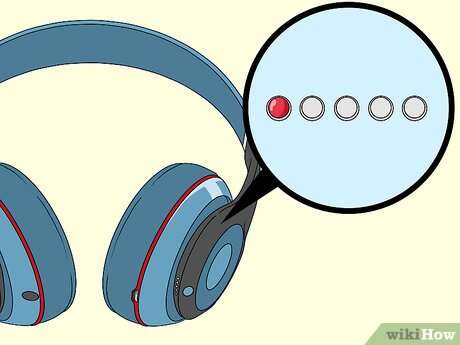

Ambient aware headphones let outside sounds in, so you can hear people, traffic, and alerts while listening.
If you have ever paused music to hear a station announcement or talk with a coworker, you have seen the value of ambient sound. The answer to “what is ambient aware headphones” lies in a simple mix of microphones, software, and speakers that blends nearby sounds with your audio. This guide explains how the feature works, where it helps, where it falls short, and how to use it safely.
What is ambient aware headphones technology?
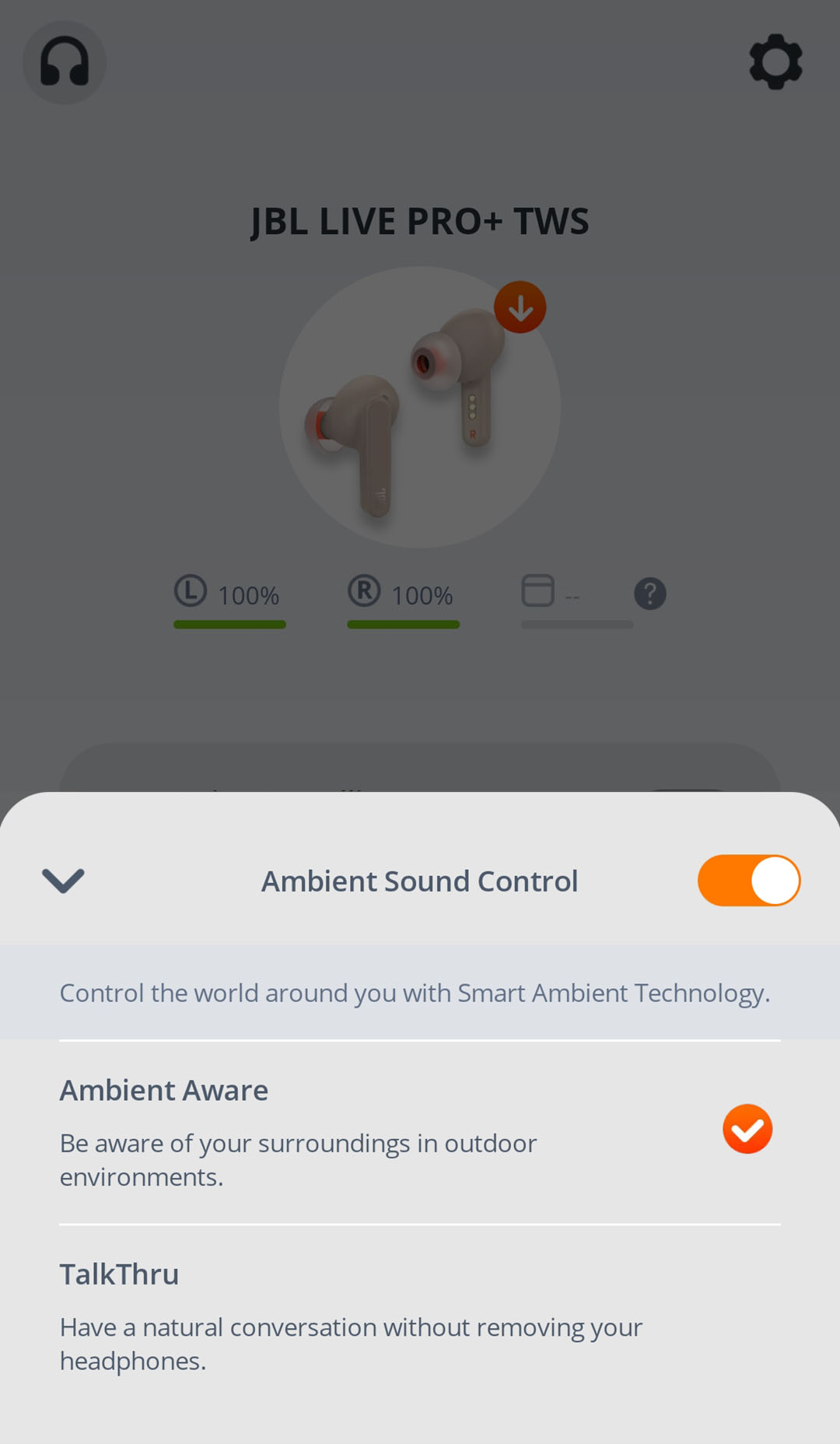
What is ambient aware headphones technology? It is a listening feature that uses external microphones to capture sounds around you. The headphones then play those sounds through their speakers, often with your music, podcast, or call audio.
Many brands use different names for the same basic idea. You may see:
• Ambient aware
• Ambient sound
• Transparency mode
• Hear-through mode
• Environmental awareness
• Talk-through mode
The goal is to help you stay aware without removing your headphones. For example, you might hear a bicycle bell while walking, a flight announcement at an airport, or a teammate speaking during a work break.
Ambient awareness is not the same as removing your headphones. The outside sound passes through the headphones electronically. This means the result depends on microphone quality, processing speed, fit, and the volume of your content.

How do ambient aware headphones work?
Ambient aware headphones rely on a small audio system that works in real time. The process usually follows these steps:
-
External microphones pick up nearby sounds.
-
A digital signal processor analyzes those sounds.
-
The headphones adjust the sound mix.
-
Small speakers play the outside audio into your ears.
This happens very quickly. A good pair creates a natural effect, as if the ear cups were not covering your ears. A cheaper or poorly tuned model may make voices sound thin, sharp, or slightly delayed.
The microphones may also focus on speech. Some headphones can reduce steady noise while allowing voices to pass through. Others simply raise all nearby sound, including fans, road noise, and wind.
This explains why asking what is ambient aware headphones requires more than a one-line definition. The feature can use smart filtering, volume control, and sound shaping. The final experience varies from one model to another.
Ambient awareness and active noise cancellation
Active noise cancellation, or ANC, tries to reduce outside noise. Ambient awareness does the opposite. It brings outside sound into your listening experience.
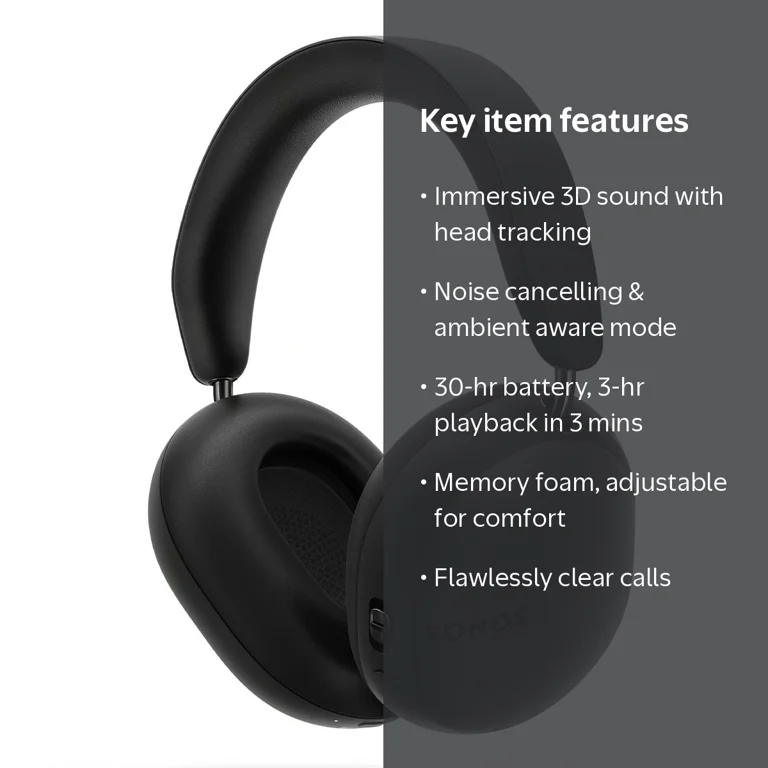
Many modern headphones offer both modes. You can use ANC on a plane, ambient mode in a store, and a normal mode at home. Some models can switch modes automatically when they detect speech or a change in location.
Think of ANC as closing a window and ambient mode as opening it. Both features manage sound, but they serve different needs.
Why use ambient aware headphones?
The main benefit is awareness. You can enjoy audio while keeping a better connection to your surroundings.
Ambient aware headphones can help in many everyday settings:
• Walking on a busy sidewalk
• Waiting for a train or flight
• Working in a shared office
• Listening for a child or family member
• Exercising outdoors
• Ordering food at a counter
• Talking with a coworker
• Hearing a doorbell or home alarm
This feature also reduces the need to remove and replace your headphones. That small convenience matters during a busy day. Instead of stopping a podcast, you can tap a control and hear the world around you.
For calls, ambient mode can make your own voice feel more natural. Some headphones use microphones to send your voice back to you. This feature, called sidetone, can stop you from speaking too loudly.
A practical lesson from headphone testing is that awareness works best when it is easy to control. A dedicated button or a clear app setting is more useful than a feature buried in several menus.
What are the benefits of ambient aware headphones?
The benefits depend on how and where you use them. Still, several advantages apply to most good models.
Better situational awareness
Ambient mode can help you notice sounds that matter. A car horn, public announcement, or person calling your name may reach you more easily than it would through sealed headphones.
It does not make you fully aware of every danger. Loud music, traffic, poor microphone tuning, and crowded places can still hide important sounds.
More natural conversations
You can often speak with someone without removing your headphones. The headphones lower your music and pass the person’s voice through.
This is useful at work, in a shop, or at home. It also helps when you need a quick answer but do not want to lose your place in an audiobook.
Easier travel
Airports, bus stations, and train platforms often contain changing announcements. Ambient aware headphones can help you hear them while you wait.
You should still check the display board or official announcement system. Electronic pass-through is helpful, but it should not be your only source of travel information.
Flexible listening
Many headphones let you adjust the amount of outside sound. A low setting may add a little awareness to music. A high setting may make voices much easier to hear.
This flexibility makes the feature useful in both quiet and busy places.
What are the limitations and risks?
Ambient awareness is useful, but it is not perfect. Understanding its limits helps you use it wisely.
Wind can be a major problem. Microphones may turn rushing air into loud rumbling or crackling. This often happens while cycling, running, or walking near tall buildings.
Sound can also feel unnatural. Some models add a short delay, change the tone of voices, or make the outside world seem unusually bright. This effect can feel strange during the first few uses.
Battery life may decrease when microphones and signal processing stay active. The difference varies by model, but advanced listening modes often require more power.
There is also a safety concern. Ambient aware headphones do not guarantee protection from traffic or other hazards. You should keep the volume low near roads, crossings, construction areas, and public platforms. In some places, wearing headphones while driving or cycling may also be restricted by law.
Hearing health matters too. The World Health Organization advises keeping personal audio at a safe volume and taking breaks. Ambient mode does not make loud listening safe. It may tempt you to raise the volume when the environment becomes noisy.

Ambient aware headphones vs transparency mode
People often ask whether ambient aware headphones and transparency headphones are different. In most cases, they describe the same basic feature.
“Transparency mode” is common in descriptions of earbuds and headphones that pass external sound through. “Ambient aware” is another brand term for a similar function.
Small differences may exist in how a company tunes the feature. One model may focus on speech. Another may pass through a wider range of sound. Some products also combine awareness with adaptive noise control.
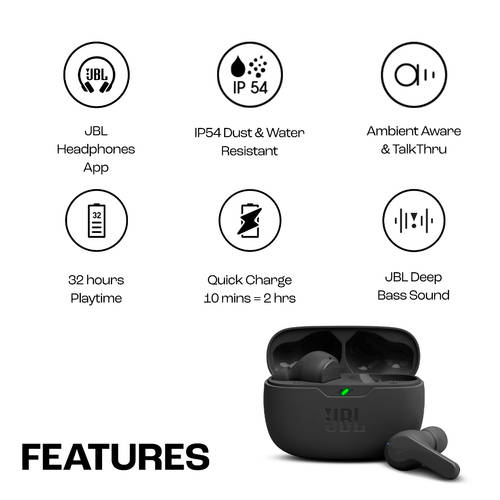
When comparing products, do not judge them by the name alone. Look for practical details such as:
• Adjustable awareness levels
• Wind reduction
• Voice detection
• Automatic mode switching
• A physical control
• Independent left and right microphone performance
• Battery life with awareness enabled
• App support and firmware updates
The best choice is the model that sounds natural and responds quickly in the places where you plan to use it.
Ambient aware headphones vs open-back headphones
Open-back headphones allow sound to enter through a physically open ear cup. Ambient aware headphones usually have closed ear cups and use microphones to reproduce outside sound electronically.
Open-back models can sound wide and natural in a quiet room. However, they often leak audio and provide little privacy. They are not ideal for planes, offices, or noisy streets.
Ambient aware headphones offer more control. You can turn the feature on or off, mix it with ANC, and adjust the level. They are more flexible for travel and daily use.
Neither design makes you completely safe outdoors. Sound awareness is only one part of good judgment.
How to choose the best ambient aware headphones
Start with your main use. A person who works in an office needs different features from someone who runs outdoors.
For work and calls
Look for clear microphones, natural voice pass-through, and simple controls. Multipoint Bluetooth can also help you switch between a phone and computer.
For travel
Strong ANC, comfortable ear cushions, long battery life, and reliable transparency mode matter most. A wired backup option can help when the battery runs out.
For outdoor exercise
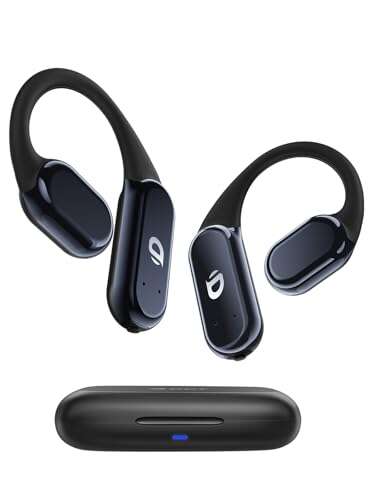
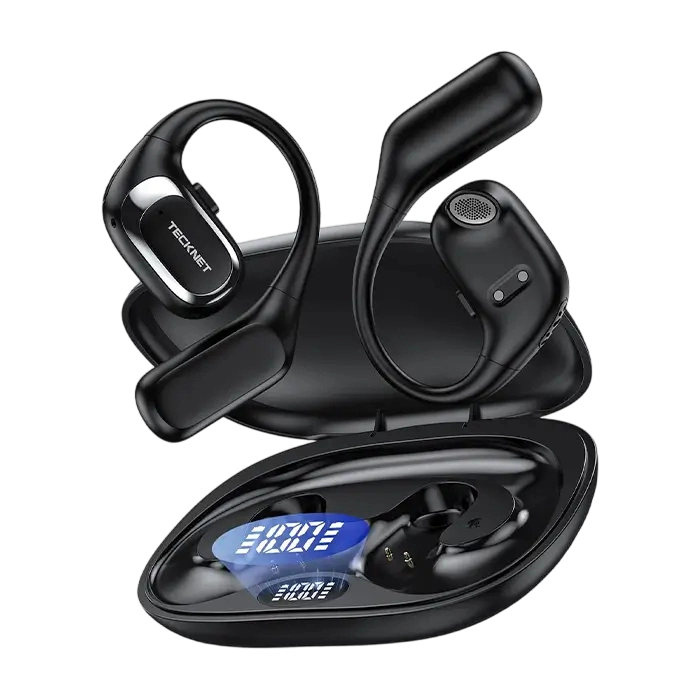
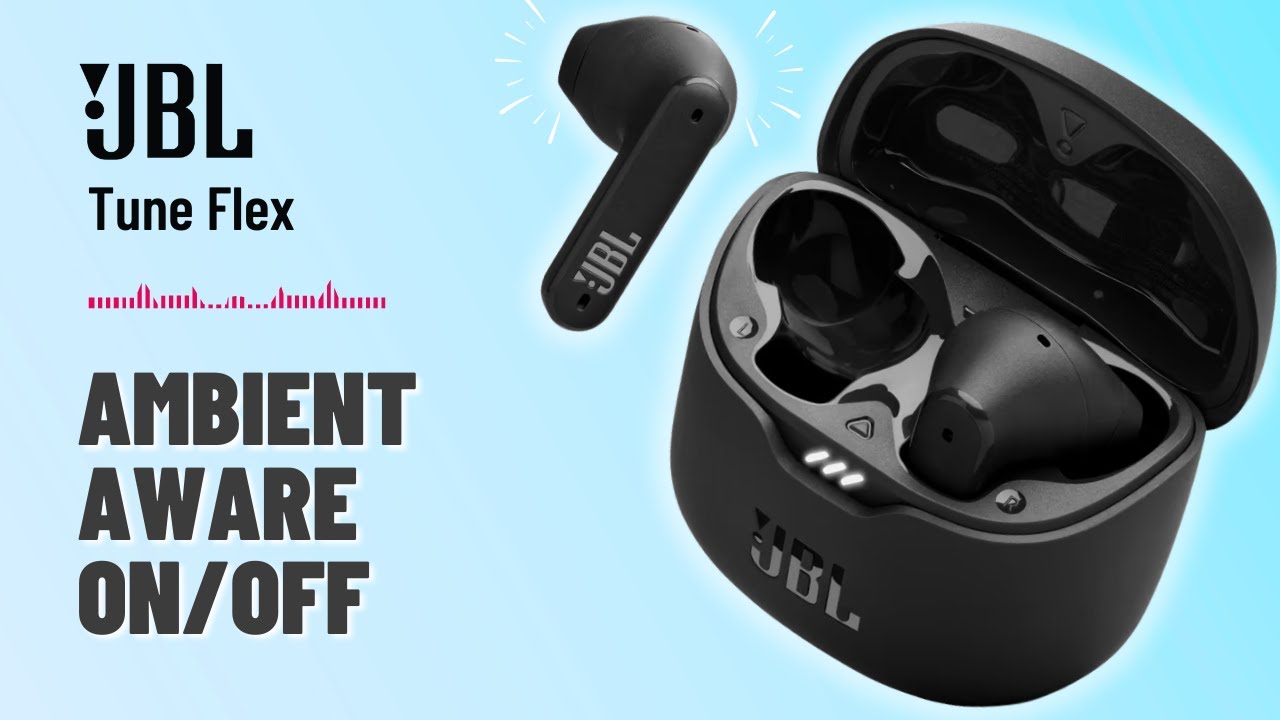
Choose a secure fit and good wind handling. Some runners prefer open-ear designs because they do not seal the ear canal. Others prefer earbuds with adjustable ambient sound.
For hearing conversations
Look for speech enhancement and a strong ambient setting. Test the feature with real voices if possible. Store demonstrations may not show how the headphones perform in a busy room.
For comfort
Check the weight, clamp force, ear tip sizes, and heat buildup. Even advanced headphones are poor choices if you stop wearing them after 20 minutes.
A common buying mistake is focusing only on sound quality. Comfort and control matter just as much for an awareness feature you may use all day.

How to use ambient awareness correctly
Use these steps to get a safer and more natural result:
-
Begin with a low listening volume.
-
Turn on ambient mode in a quiet place.
-
Raise the awareness level until speech sounds clear.
-
Test the mode with music, podcasts, and phone calls.
-
Check the fit and microphone openings.
-
Clean the microphones according to the product instructions.
-
Turn off or remove the headphones in high-risk areas.
-
Take regular listening breaks.
Avoid using a high awareness level to compensate for very loud music. If you cannot hear the world without turning the feature all the way up, lower your content volume or remove the headphones.
For outdoor use, stop at crossings and look around. Technology can improve awareness, but it cannot replace your eyes, attention, or common sense.
Do ambient aware headphones protect your hearing?
Ambient mode itself does not protect your hearing. It only changes how outside sound reaches you.
Some people use awareness to keep music at a lower level because they can still hear the environment. That may support safer listening, but the result depends on your habits.
The main factors are volume, listening time, and exposure to loud environments. A useful habit is to follow the 60/60 approach: keep volume near 60 percent or lower and take a break after about 60 minutes. This is a simple rule, not a guarantee of safety.
If you notice ringing, muffled hearing, pain, or unusual sensitivity to sound, stop listening and consider speaking with a hearing professional.
Common mistakes to avoid
Even people who understand what is ambient aware headphones can make poor use of the feature.
• Treating ambient mode as a safety system: It cannot detect every vehicle, alarm, or hazard.
• Playing audio too loudly: Outside sound may still become hard to hear.
• Ignoring wind noise: Wind can overwhelm microphones and reduce awareness.
• Skipping software updates: Updates may improve sound processing and connection stability.
• Choosing poor ear tips: A weak seal can reduce both ANC and ambient performance.
• Forgetting battery limits: The feature may stop when the headphones lose power.
• Using one setting everywhere: A quiet office and a busy street need different levels.
• Failing to test speech: A product may sound good with music but pass voices poorly.
A short real-world test is often more useful than a long specification list. Try the headphones in a quiet room, near normal conversation, and in a mildly noisy place before making a final choice.
Frequently Asked Questions About What Is Ambient Aware Headphones
What is ambient aware headphones used for?
Ambient aware headphones are used to hear nearby sounds while listening to audio. They can help with conversations, travel announcements, outdoor awareness, and shared workspaces.
Is ambient mode the same as transparency mode?
Usually, yes. Both terms describe a feature that uses microphones to pass outside sound through the headphones, though the tuning and controls may differ by brand.
Can ambient aware headphones block noise?
Ambient mode does not block noise. Active noise cancellation reduces outside sound, while ambient awareness adds outside sound to your listening mix.
Are ambient aware headphones safe for walking?
They may help you hear some nearby sounds, but they do not make walking completely safe. Keep the volume low, stay alert, and remove the headphones when crossing roads or entering a high-risk area.
Do ambient aware headphones use more battery?
Often, yes. The microphones and digital processing need power, so battery life may be shorter when ambient awareness is active. The exact difference depends on the model and its settings.
Can I adjust how much outside sound I hear?
Many models offer several ambient levels through a button, touch control, or mobile app. Some also provide speech enhancement or automatic switching when someone talks.
Do ambient aware headphones work without Bluetooth?
The microphones may work in an awareness mode without active audio streaming, but this depends on the design. Bluetooth features, app controls, and saved settings may still require a powered connection.
Conclusion
Ambient aware headphones use microphones and digital processing to blend outside sounds with your music, calls, or podcasts. They can make conversations, travel, work, and outdoor listening more convenient, but they do not replace attention or safe volume habits.
When choosing a pair, focus on natural sound, quick controls, microphone quality, comfort, wind handling, and battery life. Test the headphones in real situations before trusting them for daily use. Compare reliable models, protect your hearing, and share your own listening experience in the comments.

Everett Ashford is a tech reviewer at mytechgrid.com specializing in SSDs, cameras, TVs, earbuds, headphones, and other consumer electronics. He provides honest, data-driven reviews based on hands-on testing and real-world performance analysis. Everett simplifies complex tech details to help readers make smart, confident buying decisions.