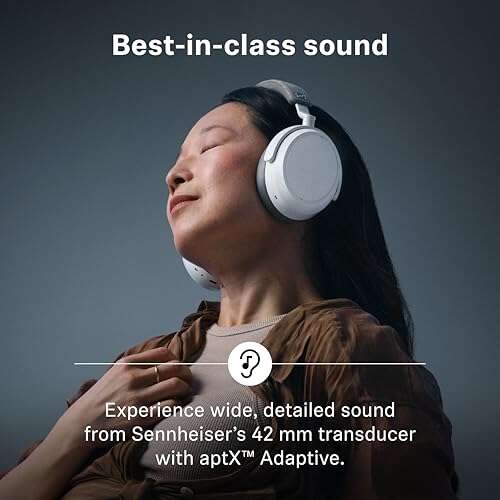
On-ear headphones rest on your ears, while over-ear headphones surround them with larger, cushioned ear cups.
Understanding what is on ear and over ear headphones can make your next audio purchase much easier. Both styles can sound excellent, but they differ in comfort, size, noise isolation, portability, and use. This guide explains the key differences so you can choose the right fit for music, travel, work, gaming, or daily listening.
What Are On-Ear Headphones?
On-ear headphones have small ear cups that sit directly on the outer part of your ears. They do not fully cover your ears. Instead, their cushions press gently against them.
This design is often lighter and smaller than over-ear headphones. Many on-ear models also fold flat, which makes them easy to carry in a backpack or laptop bag.
On-ear headphones can provide a lively and open sound. They may let in some outside noise, which can be useful when walking in a safe area or listening at home while staying aware of your surroundings.
However, the ear cushions can feel tight after long use. People with sensitive ears may notice pressure, heat, or mild soreness. The comfort level depends on the cushion material, headband pressure, and overall fit.
Main features of on-ear headphones
• Ear cups rest on the ears
• Usually lighter and smaller
• Often easier to carry
• Allow more outside sound to enter
• Can feel warm or tight during long sessions
• May leak more sound than closed-back over-ear models

What Are Over-Ear Headphones?
Over-ear headphones use large ear cups that surround your ears. The cushions rest on the sides of your head rather than directly on your ears.
This design creates a small listening space around each ear. It can improve comfort and help block outside noise, especially when the headphones use a closed-back design.
Over-ear headphones are often chosen by music fans, audio professionals, gamers, and people who listen for several hours. The larger ear cups can also hold bigger drivers, although size alone does not guarantee better sound.
The main drawback is bulk. Over-ear headphones can feel heavy, take up more space, and make your ears warm. Some models also clamp firmly to keep a stable seal.
Main features of over-ear headphones
• Ear cups surround the ears
• Usually offer better passive noise isolation
• Often feel more comfortable for long sessions
• Tend to be larger and heavier
• Can create a wider and fuller sound
• May become warm during extended use

On-Ear vs. Over-Ear Headphones: Key Differences
The difference between on-ear and over-ear headphones is mainly about how the ear cups fit. On-ear models touch the ears. Over-ear models surround them.
Still, the fit affects more than comfort. It can change sound, noise isolation, portability, heat, and how well the headphones stay in place.
| Feature | On-ear headphones | Over-ear headphones |
|---|---|---|
| Ear cup position | Rests on the ears | Surrounds the ears |
| Size | Smaller | Larger |
| Weight | Usually lighter | Usually heavier |
| Noise isolation | Moderate to low | Moderate to high |
| Portability | Often better | Often limited |
| Long-session comfort | Depends on ear pressure | Often better for many users |
| Heat buildup | Usually lower | Usually higher |
| Sound leakage | More common | Lower on closed-back models |
| Outdoor awareness | Better | Lower |
| Best use | Travel, casual listening, active use | Home, work, studio, gaming |
Comfort
On-ear headphones place pressure on the ears. That may be fine for short trips, but it can become tiring after several hours.
Over-ear headphones spread pressure around the ears. This often feels softer, but the headband and clamp still matter. A poorly designed over-ear pair can be less comfortable than a well-made on-ear pair.
Sound
Both types can produce clear, rich sound. The driver quality, tuning, seal, source device, and audio file often matter more than the headphone shape.
Over-ear headphones usually create a stronger seal. This can improve bass response and reduce outside noise. On-ear headphones may sound more open, but their bass can change if the pads do not sit evenly.
Portability
On-ear headphones usually win for travel. They are smaller, lighter, and easier to store.
Over-ear headphones may need a larger case. Some fold inward, but they still take up more space than most on-ear models.
Noise isolation
A good over-ear seal can block traffic, office noise, and airplane engine sounds. Active noise cancellation can improve this effect, but it does not remove every sound.
On-ear headphones allow more sound around the ear. That can be helpful when you need to hear announcements or talk with people nearby.
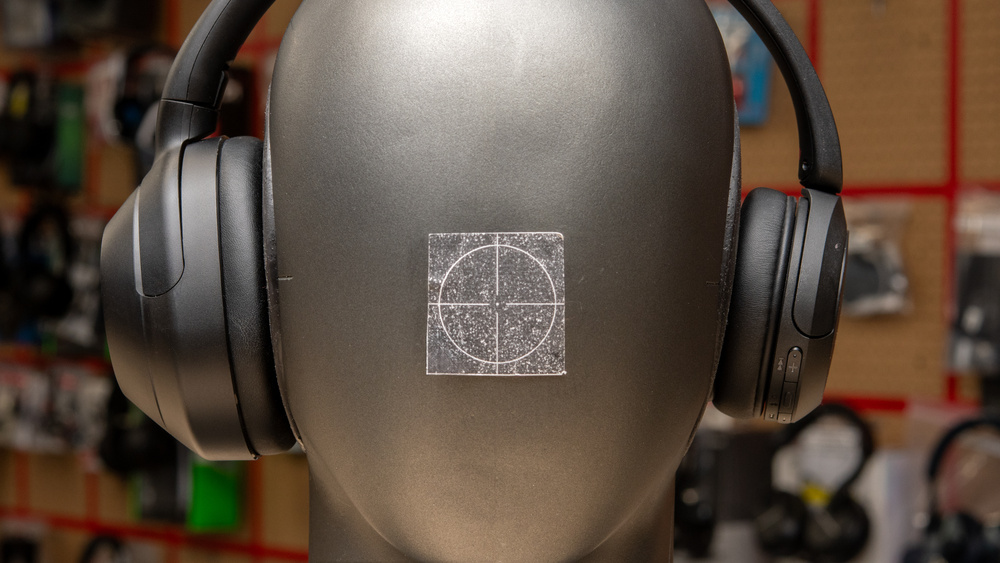
Which Headphone Type Sounds Better?
Neither design always sounds better. Sound quality depends on several parts, including the drivers, tuning, amplifier, fit, and music source.
Over-ear headphones often produce stronger bass because the ear cups create a better seal. They may also feel more spacious, especially with well-tuned open-back designs.
On-ear headphones can sound bright, direct, and energetic. Their smaller design may create a closer connection to vocals and instruments.
When comparing what is on ear and over ear headphones, avoid judging by size alone. A large headphone can sound dull, while a small model can sound detailed and balanced.
Closed-back and open-back designs
Over-ear headphones commonly come in two forms:
• Closed-back headphones have sealed outer ear cups. They reduce sound leakage and block more outside noise.
• Open-back headphones have vents or grilles on the outer cups. They create a more natural and airy sound but allow sound to escape.
On-ear headphones are often closed-back, though some models use a more open design. Open-back headphones are best in quiet rooms, not on buses or in shared offices.
The role of headphone drivers
Drivers are the small speakers inside headphones. Common driver types include dynamic, planar magnetic, and electrostatic designs.
Dynamic drivers are common and can deliver strong bass with modest power needs. Planar magnetic drivers may provide detailed sound but often make headphones heavier and more expensive.
A larger driver does not automatically mean better audio. Careful tuning and a good fit are more important than a simple size number.
Benefits of On-Ear Headphones
On-ear headphones remain popular because they offer a practical balance between earbuds and large over-ear models.
They are easy to carry
Many on-ear headphones fold flat. They fit well in small bags and work nicely for commutes, school, and office use.
They can feel cooler
Because the ear cups do not fully enclose your ears, on-ear models often build up less heat. This can matter in warm rooms or during summer travel.
They help you stay aware
On-ear headphones usually let in more outside sound. You may hear a doorbell, coworker, traffic, or a transit announcement more easily.
This does not make them automatically safe outdoors. Keep the volume low and stay alert near roads and bicycles.
They can cost less
There are affordable on-ear options with good sound. Their simpler construction may also make them easier to replace if they are lost or damaged.
Their limits
On-ear headphones can press against your ears. They may also leak more sound, which can disturb people sitting nearby.
Benefits of Over-Ear Headphones
Over-ear headphones are often the better choice for comfort, focus, and immersive listening.
They can be comfortable for long sessions
The ear cushions surround the ears instead of pressing on them. This can reduce ear pressure during work, study, gaming, or music sessions.
Comfort still depends on the design. Look for soft pads, a flexible headband, moderate clamp force, and enough space inside each ear cup.
They offer stronger isolation
Large ear cups can reduce outside sound through passive isolation. This helps you focus in a busy office, coffee shop, or airplane cabin.
Noise cancellation can add another layer of control. It works best with steady sounds such as engines, air conditioners, and train noise.
They can create an immersive experience
Over-ear headphones often make music, films, and games feel larger. Surround sound and spatial audio features can make this effect stronger when supported by your device.
They may reduce the need for high volume
When outside noise is blocked, you may not need to turn the volume up as much. This can support safer listening habits, although no headphone style makes loud volume harmless.
Their limits
Over-ear models can be heavy, warm, and expensive. They may also feel bulky during exercise or outdoor activity.
Which Type Is Best for Different Uses?
The right choice depends on where and how you listen. What is on ear and over ear headphones is only the starting point; your daily routine matters just as much.
For commuting
On-ear headphones are easy to carry and help you hear your surroundings. Over-ear noise-canceling headphones may be better on airplanes or trains.
Choose over-ear models when engine noise is your main problem. Choose on-ear models when awareness and light weight matter more.
For work and study
Over-ear headphones can help you focus in a noisy room. A wireless model with a clear microphone is useful for meetings.
On-ear headphones may suit a quiet office. They are less bulky and can be easier to remove when someone speaks to you.
For gaming
Over-ear gaming headsets often provide better comfort and a stronger seal. They may also include a boom microphone and virtual surround features.
A lightweight on-ear headset can work well for casual gaming. Check the microphone quality, cable length, platform support, and comfort before buying.
For exercise
On-ear headphones may stay cooler, but they can move when you run. Many are not designed to resist sweat.
For workouts, check the manufacturer’s water or sweat resistance rating. In-ear sports headphones may be more secure than either traditional on-ear or over-ear designs.
For music production
Over-ear headphones are common in recording and mixing. Closed-back models help prevent microphone bleed during recording.
Open-back over-ear headphones can help with critical listening in a quiet room. They are not suitable for recording vocals because sound can leak into the microphone.
For home listening
Over-ear headphones usually provide the most relaxed and immersive experience at home. Open-back models can sound wide and natural, but they need a quiet space.
How to Choose Between On-Ear and Over-Ear Headphones
Use your comfort, environment, and listening habits as your guide. Do not choose only because a model looks stylish or has a long feature list.
Follow these steps
-
Decide where you will use them most. A plane, office, bedroom, and gym all require different features.
-
Consider how long you listen. For long sessions, check ear space, cushion softness, weight, and headband pressure.
-
Think about outside noise. Choose stronger isolation or noise cancellation for loud places.
-
Check sound leakage. Closed-back models are more polite in quiet public spaces.
-
Review wireless features. Look for battery life, Bluetooth codec support, multipoint pairing, and USB audio if needed.
-
Test the microphone. Read independent reviews and check voice samples when calls matter.
-
Confirm the fit. Glasses, earrings, hair, and head size can change how headphones feel.
-
Check repair and replacement options. Removable pads, replaceable cables, and available parts can extend product life.
In my own headphone testing, fit has often mattered more than a small difference in frequency response. A well-fitting midrange model can be more enjoyable than an expensive pair that creates pressure after 30 minutes.
One common mistake is buying heavy over-ear headphones for travel without testing their weight. Another is choosing tight on-ear headphones because they stay secure, then discovering that the ear pressure becomes painful.
Comfort and Hearing Safety Tips
Good headphones should feel secure but not painful. You should not need to press them into place or adjust them every few minutes.
Try these practical tips:
• Start with a moderate volume.
• Take short breaks during long listening sessions.
• Keep the ear cushions clean and dry.
• Replace worn pads when they lose their shape.
• Avoid listening through pain, ringing, or muffled hearing.
• Lower the volume in quiet rooms instead of raising it to “feel” the music.
• Use noise cancellation in loud places so you do not feel tempted to increase volume.
The World Health Organization recommends keeping personal listening devices at a safe level and taking breaks. Exact safe exposure depends on volume and time, so a simple rule is to keep the level comfortable and avoid constant loud listening.
If you notice persistent ringing, pain, dizziness, or reduced hearing, stop listening and speak with a qualified health professional. Headphones do not cause problems simply because they are on-ear or over-ear; excessive volume and long exposure are the main concerns.
Wireless, Wired, and Noise-Canceling Features
The choice between on-ear and over-ear headphones also includes connection type. Wired headphones can provide low delay and do not need charging.
Wireless headphones offer freedom from cables. Features such as multipoint Bluetooth let you connect to two devices, such as a phone and laptop, and switch between them.
Active noise cancellation uses microphones and electronic processing to reduce outside sound. It can be very useful, but it may affect battery life and may not remove sudden voices or high-pitched sounds.
When comparing what is on ear and over ear headphones, look beyond Bluetooth version numbers. Check real battery life, call quality, comfort, controls, app support, and whether the headphones still work with a cable when the battery is empty.
How to Care for Your Headphones
Proper care can keep both on-ear and over-ear headphones working for years.
Clean the cushions
Wipe synthetic leather pads with a soft, slightly damp cloth. Do not soak them or use harsh cleaners unless the manufacturer approves them.
Fabric pads may need a gentle brush or removable cover. Let all parts dry fully before use.
Protect the cable and hinges
Avoid pulling headphones by the cable. Store them in a case instead of leaving them under books or clothing.
Fold the ear cups only as the design allows. Forced hinges are a common reason portable headphones break.
Replace worn ear pads
Old pads can become flat, cracked, or less comfortable. Replacement pads may improve fit, sound isolation, and hygiene.
A new pair of pads can sometimes restore headphones that seem ready for disposal. Check compatibility before ordering.
Protect the battery
Do not leave wireless headphones in extreme heat. Keep them charged according to the manufacturer’s instructions, and store them with some battery power if you will not use them for months.
Frequently Asked Questions About What Is On-Ear and Over-Ear Headphones
What is the main difference between on-ear and over-ear headphones?
On-ear headphones rest directly on your ears, while over-ear headphones surround them. This difference affects comfort, sound isolation, size, and heat buildup.
Are over-ear headphones better than on-ear headphones?
Over-ear headphones are often better for long listening sessions and noisy places. On-ear headphones may be better when you want a lighter, smaller design and more awareness of your surroundings.
Are on-ear headphones more comfortable?
On-ear headphones can feel comfortable because they are light and cool. However, their cushions may press on your ears, so comfort depends on the fit and how long you wear them.
Do over-ear headphones block more noise?
Most over-ear headphones block more outside noise because their ear cups create a better seal. Closed-back and noise-canceling models usually provide the strongest isolation.
Are on-ear headphones good for travel?
Yes, on-ear headphones are often good for travel because they are compact and easy to carry. For airplanes and very noisy trains, over-ear noise-canceling headphones may provide better isolation.
Which headphones are better for glasses?
Over-ear headphones are often more comfortable with glasses because the pads surround the ears. The best choice still depends on cushion softness and clamp force, since tight pads can press against eyeglass arms.
Can both types damage hearing?
Both on-ear and over-ear headphones can harm hearing if used too loudly for too long. Keep the volume moderate, take breaks, and stop listening if you notice pain or ringing.
Conclusion
On-ear headphones sit on your ears and offer a light, portable design with more environmental awareness. Over-ear headphones surround your ears and often provide better comfort, isolation, and immersion.
Choose on-ear headphones for portability, casual listening, and cooler wear. Choose over-ear headphones for long sessions, travel, gaming, focused work, or a fuller listening space.
The best option is the one that fits your ears, matches your daily habits, and sounds good at a safe volume. Compare the fit and comfort before focusing on specifications, then explore trusted reviews and share your own headphone experience in the comments.

Everett Ashford is a tech reviewer at mytechgrid.com specializing in SSDs, cameras, TVs, earbuds, headphones, and other consumer electronics. He provides honest, data-driven reviews based on hands-on testing and real-world performance analysis. Everett simplifies complex tech details to help readers make smart, confident buying decisions.