Measure your ear canal, then test ear tips until one seals gently without pressure.
Knowing how to know my ear tip size is simpler than it sounds. You do not need a special tool in most cases. You need a clean fit, a few size options, and a short listening test. This guide explains the process with clear steps, comfort checks, sound clues, and tips for earbuds, hearing protection, and replacement ear tips.

Why ear tip size matters
The right ear tip does more than keep your earbuds in place. It forms a light seal inside your ear canal. This seal helps block outside noise and keeps your music from leaking out.
A poor fit can cause several problems:
- Small tips may feel loose and let sound escape.
- Large tips may create pain or pressure.
- A weak seal can make bass sound thin.
- A tight seal can make your ears sore after a short time.
- Uneven sizes can make one ear sound louder than the other.
When people ask how to know my ear tip size, they often expect a simple measurement, such as small, medium, or large. In reality, ear canals are not identical. Your left ear may need a medium tip, while your right ear may need a small tip.
Ear shape also changes with age, weight changes, skin conditions, and past ear infections. That is why a size chart can help, but it cannot replace a real fit test.

How to know my ear tip size step by step
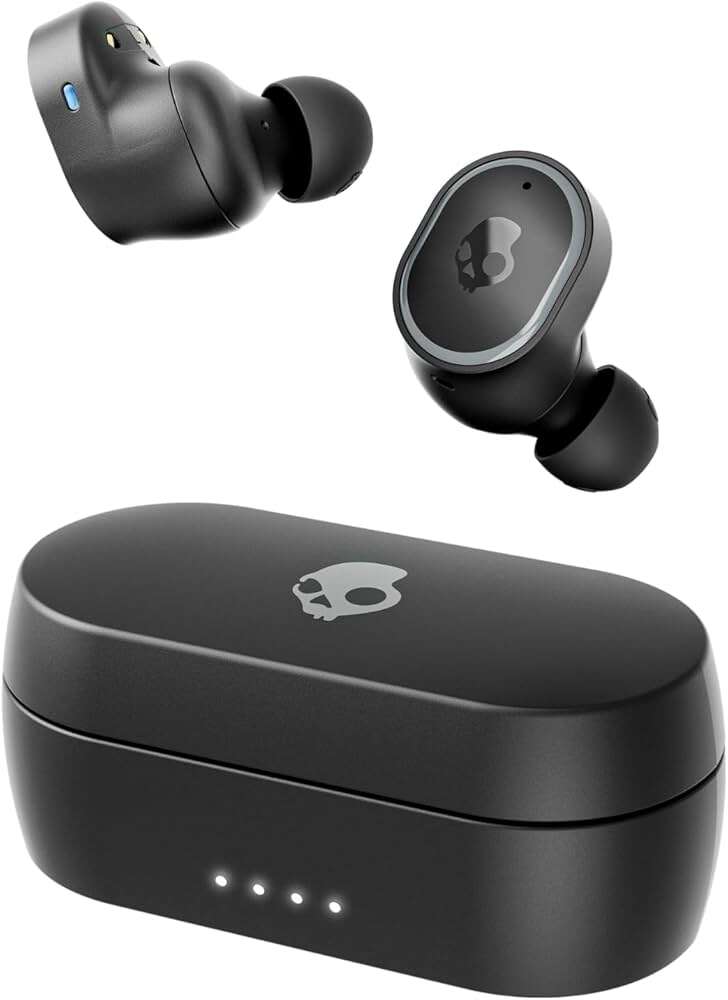
You can find your best ear tip size at home with the tips that came with your earbuds. Most sets include small, medium, and large silicone tips. Some include extra-small or extra-large options.
Follow these steps:
-
Wash and dry your hands.
-
Clean the ear tips and earbuds. Dirt or wax can affect the fit.
-
Start with the medium tips. They are often a useful starting point, but they are not right for everyone.
-
Attach each tip fully. The tip should sit straight on the nozzle and should not wobble.
-
Insert the earbud gently. Do not push it deep into your ear canal.
-
Twist the earbud slightly until it feels stable.
-
Walk, talk, and move your jaw. The earbud should stay in place.
-
Play music with clear bass and speech. Listen for changes in sound.
-
Test the other ear. It may need a different size.
-
Wear the earbuds for 10 to 15 minutes. A tip that feels fine for one minute may feel too large later.
A good ear tip should stay in place without constant adjustment. It should also create a soft seal, much like a door that closes fully but does not need force.
The answer to how to know my ear tip size usually comes from comparing two nearby sizes. If a small tip feels loose and a medium tip feels sore, try a different shape or material. Size is only one part of fit.

Use the seal test
The seal test is one of the best ways to learn how to know my ear tip size. It checks both comfort and sound.
Insert the earbuds and play a song with a steady bass line. Then gently press the earbuds farther into place without forcing them. If the bass becomes stronger, the original fit may have been too loose.
Try this simple check:
- Cover one earbud with your finger while music plays.
- Compare the bass and volume in both ears.
- Talk, chew, and open your mouth.
- Turn your head from side to side.
- Notice whether the earbud shifts or loses sound.
A proper seal should make voices sound full and bass sound clear. It should not create a painful plugged feeling. Some people notice their own voice sounds louder when the seal is strong. This effect is called occlusion, and it is common with sealed earbuds and earplugs.
Your ear tip may be too small if:
- The earbud slips out.
- Bass sounds weak.
- Outside noise remains loud.
- You need to push the earbud back in often.
- Music sounds different when you move.
Your ear tip may be too large if:
- Your ear canal feels sore.
- You feel strong pressure.
- Your ears ache after removal.
- The tip is hard to insert.
- You notice irritation or redness.
A perfect fit should feel secure, not stuck. If you remove the earbud and feel sharp pain, stop testing that size.

Check ear tip shape and material
When learning how to know my ear tip size, do not focus only on diameter. The shape and material can change the fit just as much.
Silicone tips are common. They are soft, easy to clean, and often comfortable for daily use. Their smooth surface can slip in sweaty ears, though.
Foam tips expand inside the ear canal. They can provide strong noise reduction, but they need gentle insertion. Foam also wears out faster and may not suit people who dislike pressure.
Double flange tips have two sealing rings. They can block more sound, but they may feel deeper and less comfortable. They are often used for hearing protection or specialized audio equipment.
Wide bore tips have a larger opening. They may create a more open sound and fit some earbuds better. Narrow bore tips can change the sound by making it warmer or stronger in the bass.
Consider these factors:
- Ear canal width
- Ear canal depth
- Earbud nozzle size
- Tip stiffness
- Tip length
- Earwax levels
- Sweat and skin oil
- Sensitivity to pressure
Two medium tips from different brands may not fit the same way. One may be wider, longer, softer, or more rounded. This explains why a person can wear a medium tip from one brand and a small tip from another.
If your earbuds feel loose even with large tips, the problem may be the earbud shape. The earbud housing may not match your outer ear. In that case, ear hooks, wings, or a different model may help more than a larger tip.
How to know my ear tip size for wireless earbuds
Wireless earbuds need a stable fit because movement can break the seal. A loose tip may also reduce battery performance if the earbuds keep reconnecting or activating touch controls by accident.
For wireless earbuds, start with the tips in the box. Test each size in both ears. Then use the brand’s fit test if its app includes one.
Many earbud apps play a test sound and check whether the seal is strong. This tool can be useful, but it is not perfect. Your comfort still matters more than an app score.
Use this routine:
-
Insert both earbuds.
-
Open the fit test in the companion app.
-
Keep your head still during the test.
-
Try another size if the app reports a poor seal.
-
Walk for several minutes after the test.
-
Check the fit again when speaking or chewing.
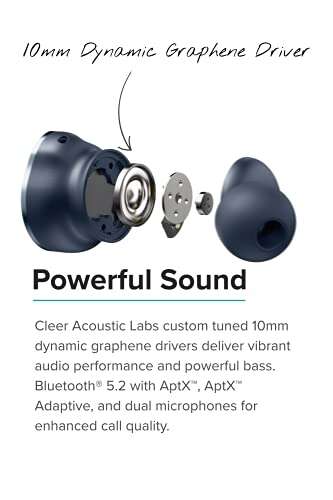
Some earbuds have a vent. This small opening helps control pressure and sound. A tight tip can sometimes cover the vent or make the earbuds feel blocked. If sound becomes dull or pressure feels strong, test a smaller tip or a different shape.
For sports, a slightly firmer fit may work best. For long office use, a softer tip may be more comfortable. The best choice depends on how you use the earbuds each day.

Common mistakes to avoid
A common mistake is choosing the largest tip because it seems more secure. Bigger does not always mean better. A large tip can press against the canal wall and cause pain without creating a better seal.
Another mistake is pushing the earbud too far into the ear. Ear tips should sit at the entrance or outer part of the canal. Never force them past a comfortable point.
Avoid these errors:
- Choosing the same size for both ears without testing.
- Judging fit after only a few seconds.
- Testing with very loud music.
- Ignoring pain or itching.
- Using dirty or damaged tips.
- Wearing foam tips after they lose their shape.
- Buying replacement tips without checking nozzle size.
- Confusing a strong seal with painful pressure.
I have found that people often change the earbud itself instead of testing the tips carefully. In many cases, the solution is simple: try the smaller tip in one ear and the medium tip in the other. Small changes can make a major difference in comfort and sound.
Also check the ear tips often. Silicone can tear, stretch, or become hard. Foam can lose its ability to expand. A worn tip may seem like the wrong size even when the original size was correct.

How to measure your ear canal
You usually do not need to measure your ear canal with a ruler. Ear canals are curved, and measuring the opening alone does not show how a tip will fit.
If you want a rough comparison, look at the tip opening and compare it with the earbud nozzle. The replacement tip must fit the nozzle securely. A tip that is too loose can detach in your ear.
For a more exact fit, visit an audiologist or hearing professional. This is especially helpful if you need custom earplugs, hearing aids, or medical hearing protection.
Do not insert cotton swabs, pens, paper, or measuring tools deep into your ear. The ear canal is delicate, and pushing objects inside can cause injury or move wax deeper.
Professional measurements may be useful when:
- You have narrow or unusually shaped canals.
- Standard tips always cause pain.
- You need strong hearing protection.
- You use in-ear monitors for work.
- You have hearing aids.
- You have a history of ear surgery or infection.
For most consumer earbuds, a careful home fit test is enough. The goal is not to find an exact number. The goal is to find a tip that seals gently and stays comfortable.
Earwax, allergies, and sensitive ears
Earwax can affect the answer to how to know my ear tip size. A buildup may make earbuds feel tighter than usual. It can also reduce sound and make you think the tip is too small.
Clean the outside of the earbud and the outer ear. Do not dig into the canal. If you suspect a wax blockage, ask a health professional for safe removal advice.
Some people react to silicone, foam, adhesives, or cleaning products. Signs of a reaction may include:
- Itching
- Redness
- Swelling
- Burning
- Flaking skin
- Fluid or discharge
Remove the tips if these symptoms appear. Do not keep wearing them to “break them in.” Contact a health professional if the symptoms continue or become severe.
Ear pain, sudden hearing loss, ringing, dizziness, or discharge also needs medical attention. Ear tip sizing cannot solve a medical problem.
People with sensitive ears may prefer small, soft silicone tips. Others may do better with foam because it needs less pressure. Change one factor at a time so you can identify what helps.
How to choose replacement ear tips
Once you know how to know my ear tip size, check compatibility before buying replacements. Ear tips are not universal.
Look at these details:
- Nozzle diameter
- Tip mounting style
- Tip height
- Inner opening
- Outer width
- Material
- Earbud model
- Charging case space
Some replacement tips are too tall to fit inside the charging case. Others may cover sensors or prevent the earbuds from charging. Always check the product measurements and user comments before ordering.
A replacement tip should grip the earbud nozzle firmly. Pull it gently after installation. If it comes off easily, it may be unsafe to use.
Try to buy from a maker that lists exact measurements. Terms such as small, medium, and large can vary between brands. A stated width in millimeters gives you a better comparison.
Keep your old tips until the new ones work well. This gives you a backup and lets you compare comfort and sound.
A simple ear tip fitting checklist
Use this checklist when you want a fast answer to how to know my ear tip size:
- Start with medium tips.
- Test small and large tips if needed.
- Use different sizes for each ear when necessary.
- Check for a gentle seal.
- Listen for clear bass and speech.
- Move your head and jaw.
- Wear the tips for at least 10 minutes.
- Stop if you feel pain or sharp pressure.
- Check the tips for damage.
- Confirm that replacement tips fit the earbud nozzle and case.
The best size is the one that stays put, sounds clear, and remains comfortable. It is not always the size printed on the package.
Frequently asked questions
How do I know if my ear tips are too small?
Your ear tips may be too small if the earbuds slip, outside noise remains loud, or bass sounds weak. Try a larger size, but stop if the new tip causes pressure or pain.
How do I know if my ear tips are too big?
A tip may be too big if your ear canal feels sore, tight, or irritated. You may also struggle to insert or remove the earbud comfortably.
Should both ears use the same ear tip size?
Not always. Many people have slightly different ear canal shapes, so one ear may need a small tip while the other needs a medium tip.
Can ear tip size change sound quality?
Yes. A good seal usually gives you stronger bass and clearer sound. A poor seal can make music sound thin, while an overly tight fit may create a blocked or uncomfortable sound.
How long should I test an ear tip?
Test each size for about 10 to 15 minutes. Walk, talk, and move your jaw during the test because a tip can feel fine at first and become uncomfortable later.
Can I use any replacement ear tips with my earbuds?
No. Replacement tips must match the earbud nozzle and fit inside the charging case. Check the product measurements and compatibility details before buying.
Is a painful ear tip ever normal?
No. Mild awareness of a new tip can happen, but sharp pain, burning, swelling, or lasting soreness is not normal. Remove the tip and seek medical advice if symptoms continue.
Conclusion
The easiest way to know my ear tip size is to test each option for comfort, stability, and sound. Start with medium tips, compare nearby sizes, and remember that each ear may need a different fit. A good tip seals gently without pain, stays in place during movement, and makes music sound full.
Take a few minutes to test your earbuds today. Clean the tips, try both ears, and replace worn parts when needed. If standard tips never feel right or cause pain, ask an audiologist for help and explore properly fitted options.

Everett Ashford is a tech reviewer at mytechgrid.com specializing in SSDs, cameras, TVs, earbuds, headphones, and other consumer electronics. He provides honest, data-driven reviews based on hands-on testing and real-world performance analysis. Everett simplifies complex tech details to help readers make smart, confident buying decisions.