The best wireless headphones balance clear sound, strong noise cancellation, comfort, battery life, and reliable everyday controls.
Choosing the best wireless headphones depends on how you listen, travel, work, and spend your budget. After comparing sound quality, active noise cancellation, comfort, call performance, battery life, and app features, this guide explains which models stand out and which one may suit your daily routine.
The best wireless headphones at a glance
The best wireless headphones are not the same for everyone. A frequent traveler may value powerful noise cancellation, while a home listener may prefer rich sound and long battery life.
Here are the strongest choices for most buyers:
- Best overall: Sony WH-1000XM5
- Best noise cancellation: Bose QuietComfort Ultra Headphones
- Best battery life: Sennheiser Momentum 4 Wireless
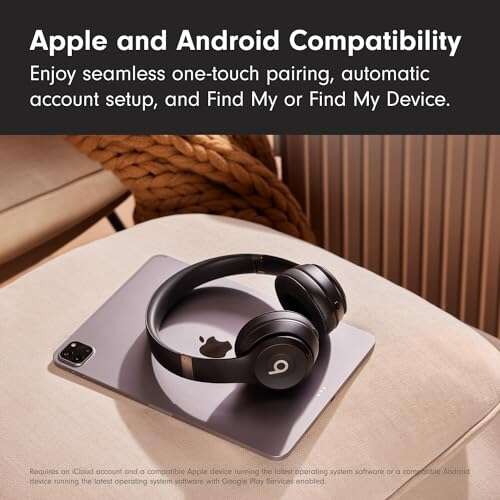
- Best for Apple users: AirPods Max
- Best value: Anker Soundcore Space Q45
- Best for comfort: Bose QuietComfort Headphones
- Best for sound quality: Sennheiser Momentum 4 Wireless
- Best for calls and office use: Sony WH-1000XM5
These recommendations focus on over-ear wireless headphones. Over-ear models usually provide better comfort, stronger bass, and better noise isolation than small earbuds. They are also easier to wear for long flights, work sessions, and study periods.

Best wireless headphones overall: Sony WH-1000XM5
The Sony WH-1000XM5 remains one of the best wireless headphones for most people. It combines strong active noise cancellation, detailed sound, a light design, and useful smart features in one polished package.
Its noise cancellation works especially well with airplane engines, road noise, air conditioners, and office chatter. It cannot remove every human voice, but it makes busy places feel much calmer.
Sound is warm and clear. The bass has energy, but it does not bury vocals or instruments. Sony’s app also lets you adjust the equalizer, so you can make the sound more neutral, brighter, or more bass-heavy.
Key strengths include:
- Excellent active noise cancellation
- Clear sound with strong bass control
- Comfortable fit for long listening
- Reliable multipoint Bluetooth
- Useful app with an equalizer
- Strong microphone quality for calls
- Automatic pause when you remove the headphones
The main weakness is the design. The ear cups fold flat but do not fold inward, so the case is larger than some competing models. The headphones also lack a standard 3.5-millimeter audio port, which may matter if you use older audio equipment.
For work, travel, music, and general daily use, the WH-1000XM5 is a safe choice. It is a refined pair of wireless headphones that rarely feels difficult to live with.

Best wireless headphones for noise cancellation: Bose QuietComfort Ultra
The Bose QuietComfort Ultra Headphones are among the best wireless headphones for blocking outside sound. Bose has long focused on noise control, and this model delivers a quiet listening space on trains, planes, and busy streets.
The fit is soft and stable. The ear cushions create a good seal without pressing too hard on the head. That balance matters because poor comfort can ruin even the best sound system.
Bose gives you several listening modes, including a strong Quiet mode and an aware mode that lets outside sound in. The aware mode is helpful when you need to hear a boarding call, a coworker, or traffic.
The main benefits are:
- Excellent noise cancellation
- Very comfortable ear cushions
- Full and enjoyable sound
- Effective transparency mode
- Good call quality
- Foldable design
- Spatial audio features for a wider sound
The Bose sound is smooth and easy to enjoy. It may not satisfy listeners who want the most analytical or studio-like presentation, but it works well for pop, podcasts, movies, and travel.
The Ultra model is more expensive than standard Bose QuietComfort headphones. Choose it if noise cancellation and comfort matter more than saving money.

Best wireless headphones for battery life: Sennheiser Momentum 4
The Sennheiser Momentum 4 Wireless stands out among the best wireless headphones because of its very long battery life. It can last for many hours on one charge, depending on settings and volume.
That makes it useful for long trips, remote work, and people who dislike charging devices every night. A short charge can also provide several hours of listening, which is useful before a flight or workday.
Sennheiser gives this model a warm, detailed sound. Music feels lively, with strong bass and clear vocals. The companion app includes an equalizer and sound modes for people who want more control.
Why it stands out:
- Excellent battery life
- Rich, detailed sound
- Comfortable ear cups
- USB-C charging
- Good app-based sound control
- Effective noise cancellation
- Strong wireless range
Its noise cancellation is good, but Bose and Sony often perform better with difficult low-frequency noise. The touch controls can also take time to learn.
If your top priorities are music quality and battery life, the Momentum 4 is one of the best wireless headphones available. It offers a strong mix of premium sound and practical value.

Best wireless headphones for Apple users: AirPods Max
AirPods Max are among the best wireless headphones for people who use an iPhone, iPad, or Mac every day. They connect quickly, switch between Apple devices smoothly, and support features such as spatial audio and head tracking.
The aluminum build feels solid and premium. The mesh headband spreads pressure across the top of your head, while the soft ear cushions create a comfortable seal.
The sound is balanced and spacious. Movies and shows benefit from Apple’s spatial audio, which can make voices and effects feel more like they come from around you rather than directly inside your head.
Important advantages include:
- Excellent Apple device integration
- Strong noise cancellation
- Natural transparency mode
- Premium build quality
- Clear and balanced sound
- Simple controls with a physical crown
- Replaceable magnetic ear cushions
There are also clear limitations. AirPods Max are heavy compared with many rivals. Their case offers limited protection, and the battery life is not as strong as the Momentum 4.
They also make the most sense inside Apple’s ecosystem. Android users can connect them through Bluetooth, but they lose some of the features that make these headphones special.
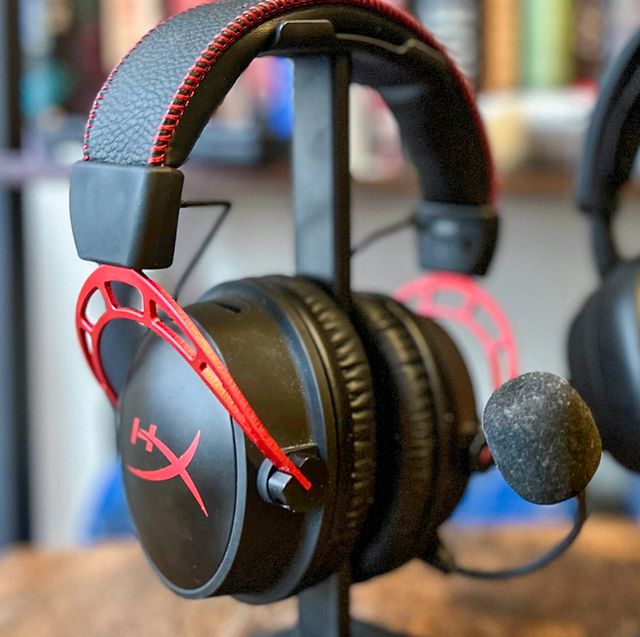
Best wireless headphones for comfort: Bose QuietComfort
The standard Bose QuietComfort Headphones are a smart choice for people who want simple controls, low weight, and a soft fit. They are not as feature-rich as the Ultra version, but that can be an advantage.
The lightweight design works well for long study sessions and office days. Physical buttons are easy to find, and you do not need to learn complicated touch gestures.
The sound is pleasant and smooth. Noise cancellation is strong enough for common travel and work settings, although the Ultra model provides more advanced processing.
Choose these headphones if you want:
- A light and comfortable fit
- Strong basic noise cancellation
- Easy physical controls
- Long battery life
- A lower price than many premium models
- A simple design without unnecessary features
A common mistake is to focus only on specifications. In real use, comfort often matters more than a small difference in codec support or battery numbers. Headphones that feel good are more likely to be used every day.
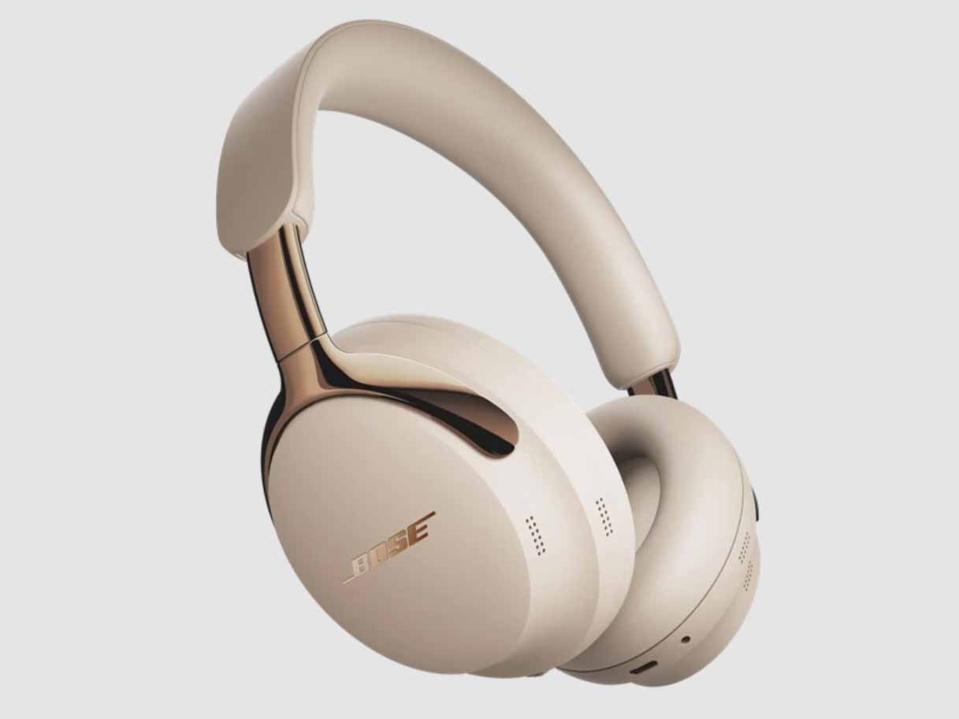
Best affordable wireless headphones: Anker Soundcore Space Q45
The Anker Soundcore Space Q45 offers many features at a lower price than premium models. It is one of the best wireless headphones for students, commuters, and first-time buyers.
It includes active noise cancellation, an equalizer, multipoint connection, and a long-lasting battery. The app gives you more sound control than many headphones in this price range.
The sound is energetic, with noticeable bass. You can reduce or increase that bass through the app. Noise cancellation is useful for buses, offices, and low airplane noise, though it does not match the best Bose or Sony models.
Main strengths include:
- Good value
- Long battery life
- Active noise cancellation
- Multipoint Bluetooth
- Custom equalizer
- Comfortable ear cushions
- Travel-friendly design
The plastic build feels less luxurious than premium choices. Call quality is also adequate rather than outstanding. Still, these limits are reasonable for the price.
If you want many features without spending top dollar, the Space Q45 deserves serious attention.

How to choose the best wireless headphones
The best wireless headphones should match your real habits. Start by thinking about where you will use them most.
Sound quality
Sound quality includes more than loud bass. A good pair should produce clear vocals, controlled bass, and enough detail to separate instruments.
Look for headphones with:
- Clear speech for podcasts and calls
- Tight bass that does not sound muddy
- Smooth treble without harshness
- A useful equalizer in the companion app
- A sound profile that matches your music
Personal taste matters. Some listeners like a warm sound with extra bass. Others prefer a neutral sound that resembles studio headphones. Neither choice is wrong.
Active noise cancellation
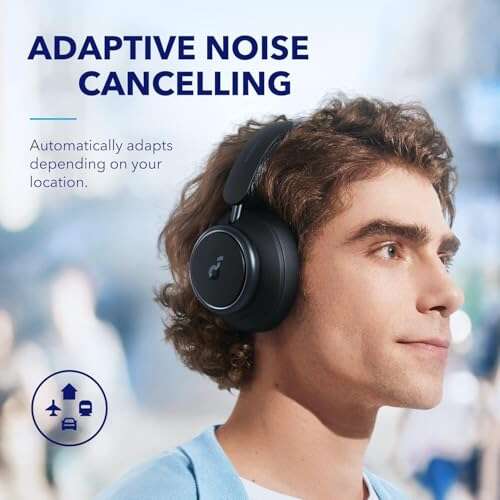
Active noise cancellation uses microphones to detect outside sound. The headphones then create an opposite signal to reduce that noise.
It works best with steady sounds such as:
- Airplane engines
- Train noise
- Bus traffic
- Air conditioners
- Office fans
It is less effective against sudden sounds and nearby voices. This is why the best wireless headphones cannot create total silence in a busy room.
Comfort and fit
Comfort is one of the most important buying factors. Check the weight, headband pressure, ear cushion size, and heat buildup.
A good fit should:
- Feel secure without squeezing
- Fully surround your ears
- Avoid pressure on your glasses
- Stay comfortable after one hour
- Create a seal without painful clamping
If possible, try headphones with glasses before buying. Thick frames can reduce the seal and change both comfort and noise cancellation.
Battery life
Most premium wireless headphones offer enough battery for several days of normal use. Battery claims vary with volume, noise cancellation, calls, and wireless features.
Look for:
- At least 20 hours of use for travel
- USB-C charging
- Quick charging
- A wired backup option
- Battery status in the app or phone settings
A wired option is useful on airplanes or with devices that do not support Bluetooth. However, some wireless headphones still need power for full noise cancellation and digital sound processing.
Bluetooth connection
Bluetooth multipoint allows headphones to connect to two devices at once. For example, you can listen to music on a laptop and answer a call from your phone.
This feature is valuable for remote workers. It saves time and prevents the daily annoyance of disconnecting and reconnecting devices.
Bluetooth codecs can affect sound quality, but codec support should not be your only buying factor. Fit, tuning, and noise control often have a greater effect during normal listening.
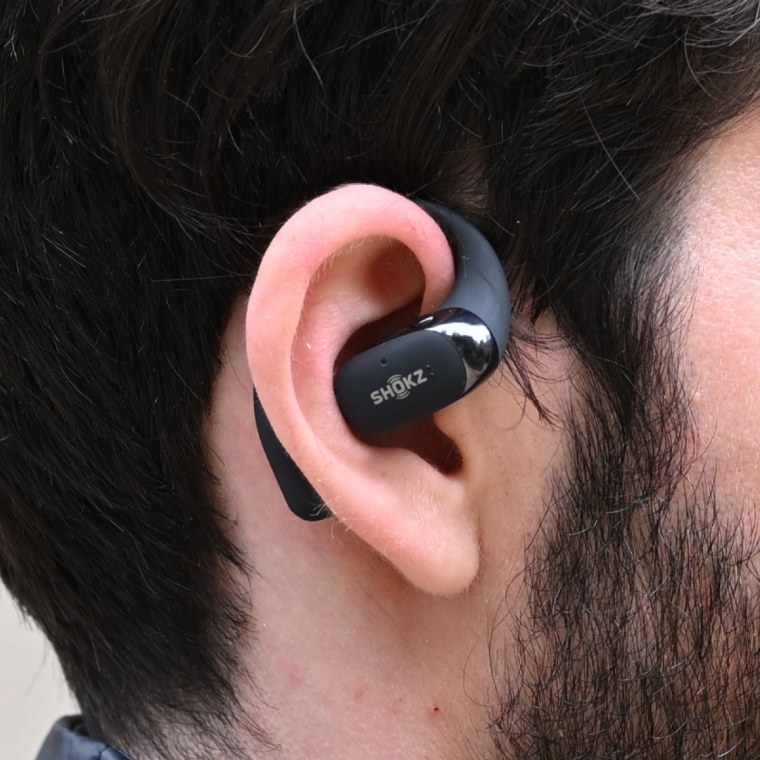
Wireless headphones versus wireless earbuds
Wireless headphones use larger ear cups that sit over or around your ears. Wireless earbuds fit inside the ear canal or rest near the ear opening.
Over-ear headphones usually provide:
- Better passive isolation
- Longer battery life
- Larger sound
- More comfortable listening for some users
- Stronger bass response
Wireless earbuds usually provide:
- Smaller size
- Easier portability
- Better use during exercise
- Less heat around the ears
- More discreet styling
Neither design is always better. The best wireless headphones for a long flight may be over-ear, while the best choice for a quick walk may be wireless earbuds.
Also consider hearing safety. Prolonged loud listening can damage hearing. The World Health Organization recommends keeping volume at a safe level and taking regular breaks.

Features that matter less than marketing suggests
Manufacturers often highlight technical features that sound impressive but may not improve your daily experience.
Very high-resolution audio claims
High-resolution wireless audio can be useful with compatible devices and services. However, the benefits may be subtle, especially in noisy places.
A comfortable fit and good tuning usually matter more than a long list of supported codecs.
Spatial audio
Spatial audio can make movies and music feel wider. It is especially effective with supported video content and head tracking.
Still, it is not essential. Some listeners enjoy it, while others prefer normal stereo sound.
Touch controls
Touch controls look modern, but they can cause accidental taps when adjusting the headphones. Physical buttons are often easier when walking or wearing gloves.
Try both types before choosing. Controls should feel natural rather than clever.
Common mistakes to avoid
Buying the best wireless headphones is easier when you avoid a few common errors.
- Choosing based only on brand name: A famous brand may not fit your needs.
- Ignoring weight: Heavy headphones can become uncomfortable after an hour.
- Assuming noise cancellation blocks every sound: Human voices and sudden noises may remain.
- Forgetting multipoint support: This matters if you use both a phone and computer.
- Overlooking return policies: Fit and comfort are hard to judge from photos.
- Buying for codec support alone: Real-world tuning and comfort matter more.
- Skipping app support: Some headphones need an app for updates and equalizer settings.
- Using maximum volume: Loud sound can cause hearing damage over time.
One practical lesson is to test headphones during your normal routine. Wear them while working, walking, or watching a movie. A short store test may not reveal pressure, heat, or connection problems.
How to care for wireless headphones
Good care can extend the life of your wireless headphones.
Use a soft, dry cloth to remove sweat and dust. Do not use too much liquid near the charging port, microphones, or buttons.
Store them in their case when possible. Avoid leaving them in a hot car, since heat can reduce battery health and damage adhesive parts.
You should also:
- Keep the firmware updated through the official app
- Avoid charging with damaged cables
- Clean ear cushions gently
- Do not share ear cushions without cleaning them
- Keep headphones away from rain unless they have a suitable water rating
- Replace worn ear cushions when available
Most over-ear headphones are not designed for heavy workouts. Sweat can enter the pads and electronics, even when the outside looks protected.
What are the best wireless headphones for different users?
Different users need different features. Here is a simple guide:
- For frequent flyers: Bose QuietComfort Ultra or Sony WH-1000XM5
- For office workers: Sony WH-1000XM5 or Bose QuietComfort
- For long battery life: Sennheiser Momentum 4
- For Apple households: AirPods Max
- For students: Anker Soundcore Space Q45
- For music-focused listeners: Sennheiser Momentum 4
- For people sensitive to clamping pressure: Bose QuietComfort
- For movie fans: AirPods Max or Bose QuietComfort Ultra
The best wireless headphones for you may not be the model with the highest score in every category. Think of the decision like choosing shoes. Running shoes, work boots, and dress shoes all serve different needs.
Frequently asked questions about the best wireless headphones
What are the best wireless headphones overall?
The Sony WH-1000XM5 is one of the best wireless headphones overall because it combines strong noise cancellation, clear sound, comfort, and useful smart features. The Bose QuietComfort Ultra is a better choice if maximum noise reduction is your top priority.
Are wireless headphones worth buying?
Yes, wireless headphones are worth buying if you value freedom from cables, easy phone use, and modern features. Battery charging is the main trade-off, but most quality models last long enough for daily use.
Which wireless headphones have the best noise cancellation?
The Bose QuietComfort Ultra and Sony WH-1000XM5 are among the strongest choices for active noise cancellation. Bose often has an edge with steady background noise, while Sony offers a broader mix of smart features and sound controls.
Which wireless headphones have the longest battery life?
The Sennheiser Momentum 4 Wireless is known for very long battery life among premium over-ear models. Actual performance changes with volume, calls, noise cancellation, and other settings.
Are wireless headphones safe for your ears?
Wireless technology itself does not make headphones unsafe. The main risk comes from listening too loudly or for too long, so keep the volume moderate and take regular breaks.
Can wireless headphones work without Bluetooth?
Many wireless headphones can work through a wired USB or 3.5-millimeter connection, but features may change in wired mode. Check the product manual because some models still need battery power for noise cancellation.
Conclusion
The best wireless headphones should fit your ears, your routine, and your budget. Sony WH-1000XM5 is the strongest all-around choice, Bose QuietComfort Ultra leads in noise cancellation, Sennheiser Momentum 4 excels in battery life and sound, and Anker Soundcore Space Q45 offers excellent value.
Focus on comfort, noise control, battery life, sound, and device compatibility before looking at advanced specifications. Choose the model that solves your daily problems, then protect your investment with sensible volume levels and basic care. Explore the options above, compare current prices and return policies, and choose the pair you will enjoy wearing every day.

Everett Ashford is a tech reviewer at mytechgrid.com specializing in SSDs, cameras, TVs, earbuds, headphones, and other consumer electronics. He provides honest, data-driven reviews based on hands-on testing and real-world performance analysis. Everett simplifies complex tech details to help readers make smart, confident buying decisions.