Bone conduction headphones do not usually cause hearing loss, but loud volume and long use can still damage hearing.
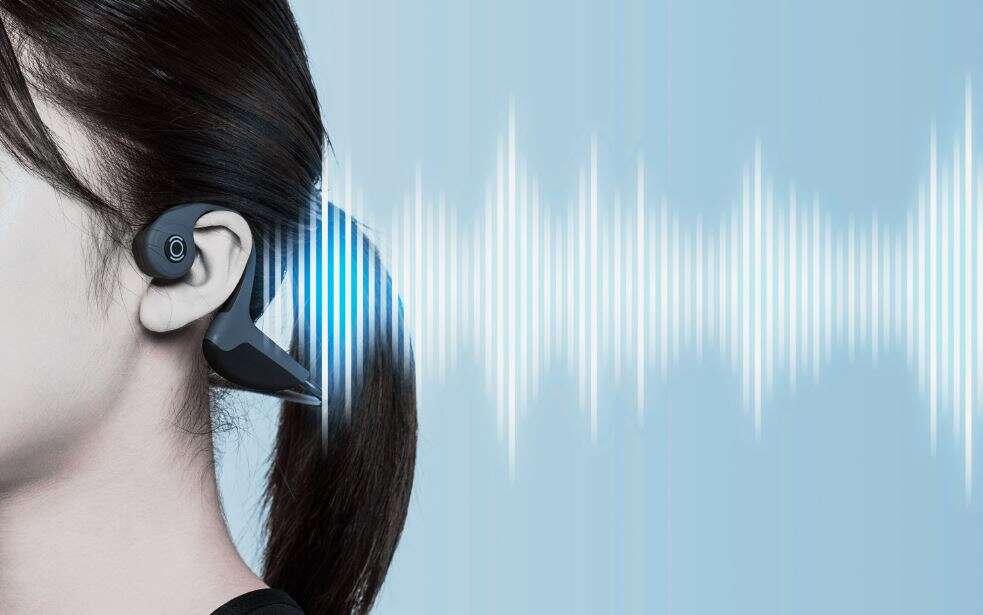
Bone conduction headphones send sound through the bones of your skull to the inner ear. This design leaves the ear canal open, which makes them useful for runners, cyclists, people with some outer-ear problems, and anyone who wants to hear nearby sounds.
Still, bone conduction does not make sound completely safe. The inner ear remains the part that receives the sound signal, and excessive volume can harm the delicate hair cells inside it. This guide explains can bone conduction headphones cause hearing loss, what the research suggests, how to use them safely, and when to see an audiologist.
How bone conduction headphones work
Traditional headphones send sound through the ear canal. The sound moves through the eardrum and middle-ear bones before reaching the cochlea, a small organ in the inner ear.
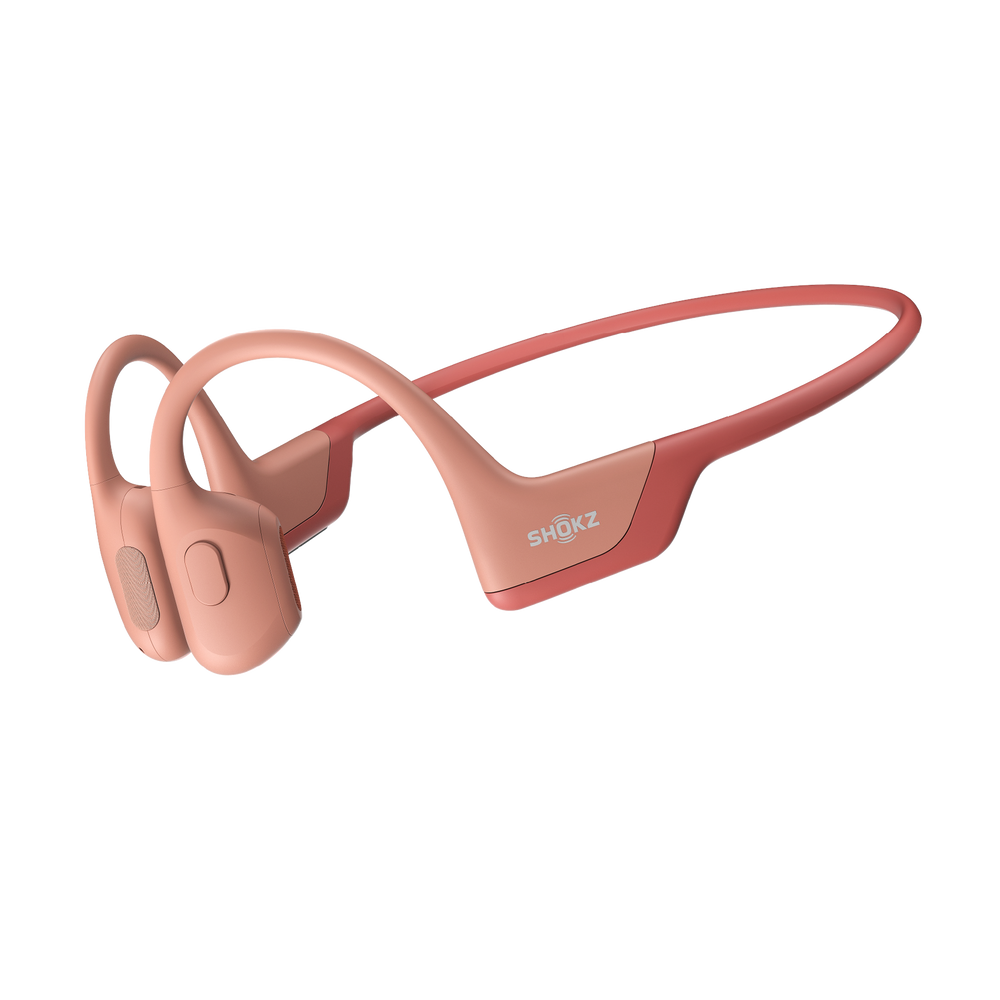
Bone conduction headphones use small transducers. These parts sit near the cheekbones or temples and create gentle vibrations. The vibrations travel through the skull to the cochlea, where they become nerve signals that the brain understands as sound.
This process can help bypass some problems in the outer or middle ear. However, it does not bypass the cochlea or the hearing nerve. That fact is central to understanding can bone conduction headphones cause hearing loss.
Think of the cochlea as a field of tiny grass blades. Loud sound can bend or damage these fragile hair cells. Whether the sound arrives through the ear canal or through bone, the cochlea may still face stress.
Can bone conduction headphones cause hearing loss?
Yes, bone conduction headphones can contribute to hearing loss if you use them too loudly or for too long. The risk is linked mainly to sound level, exposure time, and personal hearing health.
Bone conduction headphones are not automatically safer than regular headphones. They may feel less intense because they do not seal the ear canal, but this can lead some users to raise the volume in noisy places.
The World Health Organization warns that loud personal audio can cause permanent noise-induced hearing loss. The same basic rule applies to bone conduction devices: louder sound and longer exposure create more risk.
Common risk factors include:
• Listening near the highest volume setting
• Wearing the headphones for many hours each day
• Using them beside traffic, trains, gyms, or construction sites
• Ignoring ringing or muffled hearing after use
• Wearing a poorly fitted device that creates harsh vibration
• Having an existing hearing condition
So, can bone conduction headphones cause hearing loss in normal use? For most healthy adults, moderate use is unlikely to cause harm. The concern grows when listening habits push beyond safe limits.
Why bone conduction audio can still affect the inner ear
The cochlea contains thousands of sensory hair cells. These cells help turn vibration into electrical signals for the brain. Once damaged, they do not grow back in the same way skin cells do.
Bone conduction technology still stimulates the cochlea. It does not shield the inner ear from high sound pressure or strong vibration. This is why people should not treat bone conduction headphones as hearing protection.
A device may leave the ear canal open, but an open ear does not mean an unprotected cochlea. It simply changes the path that sound takes.
Some bone conduction models may also create a strong vibration when set to a high level. Research on long-term use is still developing, and product output differs between brands. This means we should avoid claiming that every model has the same risk.
The safest view is simple: use the lowest comfortable volume, take breaks, and watch for warning signs.
Are bone conduction headphones safer than regular headphones?
They can be safer in some situations, but not in every way. Their main advantage is awareness, not immunity from hearing damage.
Because the ear canal remains open, users may hear cars, bicycles, coworkers, alarms, and other sounds. This feature can improve safety during outdoor activities. It may also reduce the urge to remove one earbud to hear the environment.
Bone conduction headphones may be helpful for people with:
• Conductive hearing loss caused by some outer or middle-ear problems
• Narrow or sensitive ear canals
• Ear infections that make in-ear devices uncomfortable
• A need to hear speech and background sounds together
• Work or exercise settings where environmental awareness matters
Yet regular headphones may sound clearer in a loud setting. If bone conduction audio sounds weak beside traffic, users may turn it up too far. In that case, the safety advantage can disappear.
Can bone conduction headphones cause hearing loss more easily than regular headphones? There is no strong evidence that normal bone conduction use is inherently more damaging. The main issue remains total exposure to loud sound.
Bone conduction headphones and noise-induced hearing loss
Noise-induced hearing loss often develops slowly. Many people do not notice it until they struggle to follow speech in a busy restaurant or keep increasing the television volume.
Early signs can include:
• Ringing, buzzing, or hissing in the ears
• Muffled hearing after listening
• Trouble understanding speech in noise
• A feeling of pressure or fullness in the ears
• Needing to raise the volume more than before
• Sounds seeming harsh or distorted
Temporary ringing may fade after a few hours, but it still signals that the ears received too much sound. Repeated episodes can increase the chance of permanent damage.
The National Institute for Occupational Safety and Health and other hearing experts use exposure limits to explain this risk. In general, allowable exposure time falls as sound level rises. A small increase in loudness can greatly reduce the safe listening time.
There is no single volume percentage that works for every model. A setting of 60% on one device may not equal 60% on another. The best approach combines volume control, time limits, and attention to symptoms.

How loud is too loud?
A useful everyday rule is the 60/60 approach: keep the volume near 60% or lower and listen for no more than 60 minutes before taking a break. This is a simple guide, not a medical guarantee.
Your listening level may be too high if:
• Someone standing nearby can hear your audio clearly
• You must raise your voice to speak
• Your ears ring after listening
• Speech sounds dull when you remove the headphones
• The headphones feel painful or sharply intense
Noise-canceling headphones can help in loud places because they reduce the need to increase volume. Bone conduction models usually do not block background noise, so extra care is needed on busy streets and public transit.
A phone sound-exposure alert can also help. Some phones measure headphone audio and warn users when exposure is high. These tools are useful, but they may not perfectly measure the output of every bone conduction device.
Safe listening tips for bone conduction headphones
Safe habits can greatly reduce risk. You do not need to stop using bone conduction headphones if they fit your needs.
-
Start at a low volume. Increase it only until speech and music sound clear.
-
Take regular breaks. Remove the headphones for a few minutes each hour.
-
Avoid maximum volume. The highest setting is rarely needed in a quiet room.
-
Limit use in loud places. Move away from traffic, speakers, and heavy machinery when possible.
-
Check the fit. The transducers should sit in the correct spot without painful pressure.
-
Keep the device clean. Sweat and dirt can affect comfort and sound quality.
-
Do not sleep with them on. Long, unnoticed exposure can increase listening time.
-
Watch for symptoms. Stop using them if you notice ringing, pain, dizziness, or muffled hearing.
-
Get a hearing test if symptoms continue. A baseline test can help track changes over time.
Parents should be especially careful with children. Children may not recognize early warning signs or may choose a volume that feels exciting rather than safe. Use built-in volume limits when available.

Who should be cautious with bone conduction headphones?
Most people can use these devices safely at moderate levels. Some people, however, should ask a hearing professional for advice first.
Speak with an audiologist or doctor if you have:
• Sudden hearing loss
• One-sided hearing changes
• Persistent tinnitus
• Frequent ear infections
• A history of loud-noise exposure
• A cochlear implant or other hearing device
• Ear surgery or a known inner-ear disorder
Bone conduction headphones may support hearing in some cases, but consumer headphones are not the same as medical bone-anchored hearing systems. A medical device is fitted and programmed for a specific hearing need.
Do not use consumer headphones to manage a hearing problem without professional guidance. If hearing changes happen suddenly, seek urgent medical care. Sudden hearing loss can require prompt treatment.
Common mistakes that raise the risk
The biggest mistake is assuming that open-ear audio cannot damage hearing. It can still expose the inner ear to strong sound.
Another mistake is using the device in a loud place and raising the volume bit by bit. The listener may not notice how high the sound has become. This habit is common on airplanes, buses, and busy sidewalks.
A third mistake is ignoring tinnitus. Ringing is not proof of permanent damage, but it is a warning that your ears may need rest.
A practical lesson from headphone testing and user feedback is that comfort can hide overuse. Bone conduction headphones often feel less blocked than earbuds, so people may wear them longer. Set a time reminder instead of relying only on comfort.
Bone conduction headphones for running and cycling
Bone conduction headphones are popular with runners and cyclists because they keep the ears open. This can help users notice horns, voices, and approaching vehicles.
Even so, awareness is not the same as full safety. Music can still distract you, especially near intersections or in crowded areas. Keep the volume low enough to hear normal conversation and important traffic sounds.
Avoid using the headphones in places where you need complete attention. At a busy road crossing, construction zone, or shared trail, pause the audio if needed.
Can bone conduction headphones cause hearing loss during exercise? They can if loud music continues for long periods, especially when wind and traffic noise lead you to raise the volume. Short sessions at a comfortable level are a better choice.

What the research says
Research on personal listening devices consistently links excessive sound exposure with hearing risk. The strongest evidence concerns overall loudness and listening time, rather than one specific headphone design.
Studies of bone conduction technology often focus on speech, hearing rehabilitation, sound transmission, and device performance. They do not prove that every consumer model is harmless for unlimited use. Long-term data on daily recreational use are more limited than many advertisements suggest.
This creates an important evidence limit. We can explain the known biology with confidence, but we cannot give one universal safe setting for every person and every product.
Credible health guidance supports several points:
• Loud sound can damage cochlear hair cells.
• Risk rises with greater volume and longer exposure.
• Tinnitus and muffled hearing deserve attention.
• Open-ear design does not equal hearing protection.
• People with hearing problems should seek individual advice.
The most accurate answer to can bone conduction headphones cause hearing loss is therefore conditional: yes, excessive use may contribute to hearing damage, while moderate use at a safe level is generally considered low risk.
When to stop using them and seek help
Stop using bone conduction headphones if you develop pain, strong pressure, sudden muffled hearing, or new ringing. Rest in a quiet setting and see whether the symptoms improve.
Contact a doctor or audiologist if symptoms last more than a day, keep returning, or affect daily communication. Seek urgent care for sudden hearing loss, severe dizziness, facial weakness, or intense one-sided symptoms.
A hearing test is painless and can provide useful information. It may show whether your hearing is within the expected range or whether more evaluation is needed.
Do not try to diagnose hearing loss with a phone app alone. Apps can offer rough screening, but they do not replace a clinical hearing test.
Frequently Asked Questions About Can Bone Conduction Headphones Cause Hearing Loss
Can bone conduction headphones cause hearing loss at low volume?
Low-volume use is unlikely to harm hearing for most people. Risk still depends on listening time, device output, and your personal hearing health.
Are bone conduction headphones safer than earbuds?
They may be safer for ear-canal comfort and environmental awareness, but they are not automatically safer for the inner ear. Both types can contribute to hearing damage when used loudly for long periods.
Can bone conduction headphones cause tinnitus?
They may contribute to tinnitus if they deliver loud sound or are used for extended periods. Stop listening and seek advice if ringing is persistent, severe, or linked with hearing changes.
How long can I wear bone conduction headphones?
There is no single safe time for everyone, but short sessions with regular breaks are a sensible approach. Keep the volume low and avoid wearing them continuously for many hours.
Can children use bone conduction headphones?
Children can use them with close supervision and strict volume limits. Parents should check the volume, set time limits, and watch for ringing, complaints, or changes in behavior.
Can bone conduction headphones cause hearing loss if they vibrate strongly?
Strong vibration may indicate that the volume is too high or the device does not fit well. Turn the level down, reposition the headphones, and stop using them if the sensation remains uncomfortable.
Do bone conduction headphones protect hearing?
No. They leave the ear canal open, but they do not protect the cochlea from loud sound. Use certified hearing protection in noisy workplaces or other high-noise settings.
Conclusion
Bone conduction headphones can be a useful way to hear audio while staying aware of your surroundings. They may improve comfort for some users, but they still send sound to the cochlea, so excessive volume and long listening sessions can contribute to hearing loss.
Use a low volume, take regular breaks, and treat ringing or muffled hearing as a warning. If symptoms continue or appear suddenly, arrange a professional hearing check. Share this guide with someone who uses open-ear headphones, and explore trusted hearing-health resources before choosing your next pair.

Everett Ashford is a tech reviewer at mytechgrid.com specializing in SSDs, cameras, TVs, earbuds, headphones, and other consumer electronics. He provides honest, data-driven reviews based on hands-on testing and real-world performance analysis. Everett simplifies complex tech details to help readers make smart, confident buying decisions.