No. Bone conduction headphones are not fully silent. They send sound to your inner ear through vibrations in the bones near your ears, but they can also create a small amount of sound in the air. People nearby may hear a faint buzz or leak, especially when you use a high volume or wear the headphones loosely.
For most users in the United States, bone conduction headphones work best as open-ear headphones, not private or silent headphones. They can help you hear traffic, coworkers, cyclists, and other sounds around you. They are less suitable for quiet rooms, libraries, shared offices, or private listening.

How bone conduction headphones make sound
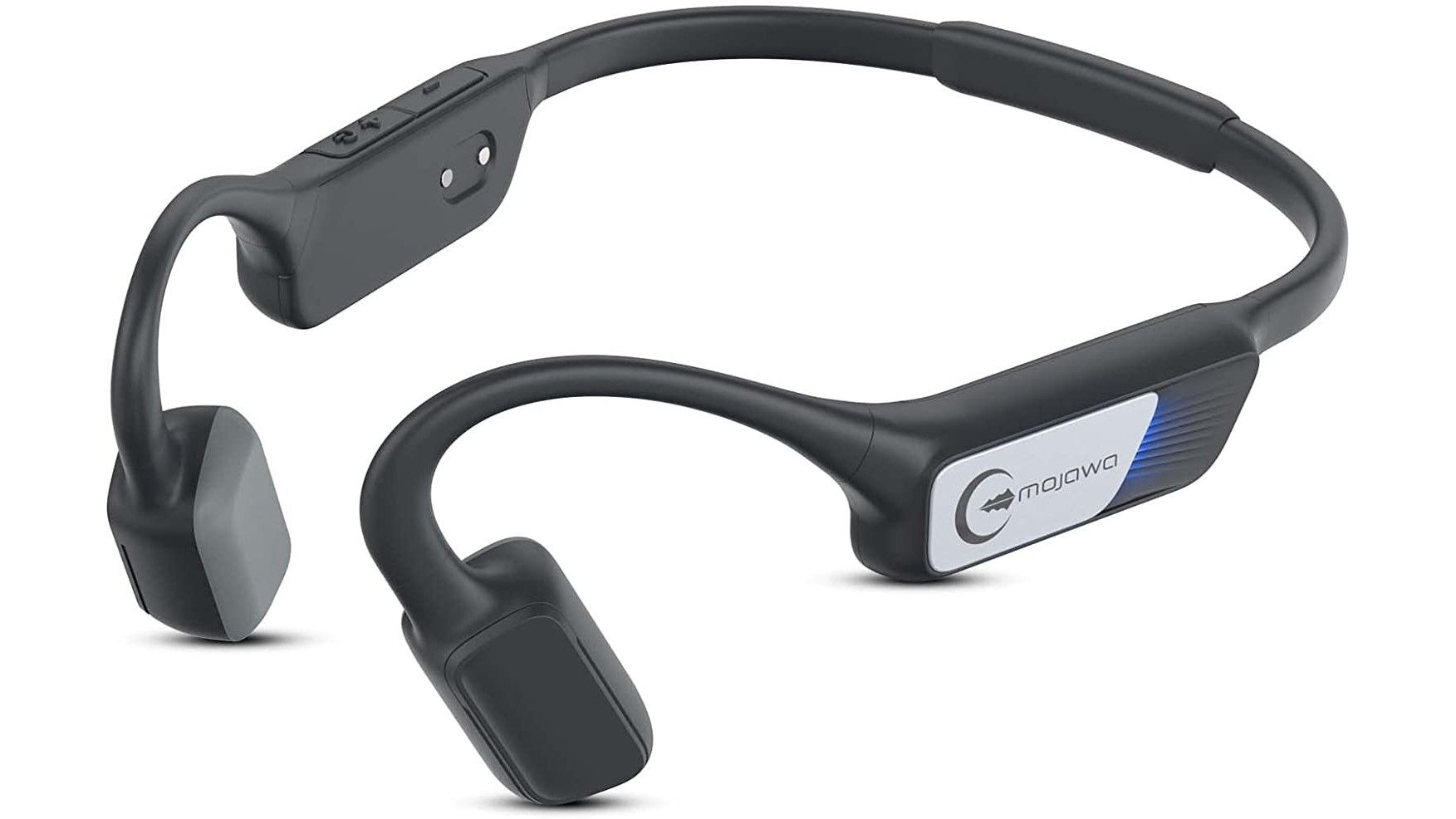
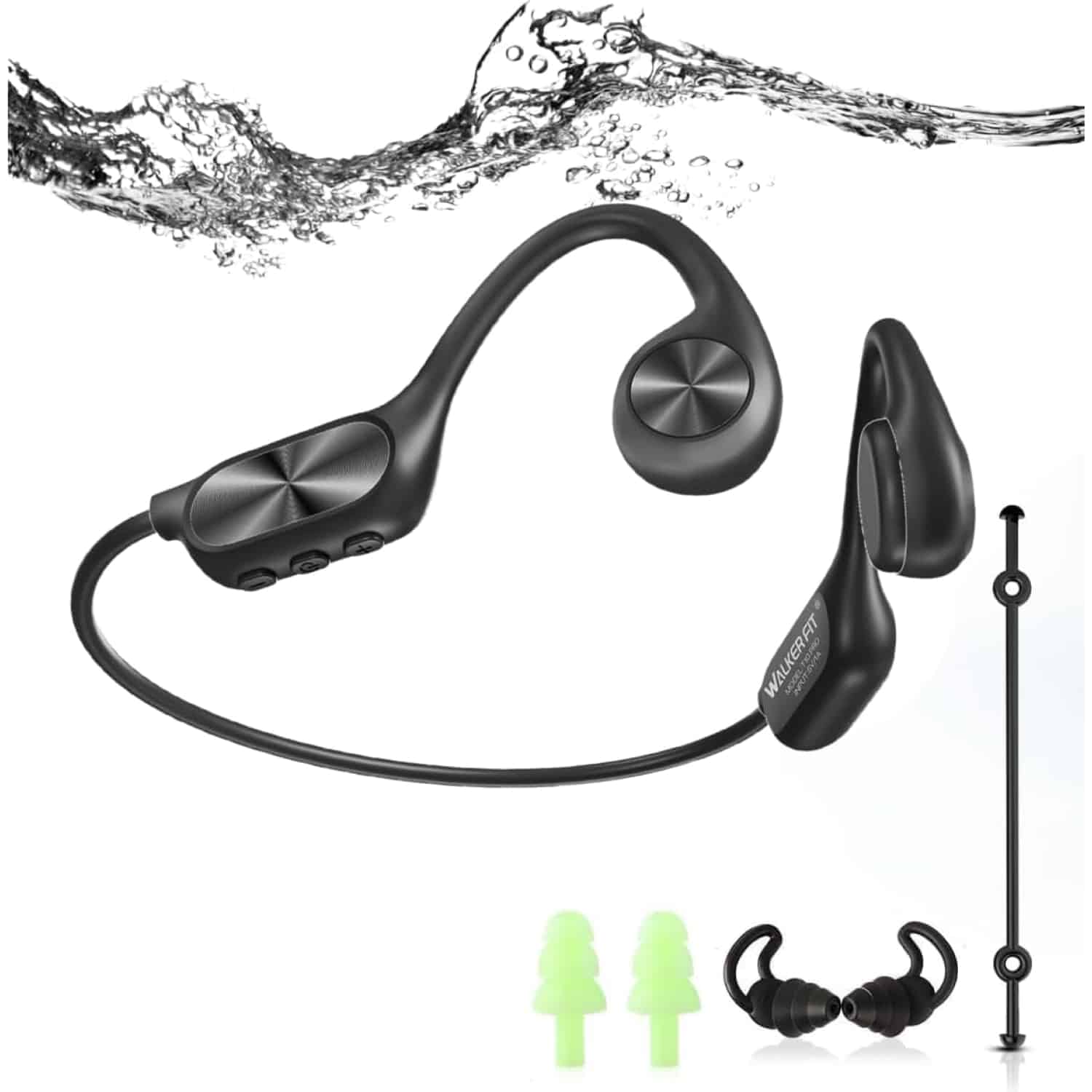
Bone conduction headphones use small transducers that rest against the skin near your cheekbones or in front of your ears. These parts vibrate when they receive an audio signal.
The vibrations travel through the bones of your skull to the cochlea. The cochlea is the part of the inner ear that changes vibration into signals your brain understands as sound.
Regular headphones send sound through this path:
- The speaker moves air.
- Sound enters the ear canal.
- The eardrum and middle-ear bones move.
- The cochlea receives the signal.
Bone conduction headphones use a different path:
- The transducer vibrates.
- The vibration moves through nearby bone.
- The cochlea receives the vibration.
- Your brain processes it as sound.
This does not mean the headphones make no sound in the air. The transducers still move slightly. Their vibration can reach the surrounding air and become audible to someone close by.
That is why “open ear” does not mean “silent.” It means the ear canal remains open.

Can other people hear bone conduction headphones?
Yes, but the amount of sound leakage varies. At a normal listening level, a person standing beside you may hear little or nothing. In a quiet room, however, someone nearby may notice a faint buzzing, ticking, or tinny version of the audio.
Sound leakage usually becomes more noticeable when:
- You raise the volume.
- The headphones sit loosely against your head.
- The transducers do not make even contact with your skin.
- You play speech, sharp high notes, or percussion.
- The room is quiet.
- Someone sits very close to you.
- The headphones have a poor fit or weak design.
A person a few feet away in a noisy American gym may not notice the sound. A person sitting next to you in a silent library might.
The amount of leakage differs by model. A general statement about all bone conduction headphones would be misleading. Product design, fit, volume, and the shape of your head all affect the result.
Bone conduction sound leakage compared with regular headphones
Bone conduction headphones usually leak more sound than well-sealed in-ear headphones. They may leak less obvious music than many open-back over-ear headphones, but the comparison depends on the model and volume.
| Headphone type | Ear canal blocked? | Can nearby people hear it? | Privacy level |
|---|---|---|---|
| Sealed in-ear headphones | Usually yes | Usually low | Higher |
| Closed-back over-ear headphones | No, but ear cups seal around the ear | Usually low to moderate | Moderate to high |
| Open-back headphones | No | Often noticeable | Low |
| Bone conduction headphones | Yes, the ear stays open | Often faint, but possible | Low to moderate |
| Small external speaker | No | Easy to hear | Very low |
This table gives a general comparison, not a test result for every product.
Why some bone conduction headphones sound louder than others
The transducer must maintain good contact with your skin. If it sits too far away, the vibration loses strength. You may then increase the volume, which can make sound leakage more noticeable.
Fit also changes the sound you hear. A headset that is too tight may feel uncomfortable. One that is too loose may sound weak, uneven, or more audible to people nearby.
Other key factors include:
Volume
Volume is often the biggest factor. The higher the setting, the greater the chance that someone nearby will hear leakage.
High volume can also expose you to hearing risk. Keeping the volume low enough that you can still hear your surroundings is a useful rule, but it does not guarantee a safe exposure level in every situation.
Headband position
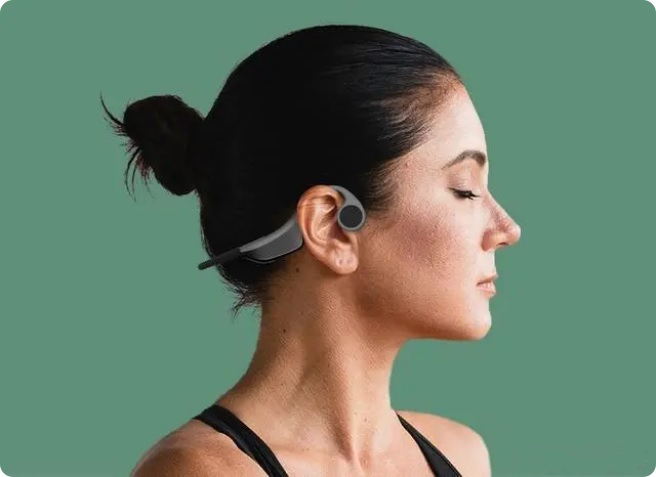
Most bone conduction headsets use a band that wraps behind the head. If the band shifts, the transducers may move away from the best contact points.
A small position change can affect:
- Bass response
- Speech clarity
- Comfort
- Vibration strength
- Sound leakage
Audio content
Bass-heavy music may create stronger physical vibration. High-pitched sounds and speech may be easier for another person to recognize.
A nearby person may not hear the full song. They may hear only a faint, distorted part of it.
Headphone design
Different products use different transducers, materials, power levels, and digital processing. A headset designed for sports may focus on stability and awareness rather than privacy.
Check the product’s manual for its intended use. A manufacturer’s claim about open-ear operation does not prove that the product is silent in real-world use.
Background noise
Noise masks leakage. A busy street, subway platform, or fitness center can hide faint sound. A silent office or bedroom will make the same leakage easier to notice.

Are bone conduction headphones silent when you wear them?
They are not silent to the wearer. You should hear the audio through bone vibration, and you may also hear some sound from the transducers.
The listening experience can feel different from regular headphones. Music may seem less full, especially in the bass. Voices and podcasts often work well, but the result depends on the fit and your hearing.
You may also hear outside sounds at the same time. That is a main feature of open-ear listening, not a defect.
If you hear a rattling sound, sharp buzzing, or strong vibration even when no music is playing, check the following:
- Pause the audio.
- Lower the volume to zero.
- Disconnect Bluetooth.
- Turn the headset off.
- Check whether the noise stops.
- Inspect the transducers for dirt or damage.
- Try another device or audio app.
A faint startup tone or connection sound may be normal. Persistent noise can indicate interference, a software problem, or hardware damage. Follow the maker’s support instructions before continuing to use a damaged headset.

How to test whether your bone conduction headphones leak sound
You can perform a simple home test. It will not replace a laboratory measurement, but it can show whether another person is likely to hear your headphones.
Simple sound-leak test
- Play the type of content you normally use.
- Set the volume to your usual level.
- Sit in a quiet room.
- Ask someone to stand at the distance that matters to you.
- Ask what they can hear.
- Repeat the test at a lower and higher volume.
- Test while walking, because movement can change the fit.
For a shared office, test from the next desk. For a library, test from a nearby chair. For a workout, test from the distance of another person using the same equipment.
Do not treat a result of “barely audible” as proof of privacy. A person may still recognize speech or music in a quiet setting.
Signs that leakage may be high
Sound leakage is more likely when:
- The person beside you can identify the song.
- You can hear the headset clearly when you hold it away from your head.
- You need a high volume to understand speech.
- The transducers touch your hair instead of your skin.
- The headset shifts during movement.
- The room is quiet enough to hear a soft electrical buzz.
If privacy matters, use sealed earbuds or closed-back headphones instead. Bone conduction headphones are designed for awareness, not sound isolation.

Are bone conduction headphones safe for your hearing?
Bone conduction headphones can still expose your cochlea to sound energy. The route into the inner ear differs from regular headphones, but loud sound can still pose a hearing risk.
The National Institute on Deafness and Other Communication Disorders explains that repeated or intense noise exposure can contribute to noise-induced hearing loss. The World Health Organization’s safe listening guidance also recommends limiting loud sound and taking listening breaks.
Use these practical steps:
- Keep the volume as low as practical.
- Take breaks during long listening sessions.
- Do not use high volume to overpower traffic or gym noise.
- Stop if you feel pain, pressure, ringing, or muffled hearing.
- Give your ears time to recover after loud sound.
- Seek medical advice if ringing or muffled hearing continues.
Bone conduction headphones should not be treated as hearing aids unless a specific product is legally marketed and prescribed for that purpose. If you have hearing loss, ear disease, dizziness, or pain, ask an audiologist or doctor whether this type of device is suitable.
Open-ear headphones also do not make outdoor listening risk-free. You may hear a car or bike, but that does not mean you can locate it accurately or react in time. Follow local traffic rules and avoid using any headphones when full attention is required.
When should you choose bone conduction headphones?
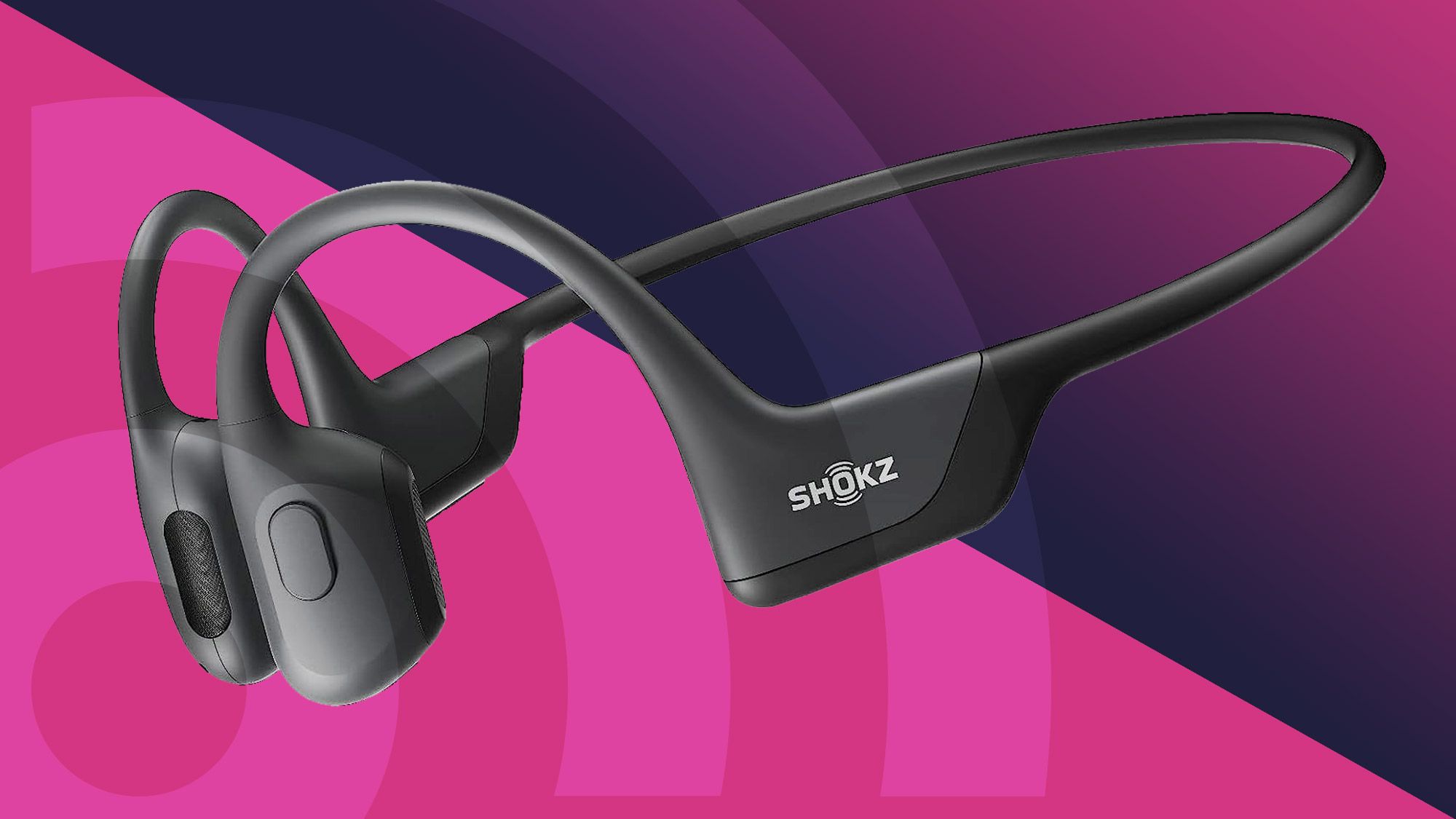
Bone conduction headphones may fit your needs if you want to listen while keeping your ears open.
They can be useful for:
- Walking or running in places where awareness matters
- Cycling where local laws allow headphone use
- Hearing a podcast while doing household tasks
- Working when you must hear a coworker
- Listening during outdoor exercise
- People who dislike ear tips inside the ear canal
They are a poor fit when you need:
- Strong noise isolation
- Private listening
- Deep bass
- Clear audio in a loud place
- Complete focus on music
- A quiet experience for people nearby
The key trade-off is simple: more awareness usually means less isolation and less privacy.
Quick decision table
| Your main goal | Better option |
|---|---|
| Hear traffic and your surroundings | Bone conduction or another open-ear headset |
| Keep music private | Sealed earbuds or closed-back headphones |
| Block airplane or office noise | Active noise-canceling headphones |
| Avoid ear-canal pressure | Bone conduction or an over-ear design |
| Get strong bass | Sealed earbuds or over-ear headphones |
| Share a quiet room without disturbing others | Low-volume sealed headphones |
No headphone type is best for every setting. Choose based on whether awareness, privacy, comfort, or sound quality matters most at that moment.
Common myths about silent bone conduction headphones
Myth: Bone conduction headphones cannot be heard by other people
They can. Leakage may be faint, but it is possible. The risk rises with volume, poor fit, and quiet surroundings.
Myth: Bone conduction headphones bypass the ears completely
They leave the ear canals open, but the cochlea still receives the sound signal. The inner ear remains central to hearing.
Myth: They are automatically safer than earbuds
Not automatically. Listening level, time, and personal hearing health still matter.
Myth: If you can hear outside sounds, you are fully aware
Outside sound can be masked by music, traffic, wind, or attention. Open ears improve awareness, but they do not replace safe behavior.
Myth: All bone conduction models leak the same amount
They do not. Hardware, fit, placement, and volume create meaningful differences.
Frequently asked questions
Can people hear bone conduction headphones in a library?
They might. At a low volume, leakage may be hard to notice. In a quiet library, though, a nearby person could hear a faint buzz or parts of speech and music. Use sealed headphones if you need reliable privacy.
Are bone conduction headphones silent on a phone call?
No. The headset may produce audible leakage, and the microphone can also pick up wind or nearby noise. Call quality depends on the headset, phone, software, and surroundings.
Why do my bone conduction headphones sound quiet?
The headset may not sit in the correct position, the volume may be limited, or the audio source may be quiet. Clean the contact areas, adjust the band, check your phone’s volume controls, and test another audio source. Do not increase the volume without checking the fit first.
Can bone conduction headphones damage hearing?
They can contribute to hearing damage if used loudly or for long periods. The safest approach is to use the lowest comfortable volume, take breaks, and stop if you notice ringing, pain, or muffled hearing.
Do bone conduction headphones work for people with hearing loss?
They may help some people hear sound through bone vibration, but results vary by the type and cause of hearing loss. They are not a substitute for an audiology assessment or a prescribed hearing device.
Bottom line
Bone conduction headphones are not silent. They send much of the audio through vibration, but some sound can still escape into the air. Leakage is usually most noticeable at high volume, with a loose fit, or in a quiet room.
Choose them when you want to hear your surroundings. Choose sealed earbuds or closed-back headphones when privacy and isolation matter more. Before using any headphones for long periods, test the fit, lower the volume, and take regular listening breaks.

Everett Ashford is a tech reviewer at mytechgrid.com specializing in SSDs, cameras, TVs, earbuds, headphones, and other consumer electronics. He provides honest, data-driven reviews based on hands-on testing and real-world performance analysis. Everett simplifies complex tech details to help readers make smart, confident buying decisions.