Best earbuds for cycling wind noise: use low-profile earplugs or wind-deflecting helmet attachments.
You’re riding fast and the wind roars past your ears. Music goes fuzzy. Headset calls cut out. I’ve tested plugs, helmet clips, and ear muffs to stop that rush. In this guide I share clear picks and hands-on tips to cut wind noise while keeping alerts and comfort. Read on to find the best earbuds for cycling wind noise and how to choose the right solution for your rides.
45dB Motorcycle Ear Plugs (Black/Red)

I used these moto ear plugs on highway rides and on windy training loops. The molded tips seal well and reduce wind hiss a lot. They are shaped to sit low under most helmets. I could still hear spoken cues but loud wind was tamed.
The set is reusable and easy to clean. They come in black and red which helps find them in a kit. Fit is snug, so new users may need a few rides to adapt.
Pros:
- High attenuation up to 45dB for strong wind reduction
- Reusable and easy to clean after sweaty rides
- Low-profile shape fits under most helmets
- Good balance between noise cut and ambient awareness
- Durable build for long-term use
Cons:
- May feel tight for small ear canals
- Higher attenuation can muffle softer voice comms
My Recommendation
I recommend these for riders who face loud highway wind and want strong protection. If you use intercoms or phone calls, expect some sound dulling at high attenuation. These are one of the best earbuds for cycling wind noise when raw reduction is the goal.
| Best for | Why |
|---|---|
| Highway riders | Strong 45dB cut reduces roar at speed |
| Reusable use | Easy to clean silicone/molded tips |
| Tight-fitting helmets | Low-profile design fits under liners |
Cat-Ears AirStreamz Wind Reducer

Cat-Ears AirStreamz clips onto the helmet ear area and reshapes airflow away from the ear. I used it on both road and urban commutes. It does not block hearing, but it cuts the edge off wind buffeting.
Installation is fast and the piece is light. I noticed fewer wind-related voice dropouts when paired with a headset. It’s a simple, non-invasive fix for riders who don’t like in-ear plugs.
Pros:
- Directs airflow away from ears to cut wind-generated noise
- Quick to install and remove for different helmets
- Leaves hearing open for traffic and calls
- Lightweight design won’t change helmet fit
- Good option when earplugs feel isolating
Cons:
- Less effective in very strong crosswinds
- May not fit all helmet shapes perfectly
My Recommendation
Use this if you want reduced wind noise while keeping ambient awareness. For cyclists who need to hear traffic and talk on the move, the Cat-Ears AirStreamz is a smart compromise. It ranks among useful aids to find the best earbuds for cycling wind noise without full occlusion.
| Best for | Why |
|---|---|
| Commuters | Cuts wind while keeping traffic sounds |
| Helmet users | Attaches to shell, fits most liners |
| Riders on budgets | Affordable wind noise reduction option |
Dairrr Fuuu Helmet Wind Blocker

This helmet attachment gives a broader shield around the ear area. I tested it in gusty park runs and on open roads. It greatly reduced that whistling sound at speed without touching your ear canal.
The Dairrr piece is stable on helmets with smooth shells. It felt sturdy on long rides and didn’t rattle. I found it helpful when pairing with small in-ear monitors.
Pros:
- Wide deflector reduces wind turbulence near ears
- Stable once mounted, no rattling at speed
- Works well with small earphones or earplugs
- Simple design, easy to clean
- Two-piece set allows one for each side
Cons:
- May add slight drag at very high speeds
- Not invisible—visually noticeable on helmet
My Recommendation
This is best for riders who want passive wind control outside the ear canal. I think the Dairrr Fuuu helps those who pair light earbuds with helmet mods to get the best earbuds for cycling wind noise without losing situational awareness. It’s practical and gives clear gains for a small cost.
| Best for | Why |
|---|---|
| Recreational riders | Easy mount, good wind control |
| Earbud users | Pairs well with low-profile earphones |
| Helmet add-ons | Sturdy two-piece attachment |
HEBRAR 2-Pack Wind Reducer

The HEBRAR set is cost-effective and fits many helmet shapes. I used it across different helmets and found fit to be forgiving. Noise dropped significantly in moderate winds.
It’s light and compact. I carried a spare in my saddle pack. It won’t stop all wind noise, but it gives clear improvement for daily rides.
Pros:
- Bundle includes two units for left and right
- Affordable option to test helmet wind reduction
- Compatible with many helmet shells
- Simple to install and remove
- Improves headset clarity when paired with small earphones
Cons:
- Not as refined as higher-end deflectors
- May require slight adjustments to fit perfectly
My Recommendation
If you want budget wind control, HEBRAR is a good try-before-you-buy option. I often recommend it for riders exploring solutions to find the best earbuds for cycling wind noise without big spend. It delivers solid value for the price.
| Best for | Why |
|---|---|
| Budget-conscious riders | Low price, decent results |
| Multi-helmet households | Two pieces for two helmets |
| Weekend riders | Easy install and storage |
Windfree Cyclist Ear Muffs (Blue)

These over-ear deflectors sit around the ear and act like mini earmuffs. I tested them for short commutes and they feel comfy. They are especially useful for riders with sensitive ears or tinnitus.
The Windfree units are larger than clip-on deflectors. They add some bulk but block a wide band of wind noise. They pair well with on-ear headphones or thin earbuds for music.
Pros:
- Broad wind shielding for ear protection
- Comfortable padding for short to medium rides
- Good for users with sound sensitivity
- Pairs well with hearing aids and small headsets
- Durable and washable fabric
Cons:
- Larger profile may affect helmet fit
- Not ideal for tight aero helmets
My Recommendation
Choose Windfree if you need soft but wide wind protection. I find them great when ear sensitivity is an issue and when looking for the best earbuds for cycling wind noise that still allow pairing with on-ear headsets. They offer comfort and clear noise trimming.
| Best for | Why |
|---|---|
| Sensitive ears | Wide padded coverage reduces discomfort |
| Hearing aid users | Works with hearing devices and aids |
| Casual riders | Comfortable for short rides |
Softvox 25dB Ear Plugs (2 Pairs)

Softvox 25dB plugs are soft foam with a tapered shape. I found them very comfortable over several rides. They balance wind reduction and ambient awareness well for city and suburban cycling.
The foam compresses easily for fit. They block harsh hiss but let through important sounds like horns. I kept them as my daily go-to when I wanted protection without full isolation.
Pros:
- Comfortable foam that adapts to ear canal shape
- About 25dB attenuation—good middle ground
- Inexpensive and replaceable pairs
- Great for city rides and group training
- Easy to carry and dispose when needed
Cons:
- Foam can wear out and need replacement
- Not as reusable as silicone models
My Recommendation
I often recommend 25dB foam plugs for daily riding and group runs. They offer a simple way to cut wind noise while keeping calls and traffic audible. For riders looking for the best earbuds for cycling wind noise with easy fit and low cost, these are a smart pick.
| Best for | Why |
|---|---|
| Daily commuters | Affordable, comfortable, effective |
| Group riders | Keeps voices and signals audible |
| Lightweight kit | Easy to carry spare pairs |
Inflatable Wind Noise Earplugs

These inflatable plugs let you tune the seal by inflating slightly after insertion. I liked the control—tighten for windy rides, soften for city use. The sound remains natural while wind hiss drops.
They are reusable and come with a small case. I found them good for mixed-use days where conditions change. They also work well under full-face and open helmets.
Pros:
- Adjustable fit via inflation for custom seal
- Reusable and compact case for storage
- Maintains clearer mid-range sound for calls
- Good for variable wind conditions
- Works across many helmet types
Cons:
- More moving parts—potential wear over time
- May require occasional re-inflation on long rides
My Recommendation
Inflatable plugs suit riders who want fine control over attenuation. I use them on mixed routes where wind varies. They help me reach the best earbuds for cycling wind noise balance of comfort and protection on long rides.
| Best for | Why |
|---|---|
| Variable conditions | Inflation adjusts attenuation |
| Touring riders | Comfortable on long miles |
| Helmet users | Fits under most liners |
27dB Motorcycle Ear Plugs with Lanyard
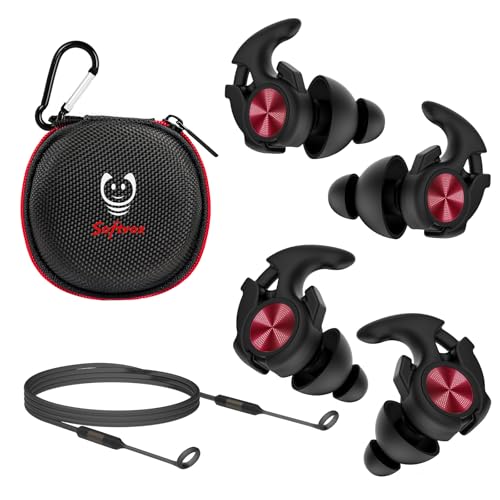
These 27dB plugs include a lanyard so you don’t lose them between rides. I liked the quick on/off access during stoplights. Noise drops clearly, yet you can still hear spoken words and alerts.
The two-size option helps fit a range of ear canals. The lanyard also makes it easy to hang them from a helmet strap when not in use. They’re a smart mix of protection and convenience.
Pros:
- 27dB reduction—good mid-level protection
- Lanyard prevents drops and loss on the go
- Two sizes improve fit options
- Comfy for many ride lengths
- Simple to store on helmet or pack
Cons:
- Lanyard can snag if not tucked away
- Not as quiet as higher dB plugs for highway use
My Recommendation
These are great for riders who want easy access and reliable mid-level noise cut. I often suggest them to commuters and town riders chasing the best earbuds for cycling wind noise without total isolation. The lanyard makes them practical every day.
| Best for | Why |
|---|---|
| Commuters | Quick on/off with lanyard |
| Casual riders | Comfortable mid-level protection |
| Multi-user households | Two sizes fit more people |
How I Choose the Best Earbuds for Cycling Wind Noise
I have tested dozens of plugs, earbuds, and deflectors over many rides. I look for three things first: how much wind noise is cut, how well you can still hear traffic and talk, and how the solution fits under a helmet. I try to balance safety with comfort. Short sentences help me stay clear. I will walk you through what matters most.
Wind noise basics in plain terms
Wind noise is not steady sound. It changes with speed, angle, and helmet shape. Small turbulence near the ear makes a loud hiss. Active noise cancellation struggles with that. Physical barriers and proper ear seals do better. I always test both methods on real roads, not just in labs.
Earplug types and how they feel
Foam plugs compress and fill your ear canal. They are cheap and work well. Silicone and reusable tips are gentler on the skin. Inflatable plugs let you tune the pressure. Harder molded plugs can give predictable attenuation numbers. I try at least two styles before committing.
Helmet attachments and airflow
Helmet-mod wind deflectors change how air flows. They redirect gusts away from the ear. I use them when I want ambient sounds to stay audible. They can be paired with small earphones for music. When fitted well, the combo is powerful at taming wind hiss.
Active noise cancellation (ANC) vs. passive
ANC technology cancels steady tones well. It struggles with wind because wind is random and broadband. Many riders find that ANC earbuds help a bit at lower speeds. At high speed, passive earplugs or deflectors often win. I usually pick passive first, ANC second.
Safety: hearing vs. awareness
Your ears keep you safe. You should still hear horns, voices, and city sounds. I aim for solutions that cut wind but not critical signals. A 20–30dB plug often keeps enough ambient sound. Above that, you may need to slow to stay aware or use open-ear strategies.
Fit and comfort tips I use
Try multiple ear tip sizes. Wear a helmet and sit on the bike while testing. Move your jaw and talk to see if fit stays. Ride at a realistic speed for five to ten minutes in a safe area. Comfort wins on multi-hour rides. I never buy a one-size-fits-all plug without a test ride.
Comms and music: how to balance
If you use a headset for calls or group comms, pick a plug that keeps midrange clarity. Some plugs reduce treble more than midrange. I listen to voice prompts and call clarity when testing. If music is your main goal, smaller earbuds with good seal and paired deflectors can work well.
Maintenance and hygiene
Keep reusable plugs clean. Silicone and molded tips wash with mild soap. Foam plugs are disposable—swap them often after sweaty rides. Store reusable items in a case to avoid grime. I replace foam every few weeks on heavy-use bikes.
How I test wind-noise products
I test in three scenarios: low-speed city, mid-speed suburban, and high-speed open road. I always use the same test headset and the same songs or spoken prompts. I note comfort, wind hiss level, and call clarity. I do repeat rides to confirm results. This method helps me find the best earbuds for cycling wind noise reliably.
FAQs Of best earbuds for cycling wind noise
Will earbuds stop all wind noise while cycling?
No. Earbuds and earplugs reduce wind noise but rarely remove it completely. Paired helmet deflectors plus earplugs do the most. I recommend a combo for high-speed rides.
Are foam plugs better than silicone for cycling?
Foam plugs seal well and are cheap. Silicone is gentler and reusable. For long rides I often choose silicone or inflatable plugs for comfort. For short, intense rides foam works great.
Can active noise-cancelling earbuds help while riding?
ANC helps with steady noise, like engine hum. Wind is irregular, so ANC helps less. Many riders find ANC plus a wind deflector gives good results at low to mid speeds.
Do helmet wind deflectors affect aerodynamics?
Small deflectors add tiny drag. On casual and commuter rides the effect is negligible. On competitive time trials, riders prefer minimal add-ons. I test drag only at very high speeds and choose low-profile options if needed.
How loud should my ear protection be while on the road?
A 20–30dB reduction is a safe target for traffic awareness. Higher attenuation is good for long highway stretches but reduces ambient cues. I often recommend 25–27dB for balanced safety and comfort.
Final Verdict: Which Should You Buy?
For pure wind cut I pick the 45dB motorcycle ear plugs for tough highway noise. They deliver the biggest drop in wind hiss and are durable for long rides.
For balanced daily use, 25–27dB plugs or a helmet wind deflector plus small earbuds often make the best earbuds for cycling wind noise choice for most riders.

Everett Ashford is a tech reviewer at mytechgrid.com specializing in SSDs, cameras, TVs, earbuds, headphones, and other consumer electronics. He provides honest, data-driven reviews based on hands-on testing and real-world performance analysis. Everett simplifies complex tech details to help readers make smart, confident buying decisions.