
Most M.2 SSD stickers can be removed, but thermal pads and warranty seals need caution.
I’ve installed and tested dozens of NVMe drives, and I’ll walk you through the real answer to do you take the sticker off m.2 ssd. This guide explains when removing that sticker is safe, when it’s risky, how it affects heat and warranty, and step-by-step safe removal methods based on hands-on experience. Read on for practical tips, clear rules, and troubleshooting you can use today.

Why people ask "do you take the sticker off m.2 ssd"?
Users see a label on their drive and wonder if peeling it off helps cooling or is needed for installation. The question do you take the sticker off m.2 ssd shows up often because M.2 drives are small, hot, and sometimes covered by thin adhesive labels or thermal pads. People want simple rules: can I remove it, will it void warranty, and will it affect temperatures or performance?
Manufacturers differ. Some use a paper label for serials and barcodes. Others use a thermal sticker that also acts as a heat spreader. Knowing which type you have is key. This section breaks down the types and why the question matters for longevity and safety.

Types of stickers and labels on M.2 SSDs
Understanding what the sticker does helps answer do you take the sticker off m.2 ssd. Here are the common types.
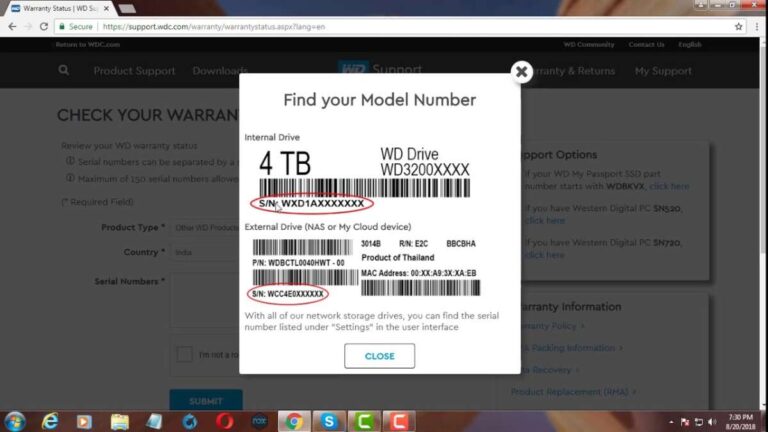
- Paper label for model, serial, and QR codes. These are usually non-functional beyond identification.
- Thin adhesive over components. Sometimes used to keep tiny parts in place during shipping.
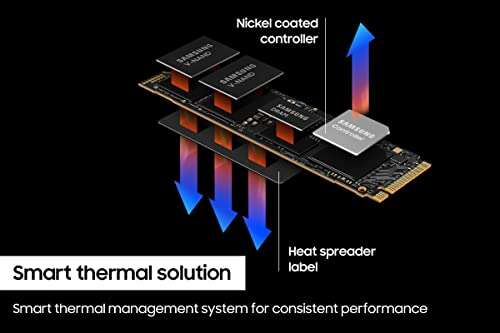
- Thermal pad or conductive sticker. This transfers heat to a heatsink or to the board.
- Warranty or tamper-evident seal. Removing this may void warranty.
If the label is clearly just paper with printing, removal is usually safe. If it feels like a rubbery or squishy pad, treat it as thermal material and do not remove without understanding the consequence.
Does removing the sticker affect performance or warranty?
People ask do you take the sticker off m.2 ssd to improve cooling or to avoid voiding warranty. The truth depends on the sticker type and manufacturer terms.
- Performance: Removing a non-thermal paper label won’t change temperatures. Removing a thermal pad can raise peak temps and may increase throttling under heavy load.
- Warranty: Many warranty statements say tampering with tamper-evident seals can void coverage. Removing a plain barcode label usually won’t, but removing a tamper seal might.
When in doubt, check the drive paperwork or the maker’s support pages. If you can’t verify, take photos and contact support before removing anything.

How to safely remove stickers from M.2 SSDs
If you decide to remove a sticker after confirming it’s not a thermal pad or warranty seal, follow safe steps. I’ve done this multiple times without harming drives by using simple, careful techniques.
- Power down and unplug the computer.
- Ground yourself to avoid static. Use an anti-static wrist strap or touch a metal chassis.
- Warm the sticker gently with a hair dryer on low for 10–15 seconds to soften the adhesive.
- Lift a corner with plastic tweezers or fingernail. Pull slowly and steadily at a low angle.
- If residue remains, use isopropyl alcohol (90%+) on a lint-free cloth to remove it. Let it dry completely before reinstallation.
Avoid metal tools that can scratch the PCB or dislodge tiny components. Do not use solvents that could eat adhesives under components, and never peel off anything that feels cushiony or rubber-like without confirming it’s not thermal material.

When you must not remove the sticker
The short answer to do you take the sticker off m.2 ssd is: don’t remove if it’s thermal or a warranty seal. Here are clear no-go scenarios.
- The sticker is cushy or spongy and sits over chips — likely a thermal pad.
- The label explicitly warns “Do not remove” or covers screws/contacts.
- A holographic or tamper-evident seal that looks like a warranty mark.
- The manufacturer documentation states labels are required for warranty.
If the sticker is part of a factory heat-spreading solution, removing it will typically increase temperatures and may shorten drive life. When uncertain, leave it on or ask support.

Personal experience and practical tips
From swapping drives in laptops and desktops, I’ve learned a few simple lessons that matter when thinking about do you take the sticker off m.2 ssd.
- I once removed what I thought was a paper label only to find a thin foam thermal pad underneath. Temperatures rose a few degrees and sustained workload throttled slightly. I reseated a heatsink and restored normal temps.
- For systems without dedicated M.2 heatsinks, adding a small aluminum or copper heatsink gave a larger benefit than removing any label.
- Always photograph the drive before you touch it. Photos help if you need warranty support later.
Practical tips:
- If you need better cooling, install an M.2 heatsink rather than peeling stickers.
- Use a quality thermal pad replacement only if you understand thickness and conductivity.
- Keep spare thermal pads and small heatsinks in your toolkit for upgrades.

Troubleshooting and related concepts
If you removed a sticker and notice issues, these checks solve most problems. They also help answer do you take the sticker off m.2 ssd for future projects.
- Check temperatures with monitoring tools during read/write tests. Compare before and after if possible.
- If you removed a warranty seal, record the serial and photos and contact support about potential options.
- Reapply a thin thermal pad or install a heatsink if temps rose noticeably.
Related concepts to learn:
- NVMe vs SATA M.2: NVMe drives often run hotter due to higher performance.
- Thermal throttling: A safety mechanism that reduces speed to protect the drive at high temps.
- Heatsink selection: Match size and pad thickness to your M.2 layout for best results.

Frequently Asked Questions of do you take the sticker off m.2 ssd
Should I remove the sticker on my M.2 SSD to improve cooling?
If the sticker is a thermal pad or part of a heat spreader, do not remove it. If it’s just a paper label, removal will not affect cooling.
Will removing the sticker void my SSD warranty?
Removing a tamper-evident or warranty label can void warranty in some cases. Check the manufacturer’s warranty terms or contact support before removing such stickers.
How can I tell if the sticker is a thermal pad?
Thermal pads feel soft or rubbery and often cover the controller or NAND chips. Paper labels are flat and papery; if unsure, don’t peel it off.
What is the safest way to remove a paper sticker from an M.2 SSD?
Power down, ground yourself, warm the sticker lightly, lift a corner with plastic tweezers, and pull slowly. Clean residue with 90%+ isopropyl alcohol if needed.
Does removing a label affect SSD performance?
Removing a plain label does not affect performance. Removing a functional thermal pad can increase temperatures and cause throttling.
Can I replace a removed thermal pad with a new one?
Yes, but match thickness and thermal conductivity to the original. Use proper mounting and test temperatures after installation.
Conclusion
Most of the time, the question do you take the sticker off m.2 ssd has a simple answer: don’t remove stickers that are thermal or warranty seals, and you can remove plain paper labels carefully. Check the type before you act, use gentle removal steps, and prefer adding a heatsink over peeling functional material. Try the safe methods above, test temperatures, and reach out to support if you’re unsure. If this helped, try a small upgrade like a low-profile heatsink and share your results or questions in the comments.

Jamie Lee is a seasoned tech analyst and writer at MyTechGrid.com, known for making the rapidly evolving world of technology accessible to all. Jamie’s work focuses on emerging technologies, product deep-dives, and industry trends—translating complex concepts into engaging, easy-to-understand content. When not researching the latest breakthroughs, Jamie enjoys exploring new tools, testing gadgets, and helping readers navigate the digital world with confidence.