Choose the earbud size that seals your ear gently, stays secure, and remains comfortable for hours.
Learning how to choose the right earbud size is more than picking the largest or smallest tip in the box. The right fit affects comfort, sound quality, noise isolation, battery use, and even how safely you hear your surroundings. With a simple fit test and a few small adjustments, you can find earbuds that feel natural instead of painful or loose.
Why Earbud Size Matters
Earbud size affects how the earbud sits inside your ear canal. A good ear tip creates a gentle seal without pressing hard against the skin. This seal helps keep the earbud stable and improves the way you hear bass, voices, and fine details.
When learning how to choose the right earbud size, think of the ear tip like a soft cork. It should close the space without forcing its way in. If the seal is too loose, outside noise enters and music may sound thin. If it is too tight, your ears may feel sore or blocked.
The wrong size can also make you turn up the volume. That may expose your ears to more sound than needed. Hearing health guidance often recommends keeping volume at a moderate level and taking regular listening breaks, especially when using earbuds for long periods.
A proper fit can provide several benefits:
• Better bass and clearer sound
• More reliable noise cancellation
• Less earbud movement during exercise
• Lower need for high volume
• Greater comfort during long listening sessions
• Better microphone performance during calls

How to Choose the Right Earbud Size
Most earbuds come with small, medium, and large silicone tips. Some models also include extra-small, extra-large, foam, or double-flange tips. The size printed on the package is only a starting point because every ear has a different shape.
Use this process to learn how to choose the right earbud size:
-
Start with the medium tips if you are unsure. They often provide a useful baseline.
-
Attach the tip firmly to the earbud nozzle. A loose tip may remain in your ear when you remove the earbud.
-
Insert the earbud gently. Do not push it deep into the ear canal.
-
Twist the earbud slightly until it feels stable. Many earbuds fit best when angled toward the back of the head.
-
Listen to music with steady bass and clear vocals. Notice whether the sound feels full and balanced.
-
Walk, talk, and move your jaw. The earbud should stay in place without constant adjustment.
-
Try the next size up or down. Compare comfort and sound for at least a few minutes.
-
Repeat the test with the other ear. Your left and right ears may need different sizes.
A correct fit should feel secure but not forceful. You should not feel sharp pressure, aching, itching, or a strong plugged sensation. The earbud should also remain comfortable after 30 to 60 minutes, not just during the first minute.
Signs the ear tip is too small
A tip that is too small may let air and noise pass around it. You may notice these signs:
• Bass sounds weak or disappears when you move
• The earbud slips out during walking
• Noise cancellation seems poor
• You keep pressing the earbud back into place
• You raise the volume to hear clearly
Signs the ear tip is too large
A tip that is too large may create too much pressure. You may notice:
• Soreness near the ear canal
• A tight or painful feeling
• Ear fatigue after a short time
• Trouble inserting the earbud
• A blocked feeling that does not improve
The best answer to how to choose the right earbud size is not always “choose the biggest size that stays in.” Comfort and a stable seal must work together.

How to Test an Earbud Seal
A seal test helps you find the right size without guessing. It is especially useful for in-ear earbuds with passive noise isolation or active noise cancellation.
First, play a familiar song with deep bass and soft vocals. Keep the volume low. Switch between two tip sizes while keeping the earbud in the same position.
The better seal will usually produce fuller bass and a more focused sound. It should not make the music feel painfully loud. If the sound changes greatly when you press the earbud inward, the tip may be too small or the earbud may not be seated correctly.
You can also test the seal with outside noise. Stand near a safe, steady sound, such as a fan. With noise cancellation turned off, a good tip should reduce some outside sound without making your ear feel pressured.
For earbuds with a companion app, use the built-in ear tip fit test. These tests can help, but they are not perfect. Your comfort still matters more than a single app result.
Try these simple checks:
• Speak out loud. Your voice should not sound extremely loud inside your head.
• Open and close your mouth. The earbud should stay mostly stable.
• Walk for five minutes. It should not slowly work its way out.
• Shake your head gently. The earbud should not feel loose.
• Remove the earbud. Your ear should not feel sore afterward.
Knowing how to choose the right earbud size means checking both sound and physical comfort. A perfect seal that causes pain is not a good fit.

Choosing Earbud Size for Different Ear Shapes
Ear shape matters as much as earbud size. Some people have narrow ear canals. Others have wide canals, shallow openings, or ears that differ from side to side. A tip that works well for one person may fail for another.
Small ears do not always need the smallest ear tip. A small outer ear may still have a wider ear canal. Likewise, large ears do not always need large tips. Focus on the part of the ear where the tip rests.
If your earbuds fall out, the problem may not be the tip size. The earbud body may be too large, too heavy, or poorly shaped for your ear. In this case, a different model may help more than a new set of tips.
People with uneven ears can use different sizes. For example, a medium tip may fit the left ear while a small tip fits the right. Many users overlook this option because they assume both ears must use the same size.
Consider these fit situations:
Narrow ear canals
Choose softer, smaller tips first. Foam tips may also help, but they can feel warmer and may need more frequent replacement.
Wide ear canals
Medium or large silicone tips may create a better seal. Look for a tip that fills the opening without stretching the skin.
Shallow ear openings
Shorter tips or earbuds with a smaller nozzle may feel more comfortable. Deep insertion is not the answer.
Active lifestyles
Choose tips with a secure grip and a stable earbud shape. Wing tips or ear hooks may help during running or gym workouts.
Sensitive ears
Use soft silicone or medical-grade materials when available. Stop using any tip that causes pain, itching, swelling, or a rash.
The most useful lesson in how to choose the right earbud size is to judge the fit by your own ears, not by the size you normally wear in another brand.

Silicone Tips Versus Foam Tips
Silicone tips are the most common choice. They are easy to clean, durable, and available in many sizes. They also make it easy to insert and remove earbuds.
Foam tips compress as you insert them and then expand to fit the ear canal. They can provide strong passive noise isolation and may stay in place well. However, foam can feel warmer, collect earwax, and wear out faster than silicone.
Here is a simple comparison:
• Silicone tips: Easy to clean, long-lasting, and quick to insert
• Foam tips: Strong isolation, soft pressure, and a custom-like fit
• Double-flange tips: Deep seal, but they may feel intrusive
• Wing tips: Extra stability, but they may press against the outer ear
Foam tips are not automatically better. They may block more sound, which can be useful in loud places, but that is not ideal when you need to hear traffic, announcements, or people nearby. Never use noise-isolating earbuds when awareness of your surroundings is important.
When considering how to choose the right earbud size, try the material that matches your main use. Silicone often works well for daily listening. Foam may suit travel or noisy work areas. For exercise, stability and sweat resistance may matter more than maximum isolation.

Common Earbud Fit Mistakes
Many fit problems come from small mistakes rather than the earbud itself. Avoiding these errors can make a major difference.
Choosing the largest tip by default
A large tip may feel secure at first, but constant pressure can cause pain. Choose the smallest tip that creates a stable seal.
Pushing earbuds too far inside
Earbuds should sit comfortably near the ear canal opening. Pushing them deeper can cause discomfort and may push wax farther into the canal.
Testing only one ear
Your ears may not match perfectly. Test both sides and use different sizes if needed.
Judging fit after only a few seconds
Some pressure appears after several minutes. Wear the earbuds while sitting, walking, and speaking before making a final choice.
Ignoring the earbud body
A perfect ear tip cannot fix a bulky earbud housing. If the body presses against your outer ear, consider another design.
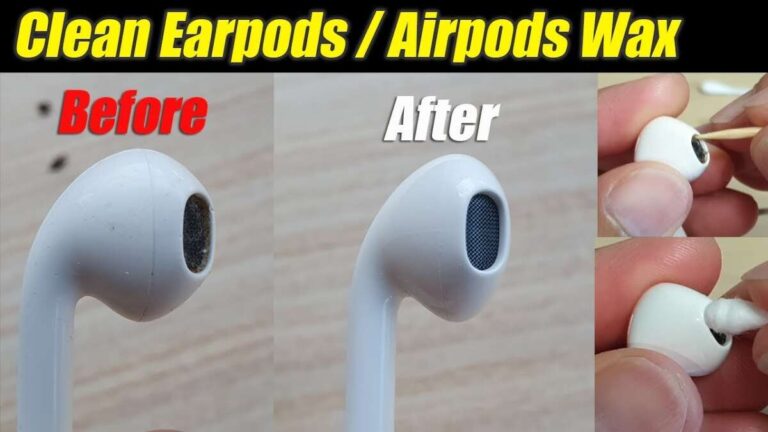
Wearing dirty ear tips
Earwax, dust, and skin oil can affect grip and sound. Clean silicone tips often with a slightly damp cloth and mild soap. Dry them completely before use, and follow the manufacturer’s care instructions.
Using damaged tips
Replace tips that are torn, stretched, sticky, or loose. A damaged tip may detach inside the ear or create an uneven seal.
In my experience reviewing fit problems, the most common mistake is confusing “tight” with “secure.” A comfortable earbud can stay in place without feeling like it is wedged into the ear.

How Earbud Size Affects Sound and Noise Cancellation
Earbud size changes the acoustic seal between the driver and your ear canal. This affects low frequencies more than many people expect. A poor seal can make bass leak away, leaving music bright, weak, or distant.
Active noise cancellation also depends on fit. The microphones and software can reduce outside noise, but they cannot fully compensate for a large gap around the ear tip. A better seal gives the system a stronger starting point.
The effect can be easy to hear. Play the same song and gently press the earbuds inward. If the bass suddenly becomes stronger, the current tip may be too small or poorly positioned. Do not treat this as a reason to push the earbud harder. Try a different size or angle instead.
Fit can also affect calls. If the earbud moves, its microphones may change position. This can make your voice sound less consistent to the person on the other end.
Still, earbud size is not the only factor. Sound also depends on:
• Earbud driver design
• Equalizer settings
• Earbud position
• Audio quality
• Noise cancellation mode
• Ear shape
• Tip material
This is why how to choose the right earbud size should be part of a broader fit check. The right tip improves performance, but it cannot transform a poorly designed or damaged earbud.

How to Choose the Right Earbud Size for Workouts
Exercise creates different fit demands. Sweat can make silicone tips slippery, while running creates repeated movement that can loosen earbuds.
For workouts, begin with the size that seals well while you move. Then test the earbuds during walking, stretching, and light jogging. If they shift during each step, try a different tip size or a model with ear wings.
Avoid choosing an extremely tight tip for exercise. Pressure may become painful as your ears warm up. A secure fit should come from the shape of the earbud and tip, not from force.
Follow these practical tips:
-
Clean sweat from the earbuds after use.
-
Use a tip made for exercise if the manufacturer offers one.
-
Check the water and sweat resistance rating.
-
Keep the volume low enough to hear important sounds when outdoors.
-
Do not use fully isolating earbuds near traffic or cyclists.
-
Store the earbuds in a dry case after cleaning.
For running outside, awareness is part of a good fit. Transparency or ambient mode may be safer than full noise cancellation, but these modes are not a replacement for attention. Local conditions should guide your choice.

When to Replace Earbud Tips
Ear tips wear out over time. Silicone may lose its shape, while foam can stop expanding properly. Old tips may also collect oils and debris that reduce grip.
Replace ear tips when they show any of these signs:
• Cracks or tears
• A loose connection to the nozzle
• Permanent stretching
• Sticky or hardened material
• Persistent odor after cleaning
• Reduced seal despite the correct size
Most replacement tips are inexpensive compared with new earbuds. Check the nozzle diameter before buying because tips are not universal. Some brands use special mounts or locking systems.
If you develop pain, itching, swelling, discharge, or reduced hearing, stop using the earbuds and seek medical advice. Ear discomfort can have causes unrelated to earbud size, including irritation, infection, or wax buildup.
Good hygiene also matters. Do not share earbuds without cleaning them. Avoid inserting cotton swabs deep into the ear canal, as they can push wax inward or irritate the skin.

A Simple Earbud Fit Checklist
Use this checklist when learning how to choose the right earbud size for a new pair:
• Does the earbud stay in place while you walk?
• Is the seal firm without painful pressure?
• Does music sound full at a safe volume?
• Can you wear the earbuds for at least 30 minutes?
• Do both ears feel comfortable?
• Does the earbud remain stable when you talk or chew?
• Does noise cancellation work as expected?
• Can you remove the earbud without pulling hard?
• Are the tips clean and undamaged?
If you answer no to one or more questions, test another size, material, or earbud position. If every tip feels wrong, the earbud shape may not match your ears.
A useful habit is to test earbuds at home before a long flight, workday, or workout. This gives you time to find a better fit instead of discovering the problem halfway through your day.
Frequently Asked Questions About How to Choose the Right Earbud Size
How do I know if my earbud tips are too small?
Your tips may be too small if the earbuds slip, outside noise remains loud, or bass sounds weak. You may also notice that pressing the earbuds inward improves the sound.
Should both earbuds use the same size?
Not always. Many people have slightly different ear canals, so one ear may need a small tip while the other needs a medium or large tip.
Are bigger earbud tips better?
Bigger tips are not automatically better. The best size creates a gentle seal without pain, pressure, or ear fatigue.
How long should I test an earbud size?
Test each size for at least five to ten minutes, then wear the best option for 30 minutes during normal movement. Some pressure problems appear only after extended use.
Can the wrong earbud size damage my ears?
An incorrect size can cause irritation, soreness, or pressure, especially when worn for long periods. Remove the earbuds if you feel pain, and seek medical advice for ongoing symptoms.
Are foam ear tips better than silicone tips?
Foam tips may provide stronger isolation and a secure fit, while silicone tips are easier to clean and often last longer. The better choice depends on your comfort, listening environment, and use.
Why do my earbuds keep falling out even with large tips?
The earbud body, nozzle angle, ear shape, sweat, or movement may be the cause. Try another tip material, a different position, wing tips, or a different earbud design.
Conclusion
Learning how to choose the right earbud size starts with comfort, a stable seal, and clear sound. Test more than one size, check each ear separately, and move around before making your choice. The smallest tip that stays secure is often better than the largest tip that creates pressure.
Clean your tips, replace worn parts, and pay attention to pain or irritation. A few minutes of testing can improve sound, reduce the need for high volume, and make your earbuds much easier to enjoy. Try these steps with your current pair today, then share your fit experience or explore more audio-care guides.

Everett Ashford is a tech reviewer at mytechgrid.com specializing in SSDs, cameras, TVs, earbuds, headphones, and other consumer electronics. He provides honest, data-driven reviews based on hands-on testing and real-world performance analysis. Everett simplifies complex tech details to help readers make smart, confident buying decisions.