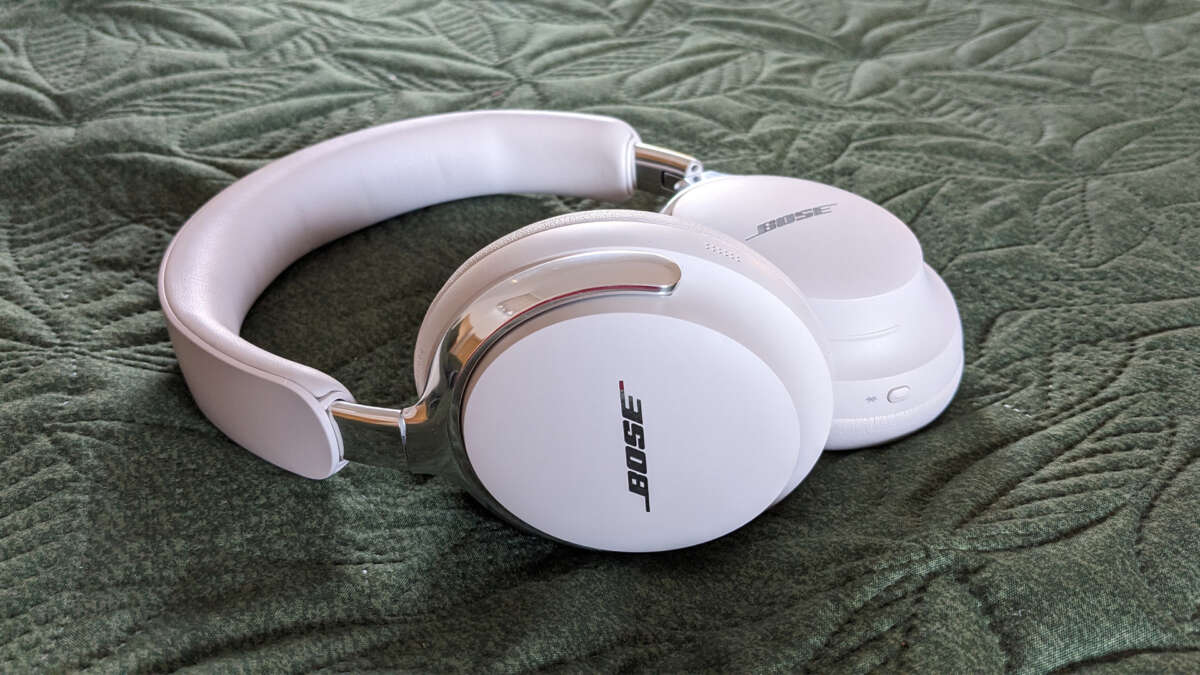
Yes, noise cancelling headphones are worth it when quiet, comfort, and focus matter.
The answer to “is noise cancelling headphones worth it” depends on your routine, budget, and need for silence. Active noise cancellation can make flights, commutes, offices, and study sessions much calmer, but it is not perfect and does not suit every listener. This guide explains how the technology works, where it helps most, what it costs, and how to decide with confidence.
What Are Noise-Canceling Headphones?
Noise-canceling headphones reduce unwanted sound around you. Most models use two methods: passive noise isolation and active noise cancellation, often called ANC.
Passive isolation comes from the physical design. Ear cups, ear tips, and foam create a barrier between your ears and the outside world. This works well against high-pitched sounds, such as voices, clatter, and keyboard clicks.
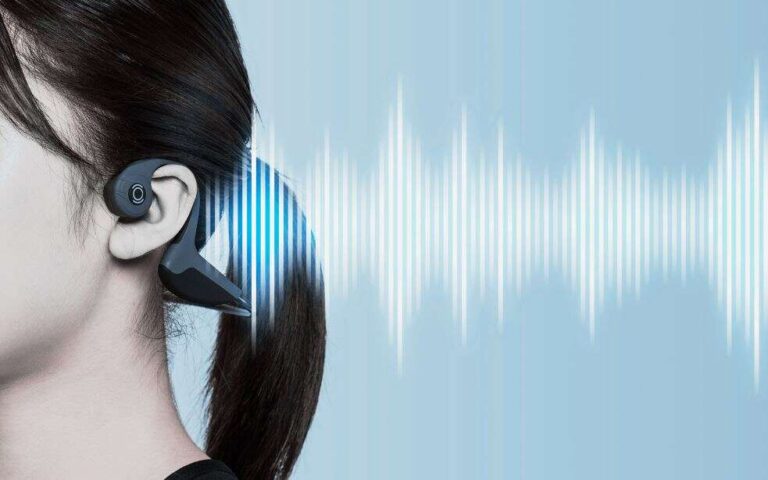
Active noise cancellation uses microphones and electronic processing. The microphones listen to outside noise, while the headphones create an opposite sound wave. The two waves partly cancel each other, like ripples meeting on a pond.
Modern headphones may also include:
• Transparency mode, which lets outside sound in
• Adaptive ANC, which changes its strength based on your surroundings
• Wind reduction, which limits microphone noise outdoors
• Multipoint Bluetooth, which connects to two devices
• Spatial audio, which creates a wider sound field
Noise cancellation does not create perfect silence. It works best with steady, low sounds, such as airplane engines, bus rumble, air conditioners, and train noise. Sudden sounds and nearby speech can still come through.
Is Noise Cancelling Headphones Worth It for Most People?
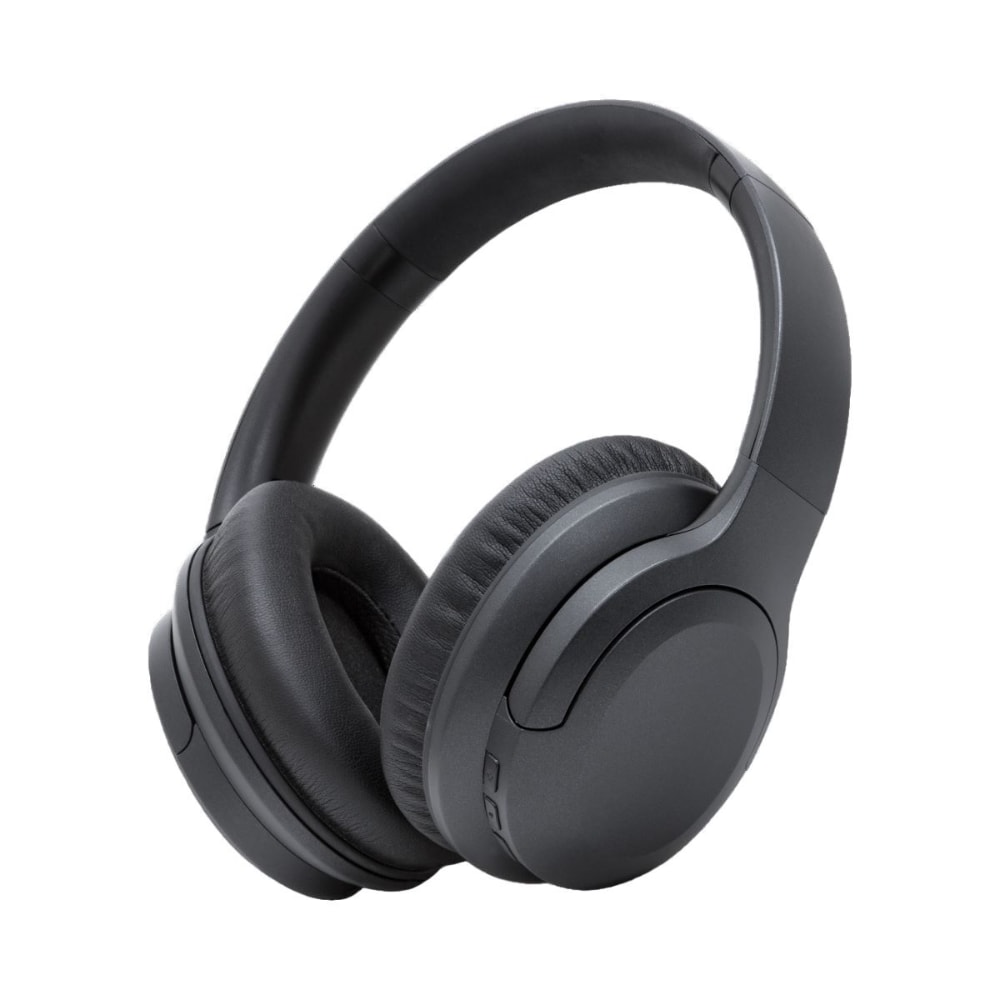
For many people, yes. Noise-canceling headphones are most valuable when you often deal with loud, repetitive, or distracting sound.
They can make a major difference during:
• Air travel
• Daily train or bus commutes
• Open-plan office work
• College study sessions
• Remote work near family or roommates
• Hotel stays
• Long gaming or music sessions
• Yard work with proper hearing protection
The biggest benefit is not only lower volume. It is lower mental effort. When your brain does not need to filter constant background noise, it may be easier to read, write, relax, or listen to a podcast.
That said, is noise cancelling headphones worth it if you mainly listen at home in a quiet room? In that case, the answer may be no. A less expensive pair with good sound quality may meet your needs just as well.
Your answer also depends on comfort. A pair with strong ANC is not worth much if it feels tight, heavy, hot, or painful after 30 minutes.

How Active Noise Cancellation Works
Active noise cancellation relies on microphones, a digital signal processor, and small speakers.
First, external microphones detect nearby sound. The processor studies that sound and creates an inverse signal. The headphone speakers then play the inverse signal along with your music or silence.
This process is very fast, but it is not magic. ANC performs best when the outside sound is predictable. A plane engine produces a steady pattern, so the headphones can respond well. A child shouting or a dog barking changes too quickly for full cancellation.
There are three common ANC designs:
feedforward ANC
Microphones sit outside the ear cup. They detect noise before it reaches your ear. This design can respond quickly but may be more affected by wind.
Feedback ANC
Microphones sit inside the ear cup. They measure the sound that reaches your ear and adjust the signal. This can improve accuracy but may have a smaller listening range.
Hybrid ANC
Hybrid systems use microphones inside and outside the ear cup. They often provide the best overall performance, but they usually cost more.
ANC also uses battery power. When the battery runs out, many headphones still work through a cable or passive mode, but their noise reduction may become weaker or disappear.

The Main Benefits of Noise-Canceling Headphones
Better focus
Background noise can break your attention again and again. ANC can reduce that disruption, especially in shared workspaces and busy homes.
It will not turn a crowded office into a silent library. However, it can soften the hum of heating systems, nearby conversations, and street noise.
Easier travel
Airplanes, buses, and trains create long periods of low-frequency noise. Noise-canceling headphones can make these sounds less tiring.
You may also find it easier to hear music or speech at a lower volume. That matters because listening loudly for long periods can increase the risk of hearing damage.
More relaxing audio
When outside noise is reduced, you may notice more detail in music, audiobooks, and podcasts. You do not need to raise the volume simply to compete with the room.
This can make a modest pair of headphones sound better than it would in a loud setting. The headphones do not improve the recording itself; they simply reduce competition from outside sound.
Improved comfort during long sessions
Constant noise can create stress, especially during travel or work. Lowering that sound may help you feel calmer and less worn out.
Some users also enjoy ANC for rest. Low-volume music, gentle ambient sound, or silence can make a noisy hotel room or shared home easier to manage.
More privacy
Noise cancellation does not make your audio completely private. People nearby may still hear sound if you play it loudly.
Still, closed-back headphones reduce sound leakage compared with many open designs. This can help you listen without disturbing people around you.

The Limitations and Disadvantages
Noise-canceling headphones are useful, but they have trade-offs.
• Higher cost: Good ANC often raises the price compared with standard headphones.
• Battery dependence: Wireless ANC models need regular charging.
• Pressure sensation: Some people feel ear pressure or discomfort when ANC is active.
• Wind noise: Strong wind can confuse external microphones.
• Less awareness: ANC may reduce your ability to hear traffic, announcements, alarms, or people nearby.
• Added weight: Large over-ear models can feel heavy during long use.
• Sound changes: ANC may slightly affect the sound signature or create a faint background hiss.
• Fit problems: Poor ear-pad or ear-tip fit can reduce both ANC and sound quality.
The pressure sensation is worth explaining. ANC does not remove air pressure from your ears. Some listeners simply notice the contrast between a quiet sound field and normal room sound. Turning ANC off, switching to transparency mode, or using a different model may help.
If you need to stay aware of cars, cyclists, coworkers, or public announcements, full ANC may not be suitable. Use transparency mode or one earbud only when safe and appropriate.

Is Noise Cancelling Headphones Worth It for Travel?
Travel is one of the strongest reasons to buy ANC headphones. Airplane cabins produce a steady low rumble, which is exactly the type of sound ANC handles well.
A good pair can help you:
• Listen at a lower volume
• Sleep more comfortably
• Hear movies and podcasts more clearly
• Reduce travel fatigue
• Ignore engine and road noise
Over-ear headphones usually provide better comfort and stronger isolation for long flights. Noise-canceling earbuds are smaller and easier to pack, but their performance depends heavily on the ear-tip seal.
Do not use ANC as a substitute for certified hearing protection in very loud environments. Consumer headphones are designed for listening comfort, not industrial safety. Follow workplace rules and use approved ear protection when required.
For flights, check battery life before leaving home. Carry a charging cable and, if possible, a wired audio option. Some aircraft entertainment systems still work best with a cable.

Is Noise Cancelling Headphones Worth It for Work and Study?
For remote work and study, the answer often depends on the kind of noise around you.
ANC works well against:
• Air conditioners
• Fans
• Traffic
• Office equipment
• Low conversations
• Household appliances
It is less effective against clear speech close to you. If people are talking nearby, combine ANC with low-volume instrumental music, brown noise, or earplugs when safe.
Microphone quality also matters for work calls. A headset may sound excellent to you but poor to other people. Look for models with a clear microphone, background-noise reduction, and reliable switching between your computer and phone.
One practical mistake is wearing ANC headphones for every task. They can help you focus, but you still need breaks. Remove them regularly, stretch, drink water, and stay aware of important sounds.
For students, a comfortable midrange pair may offer better value than a luxury model. The most expensive headphones do not automatically create better concentration.
Is Noise Cancelling Headphones Worth It for Music and Podcasts?
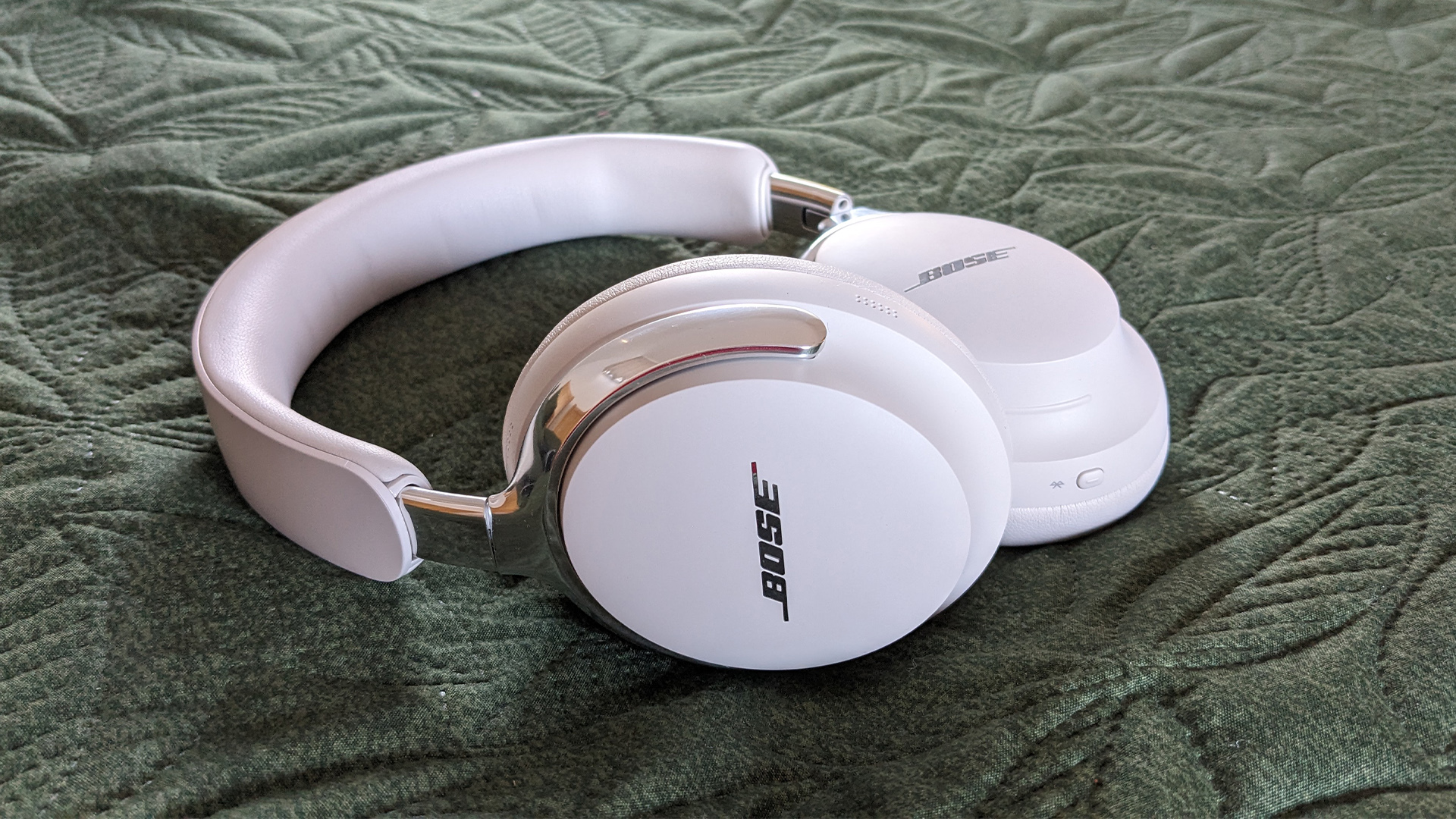
ANC can improve listening in noisy spaces, but it does not guarantee better sound quality.
A good listening experience depends on several factors:
• Driver quality
• Tuning
• Fit and seal
• Bluetooth codec support
• Audio source quality
• Comfort
• Personal taste
Noise cancellation may change how music feels. Some people hear stronger bass or a slightly different balance when ANC is on. This is normal because the electronic processing changes the overall sound.
If music quality is your top priority, compare ANC performance with sound quality. Some headphones sound warm and rich. Others sound bright and detailed. Read professional measurements when available, but trust your own ears too.
For podcasts and spoken audio, clear mids and strong voice detail matter more than deep bass. A cheaper pair may be the better buy if it makes speech easy to understand.

ANC Headphones vs. Earbuds vs. Earplugs
Choosing between these options depends on your setting.
Over-ear noise-canceling headphones
Best for:
• Long flights
• Office work
• Home use
• Comfort during extended listening
They usually offer large batteries and soft ear cushions. Their drawbacks include bulk, heat, and greater weight.
Noise-canceling earbuds
Best for:
• Commuting
• Exercise
• Travel packing
• Phone calls
Earbuds are small and light. Their performance depends on the seal inside your ear, so the correct ear-tip size is essential.
Passive earplugs
Best for:
• Sleeping
• Loud work settings
• Simple, low-cost noise reduction
Earplugs do not require batteries and can block sound well. However, they do not play music, and some users find them uncomfortable.
Hearing protection
Best for:
• Construction sites
• Shooting ranges
• Loud machinery
• Other high-noise environments
Use products rated for the specific risk. Regular ANC headphones are not a replacement for approved hearing protection.
How Much Should You Spend?
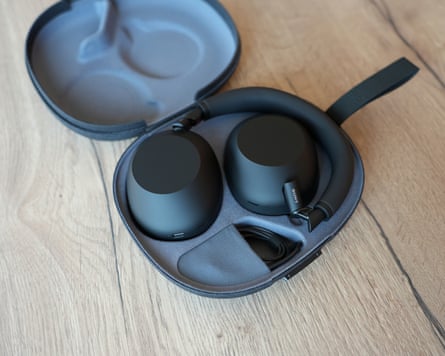
Price does not always predict value. A practical budget depends on how often you will use the headphones.
• Under $100: Basic ANC, simple controls, and acceptable sound are common.
• Around $100 to $250: Better comfort, battery life, microphones, and noise reduction are often available.
• Over $250: You may gain stronger ANC, premium materials, better apps, and refined sound.
A $300 pair may be worth it for a frequent traveler who wears it every week. It may not be worth it for someone who uses headphones for 20 minutes at home.
Before buying, check the return policy. Comfort and fit are hard to judge from product photos. A return window lets you test the headphones during a commute, work session, and quiet room.
Avoid buying based only on brand name or a large discount. Check battery life, repair options, warranty terms, replacement ear pads, and software support.
How to Choose the Right Noise-Canceling Headphones
Use this simple process before you buy.
-
Identify your main noise problem. Is it airplane rumble, office talk, traffic, or household sound?
-
Choose the form. Select over-ear headphones for comfort and strong isolation, or earbuds for portability.
-
Check the fit. A poor seal weakens both bass and ANC.
-
Review battery life. Aim for enough time to cover your longest normal trip.
-
Test transparency mode. You should be able to hear announcements and people when needed.
-
Check call quality. Look for microphone tests, not only music reviews.
-
Consider comfort materials. Soft pads, moderate clamping force, and low weight matter.
-
Confirm controls. Physical buttons can be easier to use than touch controls in cold weather.
-
Review the app. Useful apps offer EQ, ANC adjustment, firmware updates, and device management.
-
Compare warranty and returns. This protects you from poor fit, battery faults, or discomfort.
The best headphones are not always the ones with the strongest ANC. They are the ones you will wear often, safely, and comfortably.
A Practical Test Before You Keep Them
When you receive a pair, test it in several real settings instead of judging it in a silent room.
Try this:
• Sit near a fan or air conditioner.
• Take a short ride on a bus or train.
• Work in a room with normal conversation.
• Make a phone call.
• Wear the headphones for at least one hour.
• Switch between ANC, transparency, and normal modes.
Listen for pressure, hiss, weak bass, connection drops, and discomfort. Check whether the headphones stay secure when you walk.
A useful personal decision rule is simple: if the headphones solve a problem you face several times each week, their value grows quickly. If you rarely encounter noise, spend less and focus on comfort and sound.
One common buying mistake is testing only the first five minutes. Almost any headphone can feel comfortable at first. Long-term comfort, heat, and clamp force matter more.
Hearing Safety and Responsible Use
Noise-canceling headphones can support safer listening because they may reduce the need to turn up the volume. But ANC does not make loud listening safe.
Follow the 60/60 approach as a simple starting point: keep volume near 60% or lower and take listening breaks about every 60 minutes. This is not a guarantee of safety, since device volume levels vary.
Pay attention to warning signs:
• Ringing in your ears
• Muffled hearing after listening
• Ear pain
• Needing higher volume over time
• Trouble hearing normal conversation
If these signs continue, stop listening and speak with a qualified health professional. The World Health Organization and other hearing-health organizations recommend limiting loud sound exposure and taking regular breaks.
Do not wear noise-canceling headphones when you need full awareness, such as crossing busy roads or cycling in traffic. Transparency mode helps, but it may not make you fully aware of danger.
Is Noise Cancelling Headphones Worth It? A Simple Decision Guide
Noise-canceling headphones are likely worth it if:
• You travel often.
• You work in a noisy place.
• You study near other people.
• You listen to audio for long periods.
• You want to reduce background sound without raising volume.
• You value comfort and focus enough to pay for them.
They may not be worth it if:
• You mostly listen in quiet rooms.
• You dislike the feeling of sealed ears.
• You often forget to charge devices.
• You need constant awareness of your surroundings.
• Your budget is limited and basic headphones meet your needs.
• You need certified hearing protection for loud work.
So, is noise cancelling headphones worth it for you? Think about the noise you face, how often it affects you, and how long you will wear the headphones. That personal calculation is more useful than any generic “best headphones” list.
Frequently Asked Questions About Is Noise Cancelling Headphones Worth It
Is noise cancellation worth the extra money?
It can be worth the extra cost if you travel, commute, work in noise, or need better focus. If you mostly listen in quiet places, standard headphones may offer better value.
Do noise-canceling headphones block all sound?
No. They reduce many steady, low-frequency sounds but cannot remove every voice, sudden noise, or nearby conversation. Fit and ear-cup design also affect performance.
Is ANC safe for your ears?
ANC itself is generally considered safe when used at a comfortable volume. The main risk comes from listening too loudly or for too long, not from the cancellation process.
Are noise-canceling earbuds better than headphones?
Neither is always better. Over-ear headphones often provide stronger comfort and battery life, while earbuds are smaller and easier to carry.
Can I sleep with noise-canceling headphones?
Some people can, but large headphones may press against your head or become uncomfortable. Small sleep earbuds or passive earplugs may be more suitable, and you should keep volume low.
Do noise-canceling headphones use more battery?
Yes. Active noise cancellation requires microphones and digital processing, so battery life is usually shorter with ANC enabled. Many models still offer long battery life and quick charging.
Should I buy ANC headphones for work calls?
They can be a good choice if they have a clear microphone and reliable computer support. Always check microphone tests because strong music performance does not guarantee clear calls.
Conclusion
Is noise cancelling headphones worth it? For frequent travelers, commuters, remote workers, and students, they can reduce distraction, improve comfort, and make listening easier at safer volume levels. Their limits include cost, battery use, fit issues, and reduced awareness of nearby sounds.
Choose based on your real routine, not a product label. Compare comfort, ANC strength, sound quality, microphone performance, safety features, and return policies before you buy. Test a pair in the places where noise bothers you most, then share your experience or explore more audio guides to find the right fit.

Everett Ashford is a tech reviewer at mytechgrid.com specializing in SSDs, cameras, TVs, earbuds, headphones, and other consumer electronics. He provides honest, data-driven reviews based on hands-on testing and real-world performance analysis. Everett simplifies complex tech details to help readers make smart, confident buying decisions.