Blink cameras typically use two 1.5V AA lithium batteries in their wireless models.
I’ve worked with Blink systems for years and helped homeowners choose and maintain their cameras. This guide explains exactly what batteries do Blink cameras use, why Blink favors AA lithium, how long batteries last, safe replacement tips, and smart options if you want rechargeable power. Read on to learn practical, tested advice so your Blink setup stays reliable and low-maintenance.
Which batteries do Blink cameras use?
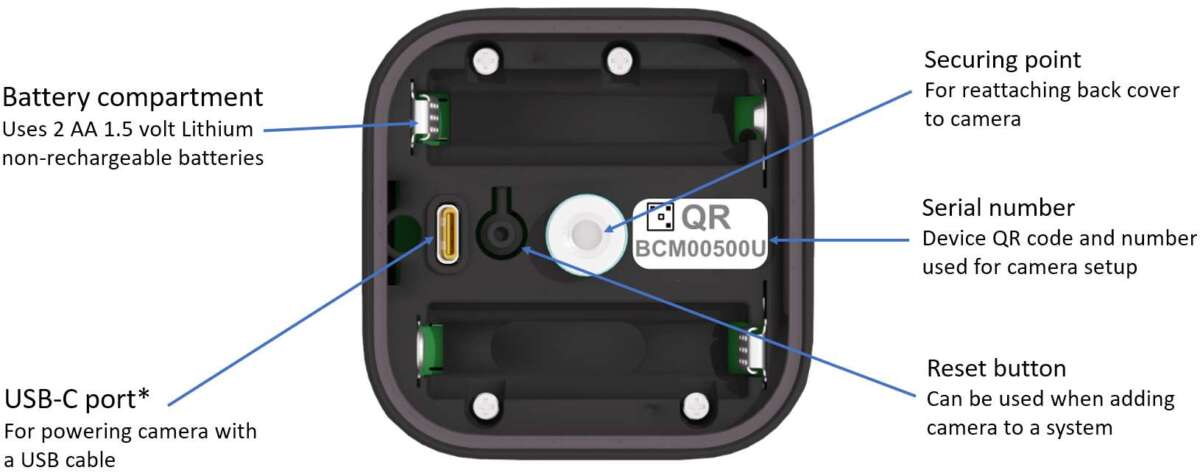
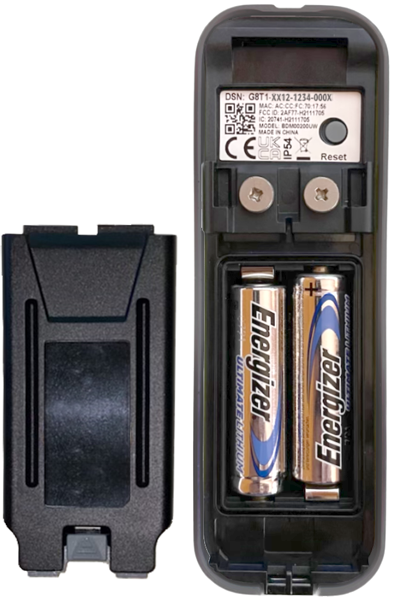
Most Blink battery-powered cameras—like Blink Outdoor, Blink XT2, and similar wireless models—use two 1.5V AA lithium batteries. These are non-rechargeable lithium AAs that offer higher capacity and better performance in cold weather than alkaline or standard NiMH cells. If you ask what batteries do Blink cameras use, remember the company recommends high-quality lithium AAs for best results.
Some Blink products do not use batteries. Blink Mini and some wired models are plug-in only. Always check your camera model before buying batteries.

Why Blink recommends AA lithium batteries
AA lithium batteries are the common choice for Blink for several reasons:
- Long life and high energy: Lithium AAs hold more energy per cell than alkaline AAs, so they power cameras longer.
- Cold-weather reliability: Lithium chemistry performs well in low temperatures, which matters for outdoor cameras.
- Low self-discharge: They retain charge while stored and during long periods of low use.
- Stable voltage: They keep closer to 1.5V under load, which helps the electronics run reliably.
If you’re wondering what batteries do Blink cameras use and why, the short answer is that lithium AAs balance capacity, temperature tolerance, and shelf life in a small, widely available package.

Battery specs and compatibility details
Here are the practical specs to know when buying batteries for Blink:
- Cell type: AA format, 1.5V nominal, lithium chemistry (non-rechargeable).
- Number of cells: Most wireless Blink cameras use two AA cells.
- Recommended brands: High-quality lithium AA cells from reputable brands are advised for predictable life and safety.
- Plug-in models: Blink Mini and wired models use external power and do not take AA batteries.
- Third-party replacements: Compatible AA lithium cells from trusted makers work fine. Avoid cheap no-brand cells.
If you need to confirm for your exact model, check the camera label or product manual. For many people the question what batteries do Blink cameras use is answered simply: two AA lithium cells for wireless units.

How long do batteries last and what affects life?
Battery life varies by use and settings. Typical real-world expectations:
- Low-activity households: 12 to 24 months per battery pair with conservative motion settings.
- Moderate use: 6 to 12 months with regular motion alerts and occasional live view.
- High activity or frequent live view: 3 to 6 months or less.
Factors that affect battery life:
- Motion frequency and clip length
- Temperature extremes (cold reduces runtime)
- Wi‑Fi signal strength and distance to Sync Module
- Frequent live view or two-way audio use
- Number of false triggers (wind, foliage, pets)
If you ask what batteries do Blink cameras use to get long life, using high-quality lithium AAs and optimizing settings will help maximize runtime.

How to extend battery life (quick tips)
- Reduce clip length and motion sensitivity.
- Use motion zones to avoid empty-area triggers.
- Improve Wi‑Fi signal or move Sync Module closer.
- Disable frequent live view when not needed.

Replacing batteries: step-by-step
Replacing batteries is simple and safe when you follow the steps:
- Power down the camera in the app if possible. This reduces any surprise activity.
- Open the battery compartment on the camera base.
- Remove old batteries and inspect compartment for corrosion or moisture.
- Insert two fresh AA lithium batteries following polarity marks.
- Close the compartment firmly and reattach camera mounts.
- Check the Blink app to confirm the device shows a renewed battery level.
Keep used batteries out of reach of children and recycle them properly.

Rechargeable batteries and Blink cameras
Many users ask whether they can use rechargeable AAs in Blink cameras. Here are the key points:
- Standard NiMH rechargeables are 1.2V per cell and lower voltage may cause issues with firmware that expects 1.5V cells. Some models still work, but battery life between charges is short.
- Lithium-ion AA-format rechargeables (Li-ion AA replacements) exist, but compatibility varies and is not officially recommended.
- You can use rechargeables if you test them and accept shorter runtime and possible instability.
- A hybrid approach: use lithium AAs for long-term reliability and consider an external solar or wired option for constant power.
If your question is what batteries do Blink cameras use and whether rechargeables fit, the official safe choice is non-rechargeable 1.5V lithium AAs.

Troubleshooting common battery problems
If your Blink camera shows poor battery life or offline behavior, try these checks:
- Verify battery type: Ensure you used AA 1.5V lithium batteries and they are fresh.
- Inspect contacts: Clean battery contacts with a dry cloth if corroded.
- Check Sync Module position: Weak signal causes more retries and drains batteries.
- Confirm temperature exposure: Extreme cold or heat shortens life.
- Update firmware: Software fixes can reduce false triggers or network issues.
If problems persist after these steps, test with a fresh set of recommended lithium AAs and contact support if needed.

Buying tips, disposal, and model compatibility
Practical buying and disposal advice:
- Buy name‑brand lithium AA batteries from reliable retailers.
- Avoid cheap or counterfeit cells; they can leak and damage your camera.
- Store spare batteries in a cool, dry place.
- Recycle used lithium batteries at a certified drop-off or recycling center.
- Model compatibility quick notes:
- Blink Outdoor, Blink XT2, and most wireless Blink cams: two AA lithium batteries.
- Blink Mini and wired units: plug-in power only.
If you search what batteries do Blink cameras use, these tips will help you buy the right cells and handle them safely.
Personal experience, lessons, and practical tips
From installing dozens of cameras and advising neighbors, I learned a few clear lessons:
- Using high-quality lithium AAs consistently gave the best uptime for outdoor cameras near cold climates.
- Placing the Sync Module centrally reduced camera retries and extended battery life noticeably.
- Testing one camera with rechargeable NiMH showed frequent low-battery alerts. I switched back to lithium AAs for reliability.
- When camping with a mobile setup, swapping fresh lithium AAs kept a Blink Outdoor running for weeks.
My advice: prioritize the right cell chemistry, maintain signal quality, and schedule replacements or checks every 6–12 months based on activity.
People also ask style questions
How many batteries does a Blink camera use?
Most wireless Blink cameras use two AA batteries, installed side-by-side, to power the unit.
Can I use rechargeable batteries in my Blink camera?
You can test rechargeables, but Blink recommends non-rechargeable 1.5V lithium AAs for best runtime and stability.
Will cold weather drain Blink camera batteries faster?
Yes. Cold temperatures reduce battery capacity and can shorten runtime until warmer conditions return.
Frequently Asked Questions of what batteries do blink cameras use
What batteries do Blink cameras use exactly?
Blink battery cameras generally use two 1.5V AA lithium batteries. Plug-in models do not use batteries.
Can I use alkaline AA batteries in Blink cameras?
You can use alkaline AAs, but they offer much shorter life and worse cold-weather performance than lithium AAs.
How often should I replace Blink camera batteries?
Replace batteries every 6 to 24 months depending on activity. Monitor battery level in the app for timely replacement.
Are rechargeable AA batteries safe for Blink cameras?
Rechargeable NiMH batteries may work but often give less runtime and can cause low-voltage issues. They are not the recommended option.
Do Blink cameras show battery percentage?
The Blink app provides a battery level indicator for each camera so you can track remaining battery and plan replacements.
Conclusion
Now you know what batteries do Blink cameras use, why Blink recommends AA lithium cells, and how to get the best life from your setup. Use high-quality 1.5V lithium AAs, keep the Sync Module and Wi‑Fi strong, and check battery levels regularly to avoid downtime. Try these tips and you’ll spend less time swapping batteries and more time feeling secure.
Take action: check your camera model, replace old cells with recommended lithium AAs if needed, and share this post or leave a comment with your experience.

Everett Ashford is a tech reviewer at mytechgrid.com specializing in SSDs, cameras, TVs, earbuds, headphones, and other consumer electronics. He provides honest, data-driven reviews based on hands-on testing and real-world performance analysis. Everett simplifies complex tech details to help readers make smart, confident buying decisions.