TRIM lets an SSD know which data blocks are no longer needed, so it can work efficiently.
If you have ever wondered what is TRIM for SSD, the answer involves speed, storage space, and long-term drive health. TRIM is a command that helps an operating system tell a solid-state drive which data blocks are unused. This guide explains how TRIM works, why it matters, how to check it, and what to do if it is not active.
What Is TRIM for SSD?
TRIM is an operating system command designed for solid-state drives. It tells the SSD which blocks no longer contain useful data. The drive can then prepare those blocks for future writes.
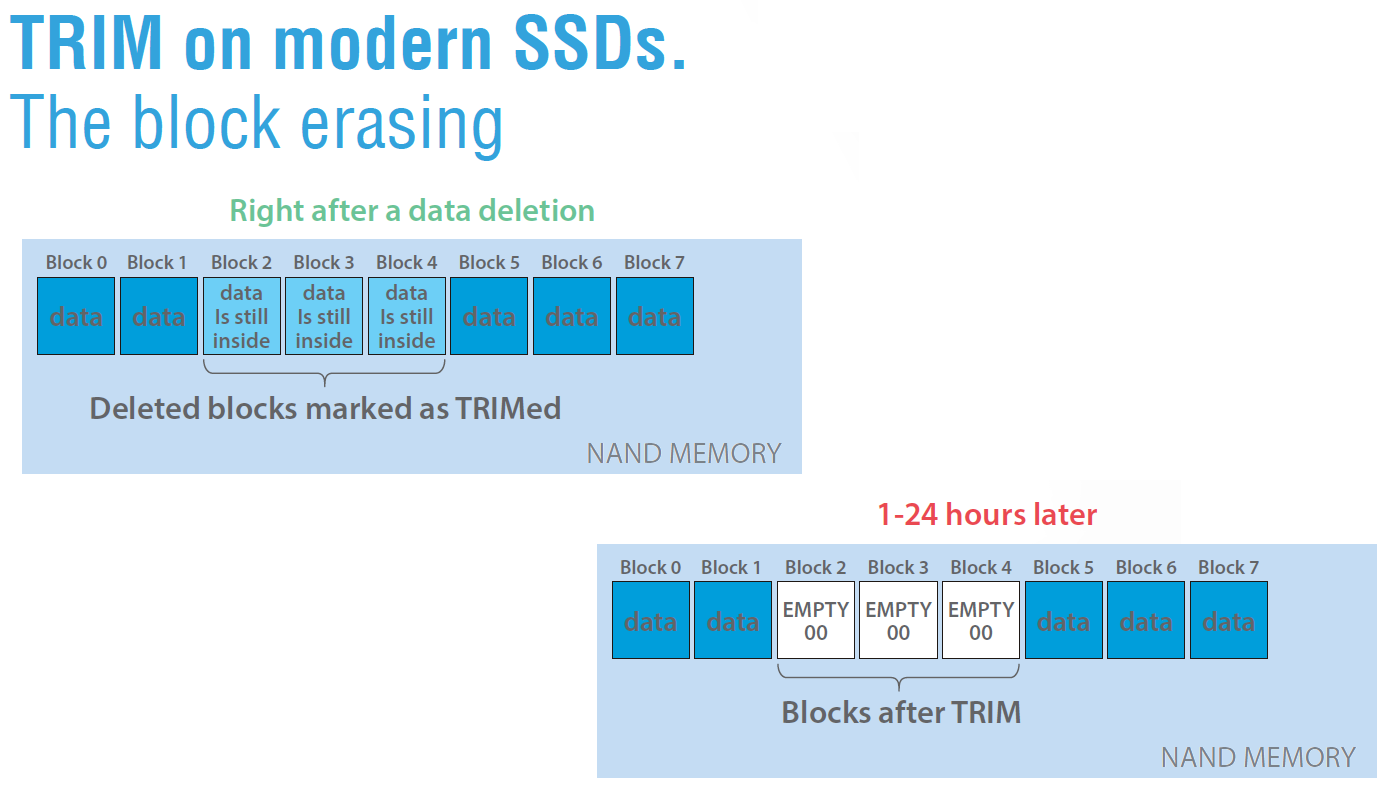
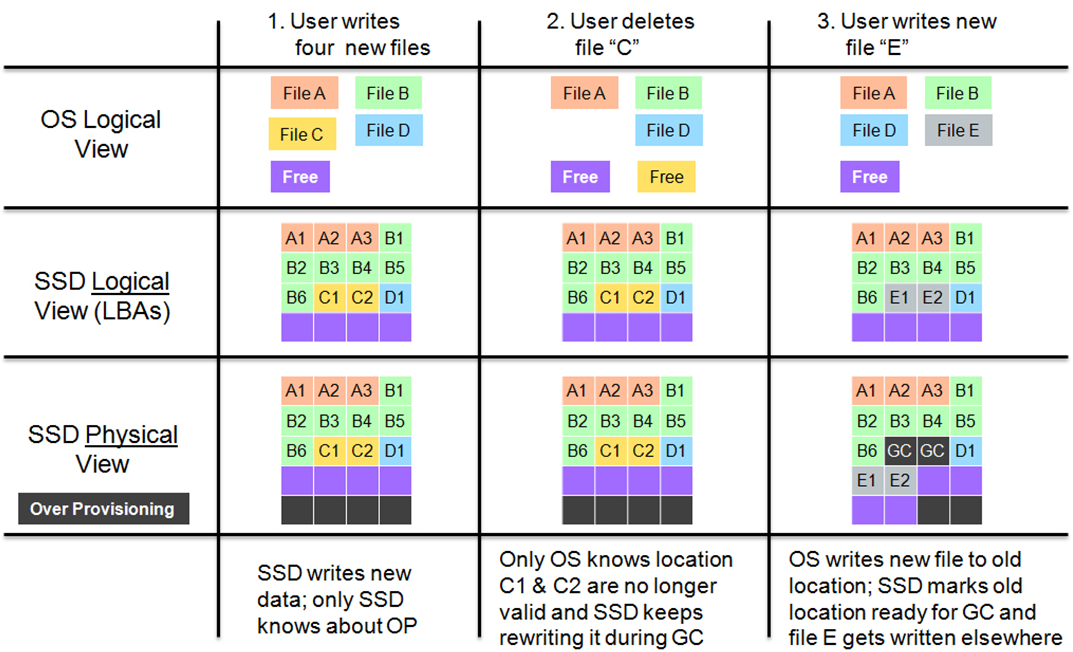
When you delete a file, the operating system usually removes its file record. It does not always erase the data at once. The SSD may still think those blocks contain valid information. TRIM helps remove that confusion.
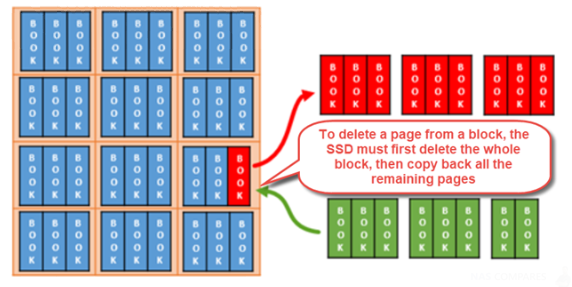
A simple way to understand what is TRIM for SSD is to picture a library. Deleting a file is like removing a book from the catalog. TRIM tells the librarian that the shelf is now empty and ready for a new book.
TRIM is mainly used with SATA SSDs and NVMe SSDs. It is supported by modern versions of Windows, macOS, and Linux.
How Does TRIM Work?
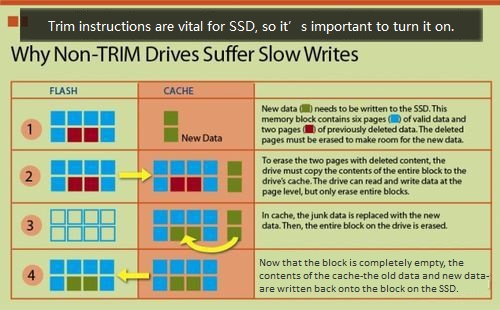
An SSD stores data in flash memory cells. These cells are grouped into pages and blocks. An SSD can write data to an empty page, but it usually cannot overwrite old data directly.
Before new data can use a page, the SSD must erase the larger block around it. This process takes time. It also creates extra work for the drive.
TRIM improves this process in three basic steps:
- You delete a file or format part of a drive.
- The operating system marks the related space as unused.
- TRIM sends that information to the SSD.
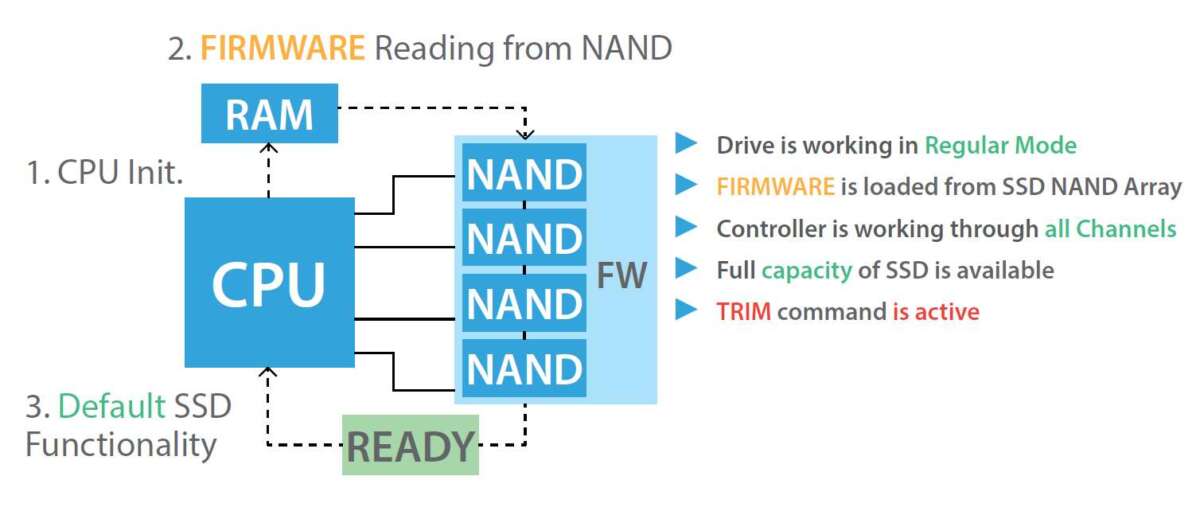
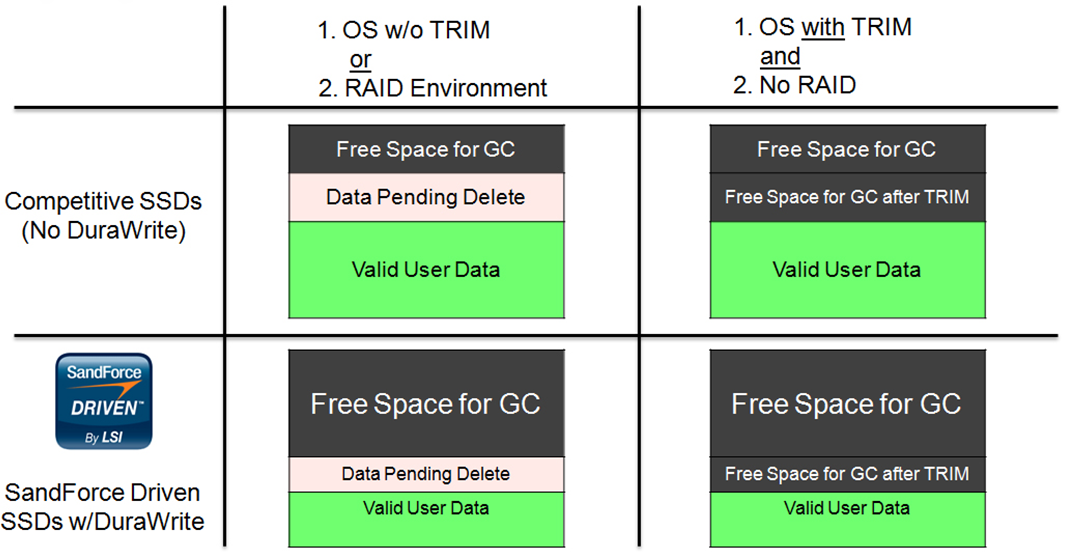
The SSD places those unused blocks on its cleanup list. During idle periods, the drive can erase and organize them through a process called garbage collection.
Without TRIM, the SSD may need to move old data before writing new data. This can create write amplification. Write amplification means the drive writes more data internally than the user requested.
That is why understanding what is TRIM for SSD matters. TRIM does not simply make the drive “faster” with a switch. It helps the SSD manage its storage more intelligently.
Why Is TRIM Important for SSD Performance?
TRIM helps an SSD maintain more consistent write performance. A new SSD may feel fast even without it, but performance can drop as the drive fills and handles more write activity.
The main benefits include:
• Better long-term write performance
• Less internal data movement
• More efficient garbage collection
• Lower write amplification
• Improved use of flash memory
• Support for steadier drive behavior over time
TRIM is especially useful when you delete and create files often. This includes gaming PCs, work computers, video editing systems, and servers.
In my experience troubleshooting storage slowdowns, people often blame an aging SSD or a weak processor first. Sometimes the real issue is a nearly full drive, disabled TRIM, or outdated storage software. Checking TRIM is quick, so it should be part of the basic diagnostic process.
TRIM is not a replacement for backups. It does not protect files from accidental deletion. In fact, TRIM can make deleted data harder to recover because the SSD may clear the related blocks during garbage collection.
TRIM vs. Garbage Collection
TRIM and garbage collection work together, but they are not the same thing.
TRIM is a command from the operating system. It tells the SSD which data is no longer needed.
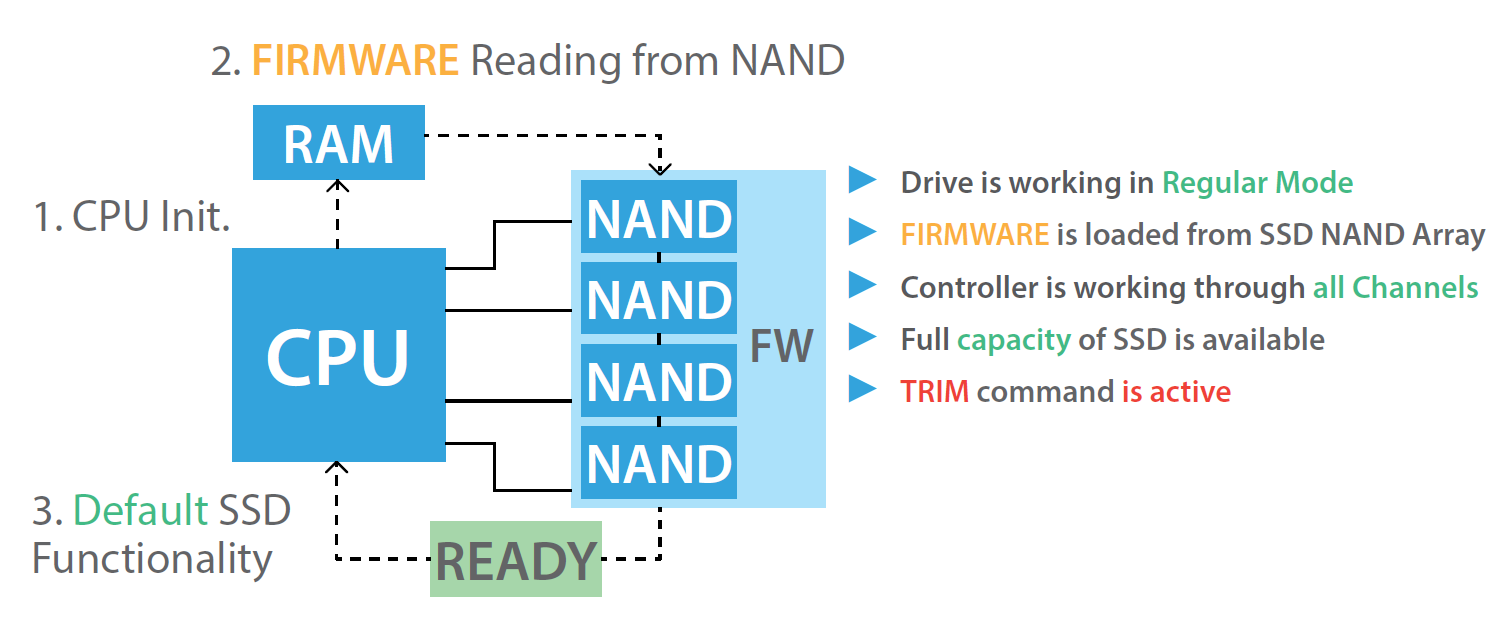
Garbage collection is an internal process inside the SSD. It reorganizes valid data and clears unused blocks so the drive can write new data.
Think of TRIM as a message from the building manager. Garbage collection is the cleaning crew acting on that message.
An SSD may still perform garbage collection without TRIM. The drive can often identify invalid data through its own processes. However, TRIM gives it clearer and earlier information.
This partnership explains what is TRIM for SSD in practical terms. TRIM tells the drive what can be discarded, while garbage collection prepares the storage for future work.
TRIM and Over-Provisioning
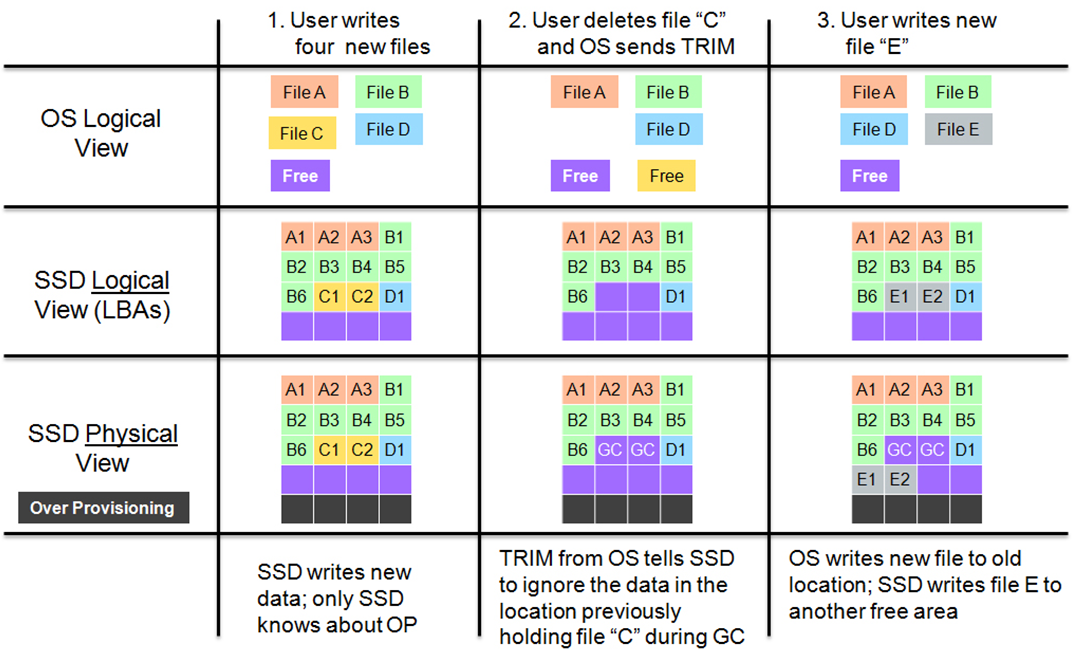
Over-provisioning is storage space reserved for the SSD controller. This space is not available for normal files. It helps the drive manage bad blocks, background cleanup, and performance.
TRIM and over-provisioning can support each other. If the SSD has more free space, the controller has more room to move data and prepare empty blocks.
For example, leaving 10% to 20% of an SSD unused may help maintain performance, especially on demanding systems. The exact amount depends on the drive design and workload.
Consumer drives often include some built-in over-provisioning. Enterprise SSDs may use more because servers create heavy and constant write activity.
TRIM cannot fix every performance problem. If an SSD is almost full, heavily worn, overheating, or connected through a slow interface, TRIM alone will not solve the issue.
How to Check Whether TRIM Is Enabled in Windows
Windows normally enables TRIM automatically for supported SSDs. You can still check its status with a built-in command.
- Open the Start menu.
- Search for Command Prompt.
- Select Run as administrator.
- Enter this command:
fsutil behavior query DisableDeleteNotify
The result may show one of these values:
• DisableDeleteNotify = 0: TRIM is enabled.
• DisableDeleteNotify = 1: TRIM is disabled.
On some systems, you may see separate results for different storage technologies. A value of zero generally means the operating system is sending delete notifications.
You can also use the Windows Optimize Drives tool. Search for “Defragment and Optimize Drives,” select the SSD, and choose Optimize. For an SSD, Windows normally sends a TRIM command rather than performing a traditional hard drive defragmentation.
Do not manually defragment an SSD with old third-party software. Modern Windows handles SSD maintenance more safely.
How to Check TRIM on Linux
Linux supports TRIM through periodic maintenance and manual commands. Many distributions use a systemd timer to run scheduled TRIM.
To check the timer, open a terminal and enter:
systemctl status fstrim.timer
To run TRIM manually on mounted file systems, an administrator can use:
sudo fstrim -av
The command reports how much unused space was trimmed. The exact output depends on the file system and distribution.
Some Linux systems use the discard mount option, which sends TRIM as files are deleted. Others prefer periodic TRIM because it can reduce constant background commands.
Both methods can work. Periodic TRIM is often a practical choice for general desktop use, while system administrators may select a method based on workload and storage policy.
How to Check TRIM on macOS
macOS supports TRIM for Apple’s built-in SSDs. It also supports TRIM on some third-party drives, although hardware and macOS version compatibility can matter.
To check the status:
- Open the Apple menu.
- Select About This Mac.
- Choose More Info or System Report.
- Open the SATA or NVMExpress section.
- Look for “TRIM Support.”
If the entry says “Yes,” TRIM is active for that drive.
Third-party tools that force TRIM may create compatibility or stability concerns. Before changing settings, create a current backup and confirm that the tool supports your macOS version and SSD.
What Happens If TRIM Is Disabled?
An SSD can still operate when TRIM is disabled. Your files will not instantly disappear, and the drive may appear normal for a long time.
The main concern is long-term efficiency. The SSD may not know which blocks contain deleted data. It may need to preserve and move more information during future writes.
Possible effects include:
• Slower sustained write performance
• More background cleanup work
• Higher write amplification
• Less predictable performance when the drive is nearly full
The effect varies by SSD model, controller, firmware, free space, and workload. A light-use laptop may show little difference. A workstation that writes large video files every day may show more.
If you use an older operating system, a hardware RAID controller, or an external enclosure, TRIM support may be limited. The storage path must pass the command from the operating system to the SSD.
Does TRIM Delete Files Permanently?
TRIM can make deleted files difficult or impossible to recover, but it does not always erase them instantly.
After a file is deleted, the operating system may send a TRIM notification. The SSD can later erase the related blocks during garbage collection. Recovery software may fail once those blocks are cleared.
This is useful for privacy, but it also creates a risk. If you accidentally delete important data from an SSD, stop using the drive and contact a professional recovery service quickly.
TRIM is not the same as secure erase. Secure erase is a separate process designed to reset the drive’s user data area. For sensitive information, use a method recommended by the SSD maker and your organization’s security policy.
Common TRIM Problems and Mistakes
Most TRIM issues come from the storage setup rather than the SSD itself.
Using an Unsupported USB Enclosure
Some USB-to-SATA adapters do not pass TRIM commands correctly. An SSD may work over USB, but TRIM support depends on the enclosure, bridge chip, operating system, and firmware.
Filling the SSD Completely
An SSD needs free space for background work. Keeping only a few gigabytes free can reduce performance, even when TRIM is enabled.
Installing Old Drive Utilities
Some older utilities treat every drive like a hard disk. They may schedule unnecessary defragmentation or show incorrect health information.
Ignoring Firmware Updates
SSD firmware can improve compatibility, performance, and reliability. Read the manufacturer’s instructions before updating, and keep a backup first.
Assuming TRIM Fixes Wear
TRIM helps the SSD manage unused space. It does not reverse flash memory wear, repair failing cells, or restore lost data.
Skipping Backups
TRIM can make deleted data harder to recover. Use the 3-2-1 backup approach when possible: keep three copies of important data, on two types of storage, with one copy stored away from the main device.
Does TRIM Wear Out an SSD?
TRIM itself is not a major source of SSD wear. It helps the drive avoid unnecessary internal writing and can reduce write amplification.
Still, every erase and write operation contributes to flash memory wear. The SSD controller manages this through wear leveling, spare blocks, error correction, and garbage collection.
Modern SSDs include a rated endurance figure, often shown as TBW, or terabytes written. This figure is an estimate of how much data the drive can write under specified conditions. It is not a guaranteed failure point.
In normal consumer use, an SSD often lasts many years. Good airflow, updated firmware, enough free space, and regular backups are more important than worrying about ordinary TRIM activity.
TRIM for SSDs in External Drives
TRIM support in external SSDs depends on the entire connection chain.
You need to consider:
• The SSD itself
• The USB or Thunderbolt enclosure
• The bridge controller
• The operating system
• The file system
Some modern USB and Thunderbolt enclosures pass TRIM correctly. Others do not. If you use an external SSD for backups, TRIM may not be essential to basic storage, but it can still affect long-term write performance.
A useful test is to check the enclosure specifications and use the operating system’s storage tools. Avoid assuming that a fast USB connection automatically supports every SSD feature.
A Simple SSD Maintenance Checklist
Use this checklist to keep your SSD in good condition:
- Confirm that TRIM is enabled.
- Keep at least 10% of the drive free when practical.
- Install firmware updates from a trusted manufacturer tool.
- Use the correct SSD optimization tool.
- Avoid manual defragmentation.
- Monitor drive health and temperature.
- Maintain regular backups.
- Replace the drive if health warnings or repeated errors appear.
- Use a reliable enclosure for external SSDs.
- Check compatibility before moving an SSD between systems.
These steps are simple, but they prevent many common storage problems. In real-world use, basic maintenance usually matters more than chasing small benchmark gains.
Frequently Asked Questions About What Is TRIM for SSD
What is TRIM for SSD in simple terms?
TRIM tells an SSD which data blocks are no longer needed after files are deleted. The SSD can then clean and reuse those blocks more efficiently.
Should TRIM be enabled on an SSD?
Yes, TRIM should normally be enabled on a modern SSD and supported operating system. It helps maintain consistent performance and reduces unnecessary internal work.
Does TRIM improve SSD speed?
TRIM may improve long-term write performance and consistency. It usually does not create a dramatic instant speed boost like a hardware upgrade.
Can TRIM damage an SSD?
TRIM does not normally damage a healthy SSD. It is a standard storage feature designed to help the drive manage deleted data and free space.
Does TRIM permanently erase deleted files?
TRIM can make deleted files harder to recover after the SSD cleans the related blocks. It may not erase them immediately, but recovery becomes less likely over time.
Is TRIM needed for NVMe SSDs?
NVMe SSDs also benefit from discard commands that serve the same basic purpose as TRIM. Modern operating systems usually manage this automatically.
Can an SSD work without TRIM?
Yes, an SSD can work without TRIM. However, long-term write performance and internal efficiency may suffer, especially when the drive is heavily used or nearly full.
Conclusion
What is TRIM for SSD? It is a command that tells a solid-state drive which storage blocks are no longer needed. This information helps garbage collection, reduces unnecessary writes, and supports steadier performance.
TRIM is not a backup tool, a secure erase method, or a cure for every SSD problem. Keep your operating system updated, leave free space, check TRIM support, monitor drive health, and protect important files with backups.
Check your SSD today using the steps above, then explore your operating system’s storage tools to keep your drive working at its best.

Everett Ashford is a tech reviewer at mytechgrid.com specializing in SSDs, cameras, TVs, earbuds, headphones, and other consumer electronics. He provides honest, data-driven reviews based on hands-on testing and real-world performance analysis. Everett simplifies complex tech details to help readers make smart, confident buying decisions.