Wired headphones can sound better because they avoid Bluetooth compression, reduce delay, and deliver a direct audio signal.
Do wired headphones sound better? Often, yes—but not simply because a cable is involved. Sound quality depends on the headphone design, source device, digital-to-analog converter, music quality, fit, and your listening habits. This guide explains where wired headphones have a real advantage, where wireless models catch up, and how to choose the right option for your ears and budget.
Do wired headphones sound better than wireless headphones?
In many cases, wired headphones sound better than wireless headphones. A wired model receives an audio signal through a physical connection. It does not need to compress the signal for Bluetooth transmission, and it does not rely on a small built-in battery or wireless amplifier.
Still, “wired” does not always mean “better.” A cheap pair of wired earbuds can sound worse than a well-tuned wireless pair. The quality of the drivers, ear tips, tuning, and source device matters more than the cable alone.
When asking, “do wired headphones sound better,” it helps to separate three ideas:
• Sound quality: How clear, balanced, detailed, and natural the music sounds.
• Convenience: How easy the headphones are to use while moving, traveling, or working.
• Technical performance: Factors such as codec quality, frequency response, distortion, noise, and latency.
Wired headphones usually win on technical performance and consistency. Wireless headphones often win on comfort and convenience.
In listening comparisons, the difference can be easy to notice with high-quality recordings. Acoustic instruments may sound more open. Bass can feel tighter. Small details, such as room ambience or a singer’s breath, may be easier to hear.
However, many people stream music in noisy places. In that setting, background noise can hide the small advantages of a wired connection. A good wireless headset with active noise cancellation may sound better to you on a busy train than an open-back wired headphone.

Why wired headphones can sound better
The main advantage of wired headphones is a simpler signal path. Your phone, computer, or music player sends the audio through a cable to the headphone driver. The signal does not need to travel over Bluetooth first.
Here are the main reasons wired headphones can sound better:
No Bluetooth compression
Bluetooth audio often uses a codec to reduce file size. Common codecs include SBC, AAC, aptX, aptX Adaptive, and LDAC. Some are very efficient and can sound excellent, but they still process the original signal.
Wired headphones can receive uncompressed or lossless audio from a compatible source. This matters most when you use high-resolution files, lossless streaming, or detailed headphones in a quiet room.
Compression is not always easy to hear. At a normal listening volume, many listeners may not notice a major difference between a good Bluetooth codec and a wired connection. The difference becomes more noticeable with poor Bluetooth conditions or lower-quality codecs.
Lower audio delay
A wired connection has very little delay. This makes it useful for:
• Watching movies and television
• Playing rhythm games
• Recording music
• Monitoring vocals or instruments
• Editing video
Wireless headphones can add a small delay between the image and the sound. Many modern models reduce this delay, but wired headphones remain the safer choice when timing matters.
Reliable power delivery
Wired headphones do not need a battery for basic playback. The source device powers the signal path, and passive headphones can work for years without battery degradation.
Wireless headphones depend on a battery, digital processing, and internal electronics. As the battery gets older, playback time can drop. Some wireless headphones may also sound different when special processing features are enabled or disabled.
More consistent performance
A wired signal is less affected by wireless range, radio interference, or crowded areas. Bluetooth can struggle around many connected devices, metal barriers, or poor antenna designs.
This does not mean every Bluetooth connection will fail. It means a cable removes one more possible problem.

When wireless headphones sound just as good
Do wired headphones sound better in every situation? No. Wireless audio has improved a great deal, and many wireless headphones now offer excellent sound.
A well-made wireless model may include:
• A high-quality Bluetooth codec
• Carefully tuned drivers
• A strong digital-to-analog converter
• Custom equalizer settings
• Active noise cancellation
• A stable wireless connection
In a quiet room, a trained listener may hear a difference between wired and wireless versions of similar headphones. On a sidewalk, airplane, or busy office, that difference may disappear.
Noise cancellation can also change the result. External noise masks quiet details and weakens bass perception. Active noise cancellation reduces this problem, so a wireless headset may create a cleaner listening experience overall.
There is also the question of fit. A wireless earbud that seals your ear well may sound better than a wired earbud that leaks sound. Fit affects bass more than many people expect.
For everyday listening, the best headphone is often the one you will actually wear. A technically superior wired model is not useful if the cable gets in your way or stays in a drawer.
Wired headphones and sound quality factors
The cable is only one part of the audio system. To understand whether wired headphones sound better, examine the full chain from the recording to your ears.
Headphone drivers
Drivers create the sound. They may use dynamic, balanced armature, planar magnetic, or other designs.
A good driver can produce clear vocals, controlled bass, and smooth treble. A poor driver can sound harsh or muddy, even with a wired connection.
Driver size alone does not prove quality. A larger driver may produce strong bass, but tuning and construction matter more.
Frequency response
Frequency response describes how strongly headphones reproduce different pitches. It is often measured from low bass to high treble.
A flat response aims for a more neutral sound. A boosted bass response creates a warmer or more exciting sound. Neither style is automatically better. The best choice depends on your music and taste.
Digital-to-analog conversion
Digital music contains numbers. Your headphones need an analog electrical signal to create sound. A digital-to-analog converter, or DAC, performs this task.
Many phones, laptops, and USB headphone adapters have clean DACs. You do not always need an expensive external DAC. A better DAC can help when your current device produces hiss, distortion, or too little volume.
Amplification and headphone impedance
Some wired headphones need more power than a phone can provide. High-impedance headphones may sound quiet or weak without a headphone amplifier.
Impedance is measured in ohms. Sensitivity also matters. A low-impedance headphone with low sensitivity can still need significant power.
Check both specifications before buying. A small USB DAC or headphone amplifier may improve volume and control, but it cannot fix poor headphone tuning.
Distortion and channel separation
Good headphones keep unwanted distortion low. They also separate the left and right channels well. This can make instruments feel more distinct and improve the sense of space.
These measurements are useful, but they do not tell the whole story. Two headphones with similar specifications may sound different because of tuning, fit, and ear shape.

Wired headphones for music, gaming, and movies
Different activities create different audio needs. The answer to “do wired headphones sound better” can change based on how you listen.
Music listening
Wired headphones are a strong choice for serious music listening. They work well with lossless files, high-quality streaming, and dedicated music players.
Open-back wired headphones can create a wide and natural soundstage. They let some air and sound pass through the ear cups, which can make music feel spacious. They are best in quiet rooms because people nearby may hear your music.
Closed-back headphones block more outside noise. They usually offer stronger bass and better privacy. They work well in offices, bedrooms, and shared spaces.
Gaming
Wired headphones can provide faster response and stable sound. This is useful in competitive games where small timing differences matter.
Gaming sound quality also depends on imaging. Imaging helps you hear where a sound comes from. A well-tuned stereo headphone can offer excellent positional detail without virtual surround processing.
Wireless gaming headsets are more convenient. They can be a better choice if you dislike cables or need to move around during long sessions.
Movies and television
Wired headphones reduce lip-sync problems. They can also deliver clear dialogue without needing a wireless connection.
For television use, check the available ports. Some TVs do not include a standard headphone jack. You may need an adapter or a compatible transmitter.
Work and calls
Wireless headsets are often better for meetings because they include microphones and allow free movement. Wired business headsets can offer stable performance and do not need charging.
For voice calls, microphone quality may matter more than music detail. Always check microphone tests before buying.
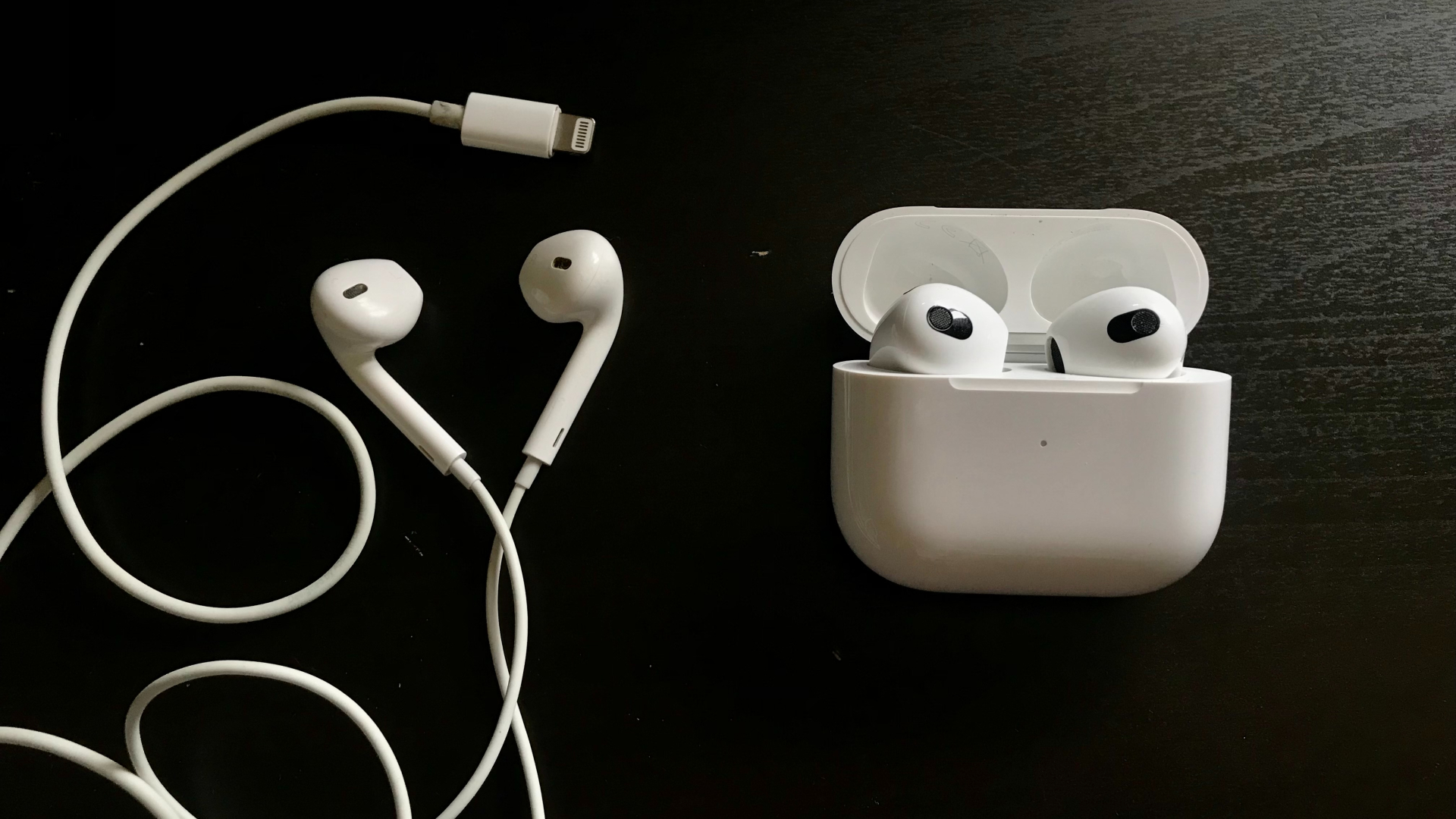
The limitations of wired headphones
Wired headphones have real advantages, but they are not perfect. Understanding the drawbacks helps you make a balanced choice.
Cable problems
Cables can tangle, catch on door handles, and rub against clothing. This rubbing can create a low thumping sound called microphonics, especially with in-ear monitors.
You can reduce this problem by choosing a braided cable, using a shirt clip, or routing the cable behind your neck.
Fewer headphone ports
Many modern smartphones do not include a 3.5-millimeter headphone jack. You may need a USB-C or Lightning adapter.
A poor adapter can introduce noise or fail to support a microphone. Buy an adapter from a reliable brand and check whether it includes a built-in DAC.
Less freedom of movement
A cable limits how far you can move from your device. It can also be unsafe during some workouts if it catches on equipment.
For running, commuting, and gym use, wireless headphones may be more practical.
Compatibility issues
Some wired headphones use a balanced connection, such as a 2.5-millimeter or 4.4-millimeter plug. These require a compatible source. Never force an unfamiliar connector into a device.
Before buying, check:
• Plug type
• Device compatibility
• Required power
• Microphone support
• Cable replacement options

How to make wired headphones sound better
Even a good wired headphone can sound disappointing if it is set up poorly. These simple steps can improve your results.
-
Use a clean audio source. Lossless or high-quality files can preserve more detail than heavily compressed files.
-
Check the fit. For in-ear headphones, try different ear tip sizes. A proper seal improves bass and blocks outside noise.
-
Keep the volume safe. Louder sound often seems better for a short time, but it can cause hearing damage. The World Health Organization recommends reducing exposure to loud sound and taking regular breaks.
-
Turn off unwanted effects. Compare the sound with equalizers, virtual surround, and loudness settings disabled. Then add only the features you truly like.
-
Match the headphones to the device. If the sound is too quiet, consider a suitable USB DAC or amplifier.
-
Protect the cable. Do not wrap it tightly around your device. Store it in a loose loop and avoid sharp bends near the plug.
-
Compare at equal volume. A slightly louder headphone can seem clearer and more detailed. Match the volume before judging two models.
One mistake I often see in headphone comparisons is testing without controlling the volume. Even a tiny volume difference can make the louder pair seem more exciting. Careful comparisons should use the same song, the same source, and nearly identical volume levels.

Are expensive wired headphones worth it?
Price can improve materials, comfort, build quality, and driver performance. It does not guarantee that you will prefer the sound.
A $50 wired headphone may suit you better than a $500 model with a bright, thin tuning. Personal taste plays a major role. Some listeners want deep bass, while others prefer natural vocals or sharp detail.
A practical buying plan is to divide your budget into three areas:
• Headphone quality: Prioritize tuning, comfort, and build.
• Source quality: Use a clean phone, computer, or USB DAC.
• Accessories: Consider replacement cables, ear tips, and a protective case.
Do wired headphones sound better when paired with expensive audio equipment? Sometimes, but improvements often become smaller as equipment quality rises. A good headphone connected to a normal phone may already sound excellent.
Avoid buying an amplifier simply because someone says you need one. First check whether your headphones are too quiet, distorted, or noisy. If none of those problems exist, an amplifier may not provide a meaningful improvement.
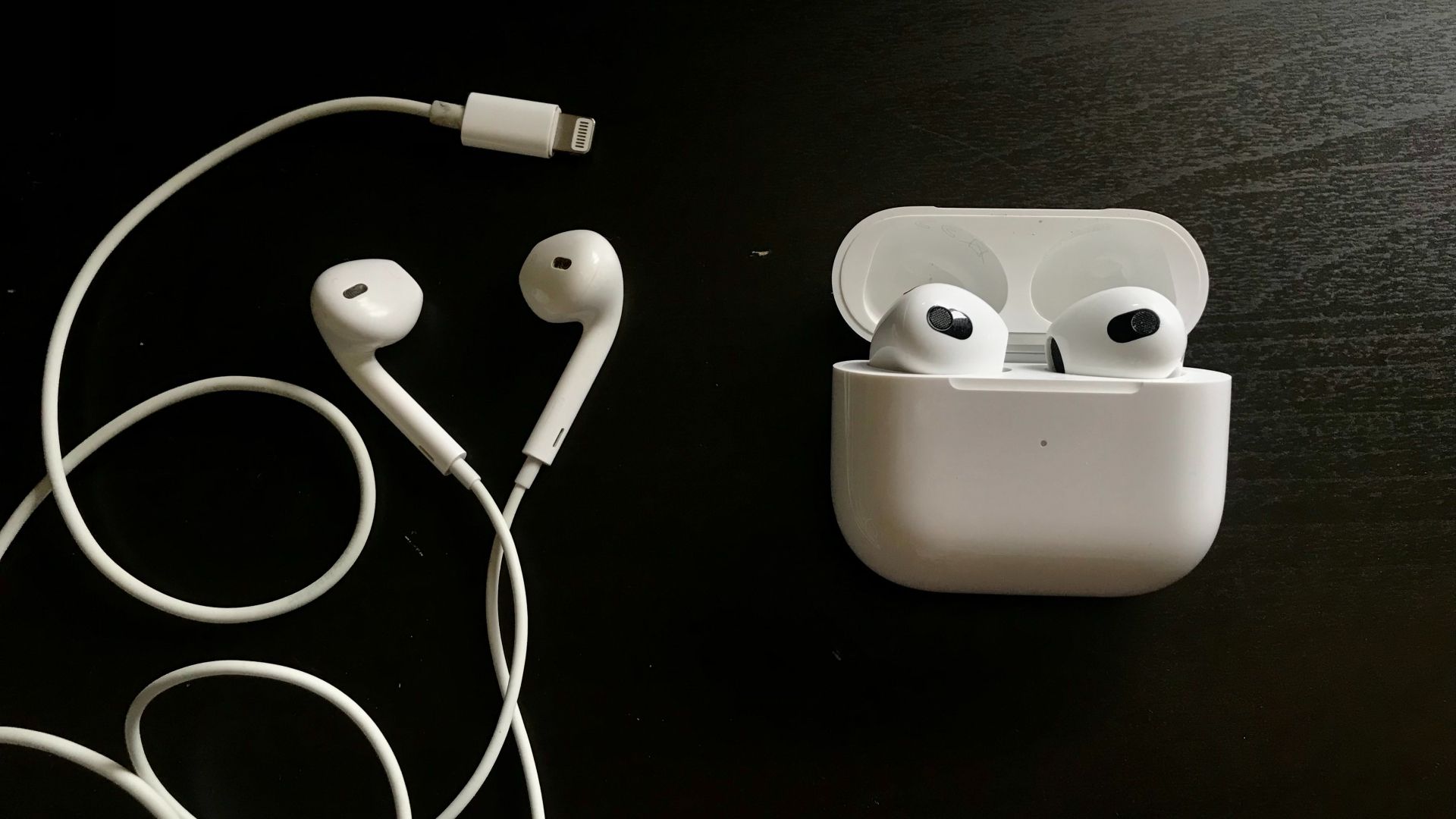
How to choose between wired and wireless headphones
Your daily routine should guide the decision. Use wired headphones if you care most about direct sound, low delay, long-term durability, or lossless listening.
Choose wireless headphones if you value movement, noise cancellation, easy controls, or a clean setup.
A simple checklist can help:
• Choose wired for home listening, music production, gaming, and critical listening.
• Choose wireless for travel, exercise, commuting, and frequent phone calls.
• Choose a wired and wireless pair if you want the strengths of both.
Many listeners keep both types. A wired pair can serve as a dependable home option, while wireless earbuds handle travel and quick errands.
Do wired headphones sound better for you? Test them with familiar songs. Listen for vocals, bass control, cymbals, background details, and comfort. Your own ears and routine matter more than a general claim.
Frequently Asked Questions About Do Wired Headphones Sound Better
Do wired headphones sound better than Bluetooth headphones?
They can, especially when paired with high-quality recordings and a clean source. Wired headphones avoid Bluetooth compression and usually offer lower delay, but a well-designed wireless model may sound just as good in daily use.
Why do wired headphones sound louder?
Wired headphones can receive power directly from a phone, computer, or amplifier. Wireless headphones use their own internal amplifier, so loudness depends on battery power and the design of the built-in electronics.
Do wired headphones have better bass?
Not automatically. Bass depends on driver tuning, ear seal, enclosure design, and source quality. A wireless headphone with a strong seal may produce deeper bass than a poorly fitted wired model.
Are wired headphones better for gaming?
Wired headphones usually offer lower delay and a stable connection, which can help in competitive games. Wireless gaming headsets are still a good choice when comfort and freedom of movement matter more.
Do wired headphones need an amplifier?
Most easy-to-drive wired headphones work well from a phone or laptop. High-impedance or low-sensitivity models may need a headphone amplifier if they sound too quiet or lack control.
Can wired headphones play lossless music?
Yes. Wired headphones can receive lossless audio without Bluetooth transmission. However, your source device, DAC, music service, and recording must also support the quality you want.
Conclusion
Do wired headphones sound better? They often do when you want low delay, stable performance, lossless playback, and a direct audio connection. Yet headphone tuning, fit, source quality, and listening conditions can matter just as much as the cable.
For the best choice, think about where and how you listen. Try a comfortable wired model with a familiar playlist, compare it at the same volume as your wireless pair, and focus on the details you value most. Explore trusted headphone reviews, test different designs, and share your listening experience in the comments.

Everett Ashford is a tech reviewer at mytechgrid.com specializing in SSDs, cameras, TVs, earbuds, headphones, and other consumer electronics. He provides honest, data-driven reviews based on hands-on testing and real-world performance analysis. Everett simplifies complex tech details to help readers make smart, confident buying decisions.