The right earbud size feels secure, seals gently, and stays comfortable without pain or pressure.
Knowing how to know which earbud size fits can improve sound, comfort, and battery life. The best tip size is not always the largest or the one that comes preinstalled. It should match the shape of your ear canal, create a light seal, and remain comfortable when you walk, talk, or exercise. This guide explains the signs of a good fit, the common mistakes to avoid, and a simple testing method you can use with almost any pair of earbuds.
Why earbud size matters
Earbud tips do more than hold wireless earbuds in place. They also help block outside noise and direct sound into your ear canal. A poor fit can make music sound thin, cause earbuds to fall out, or force you to raise the volume.
Learning how to know which earbud size fits starts with understanding the seal. The tip should sit inside the ear canal without pushing deeply. It should close small gaps but should not create sharp pain, strong pressure, or a plugged feeling that lasts after removal.
A proper fit can provide several benefits:
- Clearer bass and fuller sound
- Better passive noise isolation
- More stable earbuds during movement
- Less need to turn up the volume
- Fewer adjustments during the day
- Improved performance from active noise cancellation
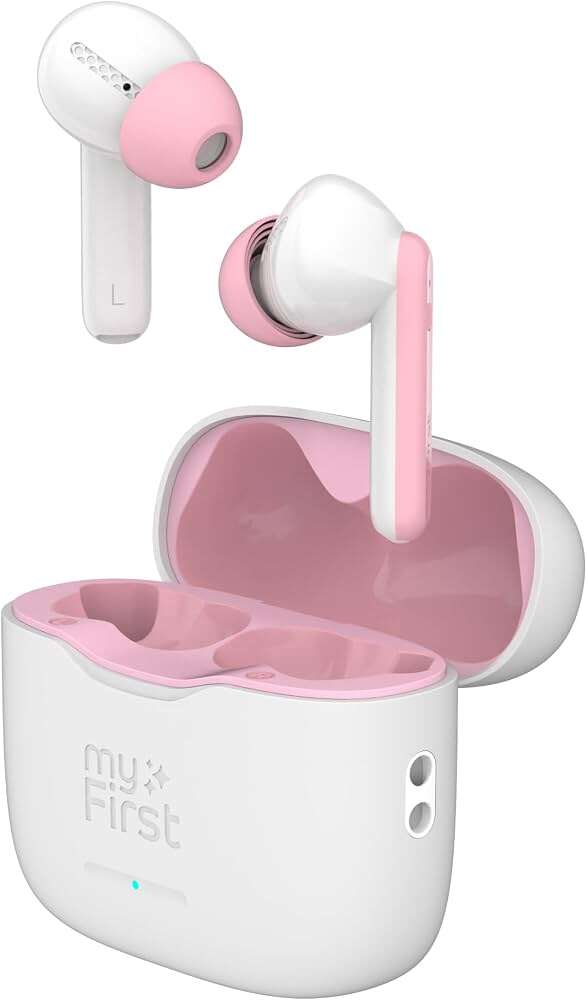
Most earbud packages include small, medium, and large silicone tips. Some include extra-small, extra-large, foam, or double-flange options. These sizes are not universal, so a medium tip from one brand may feel like a small tip from another.

Signs your earbud size fits correctly
The easiest way to know which earbud size fits is to check comfort, stability, and sound at the same time. No single sign gives the full answer. You need to judge how the earbud feels after several minutes of normal use.
A well-fitted earbud usually has these signs:
- It stays in place when you turn your head.
- It feels secure when you speak or smile.
- It does not cause pain or a sharp pressure point.
- Music sounds balanced in both ears.
- Bass does not disappear when you move.
- Outside noise becomes quieter, but not completely blocked.
- You can remove it without soreness or a strong suction feeling.
Try wearing the earbuds for at least 10 to 15 minutes. A tip that feels fine for one minute may become uncomfortable later. Walk around your room, look up and down, and chew normally. These simple actions reveal whether the tip stays sealed.
One useful test is the gentle pull test. Move the earbud slightly without twisting it hard. If it slips out at once, the tip may be too small or the earbud may need a different angle. If it feels stuck and creates painful pressure, the tip may be too large.

How to know which earbud size fits step by step
Use this simple process when testing earbud tips. It works better than choosing a size based only on guesswork.
1. Start with the installed tips
Manufacturers often install medium tips because they fit many users. However, this is only a starting point. Do not assume the installed size is correct for your ears.
Clean the tips first if the earbuds have been handled or used. Dirt and skin oil can change how the tip grips the ear.
2. Test one size at a time
Use the same earbud and compare the small, medium, and large tips. Test the left and right ears separately because many people have slightly different ear canals.
Keep the size that feels stable without creating pressure. You may need a small tip in one ear and a medium tip in the other.
3. Insert the earbud correctly
Pull the top of your ear gently upward and backward with your opposite hand. Insert the earbud at a slight angle, then rotate it until the body rests securely.
Do not push the earbud deep into the canal. The tip should form a seal near the opening, much like a soft door that closes a small room.
4. Check the seal
Play a song with a steady bass line. You can also use a familiar podcast or video. If the sound is thin or distant, the tip may be too small or not fully inserted.
Cover one ear with a finger, then compare the sound. If covering the ear changes the sound only a little, the earbud may already have a good seal. If the bass changes greatly, try another size or angle.
5. Move for several minutes
Walk, bend down, talk, and chew. If the earbud loosens during these actions, try a larger tip, a smaller tip, or a different wing attachment.
This movement test is one of the most reliable ways to know which earbud size fits in daily life. A perfect fit must work beyond a quiet desk.
6. Test both ears
Your ears may not match. This is normal. If one ear feels loose while the other feels tight, use different sizes instead of forcing one size to work for both.
Many people overlook this option because they expect earbuds to be symmetrical. Your ears do not need to be identical for earbuds to fit well.

How to tell if an earbud tip is too small
A tip that is too small usually fails to seal the ear canal. The earbud may still feel comfortable, but the sound and stability will suffer.
Watch for these signs:
- The earbud slides out during a walk.
- Bass sounds weak or disappears when you move.
- You hear more outside noise than expected.
- Active noise cancellation seems ineffective.
- You need to push the earbud back in often.
- The earbud feels loose when you chew or speak.
A small tip may also make the earbud feel unstable because the body carries more of the holding force. Try the next size up and insert it gently. If the larger tip feels uncomfortable, a different shape or a foam tip may work better than a larger silicone tip.
When asking how to know which earbud size fits, many users focus only on comfort. Comfort matters, but a very loose tip can sound poor even when it does not hurt.

How to tell if an earbud tip is too large
A large tip can create a strong seal, but more pressure is not always better. It may press against the canal walls and cause soreness.
A tip may be too large if:
- Your ear feels sore after a short listening session.
- You feel pressure when inserting the earbud.
- The earbud creates a strong plugged sensation.
- The tip slowly pushes itself out.
- You notice itching or irritation after use.
- One ear feels much worse than the other.
Remove the earbud if you feel sharp pain. Mild pressure may improve with a smaller size, a shallower insertion, or a different tip shape. Pain is not a sign of a better seal.
A common mistake is to choose the largest tip because it gives the strongest bass. That extra bass may come from pressure rather than a truly comfortable fit. The goal is a gentle seal that lasts.

How earbud shape affects the right size
Earbud tip size is only one part of fit. The shape of the earbud body, nozzle, and tip can change how it sits in your ear.
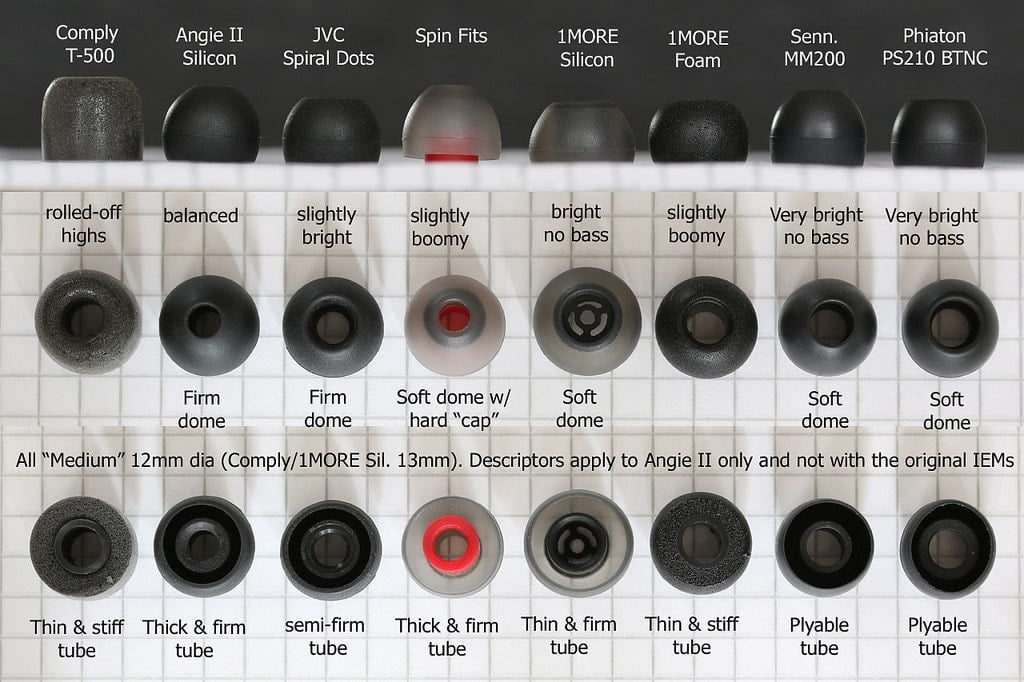
Common earbud tip designs include:
Round silicone tips
These are common and easy to replace. They work well for many users, but they may slip if your ear canal is unusually narrow or shallow.
Oval tips
Oval tips can spread pressure over a wider area. They may feel more stable for people who find round tips uncomfortable.
Foam tips
Foam tips compress before insertion and expand inside the ear canal. They can provide strong noise isolation, but they may need more frequent replacement and can feel warmer.
Double-flange tips
These tips have two soft rings. They may create a strong seal, but they are not comfortable for everyone. They can also insert deeper than standard tips.
Ear wings and hooks
Wings fit into the outer ear, while hooks wrap around it. These parts add stability during exercise, but they do not replace the need for a comfortable ear tip.
If the largest silicone tip still falls out, the problem may not be size. You may need a different shape, a wing, a hook, or a better insertion angle.
A simple sound test for earbud fit
Sound can tell you a great deal about fit. Use music that you know well, not a new song with an unfamiliar mix.
Follow these steps:
- Choose a song with clear vocals and steady bass.
- Insert both earbuds using the same method.
- Listen at a safe, moderate volume.
- Turn your head and walk around.
- Notice whether the bass stays consistent.
- Compare another tip size in each ear.
A good seal makes voices sound clear and bass sound present without needing extra volume. If the sound changes every time you move your jaw, the tip may be losing contact with the ear canal.
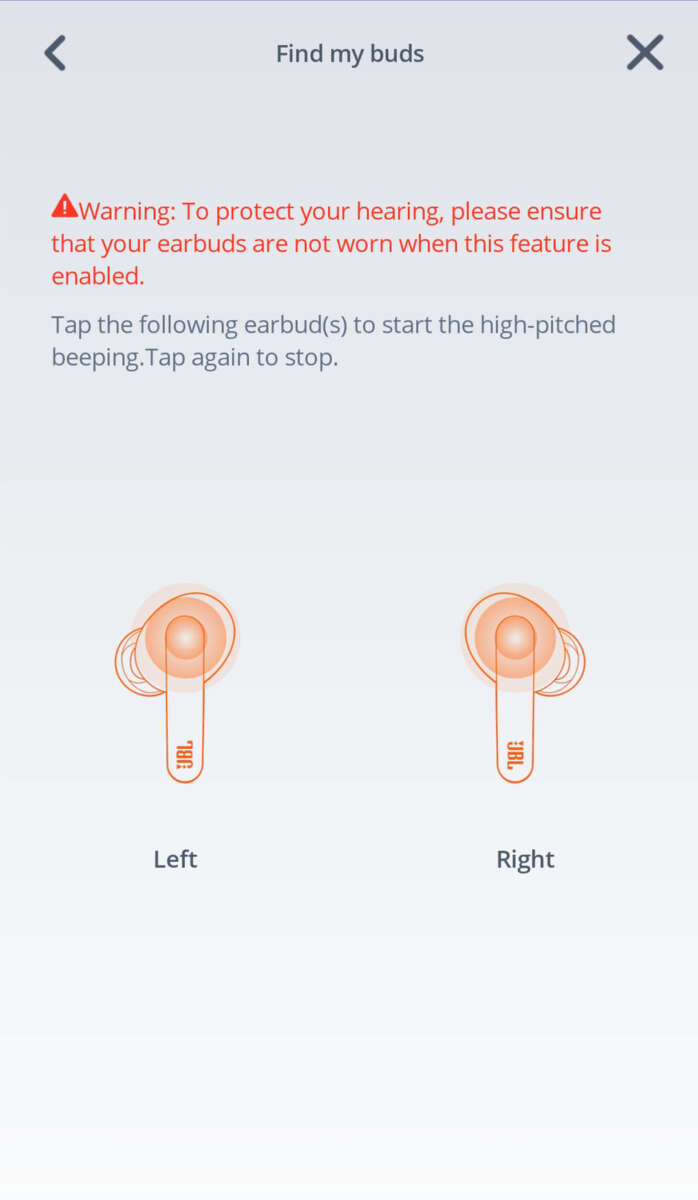
You can also use the earbud maker’s fit test if the app offers one. These tests can help, but they are not perfect. Your comfort over time matters more than a single app result.
This test helps answer how to know which earbud size fits, but sound quality can also depend on the earbud’s equalizer, codec, seal design, and noise control settings. Do not blame the tip for every sound problem.
Common earbud fitting mistakes to avoid
Even the correct tip size can feel wrong if the earbud is inserted poorly. Small changes in angle often make a large difference.
Avoid these mistakes:
- Pushing the earbud too far into the ear.
- Choosing the biggest tip without testing smaller ones.
- Testing only while sitting still.
- Using the same size in both ears automatically.
- Ignoring soreness because the sound seems powerful.
- Wearing dirty or damaged tips.
- Turning up the volume to hide a weak seal.
- Judging fit after only a few seconds.
Earwax can also affect fit. It may prevent the tip from sealing or make the earbud feel loose. Clean the earbud and tip according to the manufacturer’s instructions. Do not insert cotton swabs deep into the ear canal, since that can push wax farther inside or irritate the skin.
In my own earbud testing, the most common mistake has been changing volume before changing the tip. A better seal often improves bass and clarity without any equalizer adjustment.
How to improve comfort and stability
If you still cannot decide how to know which earbud size fits, change one factor at a time. Start with the tip size, then test the insertion angle, and finally consider a different tip material.
These practical adjustments may help:
- Warm silicone tips in your hands before inserting them.
- Dry your ears and the tips before use.
- Rotate the earbud slightly after insertion.
- Try a smaller tip if you feel pressure.
- Try a larger tip if the earbud slips out.
- Use foam tips for extra isolation.
- Add wings for running or gym workouts.
- Take short breaks during long listening sessions.
Sweat can make silicone tips slippery. If your earbuds fall out during exercise, a wing or hook may help more than a larger tip. For office use, comfort may matter more than maximum movement stability.
A good fit should not cause lasting pain, numbness, or skin damage. Stop using the earbuds and seek medical advice if irritation continues, especially if you have ear surgery, hearing problems, or a history of ear canal issues.
Earbud fit and hearing safety
A secure seal can make music seem louder and fuller. That is useful, but it can also tempt you to listen at unsafe levels. The World Health Organization advises keeping personal listening devices at a safe volume and taking regular breaks.
A practical rule is to use the lowest volume that lets you hear clearly. If someone standing near you can easily hear your music, the volume may be too high. If your ears ring or sound dull after listening, give them a break.
A proper fit may reduce the need to raise the volume because it blocks some outside noise. Still, noise isolation does not make earbuds safe at any volume. Fit, volume, listening time, and personal sensitivity all matter.
Never use strongly isolating earbuds when you need to hear traffic, alarms, cyclists, or other safety signals. Awareness is more important than a perfect seal in those settings.
How often should you replace earbud tips?
Silicone tips can last for months or longer when cleaned and stored well. Replace them when they become cracked, stretched, sticky, hardened, or loose.
Foam tips usually wear out sooner because they compress and collect oils. Replace them when they no longer expand properly or when cleaning cannot remove buildup.
Replace a tip if it no longer stays attached to the earbud nozzle. A loose tip can remain in the ear when you remove the earbud, which is uncomfortable and may require medical help if it becomes stuck.
Keep spare tips in a clean, dry case. Avoid sharing used tips unless they are cleaned properly. Good hygiene protects both the tips and your ears.
How to know which earbud size fits for workouts
Exercise creates different fitting demands. Running, cycling, and strength training involve movement, sweat, and jaw motion.
For workouts, test the earbuds while doing the activity you actually plan to do. A fit that works at a desk may fail during a run. Look for a tip that stays sealed when you turn your head and a body that does not press against the outer ear.
You may prefer:
- Silicone tips for easy cleaning.
- Foam tips for stronger isolation.
- Ear wings for added grip.
- Ear hooks for high-movement workouts.
- A slightly smaller tip if sweat increases pressure.
Do not wear strong noise-isolating earbuds outdoors if they prevent you from hearing nearby hazards. In a gym, transparency mode may improve awareness while still letting you enjoy your music.
How to know which earbud size fits children and teens
Children and teenagers may need smaller tips because their ear canals are smaller. Never force an adult-size tip into a child’s ear.
Choose the smallest comfortable option and check the fit often. Ears change as children grow, and discomfort may not always be reported clearly.
Keep volume limits enabled when possible. Children should also take listening breaks and avoid wearing earbuds for long periods without adult guidance. If an earbud causes pain, drainage, or reduced hearing, stop use and contact a health professional.
Frequently Asked Questions
How do I know if my earbud tips are too small?
Your tips may be too small if the earbuds slip, lose bass, or let in a lot of outside noise. Try the next size up and test the fit while walking and talking.
Should earbuds feel tight in your ears?
Earbuds should feel secure but not painful. A gentle seal is useful, while sharp pressure, soreness, or a lasting plugged feeling suggests that the tip is too large or inserted too deeply.
Can I use different earbud sizes in each ear?
Yes. Many people have slightly different ear canal sizes, so one ear may need a small tip while the other needs a medium tip. Testing each ear separately often improves comfort and stability.
Why do my earbuds keep falling out?
Earbuds may fall out because the tips are too small, the insertion angle is wrong, or the earbud shape does not match your outer ear. Try another size, rotate the earbud gently, or use wings or hooks.
Do foam earbud tips fit better than silicone tips?
Foam tips can improve grip and noise isolation because they expand inside the ear canal. However, they may feel warmer, require more care, and need replacement sooner than silicone tips.
Can a good earbud fit improve sound quality?
Yes. A proper seal can improve bass, vocal clarity, and noise isolation. It may also reduce the need for high volume, but it cannot fix problems caused by a damaged earbud or poor audio settings.
How long should I test an earbud size?
Test each size for at least 10 to 15 minutes, including some walking and talking. Longer testing helps reveal pressure and soreness that may not appear right away.
Conclusion
The best way to know which earbud size fits is to test comfort, seal, sound, and stability together. Start with the installed tip, compare sizes one at a time, test both ears, and move around before making a choice.
A good earbud tip stays secure without pain, keeps bass consistent, and lets you listen at a comfortable volume. If standard silicone tips do not work, try a different shape, foam material, wing, or hook. Take a few minutes to test your fit today, and share your experience or explore more earbud care guides for better daily listening.

Everett Ashford is a tech reviewer at mytechgrid.com specializing in SSDs, cameras, TVs, earbuds, headphones, and other consumer electronics. He provides honest, data-driven reviews based on hands-on testing and real-world performance analysis. Everett simplifies complex tech details to help readers make smart, confident buying decisions.